Please click here to check who's online and chat with them.

Find Verified Industrial Chemicals Suppliers, Manufacturers and Wholesalers

GOLD PLUS Member
Jun-06-23

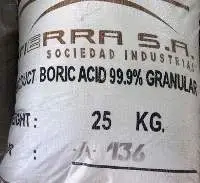
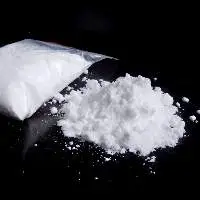
Boric Acid 99.9%

$1
MOQ: 25  Metric Tonnes
Supplier From Laguna Woods, California, United States
 Inquire Now  
Classification: Boric Acid

Grade Standard: Agriculture Grade, Food Grade, Industrial Grade

Purity: %99,9 Appearance: White

Application: industrial

Package: 25kg/bag
GOLD PLUS Member
Jun-06-23

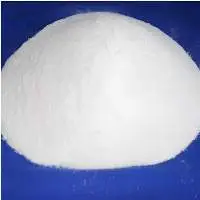
Borax Pentahydrate Powder, 25Kg Bag

$0.50
MOQ: 25  Metric Tonnes
Supplier From Laguna Woods, California, United States
 Inquire Now  
Turkey Brand ETiMADEN Borax Pentahydrate
1. Granular borax, also known as sodium borate, sodium tetraborate, or disodium tetraborate. Borax is a component of many detergents, cosmetics, and enamel glazes. It is used to make buffer solutions in biochemistry, as a fire retardant, as an anti-fungal compound, in the manufacture of fiberglass, as a flux in metallurgy, neutron-capture shields for radioactive sources, a texturing agent in cooking, as a cross-linking agent in slime, as an alkali in photographic developers, as a precursor for other boron compounds, and along with its inverse, boric acid, is useful as an insecticide.
2. Borax pentahydrate is generally written as Na2B4O7�?�¢?�?�¢5H2O. Powdered borax is white, consisting of soft colorless crystals that dissolve in water.
3. Usually a white powder contains colorless, odorless and salty crystals. The specific gravity is 1.73. All crystal water is
lost at 350-400C. Soluble in water and glycerol, slightly soluble in alcohol. The aqueous solution is strongly alkaline.
4. For borax pentahydrate we import it from Turkey and American. Their brand name is ETiMADEN and THREE ELEPHANT.
GOLD PLUS Member
VERIFIED
Jul-22-26
GOLD PLUS Member
VERIFIED
Jul-22-26
GOLD PLUS Member
VERIFIED
Jun-20-26

Magnesium Oxide, A

$250 - $1.20K / Metric Ton (FOB)
MOQ: 25  Metric Tonnes
Supplier From Lusaka, Lusaka, Zambia
 Inquire Now  
Magnesium Oxide (MgO) is a high-purity inorganic compound widely used in refractory materials, agriculture, environmental treatment, construction, pharmaceuticals, and industrial manufacturing. Our magnesium oxide is produced from high-quality magnesite ore through controlled calcination processes, ensuring consistent purity, excellent thermal stability, and superior performance. Available in various grades and particle sizes to meet diverse industrial requirements.
62751 Industrial Chemicals Suppliers
Short on time? Let Industrial Chemicals sellers contact you.
GOLD PLUS Member
VERIFIED
Jun-03-26

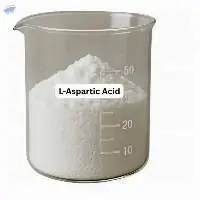
L-Aspartic Acid, CAS No. 56-84-8

$1 - $2 / Kilogram (FOB)
MOQ: Not Specified
 Inquire Now  
L-Aspartic Acid (CAS No. 56-84-8) is a naturally occurring amino acid widely used in the pharmaceutical, food, cosmetic, and chemical industries. It is a white crystalline powder known for its excellent solubility and role as a building block in protein synthesis. L-Aspartic Acid is extensively utilized in the production of pharmaceuticals, dietary supplements, and functional food formulations due to its involvement in metabolic processes and energy production. It is also used in biodegradable polymers, chelating agents, and specialty chemical synthesis. In the food industry, it serves as a flavor enhancer precursor and nutritional additive. Known for its high purity, biocompatibility, and versatility, L-Aspartic Acid is an important ingredient in health, nutrition, and advanced chemical applications.
GOLD PLUS Member
VERIFIED
Jun-03-26

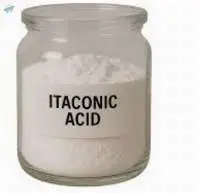
Itaconic Acid, CAS No. 97-65-4

$1 - $2 / Liter (FOB)
MOQ: Not Specified
 Inquire Now  
Itaconic Acid (CAS No. 97-65-4) is a white crystalline unsaturated dicarboxylic acid widely used in the chemical, polymer, and specialty materials industries. It is primarily produced through fermentation processes and serves as an important bio-based building block for the manufacture of resins, coatings, adhesives, plastics, and superabsorbent polymers. Itaconic Acid is extensively utilized to enhance polymer flexibility, adhesion, and biodegradability, making it valuable in environmentally friendly and sustainable material formulations. It also finds applications in water treatment chemicals, detergents, and pharmaceutical intermediates. Known for its renewable origin, high reactivity, and versatility, Itaconic Acid is an important raw material in green chemistry and advanced industrial applications.
GOLD PLUS Member
VERIFIED
Jun-03-26

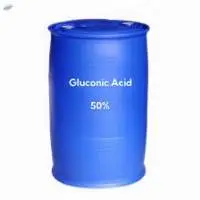
Gluconic Acid, CAS No. 526-95-4

$1 - $2 / Liter (FOB)
MOQ: Not Specified
 Inquire Now  
Gluconic Acid 50% (CAS No. 526-95-4) is a clear, light-colored aqueous solution widely used in food, pharmaceutical, cosmetic, and industrial applications. It is a mild organic acid derived from glucose and is known for its excellent chelating, sequestering, and pH-regulating properties. Gluconic Acid 50% is extensively utilized in cleaning formulations, metal surface treatment, textile processing, concrete admixtures, and water treatment systems. In the food and pharmaceutical industries, it is used as a stabilizer, acidity regulator, and mineral supplement component. Known for its biodegradability, safety, and versatility, Gluconic Acid 50% is a valuable ingredient in modern industrial and consumer product formulations.
GOLD PLUS Member
VERIFIED
Jun-03-26

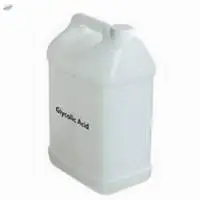
Glycolic Acid, CAS No. 79-14-1

$1 - $2 / Liter (FOB)
MOQ: Not Specified
 Inquire Now  
Glycolic Acid (CAS No. 79-14-1) is a colorless to white crystalline organic acid widely used in the pharmaceutical, cosmetic, and industrial sectors. It is the smallest alpha-hydroxy acid (AHA), known for its excellent skin penetration and exfoliating properties. Glycolic Acid is extensively utilized in skincare formulations for chemical peels, anti-aging treatments, acne control, and skin renewal products due to its ability to remove dead skin cells and promote collagen production. It is also used in textile dyeing, leather processing, cleaning agents, and polymer synthesis. Known for its high purity, effectiveness, and multifunctional applications, Glycolic Acid is a valuable ingredient in personal care, healthcare, and industrial chemical markets.
GOLD PLUS Member
VERIFIED
Jun-03-26

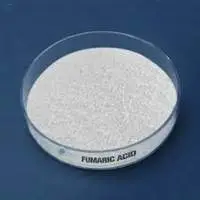
Fumaric Acid, CAS No. 110-17-8

$1 - $2 / Kilogram (FOB)
MOQ: Not Specified
 Inquire Now  
Fumaric Acid (CAS No. 110-17-8) is a white, crystalline organic acid widely used in the food, pharmaceutical, and industrial sectors. It occurs naturally in various plants and is primarily utilized as an acidity regulator, flavor enhancer, and preservative in food and beverage products. Fumaric Acid is extensively used in bakery products, beverages, confectionery, and processed foods to improve taste stability and shelf life. In the pharmaceutical industry, it serves as an important intermediate and pH-adjusting agent in tablet formulations and medicinal compounds. It is also used in unsaturated polyester resins, alkyd resins, and specialty chemical applications. Known for its high purity, stability, and safety, Fumaric Acid is a versatile and valuable ingredient in global food, healthcare, and chemical industries.
GOLD PLUS Member
VERIFIED
Jun-03-26

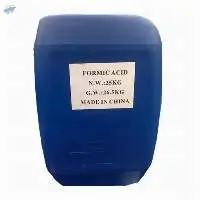
Formic Acid, CAS No. 64-18-6

$1 - $2 / Liter (FOB)
MOQ: Not Specified
 Inquire Now  
Formic Acid (CAS No. 64-18-6) is a clear, colorless, and highly corrosive organic acid with a sharp pungent odor. It is one of the simplest carboxylic acids and is widely used across the chemical, textile, leather, rubber, and agricultural industries. Formic Acid serves as an important intermediate in chemical synthesis and is extensively utilized in leather tanning, textile dyeing, rubber coagulation, and as a preservative and antibacterial agent in livestock feed. It is also used in pharmaceuticals, cleaning agents, and various industrial formulations due to its strong reducing and acidic properties. Known for its high reactivity and broad industrial applicability, Formic Acid is an essential chemical in global manufacturing and processing industries.
GOLD PLUS Member
VERIFIED
May-19-26
 Inquire Now  
L Theanine was discovered in green tea in 1949 and isolated from Yulu tea leaves in 1950 , accounting for approximately 1-2% of the dry weight of green tea .

Theanine typically refers to L-theanine (levo-form), which is the natural form found in tea leaves, while research on D-theanine (dextro-form) is less extensive . As a dietary supplement, the US Food and Drug Administration deems it safe to consume up to 250 mg per day . Common dosage forms include capsules, tablets, and powders, and it is often used in combination with caffeine.

L-theanine can cross the blood-brain barrier and may possess neuromodulatory functions through interacting with glutamate receptors. Animal experiments have demonstrated its potential sedative and immunomodulatory effects. However, the European Food Safety Authority has assessed that the current evidence is insufficient to support a causal relationship between L-theanine and improving cognitive function, relieving psychological stress, maintaining normal sleep, or alleviating menstrual discomfort.

Model:
CAS 3081-61-6

Brand:
Soleado
GOLD PLUS Member
VERIFIED
May-19-26
 Inquire Now  
Potassium cinnamate is a novel natural food preservative, widely used in medicine, agriculture, and food.

In the food industry, potassium cinnamate is primarily used for the preservation and freshness of foods such as carbonated beverages, fruit juice drinks, canned foods, dairy products, and pickled vegetable products. It is also widely applied in the processing of meat products, including chilled meat, sausages, ham sausages, dried meat, and canned meat, serving multiple functions such as preservation, freshness maintenance, color and flavor retention, water retention, antioxidant properties, and quality stabilization. Potassium cinnamate is also extensively utilized in the production of condiments, pastries, beverages, and other foods, serving as a spice and exhibiting preservative and freshness-maintaining properties. According to the \"Standard for the Use of Food Additives\" GB2760-2014, its usage in beverages, dairy products, desserts, and other condiments should not exceed 0.5g/kg, with specific dosages adjusted within the range of 0.1-0.5% based on different processes.

In the pharmaceutical industry, potassium cinnamate serves as a preservative and bactericide, and also exhibits various biological activities such as anti-tumor, hypoglycemic, and hypolipidemic effects.

Model:
CAS 16089-48-8

As a natural food preservative, potassium cinnamate possesses the following characteristics: 1.1 It exhibits strong broad-spectrum antibacterial activity, particularly effective against molds, bacteria, and yeasts that cause food spoilage. The effective concentration for inhibiting molds is 0.05-0.1%, with a typical usage range of 0.01-0.02%. The effective concentration for inhibiting bacteria ranges from 0.01-0.1%. The main targets of its inhibition also include Pseudomonas, Micrococcus, Bacillus, various genera of Enterobacteriaceae, Vibrio, Halobacterium, Aerobacter, Lactobacillus, Lactic acid bacteria, aflatoxin, Escherichia coli, Proteus vulgaris, Lactobacillus casei, Clostridium butyricum, Lactobacillus gerovicius, Aerobacillus, Gram-negative and Gram-positive bacilli, Clostridium botulinum, etc. Additionally, potassium cinnamate is not limited by pH, exhibiting a considerable antibacterial effect within a pH range of 2-7, and this effect remains consistent despite fluctuations in pH. It can be widely applied in various types of food.

1.2 Safety and practicality: The oral LD50 of potassium cinnamate in rats is 5.58-6.78g/kg, indicating that it is a non-toxic product. After absorption by the human body, potassium cinnamate is converted into phenylalanine, which is metabolized and excreted from the body. A small amount of phenylalanine can be catalyzed by phenylalanine hydroxylase to generate tyrosine, which poses no toxic side effects to the human body. Its effective preservative component, cinnamic acid, was recognized as GRAS (Generally Recognized as Safe) by FEMA (Flavor Extract Manufacturers Association) in 1965.

1.3 The eff
GOLD PLUS Member
VERIFIED
May-19-26
 Inquire Now  
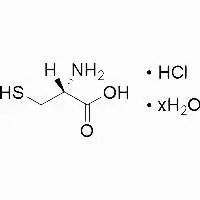
L-Cysteine hydrochloride monohydrate formula C3H10ClNO3S molicular weight 175.634 CAS 7048-04-6

L-Cysteine hydrochloride monohydrate is widely used in medicines, food, cosmetics, agriculture, etc. Used as bread improvers, nutritional supplements, antioxidants, color fixative,etc.

Model:
CAS 7048-04-6

Code:
7048-04-6

L-Cysteine hydrochloride monohydrate
Formula C3H10ClNO3S
Molicular Weight 175.634
CAS 7048-04-6

L-Cysteine hydrochloride monohydrate is widely used in medicines, food, cosmetics, agriculture, etc. Used as bread improvers, nutritional supplements, antioxidants, color fixative,etc.
GOLD PLUS Member
VERIFIED
May-19-26
 Inquire Now  
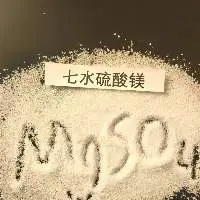
Magnesium sulfate heptahydrate, also known as sulfuric acid, bitter salt, cathartic salt, and laxative salt (chemical formula: MgSO47H2O), is a white or colorless needle-like or oblique columnar crystal, odorless, cool, and slightly bitter. It decomposes upon heating, gradually losing its crystal water to become anhydrous magnesium sulfate. It is mainly used in the manufacture of fertilizers, leather, printing and dyeing, catalysts, paper, plastics, porcelain, pigments, matches, explosives, and fireproof materials. It can be used to print and dye thin cotton and silk fabrics, as a weighting agent for cotton and silk, and as a filler for kapok products. In medicine, it is used as a laxative salt.

CAS 10034-99-8

Main Purpose

Food

As a food fortifier, it is stipulated in China that it can be used in dairy products with a usage level of 3-7g/kg; in beverages and milk drinks, the usage level is 1.4-2.8g/kg; and in mineral beverages, the maximum usage level is 0.05g/kg.

Industry

When combined with calcium salts for use in yeast water, adding 4.4g per 100l of water can increase the hardness by 1 degree. However, excessive use can lead to a bitter taste and the production of hydrogen sulfide odor.

It is used in leather making, explosives, paper making, porcelain production, fertilizer, and as an oral laxative in medical treatment, as well as a mineral water additive.

Agriculture
Magnesium sulfate is used as a fertilizer in agriculture, as magnesium is one of the main components of chlorophyll. It is commonly applied to potted plants or crops that are deficient in magnesium, such as tomatoes, potatoes, roses, and so on. The advantage of magnesium sulfate over other fertilizers is its higher solubility. Additionally, magnesium sulfate is also used as bath salts.
GOLD PLUS Member
VERIFIED
May-19-26
 Inquire Now  
Appearance: transparent liquid
Cas No:59227-89-3
EINECS No: 261-668-9
Molecular Formula:C18H35NO
Molecular Weight:281.48

Model:
Cas No:59227-89-3

Brand:
Soleado

Azone is an organic compound, denoted by the chemical formula C18H35NO, which cannot be dissolved in water but can dissolve in ethanol, ether, acetone, and benzene.

The oil-soluble azone variant has been transformed into a water-soluble version with high efficacy. This modified product promotes transdermal penetration of lipophilic and hydrophilic drugs and active ingredients. It causes the stratum corneum of the skin to interact with lipids, lower the effective phase transition temperature of the substance to the lipid in the stratum corneum gap, enhance fluidity and reduce the diffusion resistance of drugs or active additives in the stratum corneum to significantly promote penetration.

To use this product, it is necessary to shake well and heat it as it is a cloudy liquid at room temperature. This product is an excellent skin penetration accelerator applicable to both the pharmaceutical and cosmetic industry. It works as a significant synergistic hyperosmotic agent in the pesticide industry and is also suitable for the printing, dyeing, and oil exploration sectors.
GOLD PLUS Member
VERIFIED
May-19-26
 Inquire Now  
Appearance: white crystalline powder
Cas No:70-18-8
EINECS No: 200-725-4
Molecular Formula: C10H17N3O6S
Molecular Weight:307.32

Model:
Cas No:70-18-8

Brand:
Soleado

Glutathione (GSH) is a tripeptide composed of glutamic acid, cysteine, and glycine with a sulfhydryl group. Its main function is to act as an antioxidant and integrated detoxifying agent. In the body, glutathione eliminates free radicals, which makes it an important antioxidant. However, it is also vulnerable to oxidation by certain substances, which is why it protects sulfhydryl groups in various proteins and enzymes. This maintains their normal function and helps prevent harmful oxidation.

Glutathione is found in large amounts in human red blood cells and protects the sulfhydryl groups of proteins on the red blood cell membrane. Glutathione is easy to interact with certain drugs and toxins like free radicals, iodoacetic acid, mustard gas, lead, mercury, and arsenic, which is why it has an integrated detoxification effect. This makes it useful in transforming harmful substances in the body into harmless ones and excreting them. Additionally, glutathione helps maintain normal immune system function.
GOLD PLUS Member
VERIFIED
May-19-26
 Inquire Now  
Appearance: white crystalline powder
Cas No:623-33-6
EINECS No: 210-787-4
Molecular Formula: C4H10ClNO2
Molecular Weight:139.58

Model:
Cas No:623-33-6

Brand:
Soleado

Glycine ethyl ester hydrochloride is also known as aminoacetic acid ethylester hydrochloride. It is white crystalline powder at room temperature. Easily soluble in water, solubility in water >1000 g/L (20 �ºC), slightly soluble in ethanol, insoluble in ether, easy to absorb moisture when placed in the air, and slowly decomposes when the temperature exceeds 200 �°C.

Ethyl glycinate hydrochloride is used as a pesticide pyrethroid insecticide and a raw material for the pharmaceutical industry, such as an intermediate for the preparation of chrysanthemic acid and permethrin, fungicide iprodione, pharmaceutical anti-inflammatory drugs, tetrazoleacetic acid, etc. It is also used in preparations such as biochemical research.
GOLD PLUS Member
VERIFIED
May-19-26
 Inquire Now  
Appearance: white crystalline powder
Cas No:9067-32-7
EINECS No: 232-678-0
Molecular Formula: (C14H20NO11Na)n

Model:
Cas No:9067-32-7

Brand:
Soleado

Sodium hyaluronate, with the chemical formula (C14H20NO11Na)n, is an inherent component in the human body. It is a kind of glucuronic acid and has no species specificity. It widely exists in the placenta, amniotic fluid, lens, articular cartilage, skin In tissues and organs such as the dermis. It is distributed in the cytoplasm and intercellular substance, and acts as a lubricant and nourisher to the cells and organelles contained therein. At the same time, it provides a microenvironment for cell metabolism.

It is a gel made by combining a natural "hyaluronic acid" of the human body with other drugs that promote cell regeneration and wrinkle reduction, and is used by injection.

Moisturizing effect is the most important function of sodium hyaluronate in cosmetics. Compared with other humectants, the relative humidity of the surrounding environment has little effect on its moisturizing property.
GOLD PLUS Member
VERIFIED
May-19-26
 Inquire Now  
Appearance: white crystalline powder
Cas No:501-30-4
EINECS No: 207-922-4
Molecular Formula: C6H6O4

Model:
Cas No:501-30-4

Brand:
Soleado

Kojic acid is an organic compound with a chemical formula of C6H6O4. It is mainly used as a whitening agent, food additive, and also as a preservative, preservative, and color-protecting agent.
62751 Industrial Chemicals Suppliers
Short on time? Let Industrial Chemicals sellers contact you.
See what buyers and suppliers are discussing in Industrial Chemicals import export community