Source
Indigenous Arabica It's widely suspected that more than 90 percent of the genetic material of Coffee Arabica can be found in Ethiopia.
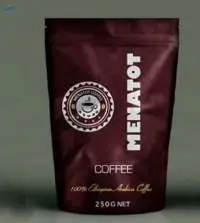
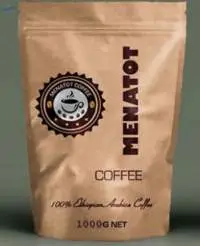
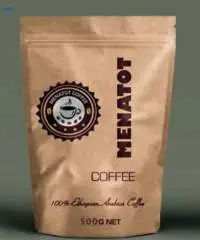
We independently source all of our coffees from exclusive lots in southwestern Ethiopia, granting us access to the highest quality of fresh coffee berries.
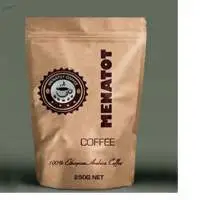
Our expert team of connoisseurs source all of our coffees, allowing us access to an exclusive supply chain of coffee that tastes unlike anything else in the world of coffee.We carefully roast-to-order and package our coffees to highlight the extraordinary experience and unrivaled flavor diversity embedded within each bean.
We have blended and single origin roasted coffee with attractive price, we can ship our coffee either from Ethiopia or from Washington DC.
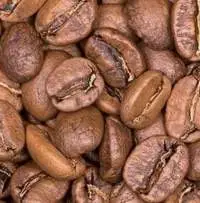
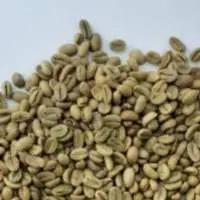
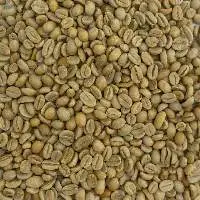
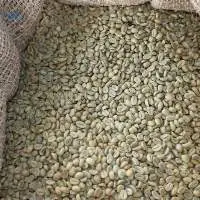
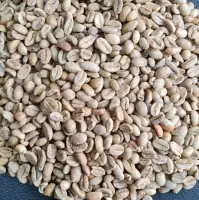
Name : Ararabica Green Coffee
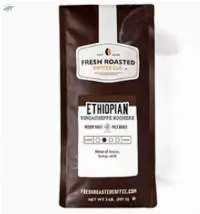
Origin: Ethiopia ( Yirgacheffe 2 Washed )
Speciation: Fully Machine cleaned , Moisture 12% MAX, Foreign material 1% MAX, Damaged 1% MAX, Broken and Split beans 1%MAX
HS-Code: 071333
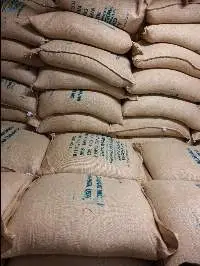
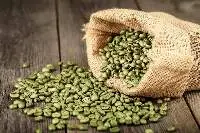
Packaging: In New Jute Bags of each 60 KG Net each
Minimum Order: 5 Metric Tons
Price: Based on the current market
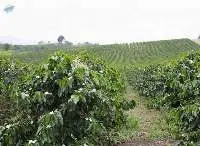
Yirgacheffe is part of the Sidamo region in southern Ethiopia, but its exquisite washed coffees are so well-known that is has been sub-divided into its own micro-region, which has been trademarked by the Ethiopian government. This steep, green area is both fertile and high- much of the coffee grows at 2,000 metres and above.
At first glance Yirgacheffe's hills look thickly forested, but in fact it is a heavily populated region and the hills are dotted with many dwellings and villages' growing a Garden of coffee. There are approximately 26 cooperatives in the region, representing some 43,794 farmers and around 62,004 hectares of garden coffee. The production is predominantly washed, although a smaller amount of sundried coffees also come out of Yirgacheffe.
Sidamo (or Sidama - the latter refers to the Sidama people, while the former is what used to be known as Sidamo province) covers a large area spreading through the fertile highlands south of Lake Awasa in the Rift Valley. It is made up of over 20 different administrative areas, or woredas, with varying microclimates and altitudes; accordingly, there is a big variety of both grades and cup profiles that end up labelled as Sidamo.
The Sidamo region (along with Harrar and Yirgacheffe) is one of three trademarked coffee regions in Ethiopia and is well known for having perfect climate conditions for coffee thanks to altitudes of between a 1,500 to 2,200 metres above sea level, ample rainfall, optimum temperature and fertile soil.
Around 60% of the region's coffees are washed, though Sidamo also produces some excellent sun-dried coffees. There are upwards of 50 cooperatives in operation here, as well as many private buying stations - with over 200 washing stations around the various woredas.
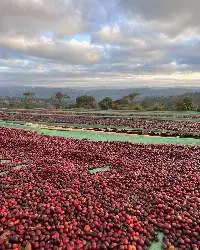
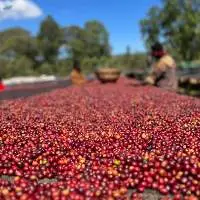
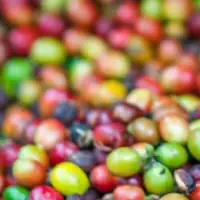
Our Ethiopian Guji grade 1 or 2 was sourced from Abebe Selfa' s washing station in Bule Hora woreda. Bule Hora is a small town in the Guji Region. Abebe's washing station buys ripe red coffee cherries from hundreds of coffee farmers around the village and carefully processes the cherries from pulping, fermentation to drying. The dried coffee beans get transported to the Caravan Coffee milling station near Addis Ababa to be milled, bagged and ready for export.
2. Product description, including the following details - Ethiopian Green Coffee Beans, Robusta, Arabica, and Roasted Coffee
a. Name of product - Harrar, Yirgacheffe, Sidamo, Lekempti, Guji, Djimma
b. Price of the product - Subject to Price will change as pr grade and availability
c. Key Specifications/Special Features:Ethiopian Green Coffee Beans, Robusta, Arabica, and Roasted Coffee
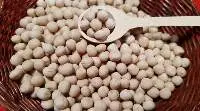
The Pea bean, Phaseolus aegypticus, is  a brown and white half hardy bean that has been grown in England for over 400 years. Although the plant is called the pea bean, it is not a hybrid between a pea and a bean
533 Medium Roast Coffee Beans Suppliers
Short on time? Let Medium Roast Coffee Beans sellers contact you.