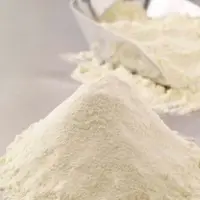
Moisture: 4,2 %
Butterfat: 26,0 %
Acidity as lactic: 18 * t
Solubility inde 0,15%
Scorched particles: dick
Bacteria estimate: 50000 in lg
Coliforms: absent in 0,1 g
Antibiotics: negative
Salmonell: absent in 25 g
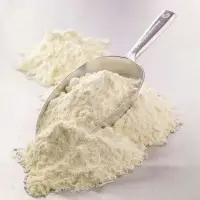
Moisture: 4,3 %
Butterfat: 1,2 %
Acidity as lactic: 17 * t
Solubility inde: 0,15%
Тhe protein mass fraction in the dry skim milk residue: 34,8 %
Lactose: 51,8%
Ð : 6,69
Antibiotics: absent
Aflatoxin m mg/kg: 0,0005
Scorched particles: disc
Bacteria estimate: 50 000 in lg
Coliforms: absent in 0,1 g
Salmonell: absent in 25 g
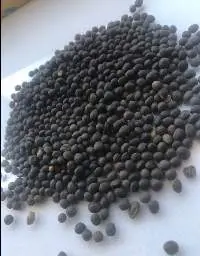
Pellet diameter: 8.0 mm
Length of a pellet: ~15,0 mm
Raw protein in terms of oven-dry matter: 50,55%
Mass fraction of moisture and volatile matters: 10,5%
Mass fraction of ash insoluble in 10% HCL in terms of oven-dry matte: 0,18%
Mass fraction of fat in terms of oven-dry matte: 1,07%
Mass fraction of cellulose in terms of oven-dry matte: 4,9
Acid number of fat, mg KOH/G: 12,9
Urease activity, pH: 0,10
Fodder yeast is a highly nutritious eco-friendly feed supplement, mainly containing protein, used in the ration of livestock and poultry. It derives from pure yeast cells cultivated on a substrate of bran, brewers grains, or distillers grains and represents an excellent additive to the diet of farm animals alongside with vegetable pulp and silage. It can also be part of different premixes and concentrates.
Dry fodder yeast serves as a valuable source of protein and vitamins. Protein generated by yeast microbes outscores animal protein in terms of digestibility and level of amino acids boosting nutritional value of proteins in the rest of feed. Protein supplied by fodder yeast is highly digestiblein animals reaching 95%. Sulphur together with its compounds participates in organic processes resulting in production of amino acids. Enzymes allow the yeast to assimilate amino acids faster and catalyze the protein synthesis process. Calcium and phosphorus present in the yeast contribute to a healthy development of the skeleton. Fat metabolism is regulated by B vitamins in which yeast is rich
.
No contraindications exist regarding the fodder yeast usage. Its overdose entails no side effects. The cattle slaughter time and the technological suitability of milk are not affected by this product. Unicellular organisms, such as fungi of the genus Candida, Saccharomyces, Hansenula, Torulopsis, are normally used as strains to produce fodder yeast. They proliferate in a microbiological medium supplying carbohydrate, N, P, K, Mg, Ca, Fe, Mn, Zn etc. minerals, and dissolved oxygen. An increase in biomass is characterized by fermentation and synthesis of protein in a yeast cell.
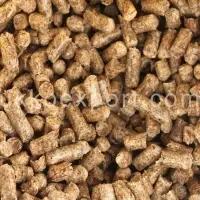
Wood pellets are solid wood biofuel which is eco-friendly and represents a good alternative to the direct use of wood waste as fuel.
Pellets generate more heat than sawdust and wood chips, thus increasing the efficiency of boiler houses; they do not require large warehousing spaces and do not self-ignite during storage because are free from dust and spores which can also cause allergic reactions in people.
At the same time, pellets are used for combustion in domestic fireplaces and heating devices. These are open fire furnaces installed indoors which produce heat due to thermal radiation or as a result of convection. This type of thermal radiation is considered to be the most comfortable for the man. Heating devices fueled by wood pellets are controlled automatically and the process of loading pellets in a fire chamber is also automated.
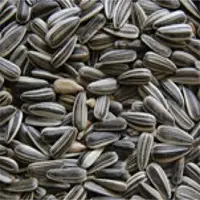
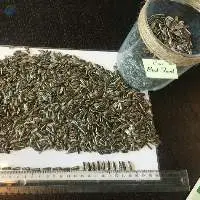
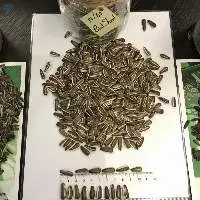
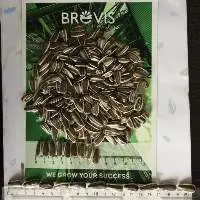
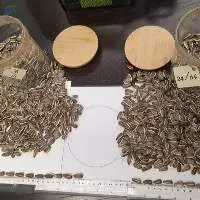
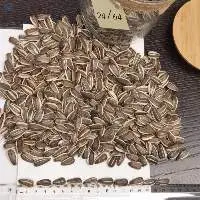
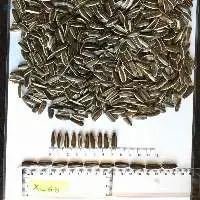
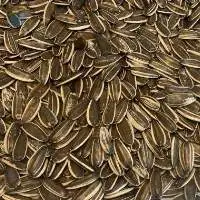
Striped sunflower seeds sometimes called stripers, are larger than black oil sunflower seeds and have a thicker shell. The seeds are a rich source of unsaturated fatty acids, which contribute to lowering the level of the harmful cholesterol in the blood and strengthen the heart and the blood vessels.
The rich oil content provides a high-energy food source, making it a favorite of many backyard birds .They are wonderful way to distract larger birds .
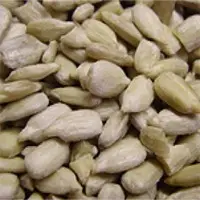
Hulled sunflower seeds can be purchased whole or as chips, sometimes called hearts. The whole kernels are the most desirable, of course, but the pieces are still attractive to birds and both forms are used in many wild bird seed mixes.Hulled sunflower seeds are rich in oil and a high source of calories for birds, making them a popular feeder option. They are more expensive than regular sunflower seed but may be more economical when purchased by weight because there is no waste. Hulled seeds will not grow if spilled on the ground, making them a favorite for backyard birders.
Their rich nutritional content and fresh flavor make them an excellent snack on their own, or they can be added to trail mixes to enhance taste and nutritive value.