Please click here to check who's online and chat with them.

Find Verified Microcrystalline Wax Suppliers, Manufacturers and Wholesalers

GOLD Member
Aug-19-22

Paraffin Wax Available

$1
MOQ: 19  Metric Tonnes
Sample Available
 Inquire Now  
64-66 Full Refined Paraffin Wax,Granule Wax Microcrystalline Wax, 58/60 Wax, 54/56Wax, Polyethylene

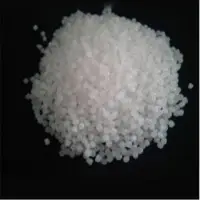
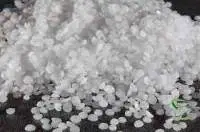
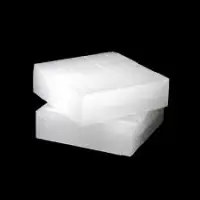
64-66# Full refined paraffin wax is mainly used in candle making, white and transparent, oil content0.5max.

Application:Candle Making Melting Point:64 -66 Forms:Solid Oil Content (%):0.5%max Refinement: Fully Refined Scale of Deoiling:Refinement: Fully Product Description Name: FULLY REFINED PARAFFIN WAX 64/66 Description: This product is produced by Refineries in Northeastern Thailand, which adopts modern technology of solvent deoiling and hydrorefining. It is widely used in candles, rubber tire and wrapper industries, etc.
Jun-18-18
 Inquire Now  
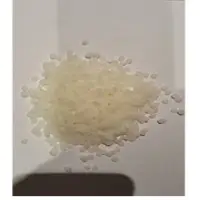
Microcrystalline waxes are a type of wax produced by de-oiling petrolatum, as part of the petroleum refining process. They differ from paraffin waxes in that they have poorly defined crystalline structure, darker color, and generally higher viscosity and melting points. Microcrystalline waxes are moisture free and range in color from a white to a brown, depending on the degree of refinement. Highly refined Micros are white. Microcrystalline waxes excellent for laminating, coating, or hardening materials.

Applications:
Pharmaceutical industries & cosmetic industries
Personal care
Candle industries, Crayon, Ink
Rubber Et Tire Industry
PVC Extrusion
Hot-melt Adhesives
Used in sports too, specifically in ice hockey and snowboarding
Dec-23-24

Ldpe Wax

MOQ: Not Specified
 Inquire Now  
A by-product of the LDPE polymerization process is LDPE wax. At room temperature, it is a solid, sticky white color.

LDPE Wax is a wax-like substance that has a reduced molecular weight, melting temperature, and melt viscosity. It can be used with microcrystalline wax to increase melt viscosity, solvent resistance, and heat stability.
Jan-03-20
Supplier From Las Vegas, Nv, United States
 Inquire Now  
Product Description :
Various grades available

Price of product ( USD price or FOB price) :
Ask for quotation

Product origin :
Various Countries

Key Specifications/Special Features :
Used in Hot Melt adhesives, Vandles and other

Minimum Order Size and Packgaing details :
1 20-foot container
VERIFIED
Aug-26-24
 Inquire Now  
Basic Information
Place of Origin:
Henan, China (Mainland)
Brand Name:
Super-Sweet
Certification:
ISO, HACCP, FDA, GMP
Model Number:
SS1001
Minimum Order Quantity:
1000KGS
Packaging Details:
25KGS/BAG
Delivery Time:
7days
Payment Terms:
T/T, L/C, Wester Union, Cash, D/P, D/A
Supply Ability:
2000TONS

Product Description
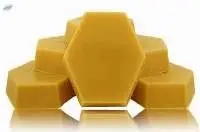
USP/EP grade Yellow Beeswax Pellet/ pearls/Prills


Specifications


Blend of beeswax with other ingredients, a match of physical and chemical property of natural beeswax, an economic substitute of natural beeswax.

Synthetic Beeswax are manufactured waxes. In cosmetics and personal care products, these waxes are used in many types of products including lipsticks, baby products, eye and facial makeup, as well as nail care, skin care, suntan, sunscreen, fragrance, and noncoloring hair preparations.

Microcrystalline Wax, Hydrogenated Vegetable Oil, Cera Alba, Hydrogenated Palm Acid, Stearyl Stearate


Usages: It is widely used in cosmetics and pharmaceuticals, fragrant candles, polish, waterproofing and to make foundation comb for beehives.

With its natural anti-bacterial properties, and high water-holding capacity, it is great for lotions, lip balms and skin care products that help retain natural skin moisture. You can also melt it down to make your own aromatic candles. Pellets make it easy to melt for whatever you need.


1. Beeswax Grade A ( Crude beeswax, beeswax in slabs, beeswax pellets)


Acid Value: 17-24 (MG KOH/g)

Saponification Value: 85-100 (mg KOH/g)

Hydrocarbon: 16-18%


2. Beeswax Grade B (Crude beeswax, beeswax in slabs, beeswax pellets)


Acid Value: 13-15 (mg KOH/g)

Saponification Value: 60-75 (mg KOH/g)

Hydrocarbon: 25-35%


Packing for Organic Beeswax board:

* 25kg/woven bags;
* 1000kg beeswax on one pallet(40 bags);
* 18 tons fulled loading in 20'ft container with pallet ;
* 20 tons fulled loading in 20'ft container without pallet

* Or we can pack it as your asked

Packing for Organic Beeswax pellts:

* 12.5kg/carton;
* 500kg beeswax on one pallet(40 cartons);
* 8 tons fulled loading in 20'ft container with pallet;
* 10 tons fulled loading in 20'ft container without pallet.

* Or we can pack it as your asked
93 Microcrystalline Wax Suppliers
Short on time? Let Microcrystalline Wax sellers contact you.
VERIFIED
Jun-07-22

Microcrystalline Wax, Chemical

$1 - $1 / Kilogram (CIF)
MOQ: Not Specified
 Inquire Now  
Microcrystalline waxes are chemically inert. The ratio of iso-paraffinic hydrocarbons and naphthenic hydrocarbons is higher for micros than for paraffin waxes.

Micro waxes can be used for chewing gum base, cosmetics, ointments where they harden, lubricate and protect against moisture, food packaging, protecting against moisture through wax impregnated paper, film, foil, and corrugated board, increasing the fluidity and the flexible bonding of hot-melt adhesives, crayons, candles and insulating materials.

For price, specification and other details please contact us.
Feb-20-17

Fully Reffiined Paraffin Wax

$5.56K
MOQ: 1000  Inches
 Inquire Now  
Available paraffin wax fully reffined
Melting point 5860 deg c ,oil 0.5%
Packing 50 kgs bag
Origin Indian
Also available paraffin wax semi reffined, bees wax, microcrystalline wax, palm wax, sealing wax, wax rings for textile mills, We are also manufacturer of wax candles, pillar candles, white candles, tealight candles.
Brand name silverlight candles
Dec-23-24
Supplier From Mumbai, Maharashtra, India
 Inquire Now  
ACT Microcrystalline wax is a consistency regulator and oil binder. It is a multicomponent blend consisting of predominantly saturated hydrocarbons. It has a significantly elevated content of iso and cyclo-alkanes. This is crucial for the microcrystalline structure, the ductility, smoothness, and the outstanding oil absorption capacity of the substances. ACT Microcrystalline wax improves stability, adds structure and hardness to lip balm sticks and other products in stick form used as beauty products, without being excessively crystalline. It is also used in creams, lotions, pharmaceutical, and cosmetic industries

ACT 5555 being one of our core products ; we are huge exporters of this product & we ensure optimal quality in every order.

ACT 5555 has a variety of applications is use for making Lip Care, Lipsticks, Decorative Cosmetics/ Beauty Products, Fango Applications/Hand Baths/ Thermal Therapy, um Base/Food Coatings/ Confectionery Dividing Agents, Pharmaceutical Jellies etc.

All of our products are lab tested for assured quality and are improvised as required by industries.

On the same line basis of ACT 5555, we have a similar product called as ACT 5552. It is Yellow in colour and has synonymous properties to ACT 5555
Sep-07-26
Supplier From India
 Inquire Now
Feb-25-26
Supplier From , China
 Inquire Now
Mar-18-26
Supplier From Shanghai, , China
 Inquire Now
VERIFIED
Oct-29-25
 Inquire Now  
Wax-coated papers and boards are treated with a layer of wax to create a barrier against moisture, grease, and other contaminants. Their specific properties vary depending on the base material, the type of wax used, and the coating method.

Key specifications
Base material
The properties of the final product are influenced by the base paper or board used, with common options including:
Kraft paper: Known for its high strength and durability, it is often used for industrial packaging and heavy-duty applications where puncture resistance is important.
Tissue paper: A thinner and lighter option used for applications like food wrapping for baked goods and confectionery.
Paperboard: A thicker, more rigid material used for packaging and containers that require structural integrity.
Wax type
The type of wax determines the product's performance characteristics, such as its melting point and flexibility.
Paraffin wax: A cost-effective, petroleum-derived wax that offers good moisture and grease resistance. It's suitable for general food packaging but melts at higher temperatures.
Microcrystalline wax: A broader, more flexible wax that offers enhanced adhesion, heat resistance, and pliability compared to paraffin wax. It is often blended with other waxes to improve performance.
Natural waxes: Environmentally-friendly, plant-based waxes that are compostable and biodegradable. Options include:
Beeswax: A natural wax that provides good stiffness and moisture resistance, often used for premium food wraps and packaging.
Soy wax: A renewable, non-toxic, and biodegradable option suitable for sustainable food packaging.
Carnauba wax: A high-gloss, durable, and water-resistant wax derived from carnauba palm leaves. It is ideal for high-end food wrapping.
Coating method
The application method affects the finished product's properties, particularly its barrier performance.
Surface-coated (dry waxed): A thin layer of wax is applied to one or both surfaces. This makes the paper water-repellent but not fully waterproof.
Impregnated (wet waxed): The paper fibers are saturated with wax, resulting in a more robust and waterproof product.
Performance characteristics
Moisture resistance: Wax coatings significantly decrease the paper's ability to absorb water. Standard tests show that wax-coated papers can absorb as little as 1.35 g/m of water compared to 23 g/m for regular kraft paper. Impregnated papers offer superior moisture protection compared to surface-coated types.

Grease resistance: The wax layer prevents oil from soaking through the paper, making it ideal for packaging greasy foods like burgers and baked goods.
Non-stick properties: Waxed paper offers a non-stick surface, which is useful for food preparation and preventing items like candy or baked goods from sticking to their packaging.
May-07-26

Microcrystalline Wax As Lubricant, 1

$1 - $1 / Ton (US) (FOB)
MOQ: Not Specified
 Inquire Now  
Microcrystalline wax can be used as a lubricant in metalworking, primarily due to the following properties:
Excellent lubricity and film-forming properties: Microcrystalline wax forms a uniform, dense protective film on metal surfaces, effectively reducing friction, minimizing tool wear, and improving machining accuracy and surface finish. .
Rust and corrosion protection: During metalworking, microcrystalline wax also acts as a rust inhibitor, blocking moisture and corrosive agents to protect workpieces and equipment.

Thermal stability and compatibility: Microcrystalline wax typically has a melting point range of 60-90C, remaining stable at most metalworking temperatures. It is also miscible with other lubricating components such as mineral oil and vegetable wax, facilitating the formulation of composite cutting fluids or greases.
Apr-24-26

Microcrystalline Wax Used For Yarn Waxing, 1

$1 - $1 / Ton (US) (FOB)
MOQ: Not Specified
 Inquire Now  
The role of microcrystalline wax in yarn coating:
Reducing friction: Microcrystalline wax possesses excellent flexibility and lubricity, forming a lubricating film on the yarn surface to reduce friction between the yarn and textile machinery, thereby lowering the yarn breakage rate.
Improving abrasion resistance: Enhances the yarn's abrasion resistance during high-speed spinning and weaving processes, extending the yarn's service life.
Improved Hand Feel: Ensures the final fabric feels softer and smoother.
Anti-static: Certain microcrystalline wax formulations can help reduce static electricity build-up during yarn production.
Apr-23-26

Microcrystalline Wax Used As Glossing Agent, 80#

$1 - $1 / Ton (US) (FOB)
MOQ: Not Specified
 Inquire Now  
Microcrystalline wax is a waxy substance refined from petroleum. It possesses characteristics such as a high melting point, excellent flexibility and good adhesion, and is widely used in various industries including rubber, electronics and electrical appliances, and packaging.
Industrial and Electronics Sectors
Rubber and Plastics Processing: In the rubber industry, it prevents surface cracking and chalking whilst enhancing wear resistance; in plastics, it optimises flow properties and anti-adhesion, and is widely used in the casings of electronic products.
Electrical and Electronic Insulation: Used as a sealant and insulating material for capacitor impregnation, battery sealing and cable insulation paper, it protects components from moisture damage.
Apr-22-26

Microcrystalline Wax For Casting, 80#

$1 - $1 / Ton (US) (FOB)
MOQ: Not Specified
 Inquire Now  
Main applications of microcrystalline wax in casting:
â??As a component of wax patterns: Microcrystalline wax is commonly used in the formulation of precision casting wax compounds. It is blended in specific proportions with paraffin, resins, natural waxes and other materials to enhance the flexibility, resistance to deformation, surface finish and dimensional stability of the wax patterns.
Suitable for high-precision castings: Widely used in fields with high demands for surface quality and dimensional accuracy, such as aeroengine blades, medical devices, automotive components and jewellery.
Improved demoulding performance: Microcrystalline waxâ??s low-temperature plasticity and high-temperature stability facilitate the precise forming of wax patterns within complex moulds and help maintain their shape during the pouring process.
Reduced post-processing: Castings produced using microcrystalline wax have a smooth, fine surface finish and typically require no additional polishing.
Apr-21-26

Microcrystalline Wax Used For Scented Candles, 80#

$1 - $1 / Ton (US) (FOB)
MOQ: Not Specified
 Inquire Now  
The key role of microcrystalline wax in scented candles
Enhanced hardness and thermal stability: Microcrystalline wax significantly improves the structural strength of candles, preventing deformation or collapsing at high temperatures, making it particularly suitable for large-capacity or intricately shaped candles.
Reduced Shrinkage and Prevention of Cup Separation: Its low shrinkage rate helps the candle adhere closely to the inner walls of the container during cooling, preventing the cup separation phenomenon.
Improved Surface Gloss and Texture: It makes the candle surface smoother and finer, enhancing its visual appeal.
Enhanced flexibility and ductility: Particularly suitable for DIY projects, as it reduces the risk of cracking and facilitates the addition of decorations such as dried flowers and colourants.
Apr-17-26

Microcrystalline Wax Used For Shoe Polish, 80#

$1 - $1 / Ton (US) (FOB)
MOQ: Not Specified
 Inquire Now  
Microcrystalline wax is a key ingredient in the production of high-quality shoe polish; it makes the polish easier to apply, ensures a long-lasting shine, and enhances the leatherâ??s water-repellent and stain-resistant properties.
It serves the following primary functions in the manufacturing of shoe polish:
Formulation and stabilisation: Microcrystalline wax has excellent oil-absorbing properties, enabling it to â??lock inâ?? the various oils and solvents within the shoe polish, forming a uniform and stable paste that prevents the separation of oils during storage.
Enhancing shine and durability: With its fine crystalline structure, it generates a shine easily through friction and forms a tough, translucent protective film on the surface of leather shoes, making them shine more with each polish. At the same time, this wax film provides effective water and stain resistance.
Apr-16-26

Microcrystalline Wax Used For Waterproof, 80#

$1 - $1 / Ton (US) (FOB)
MOQ: Not Specified
 Inquire Now  
Microcrystalline wax is a highly effective waterproof and moisture-resistant material, owing primarily to its chemical stability, strong water-repellency, good flexibility and excellent adhesion.
It has a wide range of industrial applications, primarily in the following areas:
Flooring and building materials: Used as a waterproof sealing layer for laminate flooring, it penetrates the surface of the material to form a waterproof barrier whilst preventing the release of harmful substances from the flooring. It is also used as a waterproof coating for corrugated cardboard boxes.
Premium packaging: It is used as a waterproof layer in packaging boxes for tobacco, alcohol and cosmetics, providing dual waterproofing to prevent the packaging from becoming damp, softening and losing strength.
Other industrial products: It is used as an ingredient in rust inhibitors, candles and polishes, utilising its stability and water resistance to provide sealing, protection and a glossy finish.
Apr-15-26

Microcrystalline Wax 80 Used In Coating, 80#

$1 - $1 / Ton (US) (FOB)
MOQ: Not Specified
 Inquire Now  
In the ink and coatings industry, microcrystalline wax is primarily used as an abrasion inhibitor, scratch-resistant agent and touch modifier, whilst also improving the formability of products.
Abrasion and scratch resistance: After printing, the wax floats to the surface of the ink film to form a lubricating protective layer; this is one of its most important functions.
Anti-adhesion and Slip: It prevents printed materials from sticking together when stacked and enhances slip, facilitating post-press processes such as cutting and stacking.
Printability: In offset printing, it reduces ink viscosity, effectively minimising paper fuzzing and powdering, thereby improving printing efficiency.
Scratch Resistance: Particularly suitable for applications requiring high abrasion resistance, such as scratch-off inks used on airline tickets, lottery tickets and other prize-winning scratch-off products.
Jan-05-26

Microcrystalline Wax Used For Sealant, 1

$1 - $1 / Ton (US) (FOB)
MOQ: Not Specified
 Inquire Now  
The primary functions of microcrystalline wax in sealants:
Anti-adhesion and stain resistance:
Surface protection: Forms an extremely thin, transparent wax film on the surface of cured sealants (such as silicone or polyurethane sealants).
Contamination Prevention: This wax film effectively prevents contaminants such as construction site dust, cement slurry, and paint splatter from adhering to the uncured sealant surface, maintaining the joint's aesthetic appearance and cleanliness.
Ease of Cleaning: Even if contaminants do adhere, they are significantly easier to wipe away.
Controlling the Curing Process:
For certain moisture-curing sealants (such as single-component silicone sealants and polyurethane sealants), the microcrystalline wax film on the surface can moderately slow the rate at which the top layer comes into contact with atmospheric moisture.
Prevents skin formation: Avoids premature surface hardening that leaves the interior liquid, ensuring uniform and complete curing from the inside out. This delivers superior overall performance.
Jan-30-26

Microcrystalline Wax Used For Additive, 1

$1 - $1 / Ton (US) (FOB)
MOQ: Not Specified
 Inquire Now  
Superior lubricating properties
Internal lubrication: Microcrystalline wax molecules disperse between polymer chains in the melt, reducing intermolecular friction and thereby lowering melt viscosity. This facilitates smoother processing, conserves energy, and minimises equipment wear.
External lubrication: Microcrystalline wax migrates to the interface between the melt and processing equipment, forming a lubricating film that prevents melt adhesion to metal surfaces.
Improved demoulding properties
This is a direct manifestation of external lubrication. In processes such as injection moulding, extrusion, and calendering, it significantly enhances the efficiency of part ejection from moulds, reduces demoulding defects, increases production efficiency, and extends mould service life.
Oct-14-25

Micronized Wax Serves As Lubricant, 1

$1 - $1 / Ton (US) (FOB)
MOQ: Not Specified
 Inquire Now  
In industrial applications, micronized wax is commonly used as a lubricant and release agent, offering benefits such as reduced friction, extended service life, and improved surface smoothness.
Lubricant Applications
Plastic Processing: Polyethylene wax reduces the viscosity of plastic melts, enhancing flowability while acting as a lubricant to minimize friction during processing. It is suitable for injection molding, blow molding, and similar techniques.
Ink Printing: Spherical microcrystalline polyethylene wax improves ink lubricity, reduces friction on paper or mold surfaces during printing, and enhances print clarity and color vibrancy.

High-Temperature Lubrication: PTFE micro powder wax maintains stability in high-temperature environments, making it suitable for high-temperature spinning masterbatch manufacturing and specialty lubricant formulations.
Release Agent Applications
Mold Release: Micropowder waxes can be used directly as release agents, such as coating mold surfaces during plastic molding to reduce adhesion and facilitate smooth part ejection.
Powder Coatings: Incorporated into powder coatings to enhance surface slip, reduce friction, and simultaneously improve abrasion resistance and chemical corrosion resistance.
Nov-23-11
Supplier From Guangzhou, Guangdong Province, Grenada
 Inquire Now  
Light yellow solids with minute microcrystal,good permeability, adhesiveness, flexibility and
humidity resistance,as well as insulativity.

Widely applied for electric,glazing,packaging and casting industries,etc.

Item Specification
Grade 70# 80#
Melting point 67 – 72 77 – 82
Needle Penetration 1/10 mm (25'C, 100g) 10-30 10-20
Oil content, % (m/m) ,Max 2.0 2.0
Colour, Lovibond ,Min 3.0 3.0
Viscosity (100°c), mm²/s ,Min6 10-20
Water-soluble Acids & Alkies Nil Nil

50KGS slabs,packed in bags
20'FCL LOAD:20MT,400 bags.
Nov-22-05
 Inquire Now  
Micro wax
We are in strong position to sell microcrystalline wax with quality as follows:
Drop melting point:76.7-87.8deg. C
Saybolt color: +15 min
Oil content:1.0 max
Needle penetration:15 max
Polynuclear aromatic hydrocarbons: pass (fda 172.886)

In 25kgs/50kgs pp or pe woven bags, cartons.
Dec-29-25

Microcrystalline Wax Used For Paper, 1

$1 - $1 / Ton (US) (FOB)
MOQ: Not Specified
Supplier From Tianjin, , China
 Inquire Now  
Microcrystalline wax is employed in packaging paper primarily for the following purposes:
Exceptional moisture and water barrier properties: It effectively prevents the penetration of water vapour and liquid water, safeguarding contents from dampness. This constitutes its core function.
Enhanced gloss and aesthetic appeal: It imparts a lustrous finish to the packaging paper surface, elevating the perceived quality of the product's appearance.
Enhanced abrasion resistance and durability: The wax coating increases the mechanical strength of the paper surface, reducing wear during transportation and handling.
Typical application areas include:
Industrial packaging
Rust-proof packaging paper for metal products
Moisture-proof inner liners for fertilisers and chemical products
Sealing layer for composite paper cans.
Dec-25-25

Microcrystalline Wax 80# Used For Textile, 1

$1 - $1 / Ton (US) (FOB)
MOQ: Not Specified
Supplier From Tianjin, , China
 Inquire Now  
Microcrystalline wax serves primarily as a functional additive in the textile and leather sectors, enhancing materials' physical properties and durability.
Within the textile industry, microcrystalline wax is frequently employed in yarn sizing to improve fabric softness and water resistance while bolstering lightfastness. It forms a protective layer between fibres, reducing friction and enhancing processing smoothness and the finished product's hand feel.
In leather processing, microcrystalline wax serves as a coating or additive to fill micro-cracks on the leather surface, restoring material tactility while enhancing water resistance, abrasion resistance, and scratch resistance. For instance, in suede restoration, it extends the leather's service life.
Furthermore, microcrystalline wax's elasticity, adhesion, and waterproofing properties render it suitable for textile coatings and leather care products, enhancing lustre and overall durability.
Jun-03-24
 Inquire Now  
Purpose
Aluminum foil gasket wax is a specialized product used in various industries for sealing and protecting surfaces. It is composed of a combination of waxes and additives, specifically formulated to provide a strong adhesive bond between surfaces. The aluminum foil layer adds an extra layer of protection and insulation.

They are widely used for bottle sealing in industries such as medicine, health products, food, cosmetics, etc. The aluminum foil gasket is composed of an aluminum foil composite layer, a wax layer, and a cardboard paper layer. Aluminum Foil Gasket Wax is a good gasket bonding material.

Performance
This product is made of high-quality microcrystalline wax and blended with modified additives. It has the characteristics of high temperature resistance, easy operation, and no odor.

Packaging
This product is in block form, packaged in cardboard boxes, with a net weight of 20kg.

Storage
Store in a ventilated and dry place below 30â?? .
Quality guarantee period36 months

Notes
1. This product is suitable for use in finished aluminum foil gaskets at an ambient temperature of 5-55.
2. The recommended operating temperature for the wax tray is 105 degrees.
3. The amount of wax applied per square meter should be controlled between 15-22g.

How does Induction Heat Seal work?

Induction heat sealing operates by utilizing a heat sealing machine to seal liners. The process involves the emission of an electromagnetic field through the induction coil of the heat-sensing device, inducing eddy currents in the coil, which in turn generate heat within the aluminum foil. The heat causes the wax layer above the aluminum foil to melt, allowing it to be absorbed by the pulp board backing. As the wax is absorbed, the aluminum foil separates from the pulp board.

The conductive aluminum foil is heated through the eddy currents induced by the coil. The heated foil melts the thin layer of wax, which then gets absorbed into the pulp board. Once the wax is absorbed, the foil detaches from the pulp board. Simultaneously, the polymer on the underside of the foil, in contact with the container, begins to melt. It flows down, solidifies, and adheres to the bottle, forming a secure seal.
Jun-25-23
 Inquire Now  
All kinds of microcrystallin wax provided.Welcome to contact by email through lilytian916atformail.com

NO.70/75/80/85/90 Microcrystalline Wax
Jul-29-25
 Inquire Now  
We supply microcrystalline wax from China,Korea,Thailand and so on.

Advantages:
1)High melting point and thermal stability for high-temperature applications.
2)Excellent water resistance for protection.
3)Chemically inert for safety and stability.
4)Highly blendable for versatile formulations.

Applications:
1)Used in lipsticks, creams, and lotions for thickening and moisturizing.
2)Used in rust prevention, cable insulation, and precision instrument lubrication.
3)Enhances candle hardness, burn time, and gloss.
4)Used in polishes to protect surfaces and enhance shine.
Nov-22-24
 Inquire Now  
WJWAX can produce and provide Vaseline specific microcrystalline wax with high cost-effectiveness, and can provide sample testing. We are a professional manufacturer of special wax, established in 2000, and can customize micro wax parameters according to customer requirements.

Microcrystalline wax is a type of wax that is derived from petroleum. It is a white or yellowish, odorless, and tasteless wax that is made from a mixture of hydrocarbons. Micro wax is non-toxic and does not impart any flavor or aroma to Vaseline. It is also highly resistant to moisture and oxygen, which makes it an ideal material for Vaseline. This wax contributes significantly to Vaseline's formulation and benefits:

Moisturization: Microcrystalline wax aids Vaseline in creating a protective seal on the skin, locking in moisture and preventing dehydration. This quality makes Vaseline an effective emollient, particularly for dry and damaged skin, promoting hydration and aiding in skin recovery.

Texture Enhancement: It is pivotal in determining Vaseline's texture and consistency. It ensures Vaseline has a smooth, spreadable texture, facilitating easy application and ensuring uniform coverage on the skin.

Barrier Function: The presence of micro wax enhances Vaseline's barrier properties, forming a protective shield that helps prevent water loss from the skin (TEWL). This barrier not only retains moisture but also shields the skin from external irritants, making Vaseline an excellent protective balm.

Stability: It contributes to the stability and longevity of Vaseline. It aids in maintaining the product's homogeneity, texture, and effectiveness over time, ensuring that Vaseline remains reliable and safe for use throughout its shelf life.

Skin Protection: By incorporating microcrystalline wax, Vaseline offers a layer of defense for the skin, safeguarding it against harsh environmental conditions like cold weather, wind, and dry air. This protective barrier helps to soothe and alleviate dry, irritated skin, establishing Vaseline as a versatile skincare remedy.

In summary, Micro wax is a key component in Vaseline, providing its smooth texture and stability. It enhances the product's ability to lock in moisture, creating a protective barrier on the skin. This wax's fine crystal structure allows for better flexibility and adherence, making Vaseline effective for skin care.
Dec-08-25
Supplier From Dubai, Emirate of Dubai, United Arab Emirates
 Inquire Now  
Experience one of the world's best-selling and most trusted microcrystalline waxes. MC-35 delivers exceptional purity, smooth texture, and superior binding strength making it the preferred choice across cosmetics, pharmaceuticals, adhesives, rubber, and premium candle production. With its ideal melting range and low oil content, this grade provides consistent performance, brilliant stability, and outstanding versatility for manufacturers seeking top-quality results.

Unlock the power of a globally demanded wax choose MC-35 Premium Microcrystalline Wax for reliable, high-value performance.
May-28-12
 Inquire Now  
We can supply whole range of paraffin wax and micro wax made in China with high quality and competitive price.

Micro wax No.70/Micro wax No.80/Micro wax No.85/Micro wax No.90 Micro wax LMP/Micro wax MMP/Micro wax HMP/Micro wax W445/Micro wax 1080

For Microcrystalline wax, specifications are as follows: Drop melting point:76.7-87.8deg. C Saybolt color: +15 min Oil content:1.0 max Needle penetration:15.


Bag, carton or palletization.
Dec-26-25

Microcrystalline Wax With Melting Point 80, 1

$1 - $1 / Ton (US) (FOB)
MOQ: Not Specified
 Inquire Now  
Microcrystalline wax serves as a highly significant and versatile modifying additive in candle manufacturing.
Enhances structural strength and heat resistance: Possessing a resilient texture and high viscosity, its incorporation markedly improves a candle's resistance to bending and deformation, particularly in elevated temperature environments.
Improving surface lustre and texture: Microcrystalline wax imparts a fine, oily sheen to candle surfaces, elevating perceived quality and delivering a smoother tactile feel.
Enhancing Flexibility and Crack Prevention: Pure paraffin wax, particularly high-melting-point varieties, tends to shrink and crack during cooling. Incorporating microcrystalline wax increases the wax body's flexibility and adhesion, effectively reducing or eliminating surface cracks, hollow bases, and gaps between the candle and container walls.
Jan-06-26

Microcrystalline Wax Used For Mould Lubricant, 1

$1 - $1 / Ton (US) (FOB)
MOQ: Not Specified
 Inquire Now  
Microcrystalline wax offers core advantages as a mould lubricant: Firstly, its excellent heat resistance and lubricity enable it to form a stable film during high-temperature injection moulding or die casting, reducing friction between the mould and moulded material, preventing sticking, and enhancing demoulding efficiency. Secondly, its good adhesion and film-forming properties ensure uniform coverage of the mould surface, providing sustained lubrication even within complex geometries and reducing mould wear. Furthermore, its high gel strength and crack resistance help maintain structural integrity during repeated thermal cycles, extending mould service life.
In practical applications, microcrystalline wax is commonly employed as a pure product or in compound form: For instance, in rubber or plastic moulds, it may serve directly as a release agent or be blended with paraffin wax to enhance the latter's flexibility; in metal die casting, its lubricating properties reduce surface defects and improve product finish.
Oct-12-17
Supplier From Mumbai, Maharashtra, India
 Inquire Now  
We are traders and distributers of Microcrystalline Wax. The Microcrystalline wax we supply is in form of slabs. The colour of the product is White. We source the product from well established manufacturer. All our products are of best quality and we ensure our customers are satisfied with the product and services we provide.
Jul-10-20
 Inquire Now  
Bowstring Wax Line&Guard Line
Bowstring wax line, bowstring line and string guard line produced by UHMWPE fiber (PE super fiber is the first of the three super fibers in the world at present)

Bowstring wax line: it is made of ultra-high molecular modulus polyethylene fiber, single filament twisting with no disperse, imported microcrystalline wax and honey wax, and the line body is soft and slightly sticky.
Features:
1. Low density of bowstring: 0.96, lighter than water;

2. Cutting resistance, average thermal stability, when 145 C ,it will melt;

3. The surface is smooth, the friction coefficient is low, and it is not easy to fluff;

4. Elongation at break: 3.5%, better bending fatigue than aramid;

5. Strong corrosion resistance;

6. Outstanding radiation resistance, stable under UV

7. Products with insulation, excellent flexibility, light weight, excellent anti-aging, duration, cutting resistance, tensile strength and low elongation.
Jun-30-25

Microcrystalline Wax For Insulation, 1

$1 - $1 / Ton (US) (FOB)
MOQ: Not Specified
 Inquire Now  
The application of microcrystalline wax in insulation is mainly in the electronic industry as a sealant and insulating material for electronic components. Microcrystalline wax has good insulating properties and stability, can protect electronic components from moisture and dust erosion, provide electrical insulation and barrier properties.
Specific applications of microcrystalline wax in the electronics industry
Sealant: Microcrystalline wax can be used as a sealant for electronic components to prevent moisture and dust from entering and protect the stable operation of electronic components.
Insulating material: In the manufacturing process of electronic products, microcrystalline wax can be used as an insulating material to provide electrical insulation and barrier performance to ensure the normal operation and prolong the service life of electronic equipment.
Aug-19-25

Microcrystalline Wax For Electronic Industry, 1

$1 - $1 / Ton (US) (FOB)
MOQ: Not Specified
 Inquire Now  
Microcrystalline wax is mainly used in the electronics industry for the following purposes:
Electronic insulation materials
Microcrystalline wax has excellent insulation properties and is often used as a packaging material and coating agent for electronic devices, which can protect electronic components from moisture and dust erosion.
Electronic component sealing
Its heat resistance and stability make it a sealing material for electronic components, such as batteries, capacitors, and other devices.
Electronic product casing and packaging
Microcrystalline wax is commonly used in the manufacture of electronic product casings such as phone cases and headphone covers, as well as packaging materials such as food packaging paper boxes and paper containers. It has waterproof, moisture-proof, and oil resistant properties.
Precision component lubrication
In the manufacturing of precision bearings, medical devices, and other components, microcrystalline wax as a lubricant can reduce friction and improve equipment operating efficiency.
Aug-15-25

High Quality Microcrystalline Wax For Polishing, 1

$1 - $1 / Ton (US) (FOB)
MOQ: Not Specified
 Inquire Now  
Microcrystalline wax is primarily used for non-damaging metal surface polishing. Its core advantage lies in its ability to penetrate the micro-textures of metal surfaces with its fine particles for polishing, while also providing filling, cleaning, and rust-preventing functions.
Polishing Characteristics
Microcrystalline wax particles are typically micron-sized, capable of filling in microscopic grooves on metal surfaces to enhance gloss and smoothness. Its non-damaging properties prevent the scratches or deformation issues caused by traditional polishing methods, making it particularly suitable for precision metal products (such as automotive components and jewellery).
Applications
Automotive industry: Repairing body scratches and maintaining body gloss.
Home appliances: Polishing stainless steel kitchenware and bathroom fixtures. Jewellery: Enhancing the gloss of gold and silver jewellery.
Industrial applications: Surface treatment of mechanical parts.
Jan-27-26

Ope Wax Used For Leather Processing, 1

$1 - $1 / Ton (US) (FOB)
MOQ: Not Specified
 Inquire Now  
Oxidized polyethylene wax serves as a vital auxiliary agent in leather processing, primarily employed during the finishing stage to enhance the material's overall properties.
Improved Hand Feel: OPE wax emulsion imparts a range of superior tactile qualities to leather, including silky smoothness, dry slipperiness, or oily smoothness, thereby elevating its sensory appeal.
Enhanced Gloss and Hardness: Compared to traditional paraffin or microcrystalline waxes, the film formed by OPE wax exhibits superior gloss, greater density, and enhanced hardness, lending the leather surface a more premium appearance.
â??Providing Excellent Protective Properties: OPE wax possesses water-repellent, oil-resistant, and anti-adhesive characteristics. It effectively shields leather from stains and moisture damage while improving its durability.
Dec-02-24

Microcrystalline Wax For Wax Emulsion

$1.40K
MOQ: Not Specified
 Inquire Now  
Microcrystalline wax emulsions find diverse applications in industries such as coatings, textiles, and cosmetics. They serve as protective coatings for surfaces, additives to improve texture in textiles, and ingredients in skincare products. The emulsions offer water resistance, durability, and texture enhancement in various formulations.

WJWAX can provide 100% pure microcrystalline wax. If you need wax for wax lotion, you can contact us at any time for samples.

Micro wax is commonly used in the formulation of wax emulsions due to its unique properties that make it suitable for emulsification processes. Here are some reasons why microcrystalline wax is often chosen for wax emulsions:

1. **Emulsifying Agent:** Micro wax can act as an effective emulsifying agent, helping to stabilize the emulsion and prevent the separation of oil and water phases. Its structure and composition enable it to form stable emulsions with proper formulation.

2. **Texture and Consistency:** Wax contributes to the texture and consistency of wax emulsions. It helps provide a smooth and uniform texture to the emulsion, making it easier to apply and ensuring even coverage on surfaces.

3. **Thermal Stability:** Wax offers good thermal stability, which is important for wax emulsions that may be subjected to varying temperatures during storage and application. This stability helps maintain the integrity of the emulsion over time.

4. **Water Resistance:** Microcrystalline wax is known for its water-resistant properties, which can be beneficial in wax emulsions intended for applications where water repellency is desired, such as in coatings and polishes.

5. **Durability:** The durability of microcrystalline wax makes it a suitable choice for wax emulsions that need to provide long-lasting protection or effects on surfaces. It can enhance the durability and performance of the emulsion.

Overall, microcrystalline wax is a versatile ingredient in wax emulsions, offering emulsifying properties, texture enhancement, thermal stability, water resistance, and durability. Its presence in wax emulsions helps ensure that the product is effective, stable, and provides the desired benefits when applied to various surfaces or materials.
Jan-20-25
 Inquire Now  
FT wax 80#, 90#, 105#, 110#, 115# are common models used for hot melt adhesives. Fischer-Tropsch wax for hot melt adhesives offers superior thermal stability, consistent viscosity, and excellent adhesion properties. In comparison, microcrystalline wax provides flexibility and water resistance. FT wax excels in performance under high temperatures and ensures strong and durable bonds in various applications.

Fischer-Tropsch wax, a synthetic wax derived from the Fischer-Tropsch process, has gained popularity in various industries, including the adhesive industry. Specifically, Fischer-Tropsch wax is commonly used in hot melt adhesives due to its unique properties and benefits.

**1. Excellent Thermal Stability:** FT wax exhibits remarkable thermal stability, making it an ideal ingredient for hot melt adhesives. It can withstand high temperatures without losing its structural integrity, ensuring the adhesive maintains its performance even in demanding applications.

**2. Consistent Viscosity:** The wax's consistent viscosity profile contributes to the stable flow properties of hot melt adhesives. This quality allows for precise application and bonding, leading to improved product quality and production efficiency.

**3. Adhesion and Cohesion:** FT wax enhances the adhesion and cohesion properties of hot melt adhesives. It promotes strong bonding between substrates while also improving the adhesive's internal strength, resulting in durable and long-lasting bonds.

**4. Low Odor and Color:** It is known for its low odor and color, which is advantageous in applications where aesthetics and sensory factors are important. It ensures that the adhesive does not impact the appearance or scent of the final product.

**5. Compatibility:** FT wax exhibits good compatibility with a wide range of polymers and additives commonly used in hot melt adhesive formulations. This compatibility enhances the overall stability and performance of the adhesive.

**6. Environmental Friendliness:** FT wax is considered environmentally friendly due to its biodegradability and non-toxic nature. Using this wax in hot melt adhesives aligns with sustainability goals and reduces the environmental impact of the adhesive products.

**7. Improved Processability:** The properties of Fischer-Tropsch wax contribute to the improved processability of hot melt adhesives. It facilitates easier handling, application, and production of adhesives, leading to enhanced manufacturing efficiency.

In conclusion, Fischer-Tropsch wax is a valuable component in hot melt adhesive formulations, offering a combination of thermal stability, consistency, adhesion properties, compatibility, and environmental advantages. Its use in hot melt adhesives contributes to the development of high-performance adhesives that meet the demanding requirements of various industries while also supporting sustainability initiatives.
Dec-20-23
 Inquire Now  
Here are the key points about food grade microcrystalline wax:

Composition: Refined from petroleum, it is a mixture of straight-chain saturated hydrocarbons primarily in the C30-C50 range.

Properties: Solid at room temperature, melts between 135-145�°F to a clear colorless liquid. Hydrophobic.

Applications: Used as a component in foods like cheeses, meats, desserts where it migrates to the surface to form a moisture/gas barrier. Also in confectionery coatings, chewing gum bases, pharmaceutical tablets.

Regulations: Must meet FDA food additive regulations in 21 CFR 172.886. Limited amounts of PAHs, heavy metals and other contaminants.

Processing: Can be mixed into formulations as a binder and film former. Sets to a glossy, tasteless/odorless protective coating.

Benefits: Provides effective moisture and grease resistance. Insoluble and non-digestible if ingested.

Safety: Generally recognized as safe for indirect food use due to its fatty acid composition and resistance to absorption.

Alternatives: Natural waxes with similar properties but microcrystalline wax is very affordable for its performance.

So in summary, it is a versatile petroleum-derived wax for numerous moisture barrier applications in foods and supplements.
Nov-27-23
 Inquire Now  
The melting point range of SASOLWAX S682 is between 62 and 66, with a needle penetration of 44 (1/10mm) and a kinematic viscosity of 10 (mm²/ s) . This model is very similar to China's microcrystalline wax 70#, with a drop melting point of 70.2, a penetration rate of 21.4 (1/10mm), and a kinematic viscosity of approximately 7 (mm²/s). Because microcrystalline wax in China belongs to hard wax, the penetration may be slightly lower. If you are looking for a similar product to this SASOLWAX S682 micro wax, you can contact us. For example, you can use 70 # microwax in jar candles to improve candle performance.


Microcrystalline wax is a waxy substance that is solid at room temperature and has a high melting point. It is made up of long-chain hydrocarbons and is derived from crude oil or natural gas. Microwax is often used in various industrial and cosmetic applications, such as in the production of candles, cosmetics, and polishes.

Microwax is different from other types of wax because of its unique properties, such as its high melting point, low viscosity, and good hardness. These properties make it useful in applications where a wax with a high melting point and good hardness is required.

In addition to its industrial and cosmetic uses, microcrystalline wax is also used in the food industry as a coating for fruits and vegetables to extend their shelf life. It is also used in the pharmaceutical industry as a binder and coating agent for tablets and capsules.


What are the common types of microcrystalline wax produced by Germany's Sasol?
Sasolwax 682, Sasolwax 3971, Sasolwax 2528, Sasolwax 1365.

Which is better, Sasol or Chinese microcrystalline wax?
The main focus is on the application scenarios of the product, there is no best, only the most appropriate. Because the properties of microcrystalline waxes are similar.
Sep-22-25

Microcrystalline Wax 160S For Candle, 1

$1 - $1 / Ton (US) (FOB)
MOQ: Not Specified
 Inquire Now  
Microcrystalline wax has the following primary applications in candle making:
Improving Texture and Performance
Microcrystalline wax enhances candle hardness and surface smoothness while improving flexibility and extensibility, preventing cracking or deformation. For instance, adding hard microcrystalline wax increases paraffin's hardness and gloss, while soft microcrystalline wax is suitable for soft waxes like beeswax, improving demolding and reducing bubbles. â??
Enhancing Adhesion and Stability
Microcrystalline wax blends well with various waxes (e.g., soy wax, paraffin). By adjusting the melting point (e.g., using food-grade microcrystalline wax with a melting point below 60�°C), it improves the adhesion of essential oils or decorative materials while reducing white streaks and cup separation issues.
Extended Burn Time
Candles containing microcrystalline wax burn more stably, resist dripping or black soot, and exhibit higher combustion efficiency.
Dec-30-25

Microcrystalline Wax Used For Rustproofing, 1

$1 - $1 / Ton (US) (FOB)
MOQ: Not Specified
Supplier From Tianjin, , China
 Inquire Now  
The rust-preventive mechanism and advantages of microcrystalline wax lie in its high molecular weight structure and adhesive properties. Its chemical composition, featuring long-chain naphthenic hydrocarbons, enables thorough wetting of metal surfaces upon melting. Upon cooling and solidification, it forms a continuous, resilient film that effectively blocks environmental moisture and electrolytes; Furthermore, microcrystalline wax exhibits superior gel strength and adhesion compared to ordinary paraffin wax, enhancing the coating's resistance to wear and peeling. This makes it particularly suitable for protecting metal components in dynamic or vibrating environments.
â??Specific applications include rust prevention for metal products, thickening industrial greases, and rubber protection.â?? For example:
Direct application as a short-term rust-preventive coating or impregnation treatment for metal products;
As a thickening agent in greases to enhance sealing properties and weather resistance;
Preventing surface chalking and cracking in rubber goods, thereby indirectly aiding rust prevention.
Jan-24-24
 Inquire Now  
WJWAX offers Livestock&Poultry Defeathering wax (Abbreviated as Duck wax), which is green, non-toxic, and completely devoid of rosin. Duck wax can be used for plucking and hair removal of poultry such as chickens, ducks, geese, rabbits, etc.

This poultry wax has the advantages of no irritating odor, low melting point (58-62 â??), low loss rate, strong adhesion, high hair removal rate, and can be reused.

"Duck wax" refers to a type of wax that is used in the process of plucking the plumelets (down feathers) of poultry, particularly ducks. It is a specialized wax that helps facilitate the removal of small feathers during the feather plucking process. When heated, the wax is applied to the bird's skin, and as it cools and solidifies, it adheres to the plumelets. This allows for easier and more efficient removal of the feathers, minimizing damage to the bird's skin.

The wax acts as a temporary adhesive, providing a grip on the feathers, making them easier to pull out without causing excessive pain or discomfort to the bird. After plucking, the solidified wax and feathers are typically removed together, leaving the bird's skin clean and ready for further processing.

Duck wax is specifically formulated for this purpose and is often made from a blend of waxes, including paraffin wax, microcrystalline wax, and other additives that provide the desired properties of adhesion, flexibility, and easy removal.


What is the composition of poultry hair removal wax?
Poultry wax is composed of paraffin wax, soft wax, microcrystalline wax, and various additives that meet hygiene standards such as viscosity enhancers, viscosity regulators, fluxes, antioxidants, etc. are added during the manufacturing process. It has the characteristics of no irritating odor, low melting point, low loss rate, strong adhesion, high hair removal rate, and can be reused.

The application of Duck wax?
Duck wax is a new product developed to assist in shedding small hairs during poultry slaughter. It replaces rosin hair removal and is suitable for removing hair from duck, goose, and pig scalp.
Nov-23-23

Microcrystalline Wax For Jar/cup Candles

$1.58K
MOQ: Not Specified
Supplier From Jingmen City, Hubei, China
 Inquire Now  
Microcrystalline wax is flexible and relatively sticky which makes it an amazing additive for jar candles as it helps in increasing the surface adhesion of the wax. This wax also provides a soft and smooth texture to Fully Refined Paraffin wax, giving the candle a very Premium Look and texture (Giving the candles a great snowflake effect).


Microcrystalline wax is an excellent choice for crafting jar and cup candles due to its unique properties and benefits. When making jar candles, micro wax is usually mixed with paraffin wax, palm wax, and soy wax to improve the performance of the candles. Here's why microcrystalline wax is widely used in the production of these types of candles.

1. Adhesion: Micro wax has a higher melting point compared to other waxes, making it ideal for cup candles. Its adhesive properties allow it to stick to the sides of the container, ensuring that the wax adheres securely during the burning process. This reduces the likelihood of tunneling and uneven burning, resulting in a more efficient and aesthetically pleasing candle.

2. Flexibility: It offers flexibility, allowing the candle to maintain its shape even when exposed to varying temperatures. This is particularly important for jar and cup candles, as they are often subjected to temperature changes when moved or placed in different environments. The wax's flexibility helps prevent cracking or breaking, ensuring the structural integrity of the candle.

3. Scent Retention: It has a high fragrance-holding capacity, making it an excellent choice for scented jar candles. It effectively captures and retains the fragrance oils, allowing the candle to release a pleasant aroma when burned. This makes it a popular option for creating aromatic candles that fill the room with delightful scents.

4. Stability: Microcrystalline wax exhibits excellent stability, both during the candle-making process and while the candle is being used. It has a low shrinkage rate, which helps minimize the formation of unsightly sinkholes or air pockets in the candle. The wax also has good resistance to blooming (the development of a white, powdery film), ensuring that the candle maintains its smooth and polished appearance.

5. Longer Burn Time: Due to its higher density and melting point, microcrystalline wax offers a longer burn time compared to other waxes. This means that jar candles made with micro wax can burn for extended periods, allowing users to enjoy their candles for longer durations before needing to replace them.
Jun-27-23
 Inquire Now  
Sasolwax 3971 Microcrystalline Waxes are a popular micro wax product in the current market. Its DROP MELTING POINT is between 78-84 centigrade, oil content is between 0-2%, NEEDLE PENETRATION is between 25-33, and kinematic viscosity is between 12-16. The NO.80 microcrystalline wax produced by WJWAX company is a good and similar product, it has similar physicochemical indicators. You can refer to it carefully.

NO.80 Microcrystalline wax is a type of wax that is derived from petroleum and is widely used in various industries. It is a refined and purified form of paraffin wax, which is obtained from crude oil. Microcrystalline wax has unique properties that make it highly useful in many applications.

Properties of Sasolwax 3971 Microcrystalline Wax:

1. High melting point: Microcrystalline wax has a higher melting point(77-82centigrade) than paraffin wax, which makes it more suitable for applications where higher temperatures are involved.

2. High viscosity: Microcrystalline wax has a higher viscosity than paraffin wax. This property makes it an excellent binder and adhesive in many applications.

3. High flexibility: Microcrystalline wax is more flexible than paraffin wax, which makes it ideal for use in products that require flexibility, such as rubber and plastic.

4. Water resistance: Microcrystalline wax is highly water-resistant, making it an ideal material for use in products that are exposed to water, such as candles and cosmetics.

Applications of Sasolwax 3971 Microcrystalline Wax:

1. Cosmetics: Microcrystalline wax is widely used in the production of cosmetics, such as lipsticks, lotions, and creams. It is used as a thickener and emulsifier in these products.

2. Candles: Microcrystalline wax is commonly used in the production of candles. It is added to the wax mixture to increase the hardness and melting point of the candle.

3. Rubber and Plastics: Microcrystalline wax is used as a plasticizer in the production of rubber and plastic products. It enhances the flexibility and durability of these products.

4. Food Packaging: Microcrystalline wax is used as a coating material for food packaging. It provides a barrier against moisture and helps to preserve the freshness of the food.

5. Pharmaceuticals: Microcrystalline wax is used as a binder and coating material in the production of pharmaceuticals. It helps to control the release of active ingredients in the medication.


If you need to purchase Sasolwax 3971, you can consider NO.80 Microcrystalline wax with the same product property. Of course, the test is very necessary. We can also provide free samples to send. If you don't know anything, you can contact me at any time. For who I am, please refer to the following introduction of the author.
93 Microcrystalline Wax Suppliers
Short on time? Let Microcrystalline Wax sellers contact you.
See what buyers and suppliers are discussing in Microcrystalline Wax import export community