

Fashion underwear, jeans and knitwear.
Cotton sweaters, wool sweaters, crochet sweaters, cotton skirts, woolen skirts leather jackets, leather pants, fitness fashion, bio jewellery, economies, shirts and T-shirts.
Women's apparel, women's fashion, female garment, t shirts, dresses, skirts, cardigans, coats, jackets, blouses, etc..
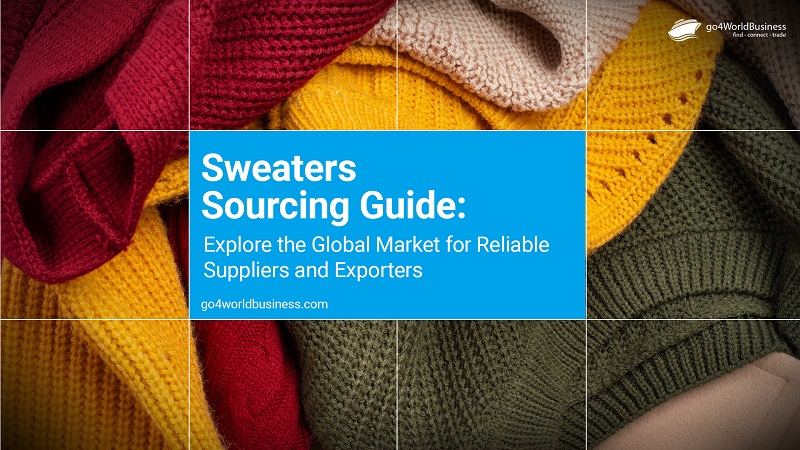
Made from insulating and comfortable materials like wool, acrylic, and cashmere, sweaters are woven materials which are among the most essential garments in the global apparel and winter wear market. This category contains a mix of functionality and fashion that appeals to global buyers. The increasing demand for cozy, durable, and stylish woolen sweaters has created enormous opportunities for global resale and import, export markets. As we are already aware that the fashion industry is evolving, which not only demands quirkyness in their sumer clothing but has also succeeded in making the boring winterwear clothing into more extravagant.
Whether you are sourcing bulk knitted sweaters, cashmere sweaters, or customized sweaters for retail, wholesale, or e-commerce, partnering with verified sweater wholesalers and sweaters distributors ensures quality materials, competitive pricing, and timely delivery. Sourcing directly from trusted wool sweater suppliers or knit suppliers can give your apparel business an edge in the highly competitive global fashion market.
With growing awareness amongst the consumers for fashionable clothing, it has not only changed the fashion landscape but has also brought in a revolution in the varied consumer choices. To meet the numerous demands of consumers, several new sweater designs have emerged in the market.
Sweaters come in many designs and materials to suit various weather conditions and fashion preferences. Layering remains key in cold climates, and the right sweater adds warmth and sophistication. The global market spans woolen sweaters, cashmere sweaters, and sweater hoodies, catering to men, women, and unisex buyers. Increasingly, buyers are also seeking sustainable and organic materials like recycled yarn and bamboo fiber.
Below are some of the most popular sweater varieties that remain in strong global demand:
Among all these varieties of winter wear, women's sweaters, woolen sweaters, sweatshirts, hoodies, and coats remain the most sought-after globally. Along with these, you can also source other knitted & woven garments to cater to diverse customer needs and enhance business profitability. These related products include jersey, gloves, jackets, knitted dresses, and other men’s and women’s clothing.
If you are a new buyer or looking to expand your apparel business, sweaters offer multiple opportunities.
Whether you target retail, wholesale, export, or e-commerce channels, sweaters ensure consistent year-round demand with strong winter season peaks.
Did you know that China continues to lead the global sweater export market? Other key exporting nations include Bangladesh, India, and Vietnam, which are recognized for high-quality knitting and cost-effective production. Global sweater demand is also rising in markets like the USA, the UK, Germany, and Japan, driven by online apparel retail and sustainable fashion trends.
Top Sweater Exporters Worldwide:
Source: Volza
When searching for reliable sweater suppliers, always review their certifications, material sourcing practices, and export experience. Since there are numerous options for men’s and women’s sweater manufacturers, shortlisting the right one is key. Here are some effective ways to find verified sweater exporters and distributors:
1. Which country is the biggest exporter of sweaters?
China remains the largest exporter of sweaters globally, with over 26,486 shipments in the 2023-24 year.
2. How to find bulk sweaters suppliers near me?
You can easily connect with verified bulk sweater suppliers and sweater manufacturers through trusted B2B platforms like go4WorldBusiness.
3. What is the sweaters HSN code?
The HSN code for sweaters generally falls under 6110, which covers knitted or crocheted pullovers, cardigans, and similar articles.
4. What materials are commonly used in sweater manufacturing?
Sweaters are typically made from wool, cashmere, acrylic, cotton, and blended yarns. Premium varieties use Merino wool or cashmere, while mass-market sweaters often feature acrylic or polyester blends for affordability and easy care.
5. What certifications should I look for when importing sweaters?
When importing sweaters, the certifications usually vary from country to country you are importing from. But what remains common while importing goods is the IEC, Certificate of origin. Additionally, look for suppliers with OEKO-TEX, ISO, BSCI, or WRAP certifications to ensure ethical manufacturing, sustainable materials, and compliance with international textile standards.
6. Can I customize sweaters with my brand logo or label?
Yes, most sweater manufacturers and exporters offer private labeling and custom branding services, including embroidered logos, woven tags, and personalized packaging to help build your brand identity.
7. Are there eco-friendly or sustainable sweater options?
Absolutely. Many eco-conscious sweater suppliers now use organic cotton, recycled polyester, and sustainably sourced wool. Some even offer sweaters made from bamboo fiber or biodegradable yarns, catering to the growing demand for sustainable fashion.
8. What are the popular types of sweaters available for bulk purchase?
The most popular sweater types include crew neck sweaters, V-neck sweaters, turtlenecks, cardigans, pullovers, oversized sweaters, and hoodie sweaters. Each category appeals to different markets and seasons, making them ideal for bulk sourcing.
9. What is the average price of sweaters in bulk?
The average price of sweaters in bulk can range from 3 USD to 25 USD , depending on the material, design, and order volume. Cashmere and Merino wool sweaters command higher prices, while acrylic or cotton blends are more affordable for large-scale imports.
10. Do fashion trends influence bulk sweater prices?
Yes, fashion trends significantly impact bulk sweater prices. Demand for trending colors, styles (like oversized or cropped sweaters), or sustainable materials often raises prices during peak seasons. Buyers who source early or diversify product styles can maintain better cost margins.


