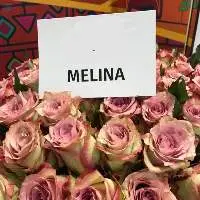
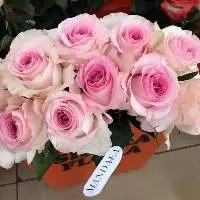
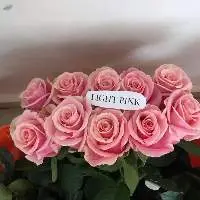
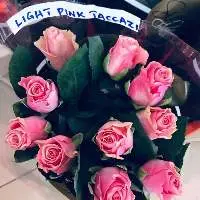
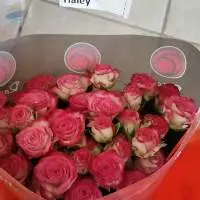
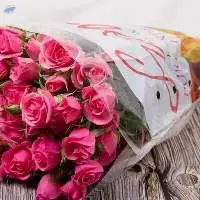
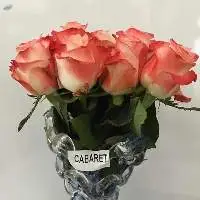
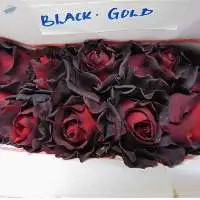
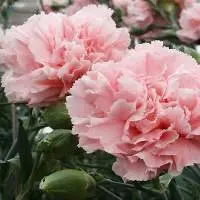
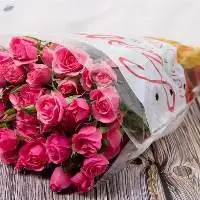
Rosa centifolia (lit. hundred leaved/petaled rose; syn. R. gallica var. centifolia (L.) Regel), the Provence rose or cabbage rose or Rose de Mai is a hybrid rose developed by Dutch rose breeders in the period between the 17th century and the 19th century, possibly earlier. Its parentage includes Rosa damascena, but it may be a complex hybrid; its exact hereditary history is not well documented or fully investigated, but it now appears that this is not the hundred-leaved (centifolia) rose mentioned by Theophrastus and Pliny: no unmistakable reference can be traced earlier than about 1580. The original plant was sterile, but a sport with single flowers appeared in 1769, from which various cultivars known as centifolia roses were developed, many of which are further hybrids. Other cultivars have appeared as further sports from these roses. Rosa centifolia Muscosa is a sport with a thick covering of resinous hairs on the flower buds, from which most (but not all) moss roses are derived. Dwarf or miniature sports have been known for almost as long as the larger forms, including a miniature moss ross Moss de Meaux
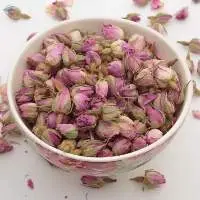
Not only are these rose buds aesthetically pleasing to the eye before being steeped in water, but they manage to maintain their beauty as they slowly unravel while brewing. When drinking this exceptional herbal tea you can taste the delicate sweetness of the rose buds as well as being able to pick up the gorgeous floral aroma.
Packed with Vitamin C, malic acid, pectin, and citric acid, rose tea makes an admirably safe diuretic, which makes it more tempting to be used, especially if you are on a weight loss journey.dness, a cup of rose tea is a favorable way to enjoy the goodness without worrying about your hip size!
Drying Process: Natural air drying
Color: Dark Red
Percentage of Broken: 5%
Moisture: 12%
Foreign Matter: 0.5% Max
Insect Infestation: Free from Insect Infestation
Weed seeds: nil
Drying Process: Natural air drying
Color : Dark Red
Percentage of Broken: 5%
Moisture: 12%
Foreign Matter: 0.5% Max
Insect Infestation: Free from Insect Infestation
Weed seeds: nil
Since ancient times, Jasmine has been referred to as the King of oils (Rose is the Queen). Apparently, this is because Jasmine is the most masculine of all the floral oils. It is also interesting to note that it takes 8,000 carefully hand-picked blossoms to produce 1 gram (about 1 ml.) of Jasmine Absolute.
Rose (Bulgaria) Absolute generally blends well with all oils, though it works particularly well with Bergamot, Chamomile German, Chamomile Roman, Clary Sage, Geranium, Melissa, Rosewood, Sandalwood, and Ylang-ylang.
The plant is primarily cultivated for the production of bast fiber from the stem. The fiber may be used as a substitute for jute in making burlap. Hibiscus, specifical roselle, has been used in folk medicine as a diuretic and mild laxative.
The red calyces of the plant are increasingly exported to the United States and Europe, particularly Germany, where they are used as food colorings. It can be found in markets (as flowers or syrup) in places, such as France, where there are Senegalese immigrant communities. The green leaves are used like a spicy version of spinach. They give flavor to the Senegalese fish and rice dish thieboudienne. Proper records are not kept, but the Senegalese government estimates national production and consumption at 700 t (770 short tons) per year. In Burma, their green leaves are the main ingredient in chin baung kyaw curry.
Dried hibiscus flower (dried hibiscus tea) with 100% ingredients from hibiscus flower is a companion of human health and beauty.
The flavor of this tea is very delicious, suitable for your relaxing moments.
- Origin: Vietnam.
- Color: Dark red.
- Grade: Premium.
- Shelf-life: 02 years.
- Moisture: 10% max.
- Admixture: 1.5% max.
- Drying process: air-dried.
- Delivery time: 10 - 15 days.
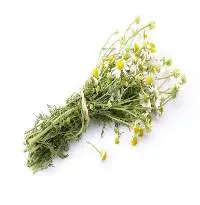
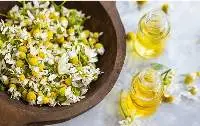
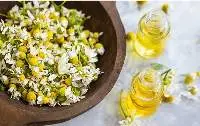
Premium Quality Dried Chamomile - Natural, Aromatic, and Therapeutic
Our chamomile flowers are carefully harvested and naturally dried to preserve their delicate aroma, color, and natural benefits. Perfect for herbal teas, wellness products, and cosmetic applications. Meets international standards for purity and freshness, ideal for bulk export and wholesale.