Biodiesel is an eco-friendly and renewable fuel produced from vegetable oils, animal fats, or recycled cooking oils through a chemical process called transesterification. It is widely used as an alternative to conventional diesel fuel due to its lower emissions, biodegradability, and sustainable nature. Biodiesel can be used in diesel engines with little or no modification and is commonly utilized in transportation, industrial machinery, power generation, and agricultural equipment.
Product Type: Biodiesel Fuel
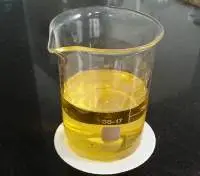
Appearance: Clear Liquid
Color: Light Yellow to Golden
Feedstock: Vegetable Oils / Used Cooking Oil / Animal Fats
Density: Approx. 860 to 900 kg/m³
Flash Point: Above 120°C
Sulphur Content: Very Low
Cetane Number: High Combustion Efficiency
Water & Sediment: Minimal
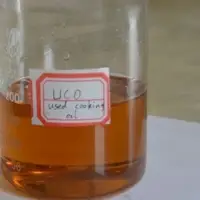
Used Cooking Oil (UCO) - For Recycling & Biodiesel Production
We offer or source Used Cooking Oil (UCO) collected from restaurants, hotels, and food processing industries, suitable for recycling and industrial applications.
Product Description
Used Cooking Oil (UCO) is the residual oil left after frying or cooking. It is collected, filtered, and supplied for recycling purposes, mainly in the biofuel and industrial sector.
Applications
Biodiesel production (primary use)
Soap & detergent manufacturing
Industrial lubricant processing
Waste oil recycling systems
Specifications
Color: Dark yellow to brown/black
Form: Thick liquid after repeated heating
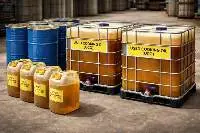
Packaging: 20L jerry cans, 200L drums, ISO tanks available
Storage: Sealed containers, protected from heat and moisture
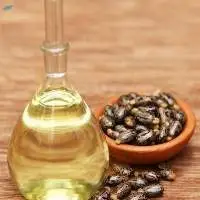
Castor oil is a vegetable oil pressed from castor beans. It is a colourless or pale yellow liquid with a distinct taste and odor. Its boiling point is 313 C (595 F) and its density is 0.961 g/cm3. It includes a mixture of triglycerides in which about 90% of fatty acids are ricinoleates.
Castor oil has a number of medicinal, industrial, and pharmaceutical uses. It's commonly used as an additive in foods, medications, and skin care products, as well as an industrial lubricant and biodiesel fuel component.
CP8, CP10 and crude palm oil for food manufacturing, frying applications, oleochemicals and biodiesel.
Premium Refined Palm Oil is a high-quality edible vegetable oil obtained by refining crude palm oil through processes such as degumming, bleaching and deodorization (RBD). It is characterized by a clean appearance, mild taste and neutral odour, making it suitable for a wide range of food-processing and cooking applications.
High-quality refined edible palm oil.
Clean and neutral flavour profile.
Suitable for cooking and frying.
Good oxidative stability for many food applications.
Consistent quality and appearance.
Grades : CP8, CP10, CPO
FFA (as palmitic) : 0.1% max (RBD)
Moisture & impurities : 0.1% max
Iodine value : 56 - 60
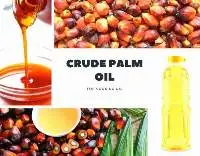
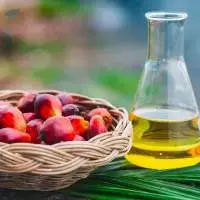
Crude Palm Oil (CPO) is an edible oil which is extracted from the pulp of fruit of oil palms. The color of pulp is naturally reddish in colour as it contains high amounts of beta-carotene. Crude palm oil or palm oil is one of the most consumed and produced oils in the world. This easy to produce, and very stable oil is used for a wide variety of foods, cosmetics, hygiene products, and can also be used as a source of biofuel or biodiesel.
Palm Kernel Oil is produced after separating the seed from the oil palm fruit, cracking and removing the shell. It can be further processed into Crude Palm Kernel Oil and Palm Kernel Expeller or Cake. Palm Kernel Oil is commonly used as a commercial cooking oil due to its stability at high temperatures.
RBD Palm Olein is the liquid fraction of palm oil obtained by dry-fractionation process. The product is widely used in food processing industries such as confectionery, noodles, snacks, dairy beverages, canned food, etc.
It is one of the oldest vegetable oils, which are produced in many countries such as India, China, Canada, Australia, France, Germany, United Kingdom and other so many countries. This oil is widely used for cooking of various kinds of cuisines all over world. It is safe to consume and has no harmful effect. This oil is known for maintaining heart, brain and joint functions. It is also used as drizzled as salad dressing. This oil has low saturated fat and highly beneficial for health.
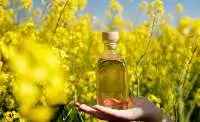
Rapeseed Carrier Oil is derived from a plant which belongs to Brassicaceae family. According to the United States department of Agriculture, this is a third largest source of vegetable oil in the world. It is grown for production of animal feed and edible feed. It is also used as biodiesel.
This oil is worldâ??s second-leading source of protein meal after soybean. Rapeseed carrier oil is well suited to be used as diesel fuel in heated fuel systems. It is blended with petroleum distillates for powering vehicles. This oil contains 50% erucic acid and high levels of glucosionlates. Rapeseed Carrier Oil is extremely versatile that is well suited to make savoury and sweet dishes. This oil is highly demanded in residential, commercial and industrial places.
Biofuels, in particular biodiesel has been found to be a good replacement to petro-diesel. This is because biodiesel provides quite a number of advantages among others including renewability, biodegradability, regional and agriculture development, and lower gaseous emissions Besides, renewable resources such as fats and vegetable oils, when converted to biodiesel fuel take away more carbon-dioxide from the atmosphere during their production than is added to it by later combustion. Therefore, it lessens the increasing carbon-dioxide content of the atmosphere as well as substantial reduction in PM, HC and CO emissions Typically, biodiesel could significantly reduce unburned total hydrocarbons (THCs), and carbon monoxide (CO) and nitric oxides (NOx) In addition, biodiesel fuel offers engine performance similar to the one of petroleum & diesel fuel.Please contact us for more information on our dedicated product line for biodiesel and renewable diesel.
Fatty acid methyl esters (FAME) are a type of fatty acid ester that are derived by transesterification of fats with methanol. The molecules in biodiesel are primarily FAME, usually obtained from vegetable oils by transesterification. They are used to produce detergents and biodiesel.
Specifications:
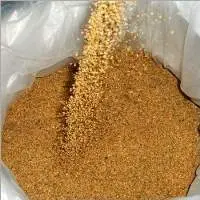
We offer Soyabean Meal for Animal feed
Soyabean Meal specifications
Moisture: 12% Max
Crude Protein: 11% Max
Admixture: Nill
Crude Fiber: 12% Max
Acid Insoluble Ash: 0.5% Max
Crop Year: Current Year
Packaging Details: Bulk,25,50kg/Buyers request.
We look forward to receiving your able response to proceed.
Supply ability: 10x40' Container per month.
SOYABEAN MEAL
Soybean meal is used in food and animal feeds, principally as a protein supplement, but also as a source of metabolizable energy. Typically 1 bushel (i.e. 60 lbs. or 27.2 kg) of soybeans yields 48 lbs. (21.8 kg) of soybean meal. Some, but not all, soybean meal is produced from the residue left after oil extraction. (Removal of the oil, which is used mostly in food, but also for industrial oils, soaps and biodiesel, involves crushing and either pressing or solvent extraction.) Some, but not all, soybean meal contains ground soybean hulls. Soybean meal is heat-treated during production, to denature the trypsin inhibitors of soybeans, which would otherwise interfere with protein digestion.
Screen Analysis 95% passing through 6 mesh