About Meltblown Nonwove
Melt blown is a one step process to make fabrics from polymer.
The thermoplastics chips are fed through main dosing units & these chips are melted by means of the extruder. This extruder then extrudes the melt, which is then filtered & metered at a constant rate. This filament comes out from a single raw of spinneret orifice. It has a self bonding property but for coagulation & for better random laying hot air flow is provided.
The web generated is immediately passes among the Spunbond webs followed by pre-bonding rolls & finally through calendar for thermal bonding.
The main purpose of melt blown fabric is to provide barrier property for the liquid.
Sometimes the treatment like antistatic or hydrophilic are given to the fabrics & after drying the fabrics are wound in the winder as a roll form.
Unique characteristics such as water repellence or permeability or UV stability can be obtained by incorporating additives to the raw materials or applying different agents to the fabric.
Characteristics of Meltblown fabrics are:
The main desired characteristics expected for melt blown nonwoven fabrics are:
Adjustable Pores And Capillary Structure
Excellent barrier properties
Filament size 1 -3 �µm
High Elasticity
High Filtration capability
Isotropic formation- this means that the fibers are randomly distributed in the machine direction (MD) and cross-machine direction (CD).
Large Area-to-weight ratio
Self-bonding
The weight of the melt-blown fabrics in gram per square meter (GSM) should range from 4 g/m2 to over 1000 g/m2.
Very good thermal insulation for apparel application
Weak tensile properties
Wicking Properties
Application of spun-bond nonwoven fabrics:
Sanitary and Hygiene:
Sanitary napkins,
Baby diapers and
Incontinence diapers
Medical and Surgical:
Gowns,
Face masks,
Caps,
Drapes, etc
Other Miscellaneous Applications:
Filtration Material,
Agriculture,
Oilsorbents
Hot-melt adhesives
Headliners, etc
About Meltblown Nonwoven
â?¢ Melt blown is a one step process to make fabrics from polymer.
â?¢ The thermoplastics chips are fed through main dosing units & these chips are melted by means of the extruder. This extruder then extrudes the melt, which is then filtered & metered at a constant rate. This filament comes out from a single raw of spinneret orifice. It has a self bonding property but for coagulation & for better random laying hot air flow is provided.
â?¢ The web generated is immediately passes among the Spunbond webs followed by pre-bonding rolls & finally through calendar for thermal bonding.
â?¢ The main purpose of melt blown fabric is to provide barrier property for the liquid.
â?¢ Sometimes the treatment like antistatic or hydrophilic are given to the fabrics & after drying the fabrics are wound in the winder as a roll form.
â?¢ Unique characteristics such as water repellence or permeability or UV stability can be obtained by incorporating additives to the raw materials or applying different agents to the fabric.
Characteristics of Meltblown fabrics are:
The main desired characteristics expected for melt blown nonwoven fabrics are:
â?¢ Adjustable Pores And Capillary Structure
â?¢ Excellent barrier properties
â?¢ Filament size 1 -3 �µm
â?¢ High Elasticity
â?¢ High Filtration capability
â?¢ Isotropic formation- this means that the fibers are randomly distributed in the machine direction (MD) and cross-machine direction (CD).
â?¢ Large Area-to-weight ratio
â?¢ Self-bonding
â?¢ The weight of the melt-blown fabrics in gram per square meter (GSM) should range from 4 g/m2 to over 1000 g/m2.
â?¢ Very good thermal insulation for apparel application
â?¢ Weak tensile properties
â?¢ Wicking Properties
Application of spun-bond nonwoven fabrics:
â?¢ Sanitary and Hygiene:
â?¢ Sanitary napkins,
â?¢ Baby diapers and
â?¢ Incontinence diapers
â?¢ Medical and Surgical:
â?¢ Gowns,
â?¢ Face masks,
â?¢ Caps,
â?¢ Drapes, etc
â?¢ Other Miscellaneous Applications:
â?¢ Filtration Material,
â?¢ Agriculture,
â?¢ Oilsorbents
â?¢ Hot-melt adhesives
â?¢ Headliners, etc
Melt blown is a one step process to make fabrics from polymer.
The thermoplastics chips are fed through main dosing units & these chips are melted by means of the extruder. This extruder then extrudes the melt, which is then filtered & metered at a constant rate. This filament comes out from a single raw of spinneret orifice. It has a self bonding property but for coagulation & for better random laying hot air flow is provided.
The web generated is immediately passes among the Spunbond webs followed by pre-bonding rolls & finally through calendar for thermal bonding.
The main purpose of melt blown fabric is to provide barrier property for the liquid.
Sometimes the treatment like antistatic or hydrophilic are given to the fabrics & after drying the fabrics are wound in the winder as a roll form.
Unique characteristics such as water repellence or permeability or UV stability can be obtained by incorporating additives to the raw materials or applying different agents to the fabric.
Characteristics of Meltblown fabrics are:
The main desired characteristics expected for melt blown nonwoven fabrics are:
Adjustable Pores And Capillary Structure
Excellent barrier properties
Filament size 1 -3 �?�µm
High Elasticity
High Filtration capability
Isotropic formation- this means that the fibers are randomly distributed in the machine direction (MD) and cross-machine direction (CD).
Large Area-to-weight ratio
Self-bonding
The weight of the melt-blown fabrics in gram per square meter (GSM) should range from 4 g/m2 to over 1000 g/m2.
Very good thermal insulation for apparel application
Weak tensile properties
Wicking Properties
Application of spun-bond nonwoven fabrics:
Sanitary and Hygiene:
Sanitary napkins,
Baby diapers and
Incontinence diapers
Medical and Surgical:
Gowns,
Face masks,
Caps,
Drapes, etc
Other Miscellaneous Applications:
Filtration Material,
Agriculture,
Oilsorbents
Hot-melt adhesives
Headliners, etc
Melt blown is a one step process to make fabrics from polymer.
The thermoplastics chips are fed through main dosing units & these chips are melted by means of the extruder. This extruder then extrudes the melt, which is then filtered & metered at a constant rate. This filament comes out from a single raw of spinneret orifice. It has a self bonding property but for coagulation & for better random laying hot air flow is provided.
The web generated is immediately passes among the Spunbond webs followed by pre-bonding rolls & finally through calendar for thermal bonding.
The main purpose of melt blown fabric is to provide barrier property for the liquid.
Sometimes the treatment like antistatic or hydrophilic are given to the fabrics & after drying the fabrics are wound in the winder as a roll form.
Unique characteristics such as water repellence or permeability or UV stability can be obtained by incorporating additives to the raw materials or applying different agents to the fabric.
Characteristics of Meltblown fabrics are:
The main desired characteristics expected for melt blown nonwoven fabrics are:
Adjustable Pores And Capillary Structure
Excellent barrier properties
Filament size 1 -3 �?�µm
High Elasticity
High Filtration capability
Isotropic formation- this means that the fibers are randomly distributed in the machine direction (MD) and cross-machine direction (CD).
Large Area-to-weight ratio
Self-bonding
The weight of the melt-blown fabrics in gram per square meter (GSM) should range from 4 g/m2 to over 1000 g/m2.
Very good thermal insulation for apparel application
Weak tensile properties
Wicking Properties
Application of spun-bond nonwoven fabrics:
Sanitary and Hygiene:
Sanitary napkins,
Baby diapers and
Incontinence diapers
Medical and Surgical:
Gowns,
Face masks,
Caps,
Drapes, etc
Other Miscellaneous Applications:
Filtration Material,
Agriculture,
Oilsorbents
Hot-melt adhesives
Headliners, etc
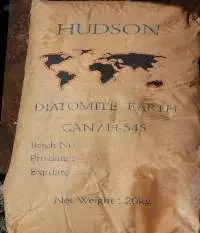
Diatomaceous Earth is a naturally occurring, soft, siliceous sedimentary rock that can be crumbled into a fine white to off-white powder. It has a particle size ranging from more than 3 m to less than 1 mm, but typically 10 to 200 �¼m.
Diatomaceous earth consists of the fossilized remains of diatoms, a type of hard-shelled microalgae. It is used as a filtration aid, a mild abrasive in products including metal polishes and toothpaste, a mechanical insecticide, an absorbent for liquids, a matting agent for coatings, a reinforcing filler in plastics and rubber, and an anti-block in plastic films.
We offer - Sub unsold-
PE-PO bottle caps shreddered
with abt. 3 % lables, flakes + film
Quantity: abt. 5 - 6 Containers per month
Price: US $ 780,--/mt FOB
we would like to offer sub unsold- :
ABCs for aluminium recycling
ALU shreddered from alu bottle caps
strange plastics 4 7 %
lacquer 1 2 %
22 24 mts per 40 container
50 100 mts per month
If interested pls. ask for Price.