Gardenia plants from which the oil is extracted are prized for the strong sweet scent of their flowers that resemble white roses. Gardenia oil finds application in the perfumery industry for making romantic scents, perfumes and others.
It is a cross between citronella and palmarosa. It's origin is in India and it is widely grown in the southern parts of the country. The jamrosa oil is extracted from the highly aromatic jamrosa grass. This medium sized grass is of hybrid origin, being a cross between the palmarosa and citronella.
Camphor oil is the oil extracted from the wood of camphor trees and processed by steam distillation. It can be used topically to relieve pain, irritation, and itching. Camphor is also used to relieve chest congestion and inflammatory conditions. It has a strong odor and taste and is easily absorbed through the skin.
Cassia Oil is a dark brown, free-flowing liquid, with a strong, spicy, warm resinous odour. Cassia oil majorly contains cinnamic aldehyde, Eugenol and other terpenoids. The product is majorly used in beverages, pharmaceuticals and oral care.
Catnip Oil is made by steam distillation of Catnip Plant. It is commonly known as Cat Mint. Catnip tea's biggest health benefit is the calming effect that it can have on the body. Catnip contains nepetalactone, which is similar to the valepotriates found in a commonly used herbal , valerian.
Cinnamon oil is derived from the bark or leaves of several types of trees, including the Cinnamomum verum tree and the Cinnamomum cassia tree. Most commercially available cinnamon oil is derived from the Cinnamomum cassia tree and is called cassia cinnamon.
Armoise oil is extracted from Artemisia vulgaris of the Asteraceae (Compositae) family and is also known as Mugwort. This aromatic perennial herb has red-purple stems and deeply cut, dark green leaves with white undersides.
Arnica is used topically for a wide range of conditions, including bruises, sprains, muscle aches, wound healing, superficial phlebitis, joint pain, inflammation from insect bites, and swelling from broken bones. More recent studies suggest it may also be helpful in the treatment of burns.
Oil of eucalyptus is a colourless or pale yellow liquid. It has an aromatic and camphoraceous odour; a pungent, camphoraceous taste, which is followed by a sensation of cold. It is required to contain not less than 70.0% of cineole.
Geranium essential oil is derived by steam distillation of the leaves of Pelargonium graveolens, a plant species native to South Africa. According to folklore, it was used for a wide range of health conditions. Geranium oil is grown in many regions, including Europe and Asia.
Lavandin essential oil, while similar to Lavender, is not a true lavender. It is a cross between lavender (Lavandula angustifolia) which grows at higher altitudes and spike lavender (Lavandula latifolia) which grows lower on the hillsides. It has a very sweet and floral aroma similar to "true" Lavender.
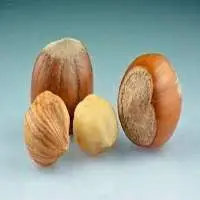
The hazelnut is the fruit of the hazel, small, round, cinnamon coloured shell and white-yellowish flesh, sweet flavoured and rich in oil. The fruit is consumed raw, roasted or as an ingredient for different product processing, mainly nougat and chocolate.
Petitgrain oil is taken from the tree's twigs and leaves and steam distilled to produce a refreshing, floral, and herbaceous essential oil. Neroli essential oil is derived from the blossoms of the bitter orange tree, and bitter orange essential oil comes from the rinds of the fruit through the process of expression.
What is pine oil used for?
Pine essential oil is also touted as having anti-inflammatory effects. In theory, such effects could do two things: Ease symptoms of inflammatory skin conditions, such as acne, eczema, and rosacea. Alleviate pain from related health conditions, such as arthritis and muscle pain.
Sage Essential Oil is steam distilled from the leaves of the Salvia officinalis herb, also referred to as Common Sage, True Sage, Garden Sage, and Dalmatian Sage. The latter nickname is due to the fact that most of the world's Sage grows wild in the region of Dalmatia.
Thyme oil is typically acquired from the leaves and flowers of Thymus vulgaris via a steam distillation process. The first distillation produces red thyme essential oil, which is a heady, dark oil with a spicy scent. Red thyme oil is often used as a middle note in perfumery.
Vetiver oil is quite fragrant, with a distinctive sharp and earthy scent you may recognize from men's cologne. Vetiver essential oil is distilled from the vetiver plant's roots, which are aged before being soaked in water. The highly concentrated oil that is released is then skimmed off the top of the water.
Musk is a class of aromatic substances commonly used as base notes in perfumery. They include glandular secretions from animals such as the musk deer, numerous plants emitting similar fragrances, and artificial substances with similar odors.
Myrrh is a reddish-brown dried sap from a thorny tree �¢?? Commiphora myrrha, also known as C. molmol �¢?? that is native to northeastern Africa and southwest Asia ( 1 , 2). A steam distillation process is used to extract myrrh essential oil, which is amber to brown in color and has an earthy scent (3).
Neroli oil is an essential oil produced from the blossom of the bitter orange tree (Citrus aurantium subsp. amara or Bigaradia). Its scent is sweet, honeyed and somewhat metallic with green and spicy facets. Orange blossom is also extracted from the same blossom and both extracts are extensively used in perfumery.