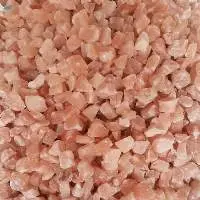
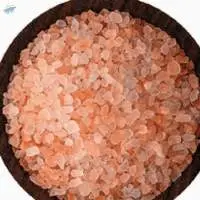
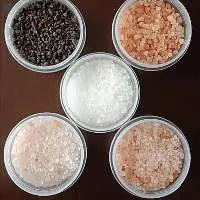
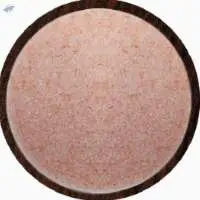
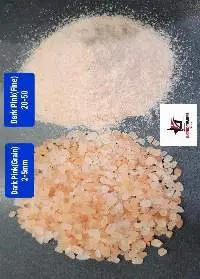
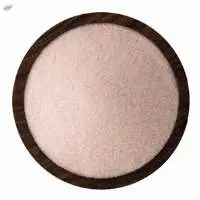
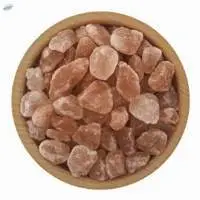
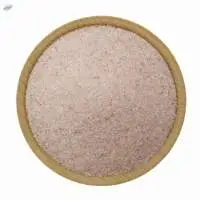
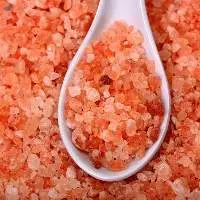
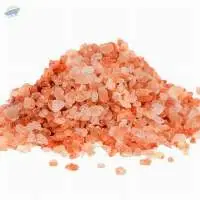
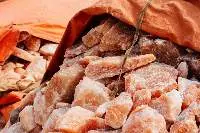
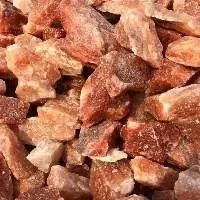
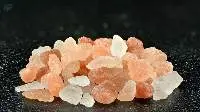
The pink hue of this salt is due to its high mineral content, which includes calcium, magnesium, potassium, copper, and iron.
These minerals are essential for our bodies to function properly and can help to improve overall health.
Full of Nutrients and Minerals
Domestic Price @INR.GST ,Transportation Extra : 25,000/Tons
NOTE
1. Rate valid for 24 hour only & You can know updated price at MMK EXPORT customer care landline number, Whatsapp or by mail. 2. Rate will be change according to the market.
3. All rates are including with material, packing, precooling and container Stuffing for EXPORT only & Domestic price not Applicable for export buyers.
4. All rate up to @ ex-factory from MMK EPORT.
5. Payment Term- Minimum 50% Advance and 50% on loading. LC we are accepted T&C apply.
1. Matter Insoluble In Water ..........................0.17%
2. Calcium ( as Ca).........................................0.26%
3. Magnesium (as Mg)...................................0.22%
4. Sulphate (SO4)............................................1.1%
5. Sodium Chloride (NaCl)..............................97.84%
the pH of 10% aqueous Solution.....................8.06
Benefits
1. Improve respiratory diseases.
2. Balance your body's pH.
3. Reduce signs of ageing.
4. Improve sleep quality.
5. Regulate blood sugar.
6. Increase libido.
and much more
we are the Largest supplier of Pink salt, edible salt, and industrial salt from Pakistan to worldwide.
feel free to contact us for more information and queries about salt.
we can negotiate with the buyer related to price and discuss, size, quality, quantity, and supply capability
Himalayan salt was proven to be the most effective and efficient toxin dispeller in comparison to other common salts. Pink Salt Powder is great for detoxing your body. It helps lower blood pressure and is iron-rich, thus great for everyday consumption.
Himalayan salt is rock salt (halite) mined from the Punjab region of Pakistan. The salt, which often has a pinkish tint due to trace minerals, is primarily used as a food additive to replace refined table salt but is also used for cooking and food presentation, decorative lamps and spa treatments.
Natural mineral salt, free of any chemical additive, high in minerals(up to 82) & trace elements, low on sodium content, multiple health benefits in controlling heart ailments, digestive disorders Flavoring, Sprinkling, Baking, Preservation, Cooking, Pickling.
Storage Instruction:
Store in a cool, dry place. Away from sunlight.
Himalayan salt is mined from the Salt Range mountains, the southern edge of a fold-and-thrust belt that underlies the Pothohar Plateau south of the Himalayas in Pakistan.
Himalayan salt comes from a thick layer of Ediacaran to early Cambrian evaporites of the Salt Range Formation. This geological formation consists of crystalline halite intercalated with potash salts, overlain by gypsiferous marl and inter-layered with beds
of gypsum and dolomite with infrequent seams of oil shale that accumulated between 600 and 540 million years ago. These strata and the overlying Cambrian to Eocene sedimentary rocks were thrust southward over younger sedimentary rocks, and eroded to create the Salt Range. The salt, which often has a pinkish tint due to trace minerals, is primarily used as a food additive to replace refined table salt but is also used for cooking and food presentation, decorative lamps and spa treatments.
Himalayan salt is a table salt. Analysis of a range of Khewra salt samples showed them to be between 96% and 99% sodium chloride, with trace presence of calcium, iron, zinc, chromium, magnesium, and sulphate, all at varying safe levels below 1%.
Himalayan salt is mined from the Salt Range mountains, the southern edge of a fold-and-thrust belt that underlies the Pothohar Plateau south of the Himalayas in Pakistan.
Himalayan salt comes from a thick layer of Ediacaran to early Cambrian evaporites of the Salt Range Formation. This geological formation consists of crystalline halite intercalated with potash salts, overlain by gypsiferous marl and inter-layered with beds
of gypsum and dolomite with infrequent seams of oil shale that accumulated between 600 and 540 million years ago. These strata and the overlying Cambrian to Eocene sedimentary rocks were thrust southward over younger sedimentary rocks, and eroded to create the Salt Range. The salt, which often has a pinkish tint due to trace minerals, is primarily used as a food additive to replace refined table salt but is also used for cooking and food presentation, decorative lamps and spa treatments.
Himalayan salt is a table salt. Analysis of a range of Khewra salt samples showed them to be between 96% and 99% sodium chloride, with trace presence of calcium, iron, zinc, chromium, magnesium, and sulphate, all at varying safe levels below 1%.
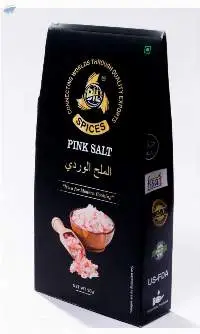
Pink Himalayan salt extract from the salt ranges of Pakistan with excellent hygenic quality at affordable prices starting from 170 usD fob
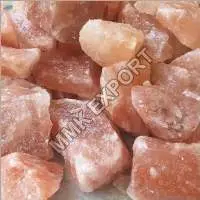
Lumps in, kg packing available
Salt is just extracted and packed without and bulk additives