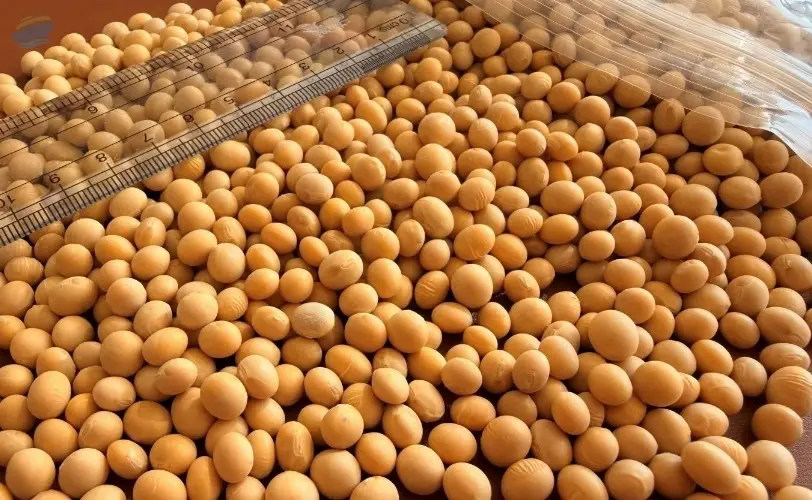
Product Description
Specifications for non-GMO soybean meal for export usually include:
Protein Content: Most commonly 48% min (on an as-is basis), but can also be 46% or even higher (e.g., 49-50% for dehulled meal). Moisture: Max 12-13% to ensure stability during transport and storage.
Fat (Ether Extract): Max 1.5%- 2.5%.
Crude Fiber: Max 3.0% - 7.0% (lower for dehulled, higher for non-dehulled). Dehulled meal offers higher protein and lower fiber, making it more desirable for high-performance animals like poultry.
Ash: Max 6.0%- 7.0%.
Urease Activity: Max 0.05 mg N/g/min at 30C (EEC method) or similar low levels. This indicates proper heat treatment during processing to denature anti-nutritional factors.
Aflatoxin: Max 20 ppb (parts per billion), or as per destination country's regulations.
Salmonella & E.coli: Absent.
Admixture/Foreign Material: Very low, typically less than 2%.
Non-GMO Purity: This is the defining characteristic. Exporters must provide documentation (e.g., identity preserved (IP) certificates, Non-GMO Project Verification, or other third-party certifications) confirming that the soybeans used were non-genetically modified and that segregation protocols were maintained throughout the supply chain. This usually means a threshold of less than 0.9% or 0.1% adventitious GMO presence.
Appearance: Light yellow to cream powder or granular form.
Odor: Good, typical odor, free from objectionable foreign odors.
Packaging: Common export packaging includes 25kg, 50kg PP woven bags, 1 MT (jumbo) bags, or bulk in full liner bags in 20' FCL (Full Container Loads) or vessels. Cost will vary according to packaging.
2. Nutritional Value for Animal Feed
Non-GMO soybean meal is a highly valued protein source in animal feed due to its excellent nutritional profile:
High Protein: It provides a concentrated source of high-quality protein, essential for growth, muscle development, and overall health in livestock, poultry, swine, aquaculture, and even pets.
Balanced Amino Acid Profile: It has a favorable balance of essential amino acids, particularly high levels of lysine, tryptophan, and threonine, which are often limiting amino acids in cereal grains. While methionine and cystine levels are suboptimal for monogastric animals, they are easily supplemented.
Energy Source: Besides protein, it also contributes energy to the diet through its carbohydrate and residual fat content.
High Digestibility: Soybean meal is highly digestible by most animal species, allowing for efficient nutrient utilization.
Vitamins and Minerals: It contains various vitamins (especially B vitamins) and minerals (e.g., phosphorus, potassium, magnesium, iron). However, much of the phosphorus is bound as phytic acid, requiring phytase supplementation for monogastric animals.