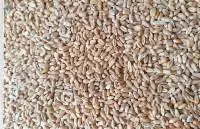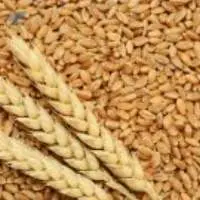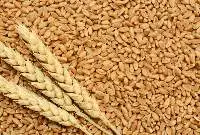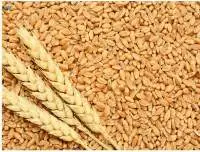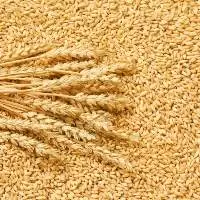
Wheat is one of the most widely cultivated grains in the world and is a staple in many diets. It's used to make a wide range of food products, from bread to pasta to pastries.
Types of Wheat:
Hard Red Wheat: Used mainly for making bread and other baked goods, as it has a high gluten content that helps with structure and texture.
Soft Wheat: Often used in making cakes, pastries, and crackers due to its lower gluten content, which results in a tender texture.
Durum Wheat: The hardest variety, used primarily for making pasta and semolina.
Whole Wheat: Made from the entire grain, including the bran, germ, and endosperm, making it more nutritious than refined wheat.
White Wheat: A softer, lighter variety, often used in refined products like white bread.
Nutritional Benefits:
High in Carbohydrates: Wheat is an excellent source of energy.
Fiber: Whole wheat, in particular, is high in fiber, which aids in digestion and can help lower cholesterol.
Vitamins & Minerals: Wheat contains essential nutrients like B vitamins, iron, magnesium, and zinc.
Protein: Wheat contains gluten, which is a protein that helps with the elasticity and structure of dough.
Uses of Wheat:
Flour: Wheat is ground into flour, which is the base for most baked goods like bread, cakes, pastries, and cookies.
Bread: One of the most common uses of wheat, both in white and whole grain varieties.
Pasta: Durum wheat is the key ingredient in pasta and couscous.
Breakfast Cereal: Wheat is often processed into cereals, including whole-grain options.
Crackers & Snacks: Many crackers and snack foods use wheat as a primary ingredient.
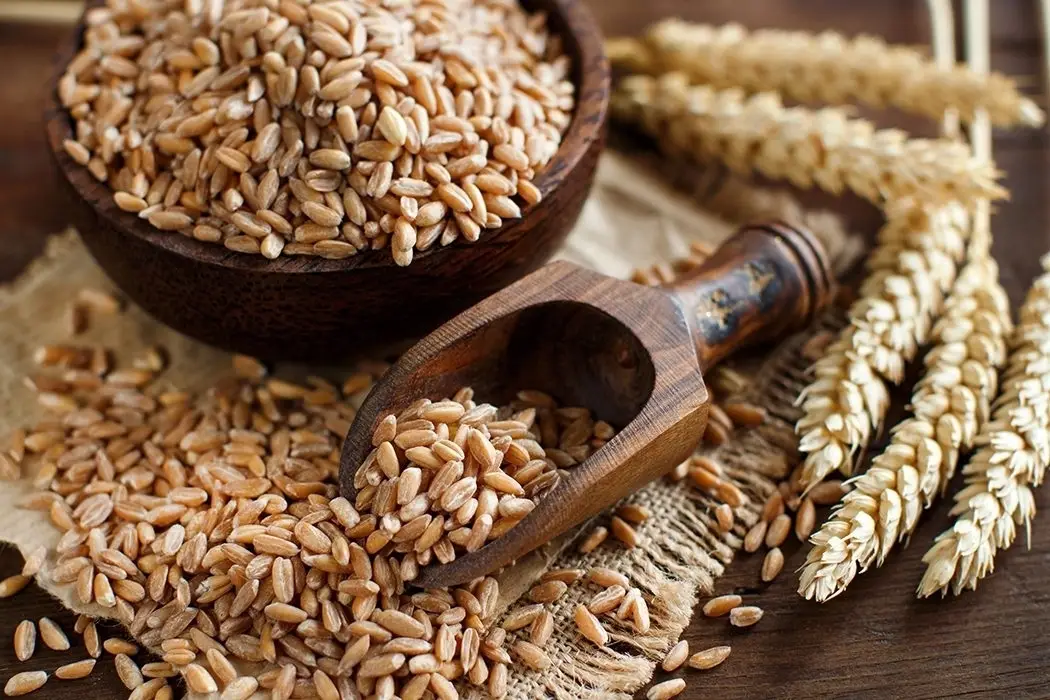
Wheat Berries: The whole grain can be cooked and eaten as a salad or side dish, offering a chewy texture and nutty flavor.