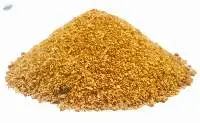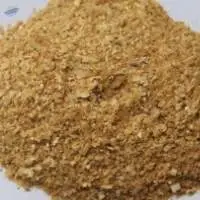
DDGS - Distilled Dried Grains with Solubles
Protein + Fat: 36% Min
Protein: 26% Min
Moisture: 12% Max
Ash: 7% Max
Fiber: 10% Max
Aflatoxin: 20 PPB Max
Vomitoxin: 5 PPM Max
DDGS is a co-product of the ethanol production process. It is made from the grain remnants after the starch has been fermented to produce ethanol and is commonly used as animal feed. Here are some key points about DDGS:
Composition: DDGS is rich in protein, fiber, and fat, making it a nutritious feed ingredient for livestock, including cattle, swine, poultry, and fish. It provides essential nutrients that can complement other feed components.
Production Process: The production of DDGS involves drying the spent grains from the distillation process. The solubles, which contain nutrients, are added back to the dried grains, enhancing their nutritional value.
Benefits: DDGS is valued for its high protein content and digestible fiber, which can improve the feed efficiency of livestock. It is also considered a cost-effective feed option due to its nutrient density.
Market and Trade: The demand for DDGS has been growing globally as livestock producers seek alternative protein sources. The U.S. is one of the largest producers and exporters of DDGS, with significant markets in Asia, Europe, and Latin America.
Sustainability: Utilizing DDGS as animal feed contributes to the sustainability of the ethanol production process by minimizing waste and making use of by-products.
Nutritional Profile of CGM
Component Content (%)
Crude Protein 60-70%
Fat : 2-4%
Fiber : 1-3%
Starch : 15-20%
Methionine High
Lysine (Limiting AA) Low
Corn Gluten Meal (CGM) is a high-protein feed ingredient derived from corn processing. Corn Gluten Meal is a valuable, cost-effective protein source for animal feed, especially in poultry and aquaculture. It is commonly used in livestock, poultry, aquaculture, and pet food due to its 60-70% protein content, but it has some amino acid limitations that must be considered. Proper formulation with lysine-rich supplements ensures optimal growth and performance.
Key Features:
Rich in methionine & cysteine (beneficial for poultry & fish).
High digestibility (90%+ for poultry and swine).
Contains xanthophylls (improves egg yolk & skin pigmentation).
Use of CGM in Different Animal Feeds
1. Poultry Feed
Broilers & Layers: Used at 5-15% of the diet.
Enhances yellow skin & egg yolk color (due to xanthophylls).
Good methionine source but requires lysine supplementation (e.g., soybean meal, synthetic lysine).
2. Cattle Feed
Used in dairy & beef cattle as a protein supplement (up to 10-15% of diet).
Helps improve milk yield but should be mixed with rumen-degradable proteins.
3. Aquaculture Feed
Used in tilapia, catfish, and shrimp feeds (up to 10-20%).
Good methionine source but requires fishmeal/soybean meal for lysine balance.
May replace partial fishmeal to reduce feed costs
Advantages of CGM in Animal Feed
Cost-effective protein source compared to fishmeal or soybean meal.
High methionine content supports feathering (poultry) and muscle growth.
Natural pigmenting effect (improves egg yolk & broiler skin color).
Non-GMO & gluten-free (suitable for some specialty feeds).
Appearance: Light yellow to light brown
Crude Protein: 46% min
Crude Fat: 1.0% min
Crude Fiber: 3.0% max
Moisture: 10% max
Calcium: 0.20%
Phosphorus: 0.65%
Total Amino Acid: 4.50%
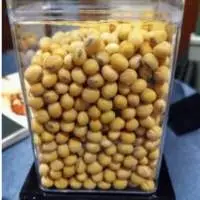
Soybeans are a major agricultural commodity traded globally. The top soybean importers typically include countries that either have a large demand for animal feed, as soybeans are a primary ingredient in livestock feed, or countries that use soybeans extensively for food products and industrial applications.
Currently, more than 60% of U.S. Soy is exported as whole soybeans, meal or oil to markets outside of the United States.
The top 10 export markets for U.S. soybeans in order of volume received in marketing year 2021/22 include China, Mexico, the European Union, Egypt, Japan, Indonesia, Taiwan, Bangladesh, Thailand and Vietnam. The Philippines, Mexico and Columbia were the top three U.S. export global customers for U.S. soybean meal.
These countries import soybeans from major producers like the United States, Brazil, and Argentina. The global soybean trade is influenced by factors such as crop yields, trade policies, and domestic demand in the importing and exporting countries.
We are one of the top exporters of goods made from soybeans. We supply our goods at competitive costs relative to the global market, and they are of excellent quality. Please send us an email if you are in the process of sourcing this product so that our sales department may provide you with the details of the goods, including its specs, costs, packaging, quantity that is available, delivery schedule, and terms of payment. We are eager to work with your prestigious firm or organization to build a long-lasting business partnership
Protein: Minimum of 47. - 49.0%
Fat: Minimum of 0.5%
Fiber: Maximum of 3.3 - 3.5%
Moisture: Maximum of 12.0%
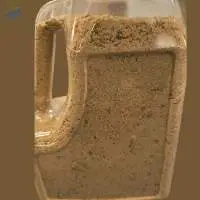
Soybean meal is a byproduct of soybean oil extraction, commonly used as a high-protein animal feed. It is highly valued in the livestock and poultry industries due to its rich protein content, essential amino acids, and digestibility. Soybean meal is typically produced by grinding and extracting oil from soybeans, leaving behind the meal, which contains about 44-49% protein.
It is primarily used in feed formulations for pigs, poultry, cattle, and aquaculture. Given its nutritional profile, it plays a crucial role in animal growth, reproduction, and overall health.
In international trade, soybean meal is a significant export commodity, particularly from countries like the United States, Brazil, and Argentina, which are leading producers. It is traded globally, with demand driven by countries with large livestock industries but limited soybean production capacity