Size
1-1.5kg,1.5-2kg,2-2.5kg,2.5-3kg,3kg up
Color
White,green
Characteristics
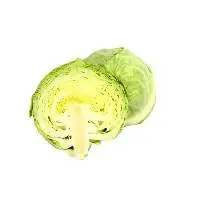
Tender and thin, milky juice, taste delicious, fiber thin, good nutrition;Clean and smooth surface
Nutrition
Multiple Vitamin,amino acid, be full of nutriments
Origin of place
Germany
Packing
Outer package: 10kgs carboard carton loose packing
Innerpackage:10*1kg/ctn,20*500g/ctn,4*2.5kg/ctn,20*454g/ctn, 20*1lbs consumer bag,all can base on customers request.
Fresh Iceberg lettuce is medium to large, averaging 25-30 centimeters in diameter, and is spherical, similar to cabbage. The firm head is tightly packed with broad, thick, and crisp leaves that are concentrated with high-water content. Iceberg lettuce is a good source of potassium, iron, calcium, fiber, and vitamins A, C, and K. Iceberg lettuce have a high content of water and low calories that helps to promote weight loss.
Type Vegetables
Specifications
Fresh Iceberg Lettuce Class A Egyptian
Size : 550gm to 850gm and up
Variety : Iceberg Lettuce
Season : Dec to May
Packaging - 8 to 10 pieces per carton or as customer requirements
Container 40 feet Capacity 1860 cartons
40 ft container takes 12 MT.
Shipping Port Any Port of Egypt
Quality standard - quality meets the international standard and EU standard
fresh vegetables exporters in Egypt
Lettuce is an annual plant of the family Asteraceae. It is most often grown as a leaf vegetable, but sometimes for its stem and seeds. Lettuce is most often used for salads, although it is also seen in other kinds of food, such as soups, sandwiches and wraps; it can also be grilled.
Frozen Rocket Lettuce
- Rocket lettuce is a herb with green soft flowing shaped leaves. The edible rocket lettuce leaves have a tasty and peppery flavour. This nutritious, young, tender Rocket Lettuce is great as a salad vegetable, besides, it is good to be put on top of Pizza, in burgers, pasta dishes, and combines very well with cheese
- Storage condition: Keep in dry and cool place or even better keep in the fridge
- Packing: bag, carton or as customer's requirement
- Delivery: 7 - 10 days after signed Sales Contract
- Origin: Vietnam
- Payment: T/T, L/C
Vegetables are available in many varieties and can be classified into biological groups or ‘families’, including: Leafy green lettuce, spinach and silverbeet. Cruciferous cabbage, cauliflower, Brussels sprouts and broccoli.
PRODUCT INFO
Lettuce (Lactuca sativa) is an annual plant of the family Asteraceae. It is most often grown as a leaf vegetable, but sometimes for its stem and seeds. Lettuce is most often used for salads, although it is also seen in other kinds of food, such as soups, sandwiches and wraps; it can also be grilled. One variety, the celtuce (asparagus lettuce), is grown for its stems, which are eaten either raw or cooked. In addition to its main use as a leafy green, it has also gathered religious and medicinal significance over centuries of human consumption. Europe and North America originally dominated the market for lettuce, but by the late 20th century the consumption of lettuce had spread throughout the world. As of 2017, world production of lettuce and chicory was 27 million tonnes, 56% of which came from China. Lettuce was originally farmed by the ancient Egyptians, who transformed it from a plant whose seeds were used to obtain oil into an important food crop raised for its succulent leaves and oil-rich seeds. Lettuce spread to the Greeks and Romans; the latter gave it the name lactuca, from which the English lettuce is derived. By 50 AD, many types were described, and lettuce appeared often in medieval writings, including several herbals. The 16th through 18th centuries saw the development of many varieties in Europe, and by the mid-18th century, cultivars were described that can still be found in gardens.
USES
Generally grown as a hardy annual, lettuce is easily cultivated, although it requires relatively low temperatures to prevent it from flowering quickly. It can be plagued by numerous nutrient deficiencies, as well as insect and mammal pests, and fungal and bacterial diseases. L. sativa crosses easily within the species and with some other species within the genus Lactuca. Although this trait can be a problem to home gardeners who attempt to save seeds, biologists have used it to broaden the gene pool of cultivated lettuce varieties. Lettuce is a rich source of vitamin K and vitamin A, and a moderate source of folate and iron. Contaminated lettuce is often a source of bacterial, viral, and parasitic outbreaks in humans, including E. coli and Salmonella.