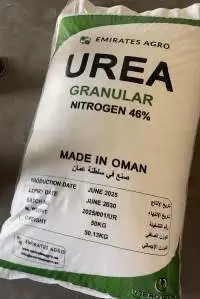
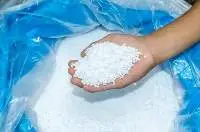
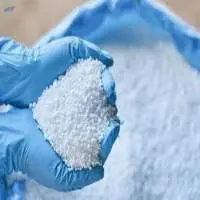
Urea, a nitrogen-rich compound with the chemical formula CO(NH), plays a significant role in the oil and gas industry, Urea, also known as carbamide, is a highly soluble organic compound. It is synthesized on a large scale from ammonia and carbon dioxide and is primarily used in fertilizers, which accounts for about 90% of its global production.
Chemical Properties
Molecular Formula: CO(NH)
Molar Mass: 60.06 g/mol
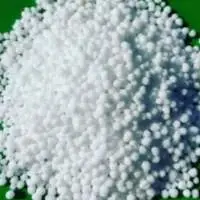
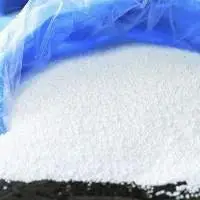
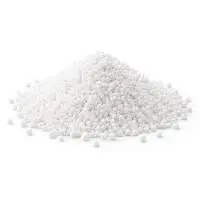
Appearance: White, crystalline solid
Melting Point: 133C (271F)
Solubility: Highly soluble in water, forming a neutral solution
Industrial Production
The production of urea typically involves the following steps:
Ammonia Production: Sourced primarily from natural gas (methane) through the Haber-Bosch process.
Reaction with Carbon Dioxide: Ammonia reacts with carbon dioxide to produce ammonium carbamate, which is then dehydrated to form urea and water:2 3 2+ 2NH 3 +CO 2 NH 2 CONH 2 +H 2 O
Diesel Exhaust Fluid (DEF): Urea is used to reduce nitrogen oxide (NOx) emissions from diesel engines. DEF, a mixture of 32.5% urea and 67.5% deionized water, is injected into the exhaust stream of diesel engines.
Oil Drilling Fluids: Urea can be used in drilling mud formulations to enhance the efficiency of the drilling process.
Chemical Manufacturing: Urea serves as a feedstock in the production of various chemicals such as melamine and urea-formaldehyde resins.
Desulfurization: It is used in processes to remove sulfur compounds from petroleum products.
Market Dynamics
Demand: The demand for urea is largely driven by its use in agriculture. However, industrial uses, including those related to the oil and gas sector, contribute significantly to its market.
Pricing: Urea prices are influenced by the cost of natural gas, the primary raw material, and global agricultural demand cycles and NEGOTIABLE
Environmental Impact: While urea itself is not hazardous, its overuse in agriculture can lead to environmental issues such as eutrophication.
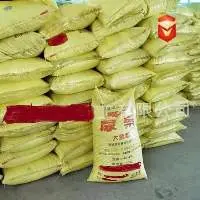
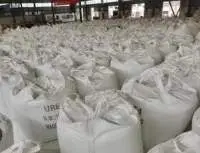
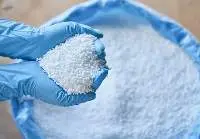
Handling and Storage: Urea should be stored in a cool, dry place away from moisture, as it is highly hygroscopic. It is considered non-toxic, but proper safety measures should be followed to avoid dust inhalation or skin contact.
Logistics: Efficient transportation and storage solutions are vital to maintain urea quality and manage costs.
Regulations: Compliance with international and local regulations regarding chemical handling, safety, and environmental impact is crucial.
Market Opportunities: Identifying and targeting markets with growing industrial and agricultural demand for urea can enhance profitability.
Origin: Russia/ Kazakhstan.
Contact us for more information
- High nitrogen content: Contains around 46% nitrogen, making it an efficient fertilizer for crops.
- Slow-release capability: Granules dissolve more gradually, which can enhance nutrient uptake by plants.
- Versatile application: Suitable for various soil types and crops.
Product Description
rea is the most important nitrogenous fertiliser in the country because of its high N content (46%N). Besides its use in the crops, it is used as a cattle feed supplement to replace a part of protein requirements. It has also numerous industrial uses notably for production of plastics.Although urea often offers farmers the most nitrogen for the lowest price on the market, special steps must be taken when applying urea to the soil to prevent the loss of nitrogen through a chemical reaction. Urea - Production TECHNICAL SPECIFICATION GRANULAR UREA 46% N Nitrogen: 46% min. Moisture: 0.5% max. Biuret: 1.4 % max. Granulation: 2 - 4 mm 90-94 % min. Melting Point: 32 Degrees Celsius Colour: Standard White or Pure White Radiation: Non - Radioactive Free Ammonia: 160pxt ppm max. Free Flowing, Treated against caking, 100% free from harmful substances
Origin :- Russia , Ukraine , Iran , Uzbekistan , Saudi , China , Egypt , Kazakhstan
Urea is a kind of high-concentration nitrogen fertilizer, which belongs to neutral quick-effect fertilizer and can also be used in producing various compound fertilizers. No harmful substances will be left in the soil, and long-time application will not cause adverse effects. Used in animal husbandry, it is feed of ruminants.
Urea is a highly effective nitrogen-based fertilizer widely used in agriculture to improve crop growth and increase productivity. It contains a high percentage of nitrogen, making it one of the most commonly used fertilizers for various crops, fruits, vegetables, and plantations. Apart from agricultural applications, urea is also used in industrial sectors such as chemical manufacturing, resins, adhesives, and animal feed production. Known for its high solubility and quick nutrient release, urea helps promote healthy plant development and improved yield.
Product Type: Urea Fertilizer
Nitrogen Content: Approximately 46%
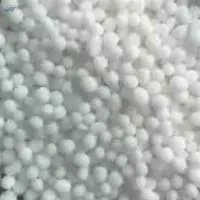
Appearance: White Granules / Prills
Solubility: Highly Soluble in Water
Moisture Content: Low
Purity: High Quality Agricultural Grade
Release Type: Quick Nitrogen Release
pH Value: Neutral to Slightly Alkaline
Usage: Agriculture, Industrial & Chemical Applications
Application: Suitable for cereals, fruits, vegetables, plantations & cash crops