Scrap Metal (Ferrous & Non-Ferrous) Recyclable Materials for Industrial Reuse
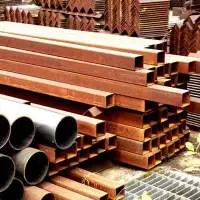
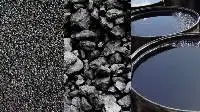
Our scrap metal offering includes a wide range of ferrous and non-ferrous materials sourced from industrial, commercial, and post-consumer waste streams. These materials are carefully sorted, processed, and prepared to meet industry standards, making them suitable for recycling, remelting, and manufacturing applications.
Ferrous scrap includes iron and steel-based materials such as HMS, shredded scrap, and structural steel, while non-ferrous scrap includes valuable metals like copper, aluminum, brass, zinc, lead, and nickel. These materials play a critical role in sustainable manufacturing by reducing the need for virgin raw materials and lowering environmental impact.
Key Features:
Wide range of ferrous scrap (steel, iron, HMS, shredded, etc.)
Non-ferrous scrap including copper, aluminum, brass, zinc, lead, and nickel
Sourced from industrial, commercial, and post-consumer materials
Sorted and processed to reduce contaminants and ensure quality
Suitable for remelting, refining, and industrial reuse
High recovery value across multiple industries
Available in bulk quantities for wholesale and export supply
Consistent supply for recycling and manufacturing sectors
Supports sustainable and environmentally friendly production
Steel Turnings Premium Ferrous Scrap for Industrial Recycling
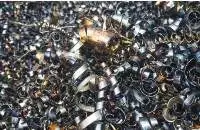
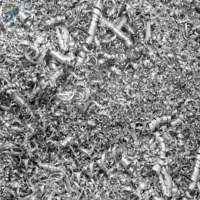
Our steel turnings consist of high-quality ferrous scrap generated from machining and metalworking processes such as drilling, milling, and turning operations. These small, curled or chip-like pieces are sourced from carbon steel and processed to ensure reduced oil content, minimal impurities, and consistent composition.
Steel turnings are widely used in steelmaking and foundry applications, particularly in electric arc furnaces (EAF), where they serve as a supplementary raw material. When properly prepared and free from excessive moisture and contaminants, they offer efficient melting characteristics and contribute to cost-effective steel production.
Key Features:
Ferrous scrap derived from machining operations (turnings/chips)
Typically composed of carbon steel materials
Cleaned and processed to reduce oil, moisture, and contaminants
Suitable for steel melting in EAF and induction furnaces
Compact form for easy handling and bulk transportation
Consistent material for recycling and industrial use
Available in bulk for wholesale and export supply
Carefully handled to meet industrial quality requirements
HMS 1 (Heavy Melting Scrap 1) Premium Ferrous Scrap for Steel Production
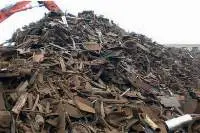
Our HMS 1 (Heavy Melting Scrap 1) is high-quality ferrous scrap material sourced and prepared for use in steelmaking and metal recycling industries. It consists of heavy-gauge steel scrap with a minimum thickness of 6 mm or more, ensuring consistent melting performance and efficient furnace processing.
This grade is free from excessive rust, non-ferrous materials, and contaminants, making it suitable for electric arc furnaces (EAF) and induction furnaces. HMS 1 is widely used as a primary raw material in the production of new steel products across construction, manufacturing, and industrial sectors.
Key Features:
Heavy gauge ferrous scrap (typically 6 mm thickness)
Cleaned and sorted with minimal impurities
Free from excessive contaminants, non-metallics, and hazardous materials
Suitable for steel melting in EAF and induction furnaces
Consistent composition for efficient processing
Ideal for recycling and steel manufacturing industries
Bulk supply available for industrial and export use
Carefully handled and prepared to meet industry standards
Product Description :
Bitumen is widely used in the construction of asphalt roads and bituminous membrane products. Bitumen is commonly used to build highways, motorways and rail networks. Bitumen has excellent water-proofing properties and is widely used for making roofing products along with a range of other household and industrial applications, from emulsion paints to sound-proofing. Penetration Bitumen and Bitumen Emulsions are used for the construction of railway tracks and by using special types of bitumen such as Polymer Modified Bitumen, the vibration and noise levels are reduced due to a dampening effect. Bitumen has been proven to be effective on both high-speed railway tracks and heavy load railway tracks. Bitumen is also used for surfacing airfield runways and air strips (PMB is preffered due to its fuel resistant properties) and taxi ways. For the Marine construction industry bitumen is used for hydraulic applications such as canal lining, underwater tunnels, river bank protection, dam construction and sea defences. There are also numerous industrial applications like roofing felt material, printing inks, packaging paper, linoleum, electrical cable / Junction box insulation, mastic for roofing of terraces, and duplex paper manufacture.
Price of product ( USD price or FOB price) :
3.000 MT monthly market price.
10.000 MT monthly market price Less 5%.
Product origin : Russia and Non Russia
Key Specifications/Special Features :
Specifications for types/grades of Oil Bitumen according to buyer specifications and/or will be given upon received buyer credible purchase request in the form LOI/ICPO docs.
Minimum Order Size and Packgaing details :
MOQ 3000 MT
Bulk in tanker vessels.
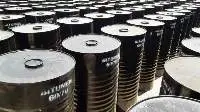
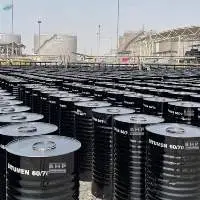
Drums 150/180/200 Kg.
Jumbo bags 1000 Kg.
Poly bags 32 Kg.
Tanks 20 MT.
The term bitumen refers to a substance produced through the distillation of crude oil Bitumen is known for its waterproofing and adhesive properties and is commonly used in the construction industry notably for roads and highways The two Bitumen grades are 6070 and 80100 The difference between 6070 and 80100 penetration grade is the penetration range Bitumen 6070 has lower penetration which means it is harder than bitumen 80100 Bitumen 6070 is better suited for use in hot climates and can withstand heavy traffic loads unlike bitumen 80100 According to the ASTM D36 method the softening point of bitumen 6070 is between 49 to 56C and the flash point of bitumen 6070 is 250 C Another important factor is density Due to the ASTM D70 the density of bitumen 6070 is equal to 10344 Bitumen Penetration Grade 85100 is a standard penetration grade Bitumen usually used as a Paving Grade Bitumen suitable for road construction and for the production of asphalt pavements with superior properties This grade of Bitumen is mainly used in the manufacture of hot mix asphalt for bases and wearing courses
Bitumen is a black, semi-solid or liquid substance with high viscosity produced by the non-destructive distillation of crude oil during petroleum refining. The core industry using bitumen is road construction (asphalt) and another significant field is the building industry (roofing membranes, water-proofing felts)
Technical Details:
Penetration at 25C: 60-100
Softening Point: 46-52C
Flash Point: 230C min
Ductility at 25C: 100 cm min
Trading Details
Origin: Republic of Kazakhstan
Incoterms: CIF/FOB
Loading Ports: Port of Aktau, Rotterdam, Houston, etc.
Payment Guarantee: SBLC, DLC
Payment Terms: MT103 or TT
Performance Bond: 2% PB
Contract Term: 12 months minimum (with rolls and extensions)
Inspection: SGS, CIQ or similar