
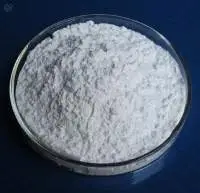
Chemical name: I-(14)-2-amino-2-deoxy-D-glucose Glycan formula: (C 6H 11NO 4)n Molecular weight of chitosan: Chitosan is a mixed molecular weight product, and the molecular weight of the unit is 161.2 Chitosan CAS Code: 9012-76-4 Usage for Chitosan 1. For Industry grade Chitosan, Industrially, it can be made into a new type of chitin-type fabric finishing agent that does not contain formaldehyde, with good mechanical strength and chemical stability. In terms of environmental protection, chitosan can be used for the treatment of industrial wastewater and heavy metals extraction. 2. Food grade Chitosan can be used as adhesive, humectant, clarifier, filler,emulsifier, glazing agent and thickening stabilizer in food industry. It can also be used as a functional oligosaccharide to lower cholesterol and improve immunity. Package for Chitosan Fiber drums lined with two layers of polyethylene film plastic bags (25.0kg), or packaging as required by the customer. Storage for Chitosan Storage in clean and dry place.
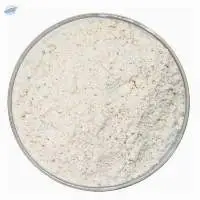
INCI Name: CARBOXYMETHYL CHITOSAN Molecular Formula: C20H37N3O14 Molecular Weight: 543.52 Appearance: White fine powder Purity: 98% CAS NO.: 83512-85-0 EINECS No.: 695-802-6 Application: cosmetics and skin care products Supplier: ZHENYIBIO Carboxymethyl chitosan in cell anti-inflammatory experiments,it can significantly reduce IL6 and TNF�± levels.It also shows anti-inflammatory effects in human experiments; animal experiments promote skin stratum corneum Forming cell generation, accelerating the repair of the skin surface stratum corneum, indicating that it has a skin barrier repair function; it can quickly alleviate the itching of the skin caused by histamine, and significantly alleviate the tingling sensation caused by skin allergies. Animal experiments have confirmed its antipruritic effect.
Agro grade chitosan liquid manufactured from marine derivatives and blended for best results.
Price: DEPEND ON QUANTITY AND KINDS . Specification: 95% Brand Name : Chemcohealth Place Of Origin : China Moq : 10kgs Color : White
Cas No.;9012-76-4 Content;85%,90%, 95% Fuction : 1.agriculture, chitosan is used primarily as a natural seed treatment and plant growth enhancer, and as a ecologically friendly biopesticidesubstance that boosts the innate ability of plants to defend themselves against fungal infections. 2. Chitosan's properties allow it to rapidly clot blood, and has recently gained approval in the United States and Europe for use in bandages and other hemostatic agents. 3. Chitosan's properties also allow it to be used in trans-dermal drug delivery. Packing:25kg/drum,20kg/carton.
Chitosan , unsolved in water but tenuous acid and absorbed in body is abstracted from chitin. As the first derivation , it, with chemical structure of alkyl polysaccharide polymer with cation, has peculiar physical and chemical capability and biological activating function Appearance: white to light yellow flake or powder; Item : industrial grade ;food grade; pharmaceutical grade; high density grade; Deacetylated dgree%:fª70, fª85, fª90, fª90; Moisture %f_12.0, f_10.0, f_8.0, f_8.0; Ash : f_2.0, f_1.0, f_1.0, f_1.0; Heavy metals ppm: f_10; Bulk density g/ml: fª0.3; Total plate counting cuf/g: f_1000; E.Coli: f_30.
Chitosan Appearance: white to light yellow flake or powder Moisture %f_12.0 1. Being good for the immunity system by strengthening the liver function 2. Has been greatly applied as the food protecting health and medicine additive Item : industrial grade ;food grade; pharmaceutical grade; high density grade Packing : 12.5kg/sack(weaved) ; 10kg/drum(fiber); 10kg/drum(fiber); 20kg/drum(fiber)
Chitosan Plastic botle. 1 kg. One lot contain 10 kg. Dimention 40x100x40 cm
Technical Specification of Chitosan Product Name : - Chitosan Cas No. : - 9012-76-4 1 Description - Brown - Off White Flakes (or) Powder 2 Particle Size - Flakes - 10 to 30 Mesh 3 Solubility (1 Grm in 1% Aa ) - Soluble (Residue Less Than 1%) 4 Moisture Content - Less Than 7% 5 Ash Value - Less Than 1% 6 Viscosity - Above 25 Cps to Less Than 2000cps 7 Degree of Deacetylation - > 80% (Above) 8 Heavy Metals - Passes With an Objective to Fulfill the Ever Evolving Demands of Our Clients, We Are Engaged in Offering a Wide Assortment of Chitosan Powder Da Above 80%
Chitosan product Name: Chitosan Synonyms: beta-(1,4)-2-Amino-2-deoxy-D-glucose; beta-1,4-Poly-D-glucosamine; Deacetylated chitin; Poliglusam; Poly-D-glucosamine; ; 2-amino-2-deoxy-beta-D-glucopyranosyl-(1->4)-2-amino-2-deoxy-beta-D-glucopyranosyl-(1->4)-2-amino-2-deoxy-beta-D-glucopyranosyl-(1->4)-2-amino-2-deoxy-beta-D-glucopyranosyl-(1->4)-2-amino-2-deoxy-beta-D-glucopyranosyl-(1->4)-2-amino-2-deoxy-beta-D-glucopyranosyl-(1->4)-2-deoxy-2-[(methoxycarbonyl)amino]-beta-D-glucopyranosyl-(1->4)-2-amino-2-deoxy-beta-D-glucopyranosyl-(1->4)-2-amino-2-deoxy-beta-D-glucopyranose Molecular Formula: (C6H11NO4)n CAS Registry Number: 9012-76-4 Assay:90% Packing:25kg/Drum
Chitosan is a biopolymer derived from chitin, which is found in the exoskeletons of crustaceans like shrimps and crabs. It is widely recognized for its biocompatibility, biodegradability, and non-toxicity, making it suitable for various applications. Applications: 1. Biomedical: Chitosan is used in various biomedical applications, including wound dressings, scaffolds for tissue regeneration, drug delivery systems, and dental materials. 2. Nutraceuticals: Chitosan is sometimes used in dietary supplements for its purported cholesterol-lowering and weight loss properties, although scientific evidence supporting these claims is limited. 3. Agrochemicals: Chitosan-based formulations are used in agriculture as biopesticides, plant growth promoters, and soil amendments due to their biocompatibility and biodegradability. 4. Food and Beverage: Chitosan is employed in the food industry as a natural preservative and clarifying agent, as well as in wine and beer production to remove impurities. 5. Cosmetics: Chitosan is utilized in cosmetic formulations for its moisturizing, film-forming, and texturizing properties, appearing in products such as creams, lotions, and hair care products. Specifications- Ash: Less than 1% Moisture: Less than 15% pH: Between 6-8 Degree of deacetylation: More than 75% Viscosity (1% soln. in 1% acetic acid): More than 100cps Heavy Metal (pb): Less than 10 ppm Heavy Metal (As): Less than 1 ppm Total Plate Count: Less than 3000 cfu/g E Coli: Negative
Chitin is one of the most abundant natural biopolymers and naturally occurring polysaccharide without amino sugars in the world. Chitosan is an off-white, fine, and odorless powder that is derived from crab and shrimp shells. Chitin is the second most abundant natural biopolymer in the world, behind only cellulose. It is also the most abundant naturally occurring polysaccharide that contains amino sugars. Chitin occurs as a component of crustacean shells, insect exoskeletons, fungal cell walls, microfauna and plankton. Chitosan is obtained by de-acetylation of chitin.
Hello sir, My name is bujang from indonesia and i have best chitosan in the world, I want suppy your chitosan needs, i also supply herb and spieces dried and fresh, organik and regullar. .
We have availabe to supply and export, and now taking orders for CHITOSAN HIGH DENSITY on a regular basis. We would be pleased to offer quotation for supply and export of products listed below; Product: Chitosan Powder HIGH DENSITY Origin: USA Product Specification: Particle size: 40 - 80 Mesh Packing: 25KGS EXPORT WORTHY FIBER DRUMS WITH POLYETHYLENE LINER Minimum order quantity: 5MT Documents/Certificates: Commercial Invoice, packing list, certificate of origin and hygiene, HACCP, ISO, GMP, FDA, etc. Our products are of premium quality and fair market price, and we can export to American, European, Asian, Middle East and other countries. Kindly Contact us for more information and price with your company required quantity and delivery destination. Regards FIBER DRUMS WITH POLYETHYLENE LINER
Chitosan oligosaccharide Appearance :light yellow powder Solubility: fª99(by water) Loss on drying: f_10.0 Residue on ignition: f_1.0 Particle size mesh: fª80 Ph :5.0-7.0 Molecular weight:6000-10000 Heavy metal ppm: f_10 Lead: f_0.5 Oligosaccharide application prevents accumulation of fat cells in internal organs, in particular, in kidneys after alcohol intake. Oligosaccharides significantly prevent negative impact of the alcohol on the liver.
Carboxymethyl chitosan Appearance: white or light yellow flake or powder Odour : odourless Insoluble content: f_1.0 Moisture %: f_15 Viscosity mpa.S: 10-1000 Degree of substitution%: fª80 Ph: 7-9 Heavy metals ppm: f_10
Chitosan Fiber Chitosan is natural high molecule amino polysaccharides polymer extracted from the shell of crabs and shrimps. It is the sole animal cellulose with positive charge discovered in the nature till now. It is regarded as the sixth vital factor essential for human being besides the sugar, protein, fat, vitamin and mineral substance. It can be widely applied the fields of food, medicine, textile, cosmetic, agriculture, chemistry and environmental protection. Based on the function of chitosan fiber, it can be widely used in high-grade dressing and gauze in medical field.Functional underwear and antibacterial yarn in textile field;Health field functional mask, wet towel, sanitary napkin, baby diapers, etc. Naturally Anti-Bacterial  Promoting healing and regeneration  Strengthening immunity Adsorption protection
CAS NO. :- 9012-76-4 ORIGIN:- USA Minimun Quantity:- 25kgs Apearence:- Slight Yellow Application :Chitosan has a number of commercial and possible biomedical uses. It can be used in agriculture as a seed treatment and biopesticide, helping plants to fight off fungal infections. In industry, it can be used in a self-healing polyurethane paint coating.
CAS NO. :- 9012-76-4 ORIGIN:- USA Minimun Quantity:- 25kgs Apearence:- Slight Yellow Application :Chitosan has a number of commercial and possible biomedical uses. It can be used in agriculture as a seed treatment and biopesticide, helping plants to fight off fungal infections. In industry, it can be used in a self-healing polyurethane paint coating.
Chitosan flakes in 25 kg HDPE bag
