During Hindalco's copper production process, by-products such as sulphuric acid and copper slag are formed. Sulphuric acid is partly converted into phosphoric acid, which is then made to react with ammonia to make di-ammonium phosphate (DAP) fertiliser. During the process of making phosphoric acid, phosphogypsum and hydrofluosilicic acid (HFA) are formed. HFA is partly utilised to make aluminium fluoride, and rest is sold in the market.
Sulphuric acid
Hindalco produces sulphuric acid of IS 266/1993 technical grade. The sulphuric acid plants use the double contact double absorption (DCDA) process, and are designed by Monsanto Envirochem (USA).
Phosphoric acid
Hindalco's phosphoric acid plant is based on the Prayon Mark IV dihydrate technology provided by SNC Lavalin (Belgium).
Phosphogypsum
Phosphogypsum is a by-product of Hindalco's phosphoric acid plant.
Copper slag (iron silicate)
Copper slag is produced during the smelting process at Hindalco's copper smelter located at Dahej.
Aluminium fluoride
Hindalco produces aluminium fluoride by reacting HFA (a by-product of the phosphoric acid plant) with aluminium hydroxide (from Hindalco's aluminium manufacturing facilities).
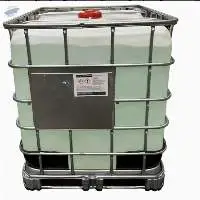
Versatile industrial chemicals widely used in manufacturing, metal treatment, cleaning, pH control, and chemical synthesis, playing a key role in enhancing product performance and process efficiency.
Form: Liquid (most common), sometimes concentrated solutions
Appearance: Clear to slightly colored liquid (depending on acid type)
Purity / Assay : 30% - 99.9% (varies by acid type)
Appearance : Clear / colorless to slightly yellow liquid
Odor : Pungent / characteristic acidic smell
Density : Varies by acid (1.0 - 1.84 g/cm typical)
Solubility Completely miscible with water (most acids)
pH : Strongly acidic (pH 0 - 3 typical)
Concentration: 98% min (industrial grade)
Appearance: Clear to slightly oily liquid
Density: ~1.84 g/cm
Key use: Fertilizers, chemicals, batteries
Sebacic acid has a wide range of uses, mainly used to prepare sebacic acid esters, such as dibutyl sebacate, dioctyl sebacate and Diisooctyl sebacate. These esters can be used as plasticizers for plastics, cold resistant rubber, polyamide, polyurethane, alkyd resin, synthetic lubricating oil, lubricating oil additives, spices, coatings, cosmetics, etc. It can also be used as raw material for the production of nylon 1010, nylon 910, nylon 810, nylon 610 and nylon 9, and as raw material for high temperature resistant lubricating oil diethylhexyl ester. It is also the raw material for the production of plasticizer, softener and solvent for alkyd resin (used as surface coating, plasticized nitrocellulose coating and urea resin varnish) and polyurethane rubber, cellulose resin, vinyl resin and synthetic rubber.
Hot selling Sebacic acid Decanedioic Acid with new batch CAS 111-20-6
Oxalic Acid Property:
White transparent crystal combining two crystal water, melting point: 101-102oC, specific gravity:1.653,easily sublimate at 100oC, easily dissolve in alcohol and water.
CAS NO.: 6153-56-6
Molecular Formula: H2C2O4.2H2Oint: 101-102 ºC
Application:
Metallurgy: Industry: as precipitating and resolving agent for rare earth metal, etc.
Organic synthesis: for 2123 resin, urea fform aldehyde powder, etc.
Light Industry: Polish of mable, removing rust, bleaching products of leather, wood and aluminium,etc.
Printing Industry: to be used as dyeing agetn.
Medicine Industry: for making tetracydine, HCl, etc.
Others: as laboratory agent, solvents activator and basic materials for chemical industry.
Product Name: Stearic acid price/price of stearic acid
Active ingredients: Stearic acid
Specification: 98%
Testing Method: HPLC
Appearance: White soft small pieces
English name: Stearic Acid Stearic Acid oil plant and animal products - 829 this product in solid fatty acids, main ingredients for Stearic Acid (C18H36O2) and palmitic Acid (C16H32O2).
Application:
1. Metallic salts, lubricant and plasticizer in plastic industry
2. the curing active ingredient, the softener, the dispersing agent in the rubber industry
3. raw materials for different wax, like candle wax, tea wax etc.
4. the softening cream, cold cream in the cosmetics greasy raw materials
5. the softening agent in the paper industry
6. the emulsifier, the dispersing agent, the quality modifier in food industry
Packing:
20kg/ bag, 17MT/20FCL, no pallets;12MT/20FCL with pallet;24MT/40FCL
oxalic acid
Oxalic acid is an organic substance with the chemical formula of C It is a metabolite of organisms. It is a binary weak acid, which is widely distributed in plants, animals and fungi and plays different functions in different organisms. It is found that more than 100 kinds of plants are rich in oxalic acid, especially spinach, amaranth, sugar beet, purslane, taro, sweet potato and rhubarb. Because oxalic acid can reduce the bioavailability of mineral elements, it is easy to form calcium oxalate with calcium ions in human body, resulting in kidney stones, oxalic acid is often considered as an antagonist for the absorption and utilization of mineral elements. Its anhydride is carbon trioxide.
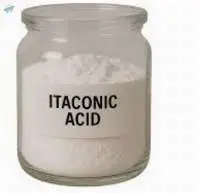
Itaconic Acid (CAS No. 97-65-4) is a white crystalline unsaturated dicarboxylic acid widely used in the chemical, polymer, and specialty materials industries. It is primarily produced through fermentation processes and serves as an important bio-based building block for the manufacture of resins, coatings, adhesives, plastics, and superabsorbent polymers. Itaconic Acid is extensively utilized to enhance polymer flexibility, adhesion, and biodegradability, making it valuable in environmentally friendly and sustainable material formulations. It also finds applications in water treatment chemicals, detergents, and pharmaceutical intermediates. Known for its renewable origin, high reactivity, and versatility, Itaconic Acid is an important raw material in green chemistry and advanced industrial applications.
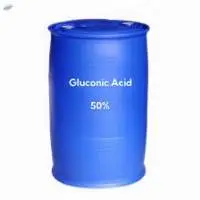
Gluconic Acid 50% (CAS No. 526-95-4) is a clear, light-colored aqueous solution widely used in food, pharmaceutical, cosmetic, and industrial applications. It is a mild organic acid derived from glucose and is known for its excellent chelating, sequestering, and pH-regulating properties. Gluconic Acid 50% is extensively utilized in cleaning formulations, metal surface treatment, textile processing, concrete admixtures, and water treatment systems. In the food and pharmaceutical industries, it is used as a stabilizer, acidity regulator, and mineral supplement component. Known for its biodegradability, safety, and versatility, Gluconic Acid 50% is a valuable ingredient in modern industrial and consumer product formulations.
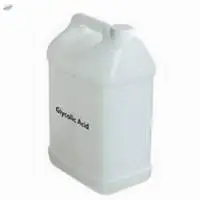
Glycolic Acid (CAS No. 79-14-1) is a colorless to white crystalline organic acid widely used in the pharmaceutical, cosmetic, and industrial sectors. It is the smallest alpha-hydroxy acid (AHA), known for its excellent skin penetration and exfoliating properties. Glycolic Acid is extensively utilized in skincare formulations for chemical peels, anti-aging treatments, acne control, and skin renewal products due to its ability to remove dead skin cells and promote collagen production. It is also used in textile dyeing, leather processing, cleaning agents, and polymer synthesis. Known for its high purity, effectiveness, and multifunctional applications, Glycolic Acid is a valuable ingredient in personal care, healthcare, and industrial chemical markets.
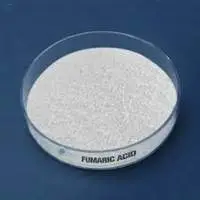
Fumaric Acid (CAS No. 110-17-8) is a white, crystalline organic acid widely used in the food, pharmaceutical, and industrial sectors. It occurs naturally in various plants and is primarily utilized as an acidity regulator, flavor enhancer, and preservative in food and beverage products. Fumaric Acid is extensively used in bakery products, beverages, confectionery, and processed foods to improve taste stability and shelf life. In the pharmaceutical industry, it serves as an important intermediate and pH-adjusting agent in tablet formulations and medicinal compounds. It is also used in unsaturated polyester resins, alkyd resins, and specialty chemical applications. Known for its high purity, stability, and safety, Fumaric Acid is a versatile and valuable ingredient in global food, healthcare, and chemical industries.
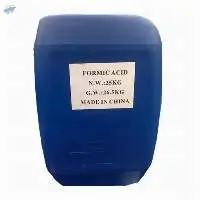
Formic Acid (CAS No. 64-18-6) is a clear, colorless, and highly corrosive organic acid with a sharp pungent odor. It is one of the simplest carboxylic acids and is widely used across the chemical, textile, leather, rubber, and agricultural industries. Formic Acid serves as an important intermediate in chemical synthesis and is extensively utilized in leather tanning, textile dyeing, rubber coagulation, and as a preservative and antibacterial agent in livestock feed. It is also used in pharmaceuticals, cleaning agents, and various industrial formulations due to its strong reducing and acidic properties. Known for its high reactivity and broad industrial applicability, Formic Acid is an essential chemical in global manufacturing and processing industries.
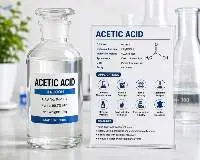
Acetic Acid is a clear, colourless liquid with a characteristic sharp, vinegar-like odour. Glacial Acetic Acid is the high-purity form, typically containing 99.5%+ acetic acid. It is an important organic acid and versatile raw material used across chemical, textile, pharmaceutical, food and industrial sectors.
Applications of Acetic Acid
Chemical Industry: Used as a raw material for producing acetates, acetic anhydride, vinyl acetate and other chemicals.
Textile Industry: Used in dyeing, finishing and textile processing.
Pharmaceuticals: Used as a chemical intermediate and in pharmaceutical manufacturing processes.
Food Industry: Diluted acetic acid is used as an acidity regulator and preservative where permitted.
Paints & Coatings: Used in the manufacture of resins, coatings and related chemicals.
Leather Processing: Used for pH adjustment and processing in leather manufacturing.
Cleaning Products: Used in selected cleaning and descaling formulations.
Laboratories: Used as a reagent and solvent in chemical analysis and research.
Adhesives & Polymers: Used in the production of vinyl acetate and polymer-related materials.
Appearance: white crystalline powder
Cas No:501-30-4
EINECS No: 207-922-4
Molecular Formula: C6H6O4
Model:
Cas No:501-30-4
Brand:
Soleado
Kojic acid is an organic compound with a chemical formula of C6H6O4. It is mainly used as a whitening agent, food additive, and also as a preservative, preservative, and color-protecting agent.
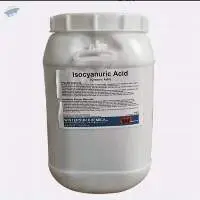
Isocyanuric Acid also known as Cyanuric Acid is a white odorless solid. Its an industrial chemical that is used as a raw material and precursor to prepare cyanuric acid bromide, chloride, iodine chloride, bromo chloride, and its cyanurate ester which are used to manufacture , bleaches, paints, herbicides, plastic, nylon, resin, chlorine stabilizer, chlorinating/bromination agents, antioxidants, metal cyanide mitigants and polyester flame retardant.
Isocyanuric Acid (Cyanuric Acid)
09-020-01
Sales Specification
Assay (%): 98.5 Min
PH (1% Solution): 2.8 Min
Moisture, %: 0.5 Max
Residue of Ignition (Ash), %: 0.1 Max
Ferric Content, PPM: 10 Max
Concentration of Ammelide & Ammeline, %: 0.5 Max
Ammonia, PPM: 20 - 200
Packing
Packaging plastic woven bag, 25kg net composite paper-plastic bags or 3-ply kraft paper bags with PE liner, 500kg or 1000kg net PP woven Jumbo bags
Storage Kept in a light-proof, well-closed, dry and cool place
Main Usage Citric Acid is mainly used as acidulant, flavoring agent, preservative and antistaling agent in food and beverage industry.it is also used as antioxidant, plasticizer and detergent in chemical, cosmetics and cleaning industries.
We can supply Acetic Acid Industrial Grade and Food Grade.
Commodity:Acetic acid.
Other name: Glacial acetic acid
Molecular formula CH3COOH
CAS:64-19-7
EC No.200-580-7
Introduction:
Annual capacity of our glacial acetic acid is 350,000.the raw material is methanol.we use a new technical process to produce: Methanol decomposition.
the most important characteristic of this way are as following:
mild oder; high quality--can reach 99.99%min; low cost--30% lower than oil decomposition and ethanol decomposition way.
Specifications:
Apha color:<10
Freezing point: 16
Specific gravity:1.04
Acetid acid: 99.8%
Acetaldehyde: 0.004%
Formic acid: 0.06%
Iron: 0.00004%
Non-Volatile Matter: 0.003%
The heavy metal(As Pb counts): 0.00002%
Hypophosphorous Acid (HPA) also known as phosphinic acid is a colorless low-melting compound,it is used in applications like; as catalyst during esterification alkyd synthesis, reducing agent for electro less nickel plating, bleaching agent in synthetic fibers, color stabilizer during the manufacturing of chemicals and plastics and is also used in various organic chemistry applications. HPA serves as a neutralizing agent, antioxidant, catalyst in polymerization and poly condensation, and wetting agent. Further, it is used in the formulation of pharmaceuticals, discoloration of polymers, water treatment and retrieval of precious or non-ferrous metals.
Specifications
Stearic Acid CAS No.: 57-11-4
Chemical Formula: C18H36O2 CH3(CH2)16COOH
Molecular Weight: 284.48
Properties: Pure product is small pieces of wax crystals in white with slightly luster
Application: Mainly used in producing stearate; Sodium stearate; Magnesium stearate; Calcium stearate; Lead stearate; Aluminum stearate; Cadmium stearate; Ferric stearate; Potassium stearate. Also widely used in the raw materials such as plastic cold plasticizer; Stabilizer; Surfactant; Stripping punishment; Rubber vulcanization accelerator; Medical relief agent, polishing paste, metal mineral flotation agent, high melting point grease, waterproofing agents and the production of cosmetics cream. Besides, also be used as oil-soluble paint solvents, crayons transfer lubricant, wax Polish, stearic acid glyceride emulsifier, etc.
Deoxycholic acid (conjugate base deoxycholate), also known as cholanoic acid and 3�±,12�±-dihydroxy-5�²-cholan-24-oic acid, is a bile acid.
Deoxycholic acid is one of the secondary bile acids, which are metabolic byproducts of intestinal bacteria. The two primary bile acids secreted by the liver are cholic acid and chenodeoxycholic acid. Bacteria metabolize chenodeoxycholic acid into the secondary bile acid lithocholic acid, and they metabolize cholic acid into deoxycholic acid. There are additional secondary bile acids, such as ursodeoxycholic acid. Deoxycholic acid is soluble in alcohol and acetic acid. When pure, it comes in a white to off-white crystalline powder form.
EINECS No - 201-335-7
Color - White Powder
Purity - 98%
Function
1. treating and preventing cerebral thrombus;
CAS NO.: 87-90-1
DG Class: 5.1
Solubility(25 C): 1.2g/100g water
Available Chlorine: 90%
Moisture: 0.5%
Granular: 8-30mesh,20-60mesh(or decided by customer)
Tablet: 1g,3g,5g,15g,50g,100g(or decided by customer)