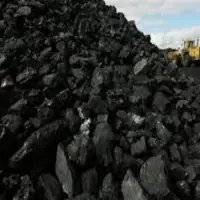
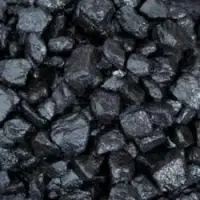
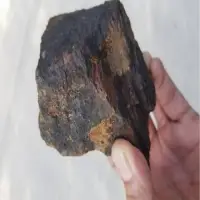
Metallurgical coal or coking coal is used in the process of creating coke necessary for iron and steel-making. Coke is a porous, hard black rock of concentrated carbon that is created by heating bituminous coal without air to extremely high temperatures
Origins: Indonesia, Australia, Iran, Russia, Colombia
Thermal coal, also known as steam coal , is used for power and heat generation. In electricity generation, thermal coal is ground to a powder and fired into a boiler to produce heat, which in turn converts water into steam
Origins: Indonesia, South Africa, Russia, Colombia, Australia
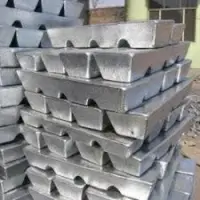
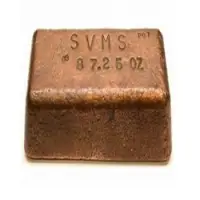
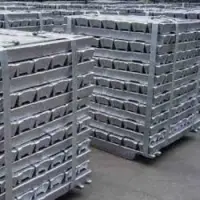
Lead ingots. Often lead ingots are purchased by enthusiasts who wish to cast their own items, such as lead bullets and lead fishing sinkers and other lead ballast applications. ... Lead ingots can be manufactured to required purity levels or as alloys of Antimony and Tin with defined properties
Origins : Canada, Poland, Denmark, Saudi, Russia, China
An ingot is a piece of relatively pure material, usually metal, that is cast into a shape suitable for further processing. In steelmaking, it is the first step among semi-finished casting products
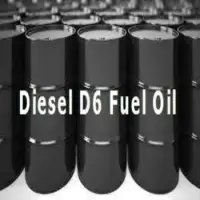
D6 Diesel Virgin Bunker Fuel. Bunker fuel or bunker crude is technically any type of fuel oil used aboard vessels. ... The standard divides fuels into residual and distillate fuels
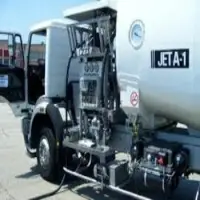
Jet fuel, aviation turbine fuel, or avtur, is a type of aviation fuel designed for use in aircraft powered by gas-turbine engines. It is colorless to straw-colored in appearance
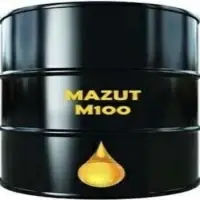
Mazut is a heavy, low quality fuel oil, used in generating plants and similar applications. In the United States and Western Europe, mazut is blended or broken down, with the end product being diesel
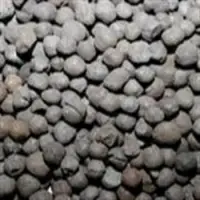
Metallurgical coke or Met coke in short is a hard carbon material produced in the process of the destructive distillation of various blends of bituminous coal. It is produced by carbonization of coal at high temperatures (1100 C) in an oxygen deficient atmosphere in a coke oven.
Origins : Colombia, Australia, China, Malaysia, Russia
Examples of fuel oil uses include heating up homes and fuel trucks to lighting up furnaces, producing steam for industrial uses and for generating electric energy. It is produced from the burnable liquids derived from crude oil and is also called kerosene, home heating oil, diesel fuel or coal oil
ULSD is a cleaner-burning diesel fuel that contains 97% less sulfur than low-sulfur diesel (LSD). ULSD was developed to allow the use of improved pollution control devices that reduce diesel emissions more effectively but can be damaged by sulfur
Cycle oil is a light lubricating oil suited for use on bicycles and similar devices. It is a liquid residue produced in the petroleum industry when catalytic cracking is employed to convert heavy hydrocarbon fractions remaining from earlier stages of crude oil refining into more valuable lighter products
Direct reduced iron (DRI), also called sponge iron, is produced from the direct reduction of iron ore (in the form of lumps, pellets, or fines) to iron by a reducing gas or elemental carbon produced from natural gas or coal. Many ores are suitable for direct reduction.
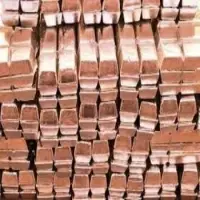
Used as raw materials in copper smelting, copper concentrates have a copper content of about 30% by weight. ... Copper concentrates are made mostly from sulfide ores. Ores extracted from overseas mines have a typical grade of about 1%. The ores are then "dressed" at the mine to increase the purity and produce concentrate.
An oxide is a chemical compound that contains at least one oxygen atom and one other element in its chemical formula. Oxide itself is the dianion of oxygen, an o2 atom. Metal oxides thus typically contain an anion of oxygen
Nitrous oxide
Zinc Oxide
Magnesium oxide
Iron oxide
Aluminum oxide
Cerium oxide
Red oxide
Copper oxide
Lead oxide
Calcium oxide
Graphene oxide
Scandium oxide
Ethylene oxide
Nickel oxide
Propylene oxide
Molybdenum oxid
Tin oxide
Silver oxide
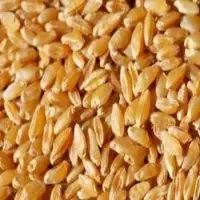
Durum wheat, also called pasta wheat or macaroni wheat, is a tetraploid species of wheat. It is the second most cultivated species of wheat after common wheat, although it represents only 5% to 8% of global wheat production
Origin : Ukraine, Pakistan, Russia, India, Turkey, Poland
Zinc Ingot. ... Zinc ingots are mostly used in combination with other metals, such as Mixed Metal Ingots. The Zinc Ingots are obtainable in number of sizes to meet the specific demands of the clients
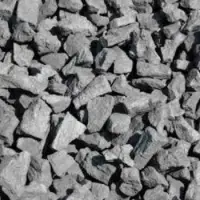
Aggregates are the most mined materials in the world. Aggregates are a component of composite materials such as concrete and asphalt concrete; the aggregate serves as reinforcement to add strength to the overall composite material