Canned fruits, canned seafood, canned chicken
Canned mutton , lamb, chicken, meat
Frozen chicken,and canned tuna
Beef, chicken, canned seafood, fresh seafood, wheat, sugar, rice
Chicken, beef, seafood, canned seafood, fresh product like wheat, grain
Chicken, beef, seafood, canned seafood, wheat, sugar, dates, palm oil, copper, soybeans, canned fruit
Chicken, frozen chicken, chicken paws, chicken feet, dairy, beef, canned seafood, grain, infant formula and whole milk powder
Chicken, beef, pork, , poultry, frozen chicken, chicken paws, chicken feet, paws, wings, chicken wings, sugar, thai sugar, icumsa 45, ic45, fresh seafood, canned seafood, canned seafood, canned fish, canned tuna, canned mackerel, canned sardine, frozen seafood, tuna, salmon, kingfish, prawns, shrimp, soya beans, soya bean, soybean, maize, yellow corn, corn, uht milk, long life milk, infant formula, milk powder, australian beef, beef, en590, d2, d6, lng, lpg, mazut, middle distillate fuels
Chicken, beef, seafood, canned seafood, wheat, sugar, corn, grain
Frozen food like samosa, spring rolls, frozen food, samosa, spring rolls
Frozen food, beverages, confectionery, nuts
Jet a1, en590, gas, iron ore, copper cathode, coking coal, pet coke, lithium, aluminium ingots, chicken feet/paws, chicken pieces, frozen beef, frozen chicken and pieces, soybeans non gmo & gmo, yellow corn, wheat grain, s 30 sugar, icumsa sugar 45, soybean oil, sunflower oil, rice, produces, canned foods & crops products
Couscous, harrisa (spicy chilly pasta), rose water, cactus seeds oil, canned tuna, sardines and mineral water, Olive Oil
Canned fruit: peaches, apricots, pears, pineapple, berries.
canned vegetables: mushrooms (whole & pieces), corn kernels, creamed corn, asparagus spears, whole baby carrots, green peas, peas and corn, diced beetroot.
canned legumes: chick peas, red kidney beans, 4 bean mix, black beans.
canned tomatoes: whole, diced, crushed, puree.
vinegar: white, malt balsamic glaze.
pasta: all varieties durum wheat.
biscuits savoury: cracker squares, water cracker (original, cracked pepper, rosemary)
spreads: nut butters peanut, almond, cashew and fruit jams
snack foods: stacked chips, wasabi peas, roasted chickpeas, roasted fava beans.
biscuits sweet: family assorted cream, gingernut cookies, wafer biscuits (creme choc, vanilla), nice.
coffee: sustainable roasted beans, granulated
breakfast: corn flakes
Wheat, wheat bran, and barely
Chicken, beef, seafood, rice, wheat, sugar, canned seafood, fresh fruit
Jet A1, En590, Gas, Iron Ore, Copper Cathode, Coking Coal, P Lithium, Aluminium Ingots, Chicken Feet/paws, Chicken Pieces, Frozen Beef, Frozen Chicken And Pieces, Soybeans Non Gmo & Gmo, Yellow Corn, Wheat Grain, S 30 Sugar, Icumsa Sugar 45, Soybean Oil, Sunflower Oil, Rice, Produces, Canned Foods & Crops Products
Roasted vegetables, lecho, eggplant caviar, grape leaves, green beans, canned butene, canned fennel, canned solomon's seal, canned ramson, canned cucumbers, strawberry jam, cherry jam, walnuts jam, cornelian jam, apricot jam
Chicken, beef, pork, australian wine, wine, poultry, frozen chicken, chicken paws, chicken feet, paws, wings, chicken wings, sugar, thai sugar, ICUMSA 45, IC45, fresh seafood, canned seafood, canned fish, canned tuna, canned mackerel, canned sardine, frozen seafood, tuna, salmon, kingfish, prawns, shrimp, soya beans, maize, yellow corn, corn, UHT milk, long life milk, infant formula, milk powder, australian beef, beef, EN590, D2, D6, LNG, LPG, mazut, middle distillate fuels
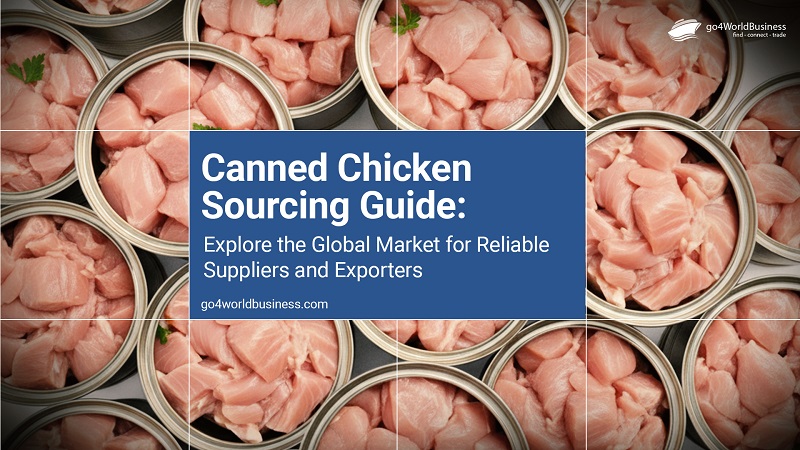
While some buyers look for fresh or frozen chicken, others opt for canned chicken based on what suits their needs best. Canned chicken is pre-cooked, skinless chicken meat sealed in airtight containers under sterilised conditions. It is a convenient, shelf-stable protein source, and often packed in water or broth. The canning method came to prominence in the early 19th century for the safe preservation of food during voyages and wartime rations, eventually extending into commercial food supplies. Therefore, we can say that what started as survival-oriented nutrition gradually evolved into a convenience staple in modern kitchens and emergency food stocks. You will find canned chicken used in everything from ready-to-eat salads, sandwiches, casseroles, and soups to emergency kits, military rations, food-service kitchens, and retail consumer packs. This poultry food product has a key role in today's global trade business, especially because of growing demand for convenience foods, ready-to-use ingredients, and export-oriented markets. As a supplier or exporter, you should understand the unique place of this commodity in global value chains when exporting to canned chicken buyers to meet this demand.
From chunk chicken breast to organic canned chicken and ready-to-eat varieties, canned chicken is available in different formats. You can also find it in single-serving pouches for on-the-go snacks. When you supply this poultry food product, it helps to know the specific formats and cuts buyers look for. The variety allows you to match your offer to segments such as retail, food-service, institutional, or specialist channels. Here are the major types and how they differ:
The hard truth is that relying only on canned chicken exports might limit your profits. But the good news is that expanding your portfolio with the following related livestock, poultry, meat & animal products can help you reach more buyers and boost returns.
Here are a few key insights to help you understand global market demand, identify trade opportunities, and learn what your canned chicken buyers really want.
Global Canned Chicken Market Size:
Source: Market Research
Top 3 Canned Chicken Importers Worldwide:
Source: Volza
What do Canned Chicken Buyers Prefer:
How to Find Verified Canned Chicken Buyers Near Me Or Worldwide?
Here are some of the most practical and effective methods to find canned food buyers or canned chicken importers:
1. What is canned chicken, and how is it prepared for export?
Canned chicken is fully cooked chicken sealed in airtight cans with broth, brine, or light seasoning. It is sterilized in order to ensure shelf-stability without refrigeration. For export purposes, it is prepared under hygienic conditions, packed in approved cans, and labelled properly as per market requirements.
2. What is the HS or HSN code for canned chicken exports?
The specific HSN code for canned poultry meat (including chicken) may vary by country, but for many markets poultry meat in cans falls under Chapter 16 (preparations of meat).
3. What licenses or approvals are required to export canned chicken internationally?
You generally need an export licence or registration with your country’s food safety authority, an establishment registration showing your processing facility is approved, and any relevant certifications needed by destination markets (for example for animal health, export eligibility of poultry meat).
4. What certifications and food safety standards must canned chicken meet for export?
Some of the common certifications and food safety standards that you need include adherence to Good Manufacturing Practice (GMP), Hazard Analysis and Critical Control Points (HACCP), and often ISO 22000 or equivalent food-safety certification. It is important to note that for premium segments, you may need organic certification, non-GMO status, halal certification or other specialty credentials.
5. Are there any export restrictions or health regulations for canned chicken?
As a matter of fact, yes! Some countries restrict poultry imports due to disease concerns (like avian influenza). Moreover, canned chicken export may require meeting animal-health standards and even obtaining export eligibility from the national veterinary authority. Therefore, it is always better to check destination regulations.
6. Which countries import the most canned chicken globally?
The United States is the biggest canned chicken importer, followed by Venezuela and Ukraine.
7. What is the canned chicken price per kg?
The canned chicken price per kg varies based on several factors. However, it can range between US $4.50 to US $8.00 per kg (which is about US $4,500 to US $8,000 per tonne).
8. Are halal or organic certifications needed for exporting canned chicken to specific markets?
Yes, in many markets halal certification is important for poultry products if you target Muslim-majority or halal-compliant channels.
9. How can exporters find reliable international buyers for canned chicken?
You can find reliable canned chicken buyers through various ways, including:
BRF S.A. expects that its shipments of Brazilian chicken products to China and Europe will resume “in a matter of days or weeks” after a bird-flu outbreak triggered import bans. (Full News: Reuters)