Petroleum products, maritime vessels, logistics, non perishable food items, chemicals
Natural foods and beverages, edible oils, ginger, garlic, apples, lemons, oranges, mandarins, avocado, fruits and vegetables, cement clinker, gypsum, salt, portland cement, cement aggregates such as gravel, crusher run, chemical, food additives, new energy products like ups, outdoor energy storage power supply, solar panels, generators, portable power stations, power conversion devices, wood and wood waste, charcoal
Black cardamom, red ginger, black ginger, brooms,and many more
Fresh Potato Butter Coffee Wheat Corn Soybean Fresh Onion Shea Butter Honey Rice Fresh Tomato Tamarind Seed Cashew Nuts Sugar Dry Fruits & Nuts Cloves Pepper Pineapple Tiger Nuts Turmeric Powder Spices Flower Seeds Red Chilli Ginger, Garlic, Onion, Potato Plants & Plant Extracts Fresh Garlic Coffee Beans Fresh Hibiscus Coal Flour Cardamom, Cinnamon Wheat Flour Turmeric Fresh Ginger Fresh Cabbage Fresh Carrot
Moringa leaves, moringa powder, tablet, neem oil, neem powder, fresh mango leaves, guva leaves, orange peel powder, seeds, virgin coconut oil, dry coconuts, fresh coconuts, cashew nuts, onion and garlic.
Mango, Green Lemon, Banana, Red Onion, Shallots, Dried Onion, Dehydrated Onion, Dehydrated Garlic, Basmati Rice, Non-basmati Rice, Pulses, Wheat Flour, All Types Of Fruits, Spices, Rice, Pulses And Vegetables, Etc
Fruits, Vegetables & Herbs, (apples, Oranges, Lemons, Strawberries, Plums, Prunes, Peaches, Grapefruit, Bananas, Carrots & Beetroot, Parsley, Kale, Spinach, Mint, Coriander, Sweet Potato, Turnip, Pumpkin, Onions, Ginger).
Fruit & Vegetable Powders, Apples, Oranges, Lemons, Strawberries, Plums, Prunes, Peaches, Grapefruit, Bananas, Carrots & Beetroot, Mangos, Spinach, Kale, Mint, Turnip, Onion, Garlic, Tomatoes, Ginger Among Other Seasonal Fruits & Veggies.
Cashew Nuts Coffee Lentils Palm Oil Turmeric Powder Sunflower Oil Sesame Seeds Grams Milk Powder Black Tea Fresh Garlic Cement Coal Beans Sugar Soya Oil Chickpeas Soybean Wheat Corn Kidney Beans Pulses Coffee Beans Fresh Ginger Pigeon Peas
Tea, Ginger, Garlic, Fruit, Small Home Appliances, Cosmetics, Teapot, Gift Items, Mechanical Equipment, Tube, Fasteners, Tools
Parboiled rice, broken rice, kidney beans, light speckled sweet sugar beans, sooji, milk powder, sweet corn, peanuts, pickles, garlic, general merchandise, medical consumables( masks, gloves), bicycles
Sugar icumsa 45, rice varieties, agriculture based commodities, spices like ceylon cinnamon, black pepper, cloves, nutmegs, mace, and premium quality arabica coffee, robusta coffee beans and processed and roasted & ground powder, ceylon cinnamon powder
Sugar icumsa 45, rice varieties, agriculture based commodities, spices like ceylon cinnamon, black pepper, cloves, nutmegs, mace, and premium quality arabica coffee, robusta coffee beans and processed and roasted & ground powder, ceylon cinnamon powder
Virgin coconut oil, extra virgin coconut oil, black seed oil, peanut, soybean
Essential oil like bay oil, cardamom oil and clove bud oil,bay oil,cardamom oil,clove bud oil,clove leaf oil,essential oil
Indian gooseberry (fresh)
Yam, Potatoes (irish And Sweet), Scotch Bonnett Peppers Or Red Peppers, Calaloo, Mangoes, Other Agricultural Products Packaged Goods, Canned Products.
Mango juice, calamansi juice, dalandan juice, mango concentrate, calamansi concentrate, dalandan concentrate, mango frozen halves, mango frozen cubes
Fruits like avocado, mango, papaya, pineapple, strawberry, watermelon, pulses & legumes like soybean, kidney bean, fava bean, mung bean, chickpea, haircot bean, lentils, peanut, cereals like barley, oats, teff, sorghum, millet, wheat, rye, oil seeds like sunflower seed, peanut, black seed, vegetables like onion, carrot, potato, sweet potato, broccoli, cabbage, garlic, chili, pepper, ginger, tomatoes, red onion, spices like dried chili, ginger, turmeric, dried red pepper, black pepper, cardamom, cinnamon, clove, cumin
Rice, non basmati rice , basmati rice, onion, garlic, ginger, red chili, vegetables, curry leaf, pulses, coconut, coconut shell products, copra, drumstick, potato, green chilies, spice products, appalam, papadam, tamarind, tamarind seeds, moringa seeds, moringa powder, carrot, ladies finger, banana leaf, watermelon, pomegranate, wheat, maida, atta
Mangoes, papaya, pineapple, green chili, yam, cassava, plantain, dried coconut
Garlic is a bulb-shaped vegetable and a part of the onion family (including leeks, chives, and scallions). When we refer to fresh garlic, it means garlic that has not yet been dried and was harvested recently. This versatile veggie is known for its pungent aroma and flavor. Its name comes from the English word 'garleac' which means 'spear-shaped leek'. It is used worldwide in almost every cuisine as a condiment to flavor food. Each garlic bulb has 10 to 20 individual cloves and is enclosed in a white, papery skin with yellowish flesh within. Garlic is one of the oldest known horticultural crops, with references dating back over 5,000 years. The Greek physician Hippocrates used garlic to treat a number of illnesses such as respiratory problems, parasites, fatigue, and poor digestion. In ancient Greece, Olympic athletes were given garlic to improve their performance. There are several health benefits related to garlic due to the presence of sulfur compounds. Whether used in culinary preparations, the food preservation sector, or traditional medicine, fresh garlic continues to remain in international demand. To meet the growing needs of fresh garlic buyers, exporters must focus on quality, consistency, and timely delivery. The major players in the fresh garlic cross-border trade are India, China, and Spain. Key regions with high demand include the United States, the European Union (particularly Germany, the Netherlands, the United Kingdom, and France), Indonesia, and countries in the Middle East.
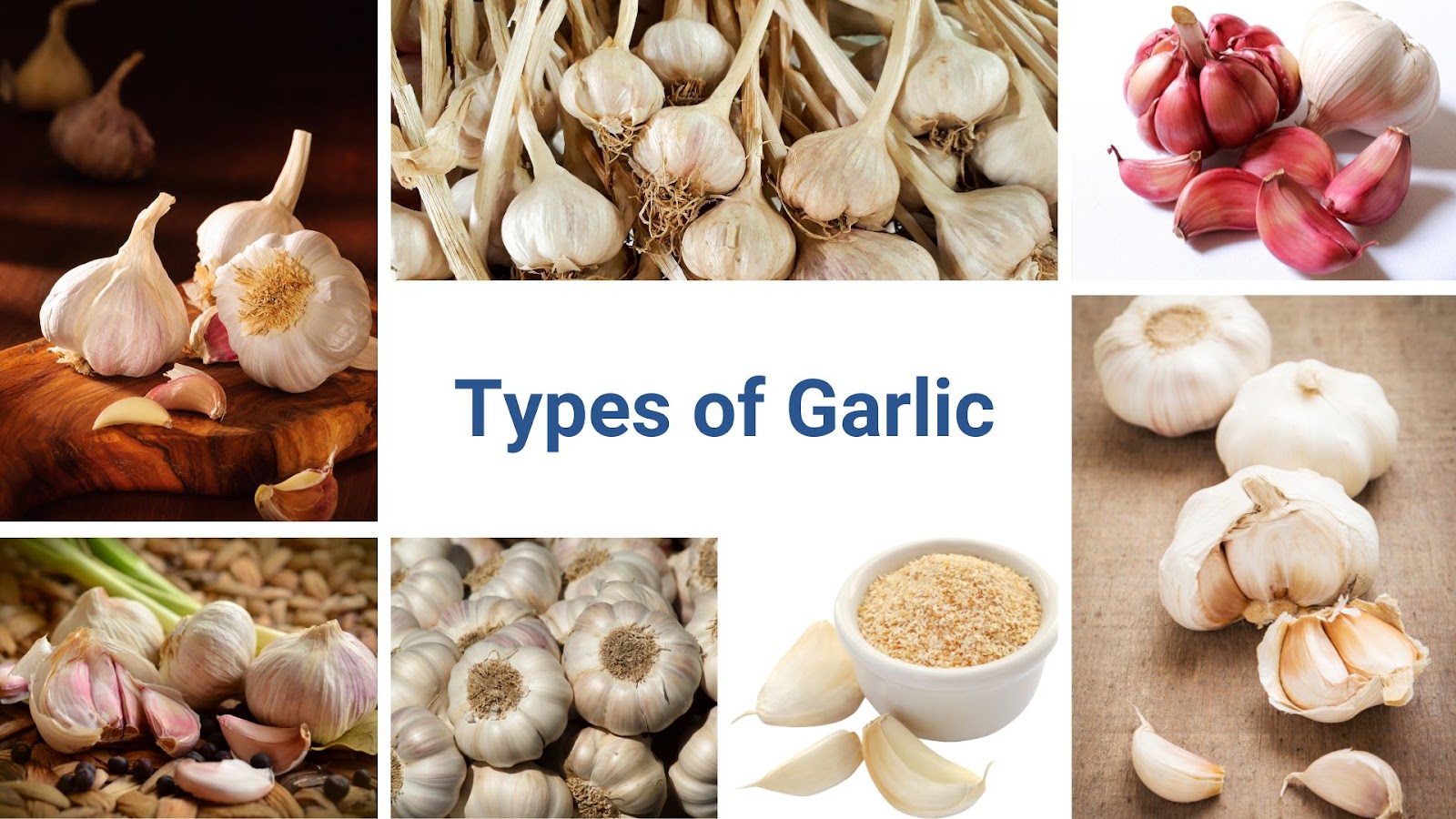
Global garlic consumption continues to rise due to several factors. These include increasing awareness of its health benefits, growing use in the processed food industry, a shift toward plant-based diets in vegan and ethnic cuisine markets, and health-conscious trends creating demand for organic vegetables like fresh garlic. However, here are the widely traded garlic varieties that you should know.
So, these are the most in-demand garlic types. When dealing in these varieties, you should stay updated with some key insights. For example, Oftneck garlic (Chinese hybrid types) dominates bulk international trade due to shelf stability. Hardneck and specialty garlic (like black garlic and purple stripe) usually have higher prices in premium markets. Also, organic and value-added garlic (e.g., peeled, paste, powder) are in high demand in Western as well as health-conscious regions. Understanding regional culinary preferences will help you target the right garlic type for every market.
In addition, exporters in the garlic trade often deal in other related or interlinked vegetable and seasoning categories. Expanding your product portfolio to include other fresh vegetables or agricultural products can increase profitability and broaden your market reach. These categories include:
Fresh garlic importers and buyers have some fundamental expectations that every exporter should meet. Aligning with these expectations can help you build long-term partnerships and stay competitive in the global market.
Global Garlic Market Size:
Source: FACT MR
Key Export Import Data (2023):
Source: Tridge
Important Insights for Exporters:
The truth is that finding verified wholesale fresh garlic buyers is not an easy task. But here are the best ways to identify and connect with genuine buyers in both domestic and international markets.
1. How much is 1 kg of garlic?
The price of 1 kg of garlic varies based on the variety, quality, season, and location. However, the global average price (FOB) ranges from $0.80 to $2.50/kg.
2. Where is the best place to sell fresh garlic?
The best place to sell fresh garlic depends on your market focus. You can look for local wholesalers, distributors, and online platforms (such as go4WorldBusiness).
3. Who is the largest consumer of fresh garlic?
China is the largest consumer of fresh garlic globally due to its huge population and heavy use in daily cooking. Besides, India is also a major consumer.
4. Who is the biggest importer of garlic?
Indonesia is the biggest importer of garlic.
5. Which is the biggest garlic market in India?
The biggest garlic market in India is in Mandsaur, Madhya Pradesh. In fact, it is known as the price setter for garlic in the country. Also, Lasalgaon (Maharashtra), Nashik, Indore, Kota, and Ahmedabad are important regional markets for garlic.
6. What are the challenges in fresh garlic export?
Here are the major challenges in fresh garlic export:
Perishability and short shelf life
Strict quality and pesticide residue standards in some importing countries
Price fluctuations due to seasonal production and global supply shifts
Competition from China, the dominant garlic exporter globally
7. What are the opportunities in garlic export?
Here are the key opportunities in garlic export:
Rising global demand for organic and fresh garlic
Growth of processed garlic forms like powder, flakes, and paste
Untapped or emerging markets in Africa, Latin America, and Southeast Asia
8. Does India import or export garlic?
India primarily exports garlic to countries like Bangladesh, UAE, Sri Lanka, and Malaysia. However, India imports occasionally, especially during local shortages (mainly from China).
9. Which country is the largest producer of garlic?
China is the largest producer of garlic worldwide, accounting for over 70% of global production with an annual output of around 20.6 million tonnes. India is the second-largest producer of garlic, followed by Bangladesh and Egypt.
10. What is the fresh garlic HSN code?
07032000 is the fresh garlic HSN code.
In March 2025, fresh garlic prices in Egypt fell a sharp 30% month-over-month (from USD 790 to USD 495 per ton) due to surging production and weakening demand. (Full Story: Tridge)