Trump, tense, brass honey, hms, copper, zinc, battery scrap, ubc,
Brass, brass rods, copper, aluminum scrap, copper, aluminum scrap, bronze copper scrap, aluminum ingots, aluminum ingots, bronze rods, copper rods, brass pipes
Agricultural Product Such Us Fertilizer (npk), Sugar (brown), Cacao, Betel Nut/areca Nut, Broomstick, Palm Ekel Brooms, Nipah Brooms, Coconut Brooms, Flower/ Grass Brooms, Honey, And Other Spices
Groceries
Brass rods, pipe, t bar, angles, brass section, brass handrails & strip, brass golay corners, brass sheets, copper sheet, steel golden, steel silver
Groceries
Charcoal, palm kernel, honey, donkey skin, bamboo, brooms stick, hardwood, soko wood, yams, vegetables, kaolinite, ofada rice, moringa seeds, okra, palm oil, cassava chips, snails, sold mineral, cashew nut, cocoa, fresh ginger, iron ore, castor seeds
Agricultural products like cashew nuts, icumsa 45 sugar, raw honey, kona coffee, wheat, rice, lentils, kabuli & desi chickpeas, red lentils crimson 2, black beans, red kidney beans, pinto beans, green lentils, alubia beans, mung bean, soybean, sesame, turmeric, quaker oats
Grocery
Copper Sheet, Brass Sheet, Bronze, Ferrous Metal, Nonferrous Metal, Yarn, Cotton Yarn, Dried Fruit, Pickles, Legume
Ferrous and non ferrous scrap, aluminum beverage cans, copper, copper wiring and brass
Jewelry (earrings, necklaces, headpieces) , bags, accessories and home decor,most of our jewelry are beaded, and some earrings are made of brass.
Foods , Drinks, Oil
Copper and brass handicraft, lamp, washbasin, bathtub, sculpture, mirror etc
Plastic, packaging, paper, paper packaging, packaging paper, plastic packaging, kraft paper, paper and board, paper boards, specialized paper, paper products, display printing packaging products, printing paper, paper products, plastic products, electronic display board, biodegradable plastic product, fruits, coconut, banana, lime, lemon, rice, honey, dragon fruit, rubber band, cement bags, garbage bags
Agro Products Like Rice, Chemicals, Beauty And Cosmetics, Essential Oils, Incense, Organic Oils
Freeze Dried Fruits: Durian, Mangosteen, Strawberry, Jackfruit, Mango, Banana, Rambutan, Dragon Fruits, Sweet Corn, Pear, Longan, Coconut, Papaya, Passion Fruit, Avocado, Pumpkin, Lychee, Honeydew, Roselle, Apple, Freeze Dried Vegetables: Cabbage, Carrot, Broccoli, Lady Finger, Pumpkin, Mushroom, Freeze Dried Yogurt Cubes: Plain, Strawberry, Durian, Mango, Chocolate Chips
Rtd: Durian Drinks, Mangosteen Drinks, Matcha Latte, Fruit Wafers: Durian Wafer, Mangosteen Wafer, Jackfruit Wafer And Skincare Products: Derniz Brand (strawberry Collagen, Cleansing Water, Other Skincare Products)
Organic legumes, organic pastes and purees, pickled goods, vinegars, organic dried fruits, nuts and seeds, organic olives and olive oil, organic honey, jams, molasses, chocolates, organic fresh fruits, vegetables, organic bakery products, organic tea, coffee and spices, organic drinks, organic tropical fruit, organic eggs, organic cheese, organic care products and cosmetics like, organic face and skin care products, organic soaps, organic creams, organic deodorants, organic shampoo shower gel, organic hygiene, cleaning products, organic special products, natural care and health products like face and skin care products :, hair removal, leg foot and nail care, bath care, breast care, eye care, sun care, creams, cleaners tonics, face care and antiaging products, facial masks, natural soaps, herbal tea, natural food products, natural and herbal oils, diabetic products, dietary supplements, hygiene cleaning products
Honey, orange blossom honey, multifloral honey, melipona (stingless bee) honey, premium vanilla extract, vanilla beans, vanilla paste, moringa leaf powder, spirulina powder, spirulina tablets, green coffee beans, roasted coffee beans, molasses, granola, granola bars (individually packed), cacao, cacao nibs, cacao powder, cocoa (superfine cacao), premium maple syrup, pecans
Industrial Equipment, Food, Agricultural, Beauty And Medical Products, Saffron
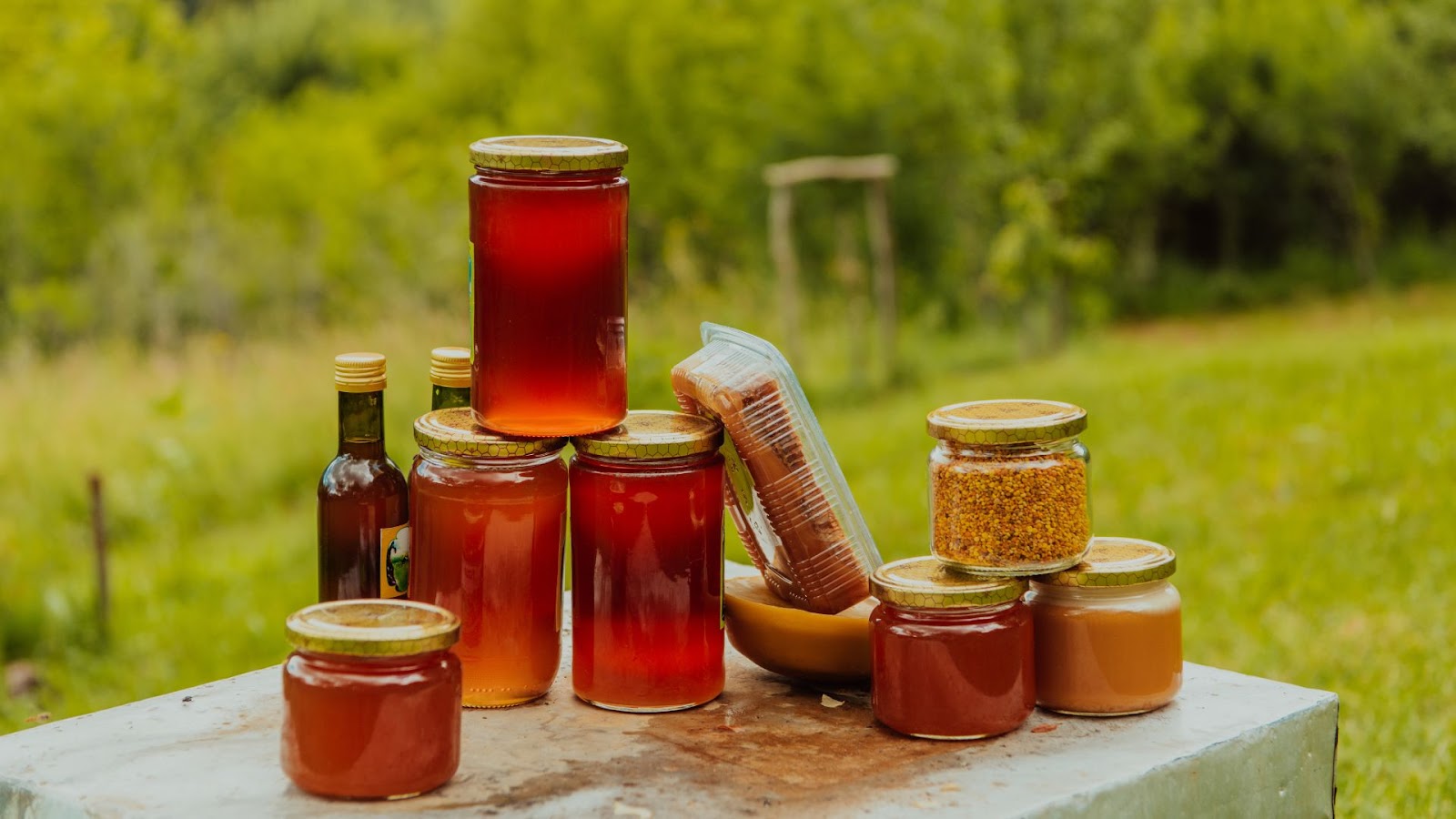
We all are familiar with the sweetness of honey and the viscous nature of this food substance. It is produced by bees who collect the nectar from flowers, process it with enzymes, and then store it in honeycombs. In this honeycomb, the nectar gets dehydrated and thickens into honey. The history of honey dates back to prehistoric times as an 8,000-year-old cave painting in Spain (such as "Cave of the Spider") depicts honey harvesting. It was ancient Egyptians who first practised beekeeping on a large scale in 24000 BCE. They used the honey for food, traditional medicine, and even religious rituals. In fact, during the Middle Ages, honey was used as a form of currency, offering, or tribute. When Alexander the Great died, he was transported in a vat of honey. We can also find the mention of honey in Indian religious texts, such as the Rig Veda. It was a symbol of wealth in ancient civilization and evolved from a local commodity to a global trade item. In the contemporary era, honey is an important food product worldwide with its deep roots in several cultures. With a consistently growing demand for honey, the opportunity for exporters and producers to connect with honey wholesale buyers continues to expand.
It goes without any doubt that honey is one of the most in-demand trade commodities due to several factors. One of the major factors is that consumers are now increasingly becoming aware of the health disadvantages of refined sugar or artificial sweeteners. Thus, they are turning to honey as a natural and healthier alternative to processed sugars. Honey is known for its nutritional value as it contains antioxidant, antimicrobial, and anti-inflammatory properties. Besides, it has diverse applications as it is used in a range of food products (including baked goods, processed foods, and beverages), cosmetics, and pharmaceuticals. The increasing population and income levels are also adding to its rising demand in developing nations. The international trade of honey contributes to the economic development of both importing and exporting countries.
Did you know that global honey production exceeds 1.8 million metric tons annually, according to the Food and Agriculture Organization (FAO). And the top position for the highest growth rate in honey production goes to Africa with a 12% global share (Source: FAO). Additionally, there are some key trends that every honey exporter should closely monitor.
Honey can be broadly divided into monofloral (or unifloral) and multifloral types on the basis of their nectar source. As the name already suggests, monofloral honey comes from bees gathering nectar from one type of flower. On the other hand, multifloral honey (also called wildflower honey) comes from various floral sources. Here is a detailed overview of some of the most commonly traded honey varieties.
Monoflower Honey Category:
Multifloral Honey Category:
Other Special Category:
Understanding these bee honey varieties helps exporters match their supply to what international honey importers are actively looking for. Apart from this, you can also diversify your offerings with related categories to increase buyer appeal as well as shipment volume. Here are the common food products you can explore and include in your export product portfolio:
Furthermore, it’s important to understand the different honey grades, which classify honey based on its quality and characteristics. Organizations like the USDA have established grading systems to standardize these classifications.
Different Honey Grades (USDA):
Here are key market insights that exporters should stay updated on to make well-informed decisions and grow their export business
Global Honey Market Size:
Source: IMARC
Top Honey Importing Countries:
Source: Volza
Export Honey Price Trends in India:

Source: Tridge
Whether you are looking for organic honey buyers, gourmet honey importers, or Himalayan honey traders, here are the most effective methods to get started:
Use B2B marketplaces that specialize in connecting suppliers with global buyers. One such platform is go4WorldBusiness, where you can sign up, list your products, and get access to a list of verified honey buyers instantly.
Participate in international food & agriculture expos, such as ANUGA, Gulfood, BioFach, Apimondia, etc. Make sure to carry brochures, product samples, and certificates when you visit these events. It offers a perfect opportunity to network with potential buyers in person.
Other ways to find honey bulk buyers are through import/export directors, Embassies of trade commissions, or Chamber of Commerce listings in the target country. You can prepare a professional export catalogue for a better outcome.
Many institutions like the UN, the Red Cross, and various NGOs often buy bulk honey for aid programs. You can connect with them through platforms like the UN Global Marketplace and official government tender portals.
Last but not least, try searching online using long-tail keywords such as 'honey buyers near me' or 'how to find real honey buyers' to discover local and global leads.
1. Where to sell honey in bulk in India?
You can sell honey in bulk in India through the following channels:
2. Who buys the most honey?
The United States is the biggest buyer of honey.
3. How much does one kg of honey cost?
Honey prices vary depending on quality, origin, certification, and buyer requirements. However, global FOB prices for honey typically range from $3 to $6+ per kg but can go up to $10–20 per kg for premium varieties like Manuka or certified organic honey.
4. What does raw honey mean?
Unprocessed and unpasteurized honey is called raw honey. The best quality of this honey type is that it retains more of its natural enzymes, pollen, antioxidants, and other beneficial compounds.
5. How can I tell if honey is pure?
To know if the honey is pure:
6. What is the source of the honey?
Honey is sourced from honeybees, specifically from the nectar of flowers.
7. How is the honey processed?
The processing of honey usually involves extraction from the honey comb, straining, filtration, heating or pasteurization, and bottling.
8. What is the expiry period of honey?
Honey, in its pure form, does not really expire. It can be stored for extended periods or even indefinitely (if stored properly). However, it may change in appearance, such as crystallization or loss of aroma, but remains edible.
9. What types of honey are exported from India?
Several types of honey are exported from India, major ones include eucalyptus, acacia, lychee, Himalayan honey, and wild flora honey.
10. What are the challenges faced in honey exports?
Some common challenges faced in honey exports are:
11. What is the honey HSN code?
0409 is the pure honey HSN code.