Bed Sheet, Mosquito Bed Net, Hijab, Bathrobe, Kurtis, Ladies Dress, Baby Dress, Cushon, Nighty, Dining Mattress, Curtain, Boutique Dress, Leggings, Bedcover, Katha
Aluminium Ingots, Alu. Scrap, Copper Scraps, Brass Scraps, Bronze, Hms 1 & 2, Lead Ore 69.93%, Bauxite
Non Ferrous Metal Scrap ( Copper, Brass, Aluminium, Zinc, Lead, Copper Ingot , Copper Wire )
Carpets, hms1, ship plates, brass, aluminium, lead, aluminum and lead in shape of ingots
Card boards, aluminium cans & metals, PET plastics, HDPE plastics, brass, stainless steel, steel
Dates, Fresh Fruits, Fig, Mango, Extra Virgin Olive Oil, Sunflower Oil, Honey, Pasta, Jute Yarn, Carpet, Bottle Scrap, Iron Scrap, Iron Bar, Steel Bar
Honey, automotive gas oil, lpg gas, crude oil, crude bonnet light, marine diesel, jet a1, en590 diesel, copper cathodes from congo
Tapioca starch, coconut oil, fish meal, hatching eggs, broiler eggs, cobb 500 broiler, ross 308, brown table egg, table egg, egg, white table egg, coffee beans, canned tuna fish, yellow corn, corn starch, soybean, dried fish, cardamom, diapers, honey, natural honey, cocoa bean, a4 copy paper, copy paper, double a copy paper, sugar, flour, wheat flour, frozen chicken, chicken feet, chicken wings, used laptops, massey ferguson tractors, tractor, energy drink, kidney beans, smoked catfish, wood pellet, cocoa powder, hpmc, hydroxypropyl methylcellulose, glyphosate, chlorine tablets, cars, hard copy bond paper, matcha green tea
Tapioca starch, coconut oil, fish meal, hatching eggs, broiler eggs, cobb 500 broiler, ross 308, brown table egg, table egg, egg, white table egg, coffee beans, canned tuna fish, yellow corn, corn starch, soybean, dried fish, cardamom, diapers, honey, natural honey, cocoa bean, a4 copy paper, copy paper, double a copy paper, sugar, flour, wheat flour, frozen chicken, chicken feet, chicken wings, used laptops, massey ferguson tractors, tractor, energy drink, kidney beans, smoked catfish, wood pellet, cocoa powder, hpmc, hydroxypropyl methylcellulose, glyphosate, chlorine tablets, pick-up truck, hard copy bond paper, matcha green tea
Oil seeds, sesame seeds, niger seed, rape seed, castor seed, groundnut seed, linseeds, pumpkin seed, sunflower seed, cotton seed, pulses, spices like black cumin seed, polished turmeric, cardamom, coriander seed, ginger, mustard seed, long pepper, pepper, others herbs, natural gums & incenses, natural honey and bees wax
Agriculture products like coffee bean, roasted coffee, tea, chickpea, ginger, turmeric, honey, mining products like feldspar, kaolin, bentonite, basalt, granite, opal, emerald, manufacturing products like broom, other plastic products, shoe, recycle granule, mono filament
Food Stuffs
Groceries, and honey
Himalayan Pink & Black Salt, Honey, Aronia, Chokeberry Juice, Jams With Fructose, Without Added Sugar, Preservatives, Chemicals, Gmo Free, Flours, Coarse Flour Spelled, Buckwheat Flour, Flour Rosehip, Flour Nettle, Millet Flour, Apple Flour, Rice Flour, Carob Flour, Sesame Flour, Flax Flour, Wheat Bulgur, Einkorn Wheat, Bran Einkorn, Rose Water For Drinking, Zeolite Water. Cold Pressed Natural Oils, Pectin, Pectin Candy
Corn, sorghum, millet, sesame, hibiscus, tamarind, baobab, luffa, balamites, coconut, cassava, okra, ground peanuts, heena, miswak, honey, charcoal, firewood, alfalfa hay, timothy hay, grasses
Metals products like nickel wire, copper cathode, hms1&2, used rails r50 r65, used beverage can scrap, graphite electrodes, cnc coils, brass scrap, foods products like rice, yellow maize, potatoes
Metals products like nickel wire, copper cathode, hms1&2, used rails r50 r65, used beverage can scrap, graphite electrodes, cnc coils, brass scrap, foods products like rice, yellow maize, potatoes
Turmeric powders , black cardamom / elaichi, black turmeric, fresh rhizomes for planting or powder, keshar, dried black grapes / raisins, honey, cold press oils like groundnut, safflower & coconut, alphonso mango juice, dehydrated fruit bars, processed items like rawa, papad or flakes and fresh fruits like mango, pomegranate, grape
Charcoal, Clove, Cardamom, Pepper, Star Anise, Spices, Essential Oils, Furniture, Biodegradable Plastic, Eco Plastic, Plastic, Honey, Garments, Cocoa Butter, Cocoa Powder, Confectionery, Green Coffee Beans, Wood Pellet, Nylon, Fruits, Tropical Fruits, Palm Oil, Coconut Oil, Coconut Products, Palm Sugar, Brown Sugar, Automotive Battery, Baking Ingredient, Float Clear Glass, Mirror, Ice Glass, Solar Panel, Coal, Crude Palm Oil, Palm Acid Oil, Palm Fatty Acid Distillate, High Acid Crude Palm Oil, Wood Chips, Finger Joint Laminated Board, Shisha, Bbq, Sawdust, Wood Shave, Steam Coal, Tuna, Tuna Fish, Tuna In Cans, Canned Tuna Chunk And Shredded, Sardines, Canned Sardine Fish, Animal Feed, Palm Kernel Shell, Palm Kernel Cake, Wood Chopstick, Palm Kernel Expeller, Bamboo Chopstick, Crude Glycerin, Nitrile Glove, Medical Mask
Fresh table eggs, edible oil like sunflower oil / olive oil/palm oil, olives, all types of honey, peanut butter, spices, pickles, coffee, ghee, coconut water, nuts, seasoning, jam, handicrafts like candle stands and decorative items
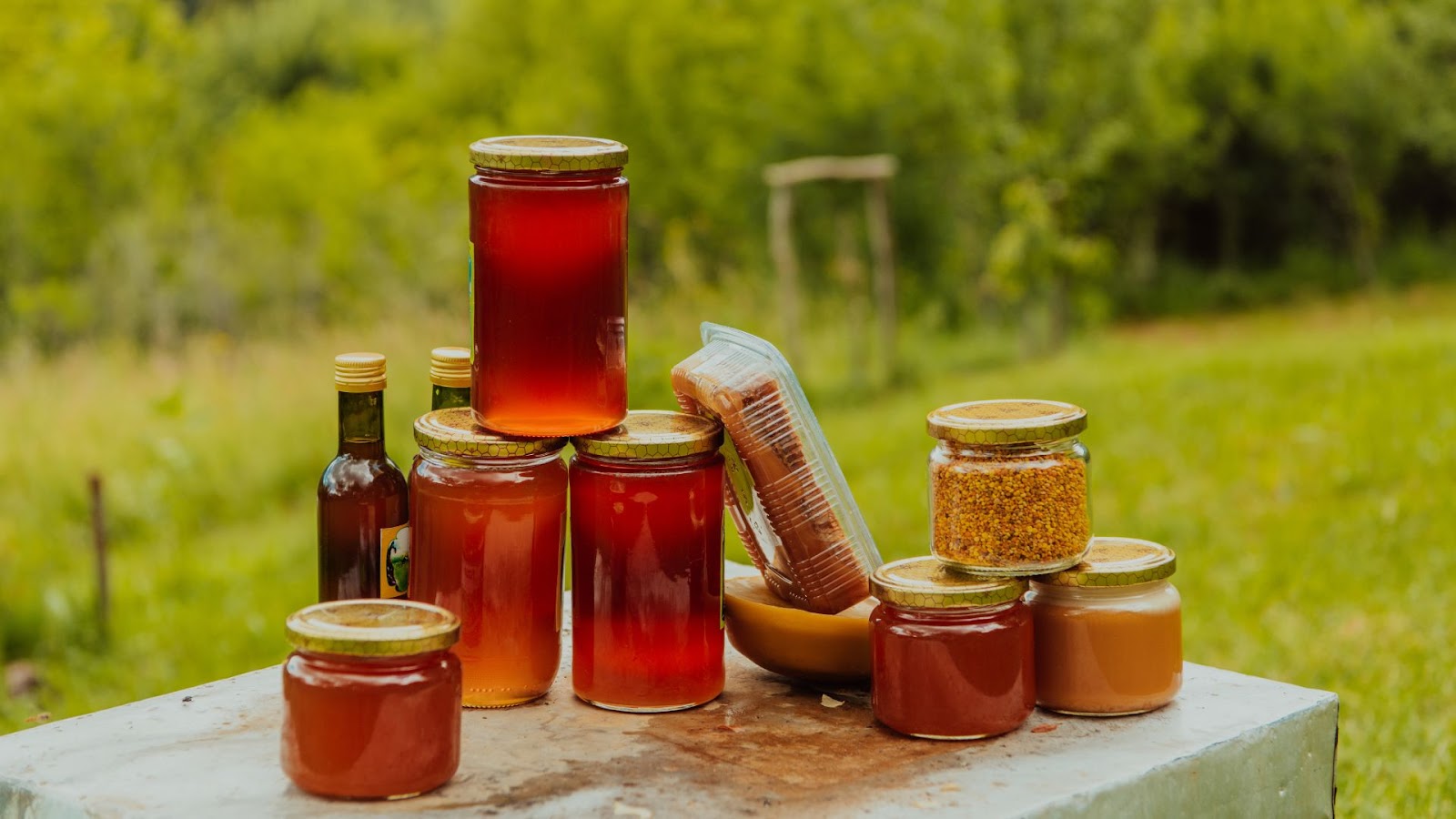
We all are familiar with the sweetness of honey and the viscous nature of this food substance. It is produced by bees who collect the nectar from flowers, process it with enzymes, and then store it in honeycombs. In this honeycomb, the nectar gets dehydrated and thickens into honey. The history of honey dates back to prehistoric times as an 8,000-year-old cave painting in Spain (such as "Cave of the Spider") depicts honey harvesting. It was ancient Egyptians who first practised beekeeping on a large scale in 24000 BCE. They used the honey for food, traditional medicine, and even religious rituals. In fact, during the Middle Ages, honey was used as a form of currency, offering, or tribute. When Alexander the Great died, he was transported in a vat of honey. We can also find the mention of honey in Indian religious texts, such as the Rig Veda. It was a symbol of wealth in ancient civilization and evolved from a local commodity to a global trade item. In the contemporary era, honey is an important food product worldwide with its deep roots in several cultures. With a consistently growing demand for honey, the opportunity for exporters and producers to connect with honey wholesale buyers continues to expand.
It goes without any doubt that honey is one of the most in-demand trade commodities due to several factors. One of the major factors is that consumers are now increasingly becoming aware of the health disadvantages of refined sugar or artificial sweeteners. Thus, they are turning to honey as a natural and healthier alternative to processed sugars. Honey is known for its nutritional value as it contains antioxidant, antimicrobial, and anti-inflammatory properties. Besides, it has diverse applications as it is used in a range of food products (including baked goods, processed foods, and beverages), cosmetics, and pharmaceuticals. The increasing population and income levels are also adding to its rising demand in developing nations. The international trade of honey contributes to the economic development of both importing and exporting countries.
Did you know that global honey production exceeds 1.8 million metric tons annually, according to the Food and Agriculture Organization (FAO). And the top position for the highest growth rate in honey production goes to Africa with a 12% global share (Source: FAO). Additionally, there are some key trends that every honey exporter should closely monitor.
Honey can be broadly divided into monofloral (or unifloral) and multifloral types on the basis of their nectar source. As the name already suggests, monofloral honey comes from bees gathering nectar from one type of flower. On the other hand, multifloral honey (also called wildflower honey) comes from various floral sources. Here is a detailed overview of some of the most commonly traded honey varieties.
Monoflower Honey Category:
Multifloral Honey Category:
Other Special Category:
Understanding these bee honey varieties helps exporters match their supply to what international honey importers are actively looking for. Apart from this, you can also diversify your offerings with related categories to increase buyer appeal as well as shipment volume. Here are the common food products you can explore and include in your export product portfolio:
Furthermore, it’s important to understand the different honey grades, which classify honey based on its quality and characteristics. Organizations like the USDA have established grading systems to standardize these classifications.
Different Honey Grades (USDA):
Here are key market insights that exporters should stay updated on to make well-informed decisions and grow their export business
Global Honey Market Size:
Source: IMARC
Top Honey Importing Countries:
Source: Volza
Export Honey Price Trends in India:

Source: Tridge
Whether you are looking for organic honey buyers, gourmet honey importers, or Himalayan honey traders, here are the most effective methods to get started:
Use B2B marketplaces that specialize in connecting suppliers with global buyers. One such platform is go4WorldBusiness, where you can sign up, list your products, and get access to a list of verified honey buyers instantly.
Participate in international food & agriculture expos, such as ANUGA, Gulfood, BioFach, Apimondia, etc. Make sure to carry brochures, product samples, and certificates when you visit these events. It offers a perfect opportunity to network with potential buyers in person.
Other ways to find honey bulk buyers are through import/export directors, Embassies of trade commissions, or Chamber of Commerce listings in the target country. You can prepare a professional export catalogue for a better outcome.
Many institutions like the UN, the Red Cross, and various NGOs often buy bulk honey for aid programs. You can connect with them through platforms like the UN Global Marketplace and official government tender portals.
Last but not least, try searching online using long-tail keywords such as 'honey buyers near me' or 'how to find real honey buyers' to discover local and global leads.
1. Where to sell honey in bulk in India?
You can sell honey in bulk in India through the following channels:
2. Who buys the most honey?
The United States is the biggest buyer of honey.
3. How much does one kg of honey cost?
Honey prices vary depending on quality, origin, certification, and buyer requirements. However, global FOB prices for honey typically range from $3 to $6+ per kg but can go up to $10–20 per kg for premium varieties like Manuka or certified organic honey.
4. What does raw honey mean?
Unprocessed and unpasteurized honey is called raw honey. The best quality of this honey type is that it retains more of its natural enzymes, pollen, antioxidants, and other beneficial compounds.
5. How can I tell if honey is pure?
To know if the honey is pure:
6. What is the source of the honey?
Honey is sourced from honeybees, specifically from the nectar of flowers.
7. How is the honey processed?
The processing of honey usually involves extraction from the honey comb, straining, filtration, heating or pasteurization, and bottling.
8. What is the expiry period of honey?
Honey, in its pure form, does not really expire. It can be stored for extended periods or even indefinitely (if stored properly). However, it may change in appearance, such as crystallization or loss of aroma, but remains edible.
9. What types of honey are exported from India?
Several types of honey are exported from India, major ones include eucalyptus, acacia, lychee, Himalayan honey, and wild flora honey.
10. What are the challenges faced in honey exports?
Some common challenges faced in honey exports are:
11. What is the honey HSN code?
0409 is the pure honey HSN code.