Rice, oil, seeds, nut, flour, corn, wheat, starch, beans, fruit, meal, feed, chicken, sugar, lobster, crab, prawns, shrimp, fish, sunflower oil, soybeans oil, vegetable oil, palm oil, corn oil, canola oil, cooking oil, edible oil, rapeseed oil, basmati rice, jasmine rice, parboiled, maize, onion, garlic, ginger, egg, lentils, raisin, pulses, buckwheat, cardamom, yellow corn, white corn, chickpeas, split pea, corn millet, grain, kidney beans, coffee beans, cacao, green mung beans, pinto, soybeans, corn flour, wheat flour, apple, avocado, banana, lemon, limes, mango, orange, potato starch, tapioca starch, almond nut, pistachio, walnut, cashew, betel, brazil, chestnuts, ginkgo, hazel, macadamia, nutmeg, peanuts, pecan, pine, apricot, pili, black pepper, canary, canola, rapeseed, caraway seed, castor seed, chia seed, coriander seed, cotton, cumin seed, flax seed, jatropha oil, mustard seed, niger seed, perilla, pumpkin
Fresh Vegetables (Capsicum, Tomato, Potato, Green Banana, Green Jack, Lady's Fingers, Greens, Radish, Green Pea, Kohlrabi, Plantin Flowers, Cabbage, Cauliflower, Beat, Fig, Parbal, Drumsticks, Aquatic Herb, Arum, Squash, Green Beans, Carrots, Green Chilli, Beans, Basil, Brinjal, Bottle Gourd, Bitter Gourd, Ridge Gourd, Pumpkin, Cucumber, Papaw, Onions, Coriander Leaf, Spinach, Green Crop, Garlic, Ginger, Turmeric, Wood Apple, Green Coconut, Plum, Hog Plum, Cassia, Soyabeans, Almond, Gram, Pulse, Lentil, Sunflower, Pea, Dry Turmeric, Dry Chilli, Dry Coriander, Greengram, Finngreek, Sesame, Mustard, Tamarind, Moringa Powder, Cottan Cake, Mustard Cake, Maize For Feed, Emblic Myrobalan, Organic Pheromone Lure, Seed Link Tray, Mulching Paper, 50 50 Net, Alam, Bleaching Powder, All Type Of Vegetables Seeds & Margosa Seeds
Black cardamom, green cardamom, giloy, sichuan pepper of nepal salyan and rukum, organic honey, caterpillar fungus, cinnamon, myrobalan, paddy bran, millet, bay leaf, organic garlic, aloe vera, organic jaggery, gooseberry, wheat, buck wheat flour, soapberries, organic turmeric, spikenard, panicum antidotale, black rice, leafy green vegetable like gundruk, dry red chilly, maize or corn flour, colocassia leaf, colocassia fruit or yam, and medicinal herbs
Avocado, banana (cavendish), banana flower, cantaloupe, coconut, custard apple, dragonfruit, durian, green papaya, guava, langsat, mangosteen, melon green, melon orange, papaya, passion fruit, pineapple, plum mango, pomegranate, pomelo, rambutan, rose apple, santol, sapodilla, star fruit, tangerine, watermelon, angled luffa, baby-asparagus, baby corn, bean sprouts, beetroot, bell pepper, bitter beam, bitter gourd, small bitter melon, bok choy, broccoli, cauliflower, celery, chinese broccoli, cucumber coriander, dill, green beans, green peppercorn, lemon basil, lemon grass, morning grass, okra, onion, pumpkin, red onion, spring onion, sweet basil, sweet potato, tamarind, taro, thai eggplant, thai green pepper, thai red pepper, turmeric, yard long beans, zucchini, shrimp, octopus, tilapia fillet, scallops, pacific mackerel fish
Black cardamom, green cardamom, giloy, sichuan pepper of nepal salyan and rukum, organic honey, caterpillar fungus, cinnamon, myrobalan, paddy bran, millet, bay leaf, organic garlic, aloe vera, organic jaggery, gooseberry, wheat, buck wheat flour, soapberries, organic turmeric, spikenard, panicum antidotale, black rice, leafy green vegetable like gundruk, dry red chilly, maize or cornflour, colocassia leaf, colocassia fruit or yam, and medicinal herbs, leather jackets, bags ,handbags, wallets, shoes
Black Cardamom, Green Cardamom, Giloy, Sichuan Pepper Of Nepal Salyan And Rukum, Organic Honey, Caterpillar Fungus, Cinnamon, Myrobalan, Paddy Bran, Millet, Bay Leaf, Organic Garlic, Aloe Vera, Organic Jaggery, Gooseberry, Wheat, Buck Wheat Flour, Soapberries, Organic Turmeric, Spikenard, Panicum Antidotale, Black Rice, Leafy Green Vegetable Like Gundruk, Dry Red Chilly, Maize Or Cornflour, Colocassia Leaf, Colocassia Fruit Or Yam, And Medicinal Herbs, Leather Jackets, Bags ,handbags, Wallets, Shoes
Fresh product like dry groceries, frying panipuri, frymes nalli, gulkand, jaggery, jav, kashmiri chilli, kashmiri chilli powder, khicheya papad, kokam, makai poha, poha thick, red poha, sago(sabudana), samo, soya khima, roasted gram chana, roasted gram split, roasted gram without skin, roasted gram yellow, mosambi chana, daliya, chana, marathi mung, kokam flower, idli rawa, lentils, green moong bean, desi chick peas, green millet, soyabean, sorghum, black matpe, black eye bean, papadums, tamarind, dhana dal, frozen & dairies like frozen sweet corn cob, frozen sweet corn kernel, frozen mix vegetable, frozen green peas, mango pulp, paneer, malai paneer, reduced dry milk(mawa, khoya), fresh yogurt, milk cake, milk, garlic(uncovered), mushroom, seeds like watermelon seeds, pumpkin seeds, oats seeds, sunflower seeds, flax seeds, millets seeds, seven seeds, chia seeds, jowar seeds, quinoa seeds, chickpea seeds
Rice, Oil, Seeds, Nut, Flour, Corn, Wheat, Starch, Beans, Fruit, Meal, Feed, Chicken, Sugar, Lobster, Crab, Prawns, Shrimp, Fish, Sunflower Oil, Soybeans Oil, Vegetable Oil, Palm Oil, Corn Oil, Canola Oil, Cooking Oil, Edible Oil, Rapeseed Oil, Basmati Rice, Jasmine Rice, Parboiled, Maize, Onion, Garlic, Ginger, Egg, Lentils, Raisin, Pulses, Buckwheat, Cardamom, Yellow Corn, White Corn, Chickpeas, Split Pea, Corn Millet, Grain, Kidney Beans, Coffee Beans, Cacao, Green Mung Beans, Pinto, Soybeans, Corn Flour, Wheat Flour, Apple, Avocado, Banana, Lemon, Limes, Mango, Orange, Potato Starch, Tapioca Starch, Almond Nut, Pistachio, Walnut, Cashew, Betel, Brazil, Chestnuts, Ginkgo, Hazel, Macadamia, Nutmeg, Peanuts, Pecan, Pine, Apricot, Pili, Black Pepper, Canary, Canola, Rapeseed, Caraway Seed, Castor Seed, Chia Seed, Coriander Seed, Cotton, Cumin Seed, Flax Seed, Jatropha Oil, Mustard Seed, Niger Seed, Perilla, Pumpkin
Timber, logs, woods, cigarette lighters, fertilizers, beans, refined sugar icumsa (45/100/150), nuts and kernels, cardamom, cinnamon, chickpeas, cloves, seeds, ginger, garlic, onion, potato, lentils, maize/corn, peas, pepper, rice, fresh durian, stockfish, sesame seeds, sunflower seeds, niger seeds, spices, refined sunflower oil, refined palm oil, refined soybean oil, rice bran oil, refined corn oil, vegetable oil, scraps, ingots, cathodes, wood pellets, woodchips, wood shavings, sugar beet pulp pellets, rice husk pellet, sunflower husk pellet, firewoods, sawdust, copy papers (a4/legal size/letter size), starch, wheat grains, grains, wheat flour, rice flour, corn flour, fresh durian, stockfish, coconut palm sugar, coconut water, bee pollen bee bread, garbage bags, donkey hides, cow hides, grains, coconut sugar.
Fresh pumpkin is a nutritious type of winter squash, botanically classified as a fruit but commonly used as a vegetable in culinary contexts. Developed from the flower of the pumpkin plant, it is large, round in shape, and contains seeds. Its bright orange color comes from a high concentration of beta-carotene (a precursor to vitamin A). This fruit is known for its nutrient-rich profile and health benefits. Not only is its flesh edible, but pumpkin seeds are also edible and come packed with antioxidants, zinc, iron, magnesium, and fatty acids. A French explorer Jacques Cartier was the first to name this fruit 'gros melons' (which translated to 'pompions' in English) in the year 1584. Pompions eventually became pumpkins and its first known use in literature was in the story of Cinderella.
Besides, we all are already aware of the tradition of carving pumpkins on Halloween, which makes it a culturally significant and popular fruit. Interestingly, it grows everywhere except Antarctica and the top producers of pumpkins are China, India, Mexico, and Ukraine. It is no longer just a seasonal harvest fruit, but a high-demand commodity in fresh produce as well as value-added markets worldwide. If you're a fresh pumpkin supplier or exporter, connecting with verified wholesale fresh pumpkin buyers in both domestic and international markets should be your priority.
The demand for fresh pumpkins has now expanded across various segments (including food processing, bakery, health supplements, baby food, and even cosmetics). From its nutrient-rich flesh to pumpkin powder and seeds, the versatility of this fruit presents a ripe export opportunity in the global market. In addition, this relatively low-calorie food is gaining popularity in the health-conscious market. During the fall, demand for fresh pumpkins surges (especially in the U.S.) due to their use in Halloween and Thanksgiving celebrations, as well as the growing processed pumpkin industry. Moreover, the green pumpkin varieties remain in consistent demand for cooking and other medicinal uses in Asian and Middle Eastern countries.
Global fresh pumpkin buyers seek reliable exporters who adhere to specific quality standards. Thus, understanding buyer preferences and compliance expectations is very important for establishing long-term trade relationships. Here are the key factors that matter to real pumpkins buyers:
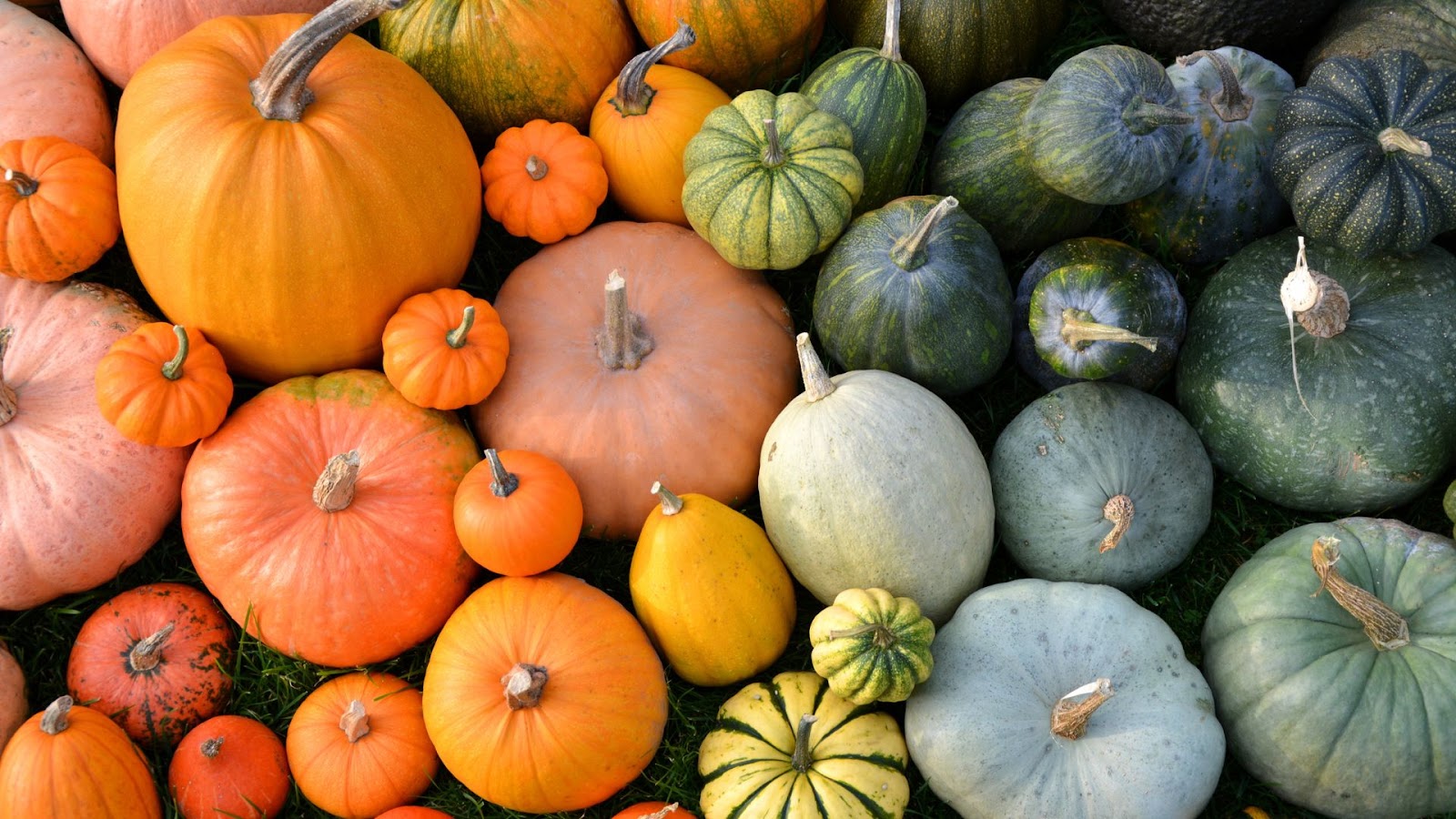
There are different types of fresh pumpkins on the basis of size, color, texture, taste, and use (culinary or ornamental). Here are some common pumpkin varieties.
As an exporter, you can trade in any of these pumpkin varieties. However, it's important to note that fresh pumpkin buyers are often interested in more than just raw pumpkins. You can tap into this broader demand by expanding your offerings to include the following products:
When understanding the buyer segments, you should know that fresh pumpkin is exported to a range of industries. Staying aware of these types of buyers can help you match your offerings appropriately.
Here are the key global market insights for fresh pumpkins that every exporter needs to know to stay updated with industry trends.
Global Market Size:
Source: Mordor Intelligence
Top Importing Countries for Fresh Pumpkin (2024):
Source: Volza
Export Price Trend of Fresh Pumpkin from India:
Source: Tridge
To get the latest updates on agricultural commodities like fresh pumpkin or connect with fellow agri-traders, visit our Communities section.
Whether you are looking for wholesale fresh pumpkin buyers or roasted pumpkin seeds buyers, following these methods will definitely give you success.
1. Who is the biggest consumer of pumpkins?
While China has the largest pumpkin production, the United States is the biggest consumer of pumpkins.
2. When to sell fresh pumpkins?
The peak demand and best-selling time for fresh pumpkins are typically in the fall (from late September to October) during the Halloween season. It is recommended for growers that planting should be done in mid-summer so that pumpkins are ready for harvest in the fall.
3. How many years do fresh pumpkins last?
Fresh pumpkins usually last for 2 to 3 months when stored properly (in a cool, dark, and dry place). However, some small pumpkin varieties may last for 6 to 12 months.
4. Can you make money on fresh pumpkins?
Yes, you can make a profit selling fresh pumpkins. These fruits are a popular fall crop, with a market size (2025) of $1.64 billion.
5. How can I find buyers for my pumpkins?
You can find buyers for your pumpkins through the following methods:
6. How long can fresh pumpkins be stored?
Here are the tips to store fresh pumpkins for longer shelf life:
7. Which type of pumpkin is best?
Although it depends on the intended use, usually sugar pumpkin is considered the best and most in-demand variety.
8. Does India export pumpkin?
Yes, India exports pumpkins to major countries like the UAE, Saudi Arabia, and Qatar.
9. What is the fresh pumpkin HSN code?
07099310 is the fresh pumpkin HSN code.
Click here to know more about fresh pumpkin related Q&A.