Please click here to check who's online and chat with them.

Find Verified Pig Iron Suppliers, Manufacturers and Wholesalers

Top Supplier Cities : -   Tashkent   Andijon  
Nov-09-24

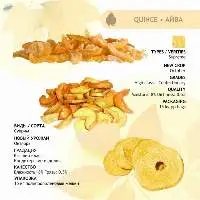
Dried Apples

MOQ: Not Specified
Supplier From Tashkent, Uzbekistan
 Inquire Now  
Dried Apples - Dried apples are an affordable and worthy source of iron (43% of the daily value per 100 g of product), necessary for oxygen transport. For the same reason, they are useful for anemia and other diseases associated with low hemoglobin levels
Nov-09-24

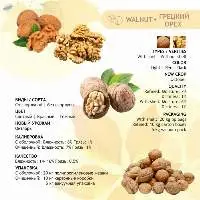
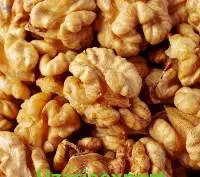
Walnut

MOQ: Not Specified
Supplier From Tashkent, Uzbekistan
 Inquire Now  
Walnut - It has been known since the time of Hippocrates, it is rich in minerals such as sodium, zinc, iron, cobalt.Walnuts are a healthy nut chock-full of essential nutrients such as omega-3 fatty acids and antioxidants. They're also easy to incorporate into your diet.
Nov-09-24

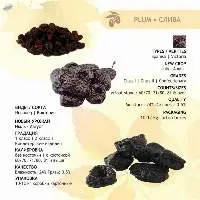
Prunes

MOQ: Not Specified
Supplier From Tashkent, Uzbekistan
 Inquire Now  
Prunes - Due to their dietary properties, prunes are one of the best foods for those who care about their weight. Dried plums are rich in fiber and pectin, which has a positive effect on intestinal function. This is a real storehouse of vitamins and minerals: prunes contain vitamin C, A, B vitamins, iron, potassium, magnesium.
Dec-02-24

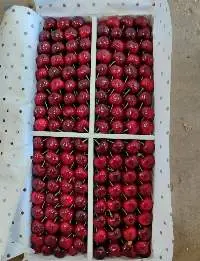
Cherries

MOQ: Not Specified
Supplier From Tashkent, Uzbekistan
 Inquire Now  
Cherries: Uzbekistan produces various cherry varieties, including Sweet Ryana, Sweet Lorenz, Revershon, Voskhod, Napoleon, Stella, and others. Cherries grown in Uzbekistan contain 12.2% sugar; Contains 0.23% of various acids and vitamins C and A, pectin, vitamins B1, B2, PP, C, coratin, potassium, magnesium, phosphorus, iron salts.
GOLD Member
Jul-24-25

Walnut, 1st

$2 - $5 / Kilogram (FOB)
MOQ: 10 tons  Boxes
Sample Available
Supplier From Tashkent, Uzbekistan
 Inquire Now  
All parts of the nut are used. Walnut kernels are a very tasty and nutritious product, containing 60-70% fat, 11-20% protein, up to 20% carbohydrates and vitamins. Unripe nuts contain 3-5 times more vitamin C than peanuts.

In terms of nutrition, walnuts are superior to bread, meat and close to butter.

Walnuts have long been cultivated in Uzbekistan. The tree is up to 25-30 meters tall, 1.5-2 meters in diameter, the branches are spherical or domed, sparsely branched, the bark of old trees is cracked. The root system is vigorous, growing to a depth of 4 meters, spreading around 10-15 meters. At the base of the trunk and main branches are many dormant buds. Walnut trees are harvested in 8-10 years, grafted ones in 5-6 years. There are also varieties that bear fruit as early as 2 years after transplanting. Walnuts are fertile when they reach the age of 25-35 years and yield 100-150 kg from each tuber, and in some 300-500 kg. However, there is also a stagnation in nuts, which yields more in one year and less in the second. The fruits ripen from late August to early October.

Natural coconut groves in Bostanlyk district of Tashkent region of Uzbekistan are especially valuable. Walnut tree reaches a height of 25-30 m, diameter 1.5-2 m, the branches are spherical or domed, sparsely branched, the root system is vigorous - penetrates to a depth of 4 m, and spreads around 10-15 m.

Walnut kernels, rich in vitamins, which are necessary for the human body, strengthen the memory system, especially the activity of the human brain. Experts recommend that everyone consumes at least one or two nuts a day.

The sultan of medicine, Avicenna, in his book "Laws of Medicine" writes about the properties of walnuts, along with many medicinal plants. According to him, the juice made from the fruit, leaves, bark, core of the walnut tree cures and prevents various diseases. With this feature, walnut kernels are 7 times superior to beef. Walnut kernels contain iron, phosphorus, copper, serotonin, 58-77% fat, 12-25% protein and 5-25% carbohydrates.

Walnut trees bear fruit in 8-10 years, and grafted ones in 5-6 years, but there are also varieties that bear fruit in 2 years after transplanting.

Walnuts are productive when they reach the age of 25-30, with a yield of 100-150 kg from each bush and 300-500 kg from some. The fruits ripen from late August to early October.
36 Pig Iron Suppliers
Short on time? Let Pig Iron sellers contact you.
Nov-09-24

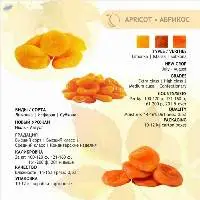
Dried Apricots

MOQ: Not Specified
Supplier From Tashkent, Uzbekistan
 Inquire Now  
Dried Apricots - There are more than 10 types of dried apricots in sunny Uzbekistan, dried apricots one of the most favorite dried fruits for those who have a sweet tooth. Adherents of a healthy lifestyle replace sweets and other sweets with it, which is very beneficial for health.

Dried apricots are rich in vitamin A (60% of the daily dose per 100 g of product), so its consumption will have a beneficial effect on the condition of hair and skin, as well as vitamin C, potassium, iron and fiber.
Nov-09-24

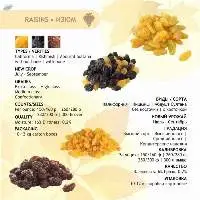
Raisins

MOQ: Not Specified
Supplier From Tashkent, Uzbekistan
 Inquire Now  
Raisins - A few types of raisins grow and dried in sunny Uzbekistan, raisins have a place everywhere: pancakes, baked goods, cottage cheese casseroles or fresh cottage cheese, porridges, salads, meat dishes. Dried grapes contain the most vitamin B1 (thiamine), which is necessary for the normal functioning of the nervous system. Due to their low sodium content, raisins are more suitable for high blood pressure than other dried fruits. It is good for dental health, helps improve vision, and due to its iron content (20% of the daily value in 100 g of product) it is useful for anemia
VERIFIED
Jan-31-25

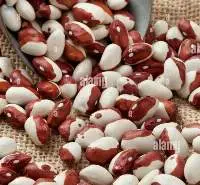
Red Calypso Beans

MOQ: 10000  Kilograms
Sample Available
Supplier From Tashkent, Uzbekistan
 Inquire Now  
Crop: 2024
Color: Red and white
Quality of goods: SORTEX
Size: 180-200 pieces per 100 grams
Moisture: max 16%
Admixtures: max 1%
Defective: max 1%


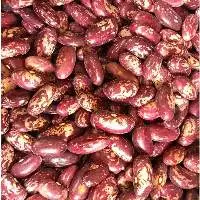
Red Calypso beans are a striking heirloom variety of legume known for their unique appearance and culinary versatility. These beans feature a beautiful contrast of burgundy and white colors, often with a dotted eye, making them visually appealing in dishes.

Characteristics
- **Appearance**: The Red Calypso beans are bi-colored, showcasing vibrant red and creamy white hues. Their distinctive markings add an aesthetic quality that enhances any dish.
- **Texture and Flavor**: When cooked, these beans have a creamy texture and a mild flavor, allowing them to complement a wide range of ingredients. They are known for their smooth consistency, which makes them ideal for soups, stews, and salads.

Culinary Uses
- **Preparation**: Red Calypso beans can be used in various forms, including dried or as fresh snap beans. They are typically harvested after about 90 days when grown as dry beans.
- **Cooking Methods**: These beans can be simmered, roasted, or added to grain dishes. They hold their shape well during cooking and maintain some of their vibrant color, making them suitable for visually appealing presentations in meals.

Nutritional Benefits
Red Calypso beans are not only flavorful but also nutrient-dense, providing a good source of protein and essential minerals such as potassium and iron. Their creamy texture adds heartiness to dishes without overwhelming other flavors.

In summary, Red Calypso beans are not only a feast for the eyes with their stunning coloration but also a nutritious and versatile ingredient in the kitchen.
VERIFIED
Jan-31-25

Purple Speckled Kidney Beans

MOQ: 10000  Kilograms
Sample Available
Supplier From Tashkent, Uzbekistan
 Inquire Now  
Crop: 2024
Color: Purple speckled
Quality of goods: SORTEX
Size: 160-180 pieces per 100 grams
Moisture: max 16%
Admixtures: max 1%
Defective: max 1%

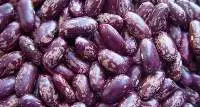
Purple speckled kidney beans, also known as Calypso beans, are a distinctive variety of the common Phaseolus vulgaris. They are characterized by their striking red or purple color adorned with speckles, making them visually appealing in various culinary applications.

Nutritional Benefits
These beans are not only attractive but also packed with nutritional benefits. They are rich in dietary fiber, which aids in digestion and may help lower cholesterol levels. Additionally, purple speckled kidney beans provide a good source of plant-based protein, essential vitamins, and minerals such as iron and potassium. A typical serving (100 grams) contains approximately 127 calories, 8.7 grams of protein, 22.8 grams of carbohydrates, and 6.4 grams of fiber.

Culinary Uses
Purple speckled kidney beans can be used in a wide range of dishes, from salads and soups to stews and casseroles. Their unique flavor and texture make them a versatile ingredient that complements various cuisines. They can be easily substituted for other types of kidney beans in recipes, offering a colorful twist to traditional meals[1][2][4].

Health Benefits
Incorporating purple speckled kidney beans into your diet may aid in weight management, promote colon health, and help regulate blood sugar levels due to their high fiber content. Overall, these beans are a nutritious addition to any meal plan, providing both health benefits and culinary diversity.
VERIFIED
Jan-31-25

Green Mung Beans

MOQ: 10000  
Sample Available
Supplier From Tashkent, Uzbekistan
 Inquire Now  
Crop: 2024
Color: Green
Quality of goods: SORTEX
Size: 3,0 mm up
Moisture: max 14%
Admixtures: max 0,5%
Defective: max 1%

Description of Mung Beans

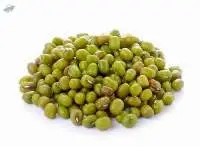
Mung beans, scientifically known as *Vigna radiata*, are small, green legumes that are widely cultivated in various parts of the world, particularly in Asia. They are known for their versatility in cooking and their numerous health benefits.

Nutritional Benefits

Mung beans are rich in essential nutrients, including:

- **Protein**: They are an excellent source of plant-based protein, making them a popular choice for vegetarians and vegans.
- **Fiber**: High in dietary fiber, mung beans promote digestive health and help maintain stable blood sugar levels.
- **Vitamins and Minerals**: They contain significant amounts of vitamins A, C, E, and K, as well as minerals like magnesium, potassium, and iron.

Culinary Uses

Mung beans can be enjoyed in various forms:

- **Whole Beans**: Cooked and added to soups, stews, or salads.
- **Sprouts**: Mung bean sprouts are crunchy and nutritious, often used in stir-fries and salads.
- **Flour**: Mung bean flour is used to make pancakes and other baked goods.
- **Desserts**: In some cultures, they are used to make sweet dishes like mung bean pudding or paste.

Health Benefits

In addition to their nutritional value, mung beans offer several health benefits:

- **Antioxidant Properties**: They contain antioxidants that help combat oxidative stress in the body.
- **Weight Management**: Low in calories yet filling, they can aid in weight loss efforts.
- **Heart Health**: Their high fiber content contributes to improved heart health by lowering cholesterol levels.

Conclusion

Mung beans are not only a delicious addition to a variety of dishes but also a powerhouse of nutrition. Whether enjoyed whole, sprouted, or ground into flour, they provide numerous health benefits that make them a valuable ingredient in any diet.
VERIFIED
Jan-31-25

Light Speckled Kidney Beans

MOQ: 10000  Kilograms
Sample Available
Supplier From Tashkent, Uzbekistan
 Inquire Now  
Crop: 2024
Color: Light speckled
Quality of goods: SORTEX
Size: 180-200 pieces per 100 grams
Moisture: max 16%
Admixtures: max 1%
Defective: max 1%

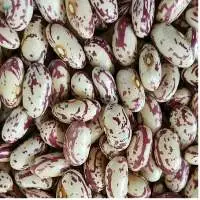
Light speckled kidney beans, scientifically known as *Phaseolus vulgaris*, are a nutritious variety of beans characterized by their beige, pink, or red color with distinctive speckles. They are commonly referred to as sugar beans or cranberry beans and are available in both long and round shapes.

Nutritional Benefits
These beans are highly regarded for their nutritional profile, offering:
- **High Protein Content**: Approximately 8.7 grams per serving.
- **Rich in Essential Nutrients**: They contain calcium, iron, and vitamin B, contributing to overall health.
- **Dietary Fiber**: With about 6.4 grams of fiber, they support digestive health.

Culinary Uses
Light speckled kidney beans have a slightly sweet flavor, making them versatile for various culinary applications. They can be used in soups, stews, salads, and as a side dish. Their robust taste pairs well with spices and other ingredients.

Health Benefits
These beans are particularly beneficial for:
- **Blood Sugar Regulation**: They may help stabilize blood sugar levels, making them suitable for individuals with type 2 diabetes.
- **Colon Health**: Their high fiber content promotes colon health and may reduce the risk of colon cancer.

Origin and Market
Originally cultivated in regions like Mexico and Argentina, light speckled kidney beans are now widely grown in various parts of the world, including Northeast China. They have gained popularity due to their flavor and health benefits, leading to a significant market presence globally.

In summary, light speckled kidney beans are not only a delicious addition to meals but also a powerhouse of nutrition that supports various aspects of health.
VERIFIED
Jan-31-25

Red Speckled Kidney Beans

MOQ: 10000  Kilograms
Sample Available
Supplier From Tashkent, Uzbekistan
 Inquire Now  
Crop: 2024
Color: Red speckled
Quality of goods: SORTEX
Size: 180-200 pieces per 100 grams
Moisture: max 16%
Admixtures: max 1%
Defective: max 1%


Red Beans: A Nutritional Powerhouse

Red beans, also known as kidney beans due to their distinctive shape, are a popular legume celebrated for their rich flavor and numerous health benefits. These beans are a staple in various cuisines around the world, particularly in Latin American, Caribbean, and Southern U.S. dishes.

Appearance and Flavor

Red beans have a deep red color and a smooth, shiny surface. They are medium-sized and kidney-shaped, making them easily recognizable. When cooked, they have a creamy texture and a slightly sweet, earthy flavor that complements a wide range of ingredients.

Nutritional Benefits

Red beans are not only delicious but also packed with nutrients. They are an excellent source of:

- **Protein**: A great plant-based protein option, making them ideal for vegetarians and vegans.
- **Fiber**: High in dietary fiber, which aids digestion and helps maintain healthy cholesterol levels.
- **Vitamins and Minerals**: Rich in essential vitamins such as folate, as well as minerals like iron, potassium, and magnesium.

Culinary Uses

Red beans are incredibly versatile in the kitchen. They can be used in:

- **Soups and Stews**: Adding depth and heartiness to dishes like chili con carne or gumbo.
- **Salads**: Tossed into salads for added texture and nutrition.
- **Rice Dishes**: A key ingredient in traditional dishes like red beans and rice.
- **Vegetarian Recipes**: Perfect for veggie burgers or as a filling in tacos and burritos.

Cooking Tips

When preparing red beans, it's essential to soak them overnight to reduce cooking time and enhance digestibility. Always ensure they are cooked thoroughly, as raw or undercooked kidney beans can be toxic.

Conclusion

Incorporating red beans into your diet is an excellent way to boost your nutrient intake while enjoying their delicious taste. Whether you are making a hearty stew or a refreshing salad, red beans are sure to add flavor and nutrition to your meals!
VERIFIED
Jan-31-25

Black Eyed Beans

MOQ: 10000  Kilograms
Sample Available
Supplier From Tashkent, Uzbekistan
 Inquire Now  
Crop: 2024
Color: Creamy White
Quality of goods: SORTEX
Size: 340-360 pieces per 100 grams
Moisture: max 16%
Admixtures: max 1%
Defective: max 1%

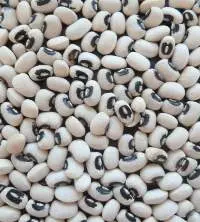
Black-eyed beans, also known as black-eyed peas, are a type of legume belonging to the cowpea subspecies. They are characterized by their small, creamy-white beans with a distinctive black spot that resembles an eye, which is where they get their name. These beans are not actually peas but rather a variety of beans that are often used in various culinary traditions around the world.

**Physical Characteristics**
- **Appearance**: Black-eyed beans are medium-sized and have a curved shape with a prominent black or brown spot at one end. The beans are typically pale in color when dried and can be green when freshly shelled.
- **Pods**: They grow in long, green pods that can reach up to two feet in length, although fresh pods are rarely found in markets.

**Culinary Uses**
Black-eyed beans are versatile and widely used in cooking. They are commonly found in:
- **Southern U.S. Cuisine**: A staple ingredient in dishes like Hoppin' John, which combines the beans with rice and pork, traditionally eaten on New Year's Day for good luck[3][6].
- **African Dishes**: They are used in various traditional recipes across West Africa and the Caribbean, such as akara, a fried bean cake.
- **Indian Cooking**: Black-eyed beans are also integral to many Indian dishes, including curries and stews[4].

**Nutritional Benefits**
Black-eyed beans are highly nutritious:
- **Rich in Nutrients**: They provide significant amounts of protein, fiber, folate, iron, potassium, and magnesium[5][6].
- **Health Benefits**: Their high fiber content supports digestive health and may help regulate blood sugar levels. Additionally, they contain antioxidants that combat inflammation and oxidative stress.

**Cultural Significance**
Historically, black-eyed beans have been cultivated since prehistoric times, originating from West Africa before spreading globally due to trade routes. They became particularly popular in the Southern United States during the post-Civil War era as a vital food source for many communities.

In summary, black-eyed beans are not only a delicious and versatile ingredient but also a nutritious food with deep cultural roots in various cuisines around the world.
Jul-30-26
Nov-29-22
Supplier From Uzbekistan
 Inquire Now
Aug-08-22

Ash Soda

$445
MOQ: 100  Metric Tonnes
 Inquire Now  
COA OF ASH SODA B TYPE
Mass fraction of sodium carbonate ( Na2CO3) 98%
Mass fraction of sodium carbonate ( Na2CO3) in terms of uncalculated product % not less 98.2
Mass fraction of loss on ignition ( at 270 -300�°C) % not more 0,8
Mass fraction of Chlorides in terms of NaCl, no more 0,5
Mass fraction of iron in terms of Fe2O3, not more than % 0.003
The rest of substances insoluble in water, not more than % 0,04
Mass fraction of sulfates in terms of Na2SO4, no more % 0,05
Feb-27-21
Supplier From Uzbekistan
 Inquire Now
Feb-25-21
Supplier From Uzbekistan
 Inquire Now
Oct-09-23
Supplier From Andijon, Andijon, Uzbekistan
 Inquire Now
Apr-14-25
Supplier From Uzbekistan
 Inquire Now
36 Pig Iron Suppliers
Short on time? Let Pig Iron sellers contact you.
Explore Pig Iron related import export discussions