Please click here to check who's online and chat with them.

Find Verified Farm Yard Manure Suppliers, Manufacturers and Wholesalers

Top Supplier Cities : Tashkent   -   Samarkand  
GOLD Member
Jul-25-25

Organic Iodized Cookies, 1st

$1 - $2.30 / Kilogram (FOB)
MOQ: 10 tons  Metric Tonnes
Sample Available
Supplier From Tashkent, Uzbekistan
 Inquire Now  
Organic iodized cookies can offer several benefits, particularly if they incorporate wholesome ingredients and address specific dietary needs. Here are some potential advantages:

Iodine Source: Iodized cookies provide a dietary source of iodine, which is essential for thyroid function, metabolism, and overall health.

Organic Ingredients: Using organic ingredients means fewer pesticides, herbicides, and synthetic fertilizers, making them potentially healthier for both consumers and the environment.

Better Quality: Organic ingredients often come from better farming practices, which can result in more nutrients and better taste.

Reduced Allergens: Many organic cookie recipes are made with alternative flours and sweeteners, which can be beneficial for those with allergies or sensitivities.

No Artificial Additives: Organic products typically avoid artificial colors, flavors, and preservatives, leading to a more natural snack.

Sustainable Practices: Organic farming practices are usually more sustainable, promoting biodiversity and reducing environmental impact.

Higher Antioxidants: Some studies suggest that organic foods may have higher levels of antioxidants, which can help combat oxidative stress in the body.

Ethical Considerations: Many consumers prefer organic products because they support humane treatment of animals and fair labor practices.

Customization: Organic cookies can often be made with healthier ingredients like whole grains, nuts, and seeds, allowing for customization based on dietary preferences.

Taste: Many people find that organic cookies have a fresher, more robust flavor compared to conventional options.

While these benefits can make organic iodized cookies an appealing choice, itâ??s always good to check the specific ingredients and nutritional information to ensure they align with your health goals!
GOLD PLUS Member
Jul-02-26

Cavendish Banana, Grade A

$0.20 - $0.50 / Kilogram (FOB)
MOQ: 18 - 20  Metric Tonnes
Sample Available
Supplier From Tashkent, Uzbekistan
 Inquire Now  
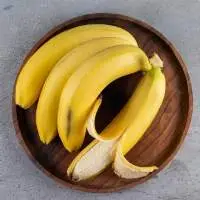
Cavendish banana is the most widely traded commercial banana variety globally, known for its long shelf life, consistent size, sweet taste, and smooth texture. It is harvested green and naturally ripens during transportation or storage.

Variety : Cavendish (AAA genome)
Color : Green (unripe) to yellow (ripe)
Length : 15 - 25 cm (standard export grade)
Diameter : 32 - 38 mm
Weight : 120 - 200 g per fruit
Bunch Weight : 18 - 25 kg
Moisture : 74 - 78%
Ripening : Controlled ripening (ethylene gas chambers)
GOLD Member
Jul-24-25

Kidney Beans, 1st

$1 - $1.70 / Kilogram (FOB)
MOQ: 10 tons  Boxes
Sample Available
Supplier From Tashkent, Uzbekistan
 Inquire Now  
UZB Hs Code : 0713 33 900 0

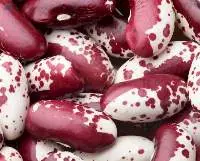
Kidney beans are an excellent plant-based source of protein. They're also rich in various minerals, vitamins, fibers, antioxidants, and other unique plant compounds. Therefore, these beans may aid weight loss, promote colon health, and moderate blood sugar levels.
GOLD Member
Jul-25-25

Organic Iodized Flour, 1st

$1 - $2 / Kilogram (FOB)
MOQ: 10 tons  Boxes
Sample Available
Supplier From Tashkent, Uzbekistan
 Inquire Now  
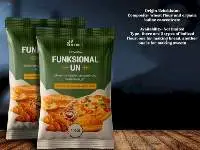
Organic iodized flour offers several benefits, both in its nutritional profile and in the products made from it. Here's a breakdown of these advantages:

Benefits of Organic Iodized Flour
Iodine Fortification: Iodized flour provides a crucial source of iodine, which is essential for thyroid health and proper metabolic function.

Organic Certification: Made from organic grains, it is free from synthetic pesticides and fertilizers, making it a healthier choice for consumers and better for the environment.

Higher Nutritional Quality: Organic grains often retain more vitamins, minerals, and antioxidants compared to conventionally grown grains.

No Artificial Additives: Organic flour typically avoids artificial preservatives, colors, and flavors, leading to a more natural product.

Whole Grain Options: Many organic flours are whole grain, providing higher fiber content, which supports digestive health and helps regulate blood sugar levels.

Lower Chemical Residue: Organic farming practices reduce the risk of chemical residues in the flour, promoting better health outcomes.

Sustainability: Organic farming is generally more sustainable, supporting biodiversity and reducing environmental impact.

Support for Local Farmers: Purchasing organic products often supports local and small-scale farmers who practice sustainable agriculture.

Benefits of Products Made from Organic Iodized Flour
Nutrient-Rich: Baked goods made from organic iodized flour benefit from the iodine content, which supports thyroid function and overall health.

Healthier Baked Goods: Products like bread, pancakes, and pastries can be healthier due to the absence of artificial additives and the inclusion of whole grains.

Better Taste and Texture: Many people find that baked goods made from organic flour have a richer flavor and better texture compared to those made from conventional flour.

Customization for Dietary Needs: Products can often be tailored to accommodate dietary restrictions, such as gluten-free options or those enriched with seeds and nuts.

Digestive Health: The higher fiber content in products made from whole grain organic flour promotes digestive health and regularity.

Lower Glycemic Index: Organic whole grain products can have a lower glycemic index, which helps regulate blood sugar levels and provides sustained energy.

Minimal Processing: Organic flour is usually less processed than conventional flour, which can preserve more nutrients and beneficial compounds.

Enhanced Satiety: Baked goods made with organic flour may provide greater satiety due to higher fiber content, potentially aiding in weight management.

Overall, organic iodized flour not only enhances the nutritional profile of baked goods but also contributes to a more sustainable and health-conscious food system.
GOLD Member
Jul-25-25

Organic Iodized Spices, 1st

$1 - $5 / Kilogram (FOB)
MOQ: 10 tons  Boxes
Sample Available
Supplier From Tashkent, Uzbekistan
 Inquire Now  
iodine, essential for thyroid function, hormone production, and metabolic health.

Organic Certification: Organic spices are grown without synthetic pesticides or fertilizers, making them a healthier choice for consumers and reducing environmental harm.

Enhanced Flavor: Organic spices often have more robust and vibrant flavors compared to non-organic counterparts, elevating the taste of dishes.

Rich in Antioxidants: Many spices are high in antioxidants, which help combat oxidative stress and may reduce the risk of chronic diseases.

Anti-Inflammatory Properties: Certain organic spices, such as turmeric and ginger, have anti-inflammatory properties that can support overall health and may help reduce symptoms of inflammation.

Natural Preservatives: Spices can act as natural preservatives due to their antimicrobial properties, potentially extending the shelf life of foods.

Nutrient Density: Organic spices can contribute essential vitamins and minerals to meals, enhancing their overall nutritional value.

Support for Sustainable Practices: Choosing organic spices supports sustainable agricultural practices that promote biodiversity and protect ecosystems.

Benefits of Meals Cooked with Organic Iodized Spices
Improved Nutritional Profile: Meals cooked with organic iodized spices are likely to have a better nutrient profile, thanks to the added iodine and other beneficial compounds.

Enhanced Flavor and Aroma: Using organic spices can significantly improve the taste and aroma of dishes, making meals more enjoyable and satisfying.

Health Benefits: Meals prepared with anti-inflammatory and antioxidant-rich spices can support overall health, potentially reducing the risk of chronic diseases.

Digestive Health: Many spices aid digestion (like cumin and coriander) and can promote a healthy gut, helping to alleviate digestive discomfort.

Weight Management: Spices like cayenne pepper can boost metabolism, potentially aiding in weight management when included in meals.

Balanced Meals: Incorporating a variety of organic spices can encourage the use of diverse ingredients, leading to more balanced and nutrient-rich meals.

Culinary Creativity: Cooking with a range of organic spices allows for greater culinary creativity, encouraging exploration of different cuisines and flavor profiles.

Holistic Wellness: The use of spices in cooking can enhance the overall dining experience, contributing to a sense of well-being and enjoyment during meals.

Overall, using organic iodized spices not only enhances the flavor and nutritional value of meals but also supports health and sustainable practices, making them a valuable addition to any diet.
1276 Farm Yard Manure Suppliers
Short on time? Let Farm Yard Manure sellers contact you.
GOLD Member
Jul-24-25

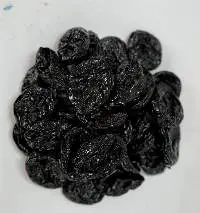
Dried Prune, 1st

$1 - $2.30 / Kilogram (FOB)
MOQ: 10 tons  Metric Tonnes
Sample Available
Supplier From Tashkent, Uzbekistan
 Inquire Now  
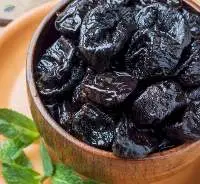
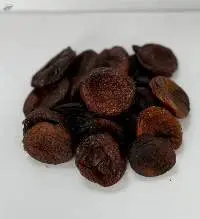
A prune is a dried plum, most commonly from the European plum (Prunus domestica). Not all plum species or varieties can be dried into prunes. A prune is the firm-fleshed fruit (plum) of Prunus domestica varieties that have a high soluble solids content, and does not ferment during drying. Use of the term "prune" for fresh plums is obsolete except when applied to varieties of plum grown for drying.

Most prunes are freestone cultivars (the pit is easy to remove), whereas most plums grown for fresh consumption are clingstone (the pit is more difficult to remove).

Prunes are 64% carbohydrates including dietary fiber, 2% protein, a rich source of vitamin K, and a moderate source of B vitamins and dietary minerals. The sorbitol content of dietary fiber likely provides the laxative effect associated with consuming prunes. Contrary to the name, boiled plums or prunes are not used to make sugar plums.
GOLD Member
Jul-24-25

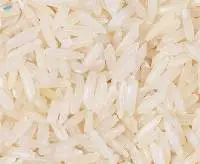
Rice, 1st

$2 - $2.30 / Kilogram (FOB)
MOQ: 10 tons  Metric Tonnes
Sample Available
Supplier From Tashkent, Uzbekistan
Supplier Of Rice   |   Cereals   |   Potato   |   Onion   |   Fig
 Inquire Now  
Uzbekistan was the former Soviet Union's largest producer of fruits and vegetables. About 15% of the total area is crop land. During the Soviet era, cotton was grown on almost half of all sown land. Cotton is grown in the crescent beginning in the Fergana Valley and extending south along the Tien Shan Mountains to Samarkand and Bokhara, and then west along the Amu Darya River. Rice, wheat, barley, and corn are important grain crops. Rice is produced on 48 specialized state farms, and about 85% of the rice crop comes from the southwestern part of Karakalpakistan and the Khorezm region. In 1999, over 4.3 million tons of cereals were produced. Sesame, tobacco, onions, flax, and various fruits are also grown. Figures released by the agriculture and water ministry suggest that these two northern regions alone were responsible for three-quarters of the 75,500 tonnes of rice Uzbekistan produced in 2003. The economy of Khorezm Region is primarily based on cotton. Cotton is by far the main crop, although rice production has increased significantly in the last several years (though the Uzbek government discourages rice production near to deserts, over water usage concerns). There are also many orchards and vineyards, melon and gourd plantations and potato fields. Khorezm Region is famous for its "gurvak" melon in Uzbekistan. Rice is grown in summer under flood irrigation mostly with winter wheat. The Uzbek Research Institute of Rice (UzRI-Rice) is responsible for rice crop improvement and seed production. The Institute was established in 1971 with the main objectives to conduct basic and applied research on rice and legume crops; to provide basic information and research production problems using multidisciplinary approach; to increase overall rice production and improve grain quality in Uzbekistan thereby raising the living standard of farmers and the development of the nation.
VERIFIED
Jan-31-25

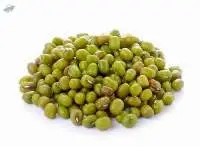
Green Mung Beans

MOQ: 10000  
Sample Available
Supplier From Tashkent, Uzbekistan
 Inquire Now  
Crop: 2024
Color: Green
Quality of goods: SORTEX
Size: 3,0 mm up
Moisture: max 14%
Admixtures: max 0,5%
Defective: max 1%

Description of Mung Beans

Mung beans, scientifically known as *Vigna radiata*, are small, green legumes that are widely cultivated in various parts of the world, particularly in Asia. They are known for their versatility in cooking and their numerous health benefits.

Nutritional Benefits

Mung beans are rich in essential nutrients, including:

- **Protein**: They are an excellent source of plant-based protein, making them a popular choice for vegetarians and vegans.
- **Fiber**: High in dietary fiber, mung beans promote digestive health and help maintain stable blood sugar levels.
- **Vitamins and Minerals**: They contain significant amounts of vitamins A, C, E, and K, as well as minerals like magnesium, potassium, and iron.

Culinary Uses

Mung beans can be enjoyed in various forms:

- **Whole Beans**: Cooked and added to soups, stews, or salads.
- **Sprouts**: Mung bean sprouts are crunchy and nutritious, often used in stir-fries and salads.
- **Flour**: Mung bean flour is used to make pancakes and other baked goods.
- **Desserts**: In some cultures, they are used to make sweet dishes like mung bean pudding or paste.

Health Benefits

In addition to their nutritional value, mung beans offer several health benefits:

- **Antioxidant Properties**: They contain antioxidants that help combat oxidative stress in the body.
- **Weight Management**: Low in calories yet filling, they can aid in weight loss efforts.
- **Heart Health**: Their high fiber content contributes to improved heart health by lowering cholesterol levels.

Conclusion

Mung beans are not only a delicious addition to a variety of dishes but also a powerhouse of nutrition. Whether enjoyed whole, sprouted, or ground into flour, they provide numerous health benefits that make them a valuable ingredient in any diet.
VERIFIED
Jan-29-25

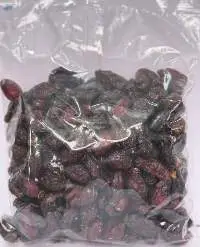
Rosehip

MOQ: 10000  Kilograms
Sample Available
Supplier From Tashkent, Uzbekistan
 Inquire Now  
Description of Rosehip

Rosehip, scientifically known as *Rosa canina*, is the fruit of the wild rose plant, commonly found in Europe, North America, and parts of Asia. This small, red or orange berry is not only visually appealing but also packed with nutritional benefits.

Appearance

Rosehips are typically round or oval-shaped, ranging from 1 to 2 centimeters in diameter. They have a smooth, glossy surface and can vary in color from bright red to deep orange. The fruit grows in clusters and is often surrounded by thorny stems and delicate pink or white flowers.

Nutritional Benefits

Rosehips are renowned for their high vitamin C content, which is essential for immune function and skin health. They also contain vitamins A, E, and K, as well as antioxidants that combat oxidative stress. Additionally, rosehips are rich in dietary fiber and have anti-inflammatory properties, making them beneficial for digestive health.

Uses

Rosehips are commonly used in herbal teas, jams, jellies, and syrups. They can also be found in dietary supplements and skincare products due to their antioxidant properties. Traditional medicine has utilized rosehips for centuries to treat various ailments, including colds, arthritis, and digestive issues.

Conclusion

With their vibrant color and impressive health benefits, rosehips are more than just a pretty fruit. They offer a natural way to enhance your diet and promote overall wellness. Whether enjoyed as a tea or incorporated into culinary delights, rosehips are a delightful addition to any health-conscious lifestyle.
VERIFIED
Jan-28-25

Black Plum Prune

$1
MOQ: 10000  Kilograms
Sample Available
Supplier From Tashkent, Uzbekistan
Supplier Of Plum   |   Cakes   |   Prunes   |   Ties
 Inquire Now  
Dried Plum (Prune) Description

Dried plums, commonly known as prunes, are a delicious and nutritious fruit that has been enjoyed for centuries. They are made from specific varieties of plums, primarily the European plum (Prunus domestica), which are dried to preserve their natural sweetness and flavor.

Appearance and Texture

Prunes are typically dark purple to black in color, with a wrinkled, smooth skin. Their chewy texture makes them a satisfying snack. When you bite into a prune, you'll find it tender yet firm, offering a delightful contrast to their rich, sweet taste.

Flavor Profile

The flavor of dried plums is intensely sweet with subtle hints of tartness. This unique combination makes them a versatile ingredient in both sweet and savory dishes. They can be enjoyed on their own, added to baked goods, or used in salads and stews to impart a natural sweetness.

Nutritional Benefits

Prunes are not only tasty but also packed with health benefits. They are an excellent source of dietary fiber, which aids in digestion and promotes gut health. Additionally, prunes are rich in vitamins and minerals, including potassium, vitamin K, and antioxidants. They are particularly well-known for their natural laxative properties, making them a popular choice for those seeking digestive support.

Culinary Uses

In the kitchen, prunes can be used in various ways:
- **Snacking**: Enjoy them straight out of the package for a quick energy boost.
- **Baking**: Incorporate chopped prunes into muffins, cakes, or cookies for added moisture and sweetness.
- **Cooking**: Add them to savory dishes like stews or tagines for a rich flavor contrast.
- **Smoothies**: Blend them into smoothies for a nutritious kick.

Conclusion

Dried plums are not just a sweet treat; they are a powerhouse of nutrition and versatility. Whether you're snacking on them or incorporating them into your meals, prunes offer a delightful way to enhance your diet while enjoying their unique flavor.
VERIFIED
Jan-28-25

Dried Apricots Natural From Uzbekistan

$1
MOQ: 10000  Kilograms
Sample Available
Supplier From Tashkent, Uzbekistan
 Inquire Now  
Dried Apricots Description

Dried apricots, a delightful and nutritious snack, are made from sun-ripened apricots that have been carefully dried to preserve their natural sweetness and vibrant flavor. These golden-orange fruits are not only delicious but also packed with essential nutrients, making them a popular choice for health-conscious individuals.

Nutritional Benefits

Dried apricots are rich in vitamins A and C, potassium, and dietary fiber. They are known for their antioxidant properties, which help combat oxidative stress in the body. Additionally, their high fiber content supports digestive health and can aid in maintaining a healthy weight.

Culinary Uses

These versatile fruits can be enjoyed on their own as a convenient snack or incorporated into a variety of dishes. They add a sweet and tangy flavor to salads, grain bowls, and baked goods. Dried apricots also pair wonderfully with nuts and cheese for a delightful charcuterie board.


To maintain their freshness, dried apricots should be stored in a cool, dry place in an airtight container. When properly stored, they can last for several months, making them an excellent pantry staple.

In summary, dried apricots are not only a delicious treat but also a powerhouse of nutrition, perfect for snacking or enhancing your culinary creations.
GOLD Member
Jul-24-25

Capers, 1st

$2 - $5 / Kilogram (EXW)
MOQ: 10 tons  Metric Tonnes
Sample Available
Supplier From Tashkent, Uzbekistan
 Inquire Now  
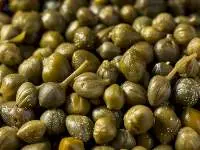
Asafoetida (also spelled asafetida) is the dried latex (gum oleoresin) exuded from the rhizome or tap root of several species of Ferula, perennial herbs growing 1 to 1.5 m (3 to 5 ft) tall. They are part of the celery family, Umbelliferae. Asafoetida is thought to be in the same genus as silphium, a North African plant now believed to be extinct, and was used as a cheaper substitute for that historically important herb from classical antiquity. The species are native to the deserts of Iran and mountains of Afghanistan where substantial amounts are grown.

Asafoetida has a pungent smell, as reflected in its name, lending it the trivial name of "stinking gum". The odor dissipates upon cooking; in cooked dishes, it delivers a smooth flavour reminiscent of leeks or other onion relatives. Asafoetida is also known colloquially as "devil's dung" in English (and similar expressions in many other languages).
GOLD Member
Jul-24-25

Asafoetida, 1st

$70 - $150 / Kilogram (FOB)
MOQ: 10 kg  Kilograms
Sample Available
Supplier From Tashkent, Uzbekistan
 Inquire Now  
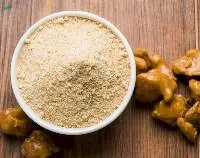
Asafoetida (also spelled asafetida) is the dried latex (gum oleoresin) exuded from the rhizome or tap root of several species of Ferula, perennial herbs growing 1 to 1.5 m (3 to 5 ft) tall. They are part of the celery family, Umbelliferae. Asafoetida is thought to be in the same genus as silphium, a North African plant now believed to be extinct, and was used as a cheaper substitute for that historically important herb from classical antiquity. The species are native to the deserts of Iran and mountains of Afghanistan where substantial amounts are grown.

Asafoetida has a pungent smell, as reflected in its name, lending it the trivial name of "stinking gum". The odor dissipates upon cooking; in cooked dishes, it delivers a smooth flavour reminiscent of leeks or other onion relatives. Asafoetida is also known colloquially as "devil's dung" in English (and similar expressions in many other languages).
GOLD Member
Jul-24-25

Black Cumin, 1st

$1 - $2.30 / Kilogram (FOB)
MOQ: 10 tons  Cartons
Sample Available
Supplier From Tashkent, Uzbekistan
 Inquire Now  
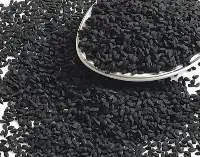
Black cumin (Nigella sativa L., Family: Ranunculacae) is an annual plant native to Egypt and the Eastern Mediterranean, mainly grown in arid and semi-arid areas including the Mediterranean, Middle East, central Europe and western Asia. Black cumin is very popular in traditional medicine and industrial pharmacology, as well as in cuisine and food products as a spice. It is now widely used in traditional medicine for asthma, bronchitis, rheumatism head and back pain, hypertension, and has also been utilized in the treatment of skin and eczema diseases . Furthermore, its essential oil and fatty oil are used in cosmetics and pharmacy.
GOLD Member
Jul-24-25

Yellow Maize, 1st

$0.40 - $1 / Kilogram (FOB)
MOQ: 10 tons  Boxes
Sample Available
Supplier From Tashkent, Uzbekistan
 Inquire Now  
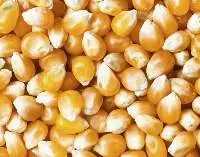
Maize is commonly known as corn. It is the third largest crop in the world. Yellow maize is one of the most extensively cultivated cereal crops on Earth. This Yellow maize is used in various food industries and other industries. Primarily used for human consumption and animal feed.

Yellow corn is a good source of the carotenoids lutein and zeaxanthin, which are good for eye health and help prevent the lens damage that leads to cataracts. Corn also has smaller amounts of vitamins B, E, and K, along with minerals like magnesium and potassium. When it comes to nutrients, color matters.
GOLD Member
Jul-24-25

Wheat, 1st

$0.50 - $0.70 / Kilogram (FOB)
MOQ: 10 tons  Metric Tonnes
Sample Available
Supplier From Tashkent, Uzbekistan
 Inquire Now  
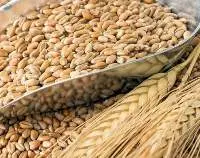
Wheat is a grass widely cultivated for its seed, a cereal grain that is a worldwide staple food.

In addition to being a major source of starch and energy, wheat also provides substantial amounts of a number of components which are essential or beneficial for health, notably protein, vitamins (notably B vitamins), dietary fiber, and phytochemicals.
GOLD PLUS Member
Apr-22-26
Supplier From Tashkent, Uzbekistan
 Inquire Now
GOLD Member
Jul-24-25

Walnut, 1st

$2 - $5 / Kilogram (FOB)
MOQ: 10 tons  Boxes
Sample Available
Supplier From Tashkent, Uzbekistan
 Inquire Now  
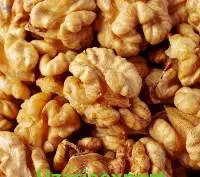
All parts of the nut are used. Walnut kernels are a very tasty and nutritious product, containing 60-70% fat, 11-20% protein, up to 20% carbohydrates and vitamins. Unripe nuts contain 3-5 times more vitamin C than peanuts.

In terms of nutrition, walnuts are superior to bread, meat and close to butter.

Walnuts have long been cultivated in Uzbekistan. The tree is up to 25-30 meters tall, 1.5-2 meters in diameter, the branches are spherical or domed, sparsely branched, the bark of old trees is cracked. The root system is vigorous, growing to a depth of 4 meters, spreading around 10-15 meters. At the base of the trunk and main branches are many dormant buds. Walnut trees are harvested in 8-10 years, grafted ones in 5-6 years. There are also varieties that bear fruit as early as 2 years after transplanting. Walnuts are fertile when they reach the age of 25-35 years and yield 100-150 kg from each tuber, and in some 300-500 kg. However, there is also a stagnation in nuts, which yields more in one year and less in the second. The fruits ripen from late August to early October.

Natural coconut groves in Bostanlyk district of Tashkent region of Uzbekistan are especially valuable. Walnut tree reaches a height of 25-30 m, diameter 1.5-2 m, the branches are spherical or domed, sparsely branched, the root system is vigorous - penetrates to a depth of 4 m, and spreads around 10-15 m.

Walnut kernels, rich in vitamins, which are necessary for the human body, strengthen the memory system, especially the activity of the human brain. Experts recommend that everyone consumes at least one or two nuts a day.

The sultan of medicine, Avicenna, in his book "Laws of Medicine" writes about the properties of walnuts, along with many medicinal plants. According to him, the juice made from the fruit, leaves, bark, core of the walnut tree cures and prevents various diseases. With this feature, walnut kernels are 7 times superior to beef. Walnut kernels contain iron, phosphorus, copper, serotonin, 58-77% fat, 12-25% protein and 5-25% carbohydrates.

Walnut trees bear fruit in 8-10 years, and grafted ones in 5-6 years, but there are also varieties that bear fruit in 2 years after transplanting.

Walnuts are productive when they reach the age of 25-30, with a yield of 100-150 kg from each bush and 300-500 kg from some. The fruits ripen from late August to early October.
Feb-07-25
 Inquire Now  
Artemia cysts are one of our main products. Artemia is rich in protein and fat (protein is about 65%, and fat is about 24%). Its nauplii also have high nutritional value. Therefore, Artemia as an important live bait has constantly attracted people's attention. At present, more than 85% of aquaculture farming uses Artemia cysts as live bait. Aral brand Artemia cysts (Artemia caviar) are mainly collected from the Aral Sea of â??â??Uzbekistan. We use the most advanced technology in the world for processing, and the hatching rate is more than 85%. Before leaving our factory, our products will be strictly tested by our own laboratory and the Uzbekistan Commodity Inspection Bureau, which ensures that our customers are satisfied with each batch of our products. If you are interested in importing Artemia cysts
GOLD Member
Jul-24-25

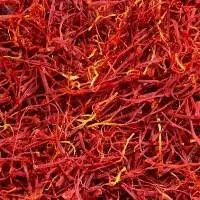
Saffron, 1st

$2 - $5 / Gram (FOB)
MOQ: 1 kg  Cans
Sample Available
Supplier From Tashkent, Uzbekistan
 Inquire Now  
Scientists of the botanical Garden of the Academy of Sciences of Uzbekistan conducted research on the feasibility of cultivation of this plant in our country. The results showed that the saffron fully corresponds to soil and climatic conditions of the republic, can be grown in the mountain and foothill areas of the Fergana Valley, Tashkent, Samarkand, Kashkadarya, Surkhandarya, Navoi and Jizzakh regions, and in inter-rows in vineyards and gardens. In complementary medicine, saffron has long been used for treatment of many diseases. Abu Ali ibn Sino wrote that saffron tincture improves eye vision, the work of the heart and respiratory system.

In the course of scientific research, domestic scientists revealed that climatic conditions of the country allow growing such valuable medicinal plants as Alexandria leaf, valerian medicinal, madder dye, lavender medicinal, erva, rosemary officinalis, and others. The proposals on the establishment of pilot plantations of these plants have already been submitted. They are capable of replacing imports, and are demanded on the external market. The project would trigger the creation of a separate industry in agriculture specializing in the procurement of saffron and other medicinal plants, and thereby the provision of pharmaceutical, perfumery and food industries with domestic raw materials.
1276 Farm Yard Manure Suppliers
Short on time? Let Farm Yard Manure sellers contact you.
Explore Farm Yard Manure related import export discussions