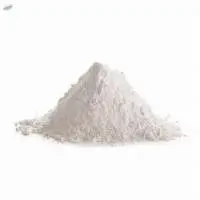
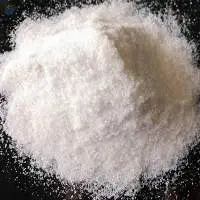
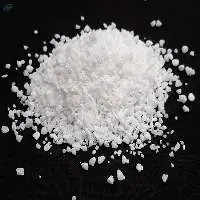
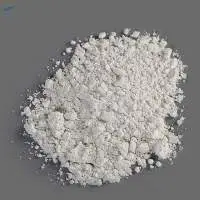
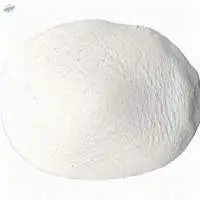
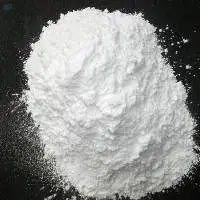
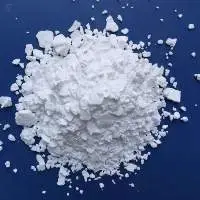
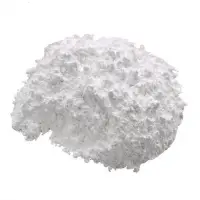
Calcium sulfate, a chemical compound with the formula CaSO4, exists in various forms, but the two most common ones are gypsum (calcium sulfate dihydrate) and anhydrite (calcium sulfate anhydrous). Gypsum is a soft, white mineral often used in construction and agriculture. It is a key ingredient in plasterboard, where it provides fire resistance and soundproofing. In agriculture, gypsum is employed to improve soil structure and nutrient retention. Anhydrite, on the other hand, is a denser, less water-absorbent form of calcium sulfate and is used in industrial processes, including cement production. Both forms of calcium sulfate have distinct properties that make them valuable in a range of applications, from building materials to industrial chemistry.
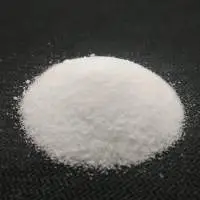
Ammonium sulfate is a white crystalline salt with the chemical formula (NH4)2SO4, commonly used in agriculture as a nitrogen-rich fertilizer. Its high nitrogen content makes it an excellent source of plant nutrients, promoting healthy growth and improved crop yields. It is also utilized in industrial applications such as food processing, water treatment, and flame retardant production. Ammonium sulfate can be applied directly to soil or mixed with other fertilizers, making it a versatile and valuable resource for enhancing plant nutrition and soil quality in agriculture.
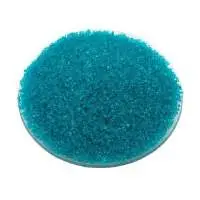
Aluminum sulfate, also known as alum, is a chemical compound with the formula Al2(SO4)3. It is widely used in various industrial and household applications. One of its primary uses is in water treatment, where it acts as a coagulant to clarify water by causing suspended particles to clump together for easy removal. Aluminum sulfate is also employed in the paper and textile industries to enhance dye adherence and as a sizing agent. In gardening, it can be used to lower soil pH for plants that prefer acidic conditions. Additionally, it finds application in the manufacturing of fire extinguisher compounds, as a flocculating agent in wastewater treatment, and in some personal care products. Its versatility and effectiveness in various fields make aluminum sulfate a valuable chemical compound.
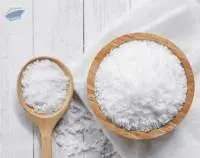
Calcium oxide, commonly known as quicklime, is a white, caustic, and crystalline solid with the chemical formula CaO. It is produced by heating calcium carbonate (usually limestone) to high temperatures, causing the release of carbon dioxide. Calcium oxide is highly reactive with water, leading to the production of calcium hydroxide and the release of a significant amount of heat, a process known as slaking. This property makes it valuable in a range of applications, including as a key ingredient in cement production, in agriculture to amend soil pH, and in various industrial processes like metallurgy and the production of chemicals. Its reactivity and versatility in multiple industries underscore its importance as a fundamental chemical compound.
Calcium silicate is a white, crystalline compound with the chemical formula Ca2SiO4. It is primarily known for its role as a high-temperature insulating material with exceptional thermal stability. Calcium silicate insulation is widely used in industrial applications, such as in the construction of furnaces, kilns, and pipelines, where it can withstand extreme temperatures and provide effective thermal insulation. This material is also non-combustible and moisture-resistant, making it suitable for fireproofing and corrosion prevention. Calcium silicate's versatility, durability, and ability to handle intense heat have made it a vital component in a range of industries requiring reliable insulation and thermal protection.
151 Calcium Sulfate Suppliers
Short on time? Let Calcium Sulfate sellers contact you.
Calcium carbonate is a white, odorless, and tasteless chemical compound with the formula CaCO3, widely recognized for its versatile applications in various industries. It is a key component of natural substances like limestone, chalk, and marble. In the industrial realm, calcium carbonate is used as a filler in the production of plastics, paints, and coatings, where it enhances product strength and opacity. It is also an essential ingredient in the paper and pulp industry for improving paper whiteness and smoothness. In agriculture, calcium carbonate is employed to amend soil pH and provide calcium to plants. Furthermore, it is a common dietary supplement for calcium enrichment and antacid medications to alleviate heartburn and indigestion. The diverse utility of calcium carbonate highlights its significance in both industrial and consumer sectors.
Calcium hypochlorite is a chemical compound with the formula Ca(ClO)2, commonly used as a powerful disinfectant and sanitizer. It is often found in the form of white granules or tablets and is a key ingredient in various water treatment processes, including the purification of swimming pool water, drinking water, and wastewater. Calcium hypochlorite releases chlorine when dissolved in water, which effectively kills bacteria, viruses, and algae, making it an essential tool for maintaining water quality and safety. Additionally, it is employed in sanitation and cleaning applications, particularly in industries like healthcare, agriculture, and food processing, where its strong oxidizing properties help control and prevent the spread of infections and contaminants. Its role in ensuring clean and safe water supplies and hygienic environments makes calcium hypochlorite a critical chemical compound for public health and sanitation.
Calcium chloride is a white crystalline chemical compound with the formula CaCl2, widely used for its versatile properties in various industries. It is a highly hygroscopic substance, meaning it readily absorbs moisture from the air, making it effective for dust control on roads and as a de-icing agent to prevent the formation of ice on roadways in cold climates. Calcium chloride also finds application in the food industry as a food additive, primarily as a firming agent in canned vegetables and as a calcium source in certain food products. In addition to its industrial and culinary uses, it is employed in concrete production to accelerate the setting time of cement and in drilling fluids for oil and gas well drilling. Its ability to control moisture, lower freezing points, and serve as a calcium supplement underscores its importance across multiple sectors.
Sodium Laureth Sulfate (SLES) is a widely used surfactant and detergent in the cosmetics, personal care, and cleaning product industries. It is valued for its exceptional foaming and cleaning properties, making it a common ingredient in shampoos, body washes, toothpaste, and household cleaning agents. SLES effectively removes dirt, oils, and impurities, creating lathering and cleansing products that consumers often associate with a thorough and refreshing clean. Despite its effectiveness, there have been concerns about its potential to irritate sensitive skin, prompting some manufacturers to seek milder alternatives in their formulations.
Application:
Chemical raw material, commonly used in industry for detergent and textile industry. Good foaming properties, cleanliness profile, biodegradable surfactant. And effective resistance to hard water, does not hurt the skin. Sodium dodecyl ether sulfate is commonly used in the production of shampoos, body lotions, dishwashing and compound soaps. Sodium dodecyl ether sulfate is also commonly used as a wetting and clarifying agent in the textile industry.
Single Super Phosphate (SSP) is a high-quality phosphate fertilizer widely used to improve soil fertility and promote healthy root development. It supplies readily available phosphorus along with sulfur and calcium, making it suitable for cereals, oilseeds, legumes, fruits, vegetables, and fertilizer blending.
Fused Magnesium Phosphate (FMP) is a high-quality phosphate fertilizer that supplies phosphorus, magnesium, calcium, and silicon for balanced crop nutrition. It is especially suitable for acidic soils and is widely used in cereals, vegetables, fruits, tea, sugarcane, and plantation crops. FMP improves root development, enhances nutrient uptake, and supports long-term soil fertility.
Calcium Nitrate Concentrated with Boron is a premium, fully water-soluble fertilizer formulated to supply crops with readily available calcium, nitrate nitrogen, and boron. The combination of calcium and boron supports cell wall formation, flowering, fruit set, and overall crop quality, while nitrate nitrogen promotes rapid plant growth. The product is suitable for fertigation, hydroponics, foliar application, and open-field agriculture.
0.3%
Calcium (as CaO) 32.0% minimum
Boron (B) Up to 1.0%
Water Solubility 100%
pH (1% solution) 5.5-6.5
Friability 100%
Sulfur available for lift-up from Tanzania. CFR terms are negotiable at the factory. The buyer should submit an LOI to request pricing. Deposit terms are subject to negotiation before SGS inspection.
Magnesium Sulphate is a water-soluble inorganic salt containing magnesium (Mg) and sulphur (S). It is commonly supplied as magnesium sulphate heptahydrate (MgSO4.7H2O), also known as Epsom salt. The product is used as a magnesium and sulphur source in fertilizers, animal nutrition, chemical processing, and industrial applications.
Properties
Chemical Formula MgSO4.7H2O
Appearance White crystalline powder or granules
Magnesium Oxide (MgO) Approx. 16%
Magnesium (Mg) Approx. 9.8%
Sulphur (S) Approx. 13%
Purity 98-99%
Moisture Controlled
Solubility Fully soluble in water
pH (5% solution) Approx. 5-9
151 Calcium Sulfate Suppliers
Short on time? Let Calcium Sulfate sellers contact you.