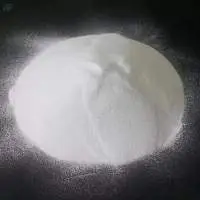
PVC resin is a polymer compound formed by polymerization of vinyl chloride monomer (VCM), and its structure unit is [CH2-CHCL]n. polymerization degree is usually 590-1500. According to the content of residual polyethylene monomer in PVC resin can be divided into: industrial grade, food hygiene grade and medical grade. The appearance of PVC resin is white powder.
PVC resin SG3 SG5 SG8 is flame-retardant (flame retardant value above 40), high chemical resistance (resistant to concentrated hydrochloric acid, 90% sulfuric acid, 60% nitric acid and 20% sodium hydroxide), mechanical strength And the advantages of good electrical insulation. But its heat resistance is poor, with a softening point of 80�°C, it starts to decompose and change color at 130�°C, and precipitate HCI.
Application: It is widely used in the production of polyvinyl chloride boardy leatheroid, paint and adhesive agents, paint and adhesive.
Packing: 25kgs two layers draft paper bag or 1000kgs PP bag.
Low Density Polyethylene
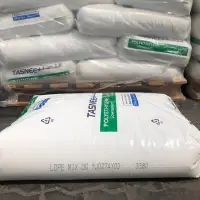
TASNEE produces four different low density polyethylene film grade resins using tubular reactor technology with melt flow rates (MFR) range of 0.25 â?? 4.0 g/10min. TASNEE LDPE grades exhibit mainly excellent dart impact, high puncture & tear resistance, shrink ability and seal ability.
TASNEE low density polyethylene is manufactured using the Lupotech T method and has certain advantages that makes it most feasible to film applications: It does not allow water and steam to permeate but has a good permeability for carbon dioxide and oxygen. These characteristics are especially desired for packaging. Non-oxidizing acids, bases, salts and their solutions practically have no effect on polyethylene.
Major applications include:
TASNEE LD 0222N
Heavy duty packaging, shrink wrap film, agricultural film, etc.
TASNEE LD 0725N
Medium duty packaging, shrink wrap film etc.
Poly Carbonate Sheet is one of the most versatile materials on the market. polycarbonate has a number of specific benefits that cause them to be a favourite among builders and product manufacturers. Heres what todays product manufacturers need to know about poly carbonate sheet, its uses, and its benefits.
Why Polycarbonate Sheet?
Polycarbonate is a thermoplastic that comes in a transparent sheet. It is incredibly tough and absorbs minimal moisture, making it resistant to impact damage as well as water damage. Itâ??s also flame-retardant and chemical resistant.
They offer a combination of properties such as high transparency, high impact and fracture resistance, high heat resistance, good dimensional stability and good electrical insulation property. They are also readily recyclable and have excellent process ability.
Finish : Flat / Matte / Embossed / Crystal / Prismatic
Thickness : 1.5 to 20.0 mm
Color : Clear / White / Green / Blue / Bronze
Sizes : 1220 - 1830, 1220 - 2440, 2000 - 3000 mm
Note: Custom sizes and colours available on order .
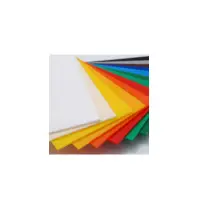
Wherever clarity and strength are required, Cast Acrylic Sheet is the clear solution. Cast acrylic sheet is a lightweight plastic sheet with high impact resistance and optical clarity. Cast acrylic sheet boasts a higher molecular weight than extruded acrylic sheet, has a better resistance to crazing when exposed to solvents and a harder surface. Cast acrylic sheet is also available in a large variety of custom colors.
This product can come in many sizes, thicknesses, and finishes and is easily fabricated and thermoformed. Cast acrylic sheet is used in many applications including POP displays, skylights, furniture, aquariums, signage ,interiors , display cases, and security windows and many many
Acrylic sheet, with its moldable material, lightweight nature, and high impact resistance, combined with superior optical clarity, is used in a wide range of applications. Anywhere that a see through surface that is both strong and attractive is needed, cast acrylic sheet is the solution.
Product Specifications
Available Thickness: From 2.8mm up to 50mm
Available Size: 1220mm x 2440mm & 2050mm x 3050mm
Available Masking Type : Paper masking and Film masking
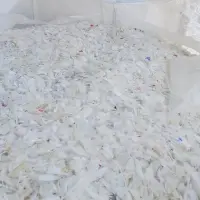
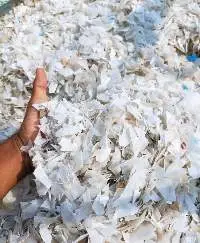
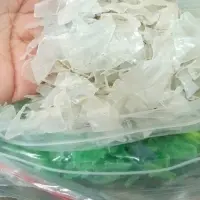
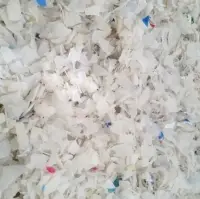
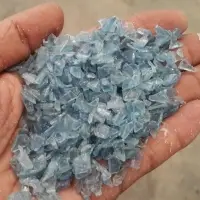
Material - PET Bottle Flakes
color - White, Green, Brown.
Properties - Cold Wash and without labels and cap.
Packaging - 25 kg and Jumbo Bags.
Payment Term - LC/TT.
LDPE/FR refers to low-density polyethylene with flame retardant properties. LDPE (Low-Density Polyethylene) is a type of thermoplastic known for its flexibility, toughness, and chemical resistance. When it's treated with flame retardant additives, it becomes LDPE/FR, which is more suitable for applications where fire safety is a concern.
A "mineral-filled thermoplastic core" likely refers to the addition of mineral fillers to the LDPE/FR matrix. Mineral fillers can enhance various properties of thermoplastics, such as stiffness, dimensional stability, and thermal conductivity. Common mineral fillers include calcium carbonate, talc, and mica.
Combining LDPE/FR with a mineral-filled core can result in a composite material that offers improved fire resistance and mechanical properties compared to pure LDPE/FR. This composite could find applications in industries where both fire safety and structural integrity are crucial, such as construction, transportation, and electronics.
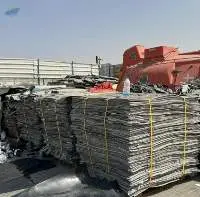
LDPE stands for Low-Density Polyethylene, which is a type of thermoplastic made from the monomer ethylene. LDPE is commonly used in various applications due to its flexibility, transparency, and chemical resistance. LDPE is often used as a core material in composite panels, particularly in the construction industry.
Composite panels with LDPE polyethylene cores are known for their lightweight properties, making them suitable for applications where weight is a concern. Additionally, LDPE cores provide insulation and soundproofing properties, enhancing the performance of composite panels in building construction.
However, it's essential to note that while LDPE offers certain advantages, it may have limitations in terms of fire resistance and structural strength compared to other materials used in composite panels, such as aluminum or fire-retardant cores. Therefore, the selection of materials for composite panels depends on specific project requirements, including regulatory standards and performance criteria.