Please click here to check who's online and chat with them.

Find Verified Liquid Fertilizers Suppliers, Manufacturers and Wholesalers

Top Supplier Cities : Dubai   -   Sharjah  
Apr-26-23
Supplier From Dubai, United Arab Emirates
 Inquire Now  
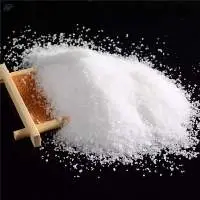
MKP (00-52-34) is a fully water-soluble fertilizer, a highly efficient source of phosphorus and potassium for plants. It can be applied in combination with other fertilizers to meet crop nutritional needs throughout the growth cycle. Its high purity and water-solubility make MKP an ideal fertilizer for foliar application. Application of MKP at the productive stages of sugar-rich fruit crops helps to increase sugar content. MKP is also suitable for preparation of fertilizer blends and production of liquid fertilizers. As a nitrogen-free fertilizer, MKP is the preferred source of phosphorus and potassium when nitrogen fertilization should be limited.

Packing: 25kg bags, 50kg bags, 1200kg jumbo bags, and customer's marking bags.

Handling and Storage: Store in a cool and dry place, away from moisture, or heat. Protect the materials from the sun or rain during transportation.

Item Specification
Main Contents %: 99.0
Phosphorus (as P2O5) %: 52.0
Potassium Oxide (as K2O) %: 34.0
pH: 4.4-4.8
Moisture %: 0.2
Heavy Metal (as Pb) %: 0.005
Iron (as Fe) %: 0.003
Arsenic (as As) %: 0.005
Water Insoluble %: 0.1
Chloride (as Cl) %: 0.2
VERIFIED
Mar-12-24
 Inquire Now  
Potassium chloride (KCl) is a chemical compound composed of potassium and chlorine. It is a white crystalline salt with the chemical formula KCl. Potassium chloride is widely used in various applications, including agriculture, food processing, medical treatments, and industrial processes. Here are some key points about potassium chloride:
Solubility: Potassium chloride is highly soluble in water, which makes it suitable for use in liquid fertilizers and irrigation systems.
Agricultural Use: Potassium chloride is a common source of potassium in fertilizers. Potassium is an essential nutrient for plant growth, contributing to processes like photosynthesis, enzyme activation, and osmoregulation.
It is particularly beneficial for crops that have a high demand for potassium, such as fruits and vegetables.
Fertilizer Grades: Potassium chloride is available in different fertilizer grades, with varying concentrations of potassium. The two primary grades are Muriate of Potash (MOP) and Sulfate of Potash (SOP).
Industrial Applications: Potassium chloride is used in various industrial processes, including the production of certain chemicals, pharmaceuticals, and metal processing.
It is employed in water softening systems to replace calcium and magnesium ions with potassium ions.
Food Additive: In the food industry, potassium chloride is used as a salt substitute for individuals seeking to reduce their sodium intake. It is often found in low-sodium or "lite" products.
Medical Uses: Potassium chloride is used medically, both as a supplement for individuals with potassium deficiencies and as part of intravenous fluids.
It is also used in certain medical tests and diagnostic procedures.
Compatibility: Potassium chloride is generally compatible with other fertilizers, and it can be used in combination with them to provide a balanced nutrient profile for plants.
Safety Considerations: While potassium chloride is generally recognized as safe when used appropriately, excessive intake can have health implications. Individuals with certain medical conditions, such as kidney problems, may need to monitor their potassium intake.
Environmental Impact: The application of potassium chloride in agriculture should be done responsibly to minimize environmental impact, such as nutrient runoff into water bodies.
VERIFIED
Mar-12-24

Ammonium Sulfate

$100
MOQ: 100  Metric Tonnes
Supplier From Dubai, United Arab Emirates
 Inquire Now  
Ammonium sulfate is a common inorganic salt. It contains two ammonium ions and one sulfate ion. This salt is widely used in various applications, including agriculture, industrial processes, and laboratory settings. Here are some key points about ammonium sulfate:
Nitrogen and Sulfur Content: Ammonium sulfate is a good source of both nitrogen and sulfur. The nitrogen is in the ammonium form, making it readily available for plants.
Solubility: Ammonium sulfate is highly soluble in water, allowing it to be easily dissolved for use in liquid fertilizers or irrigation systems.
Fertilizer Use: It is commonly used as a nitrogen and sulfur fertilizer in agriculture to provide essential nutrients for plant growth.
The nitrogen in ammonium sulfate is gradually released, providing a sustained nutrient supply to plants.
Acidity: Ammonium sulfate is acidic in nature, and its application can contribute to lowering the pH of the soil. This can be beneficial in alkaline soils or for crops that prefer slightly acidic conditions.
Soil Amendment: In addition to providing nutrients, ammonium sulfate can also serve as a soil amendment for improving certain soil characteristics.
Industrial Applications: Ammonium sulfate is used in various industrial processes, including the production of textiles, dyes, and flame retardants.
It is also employed in certain chemical reactions and as a precipitant in laboratories.
Yeast Nutrient: In the brewing industry, ammonium sulfate is sometimes used as a yeast nutrient in the fermentation process.
Compatibility: Ammonium sulfate is generally compatible with other fertilizers, and it can be used in combination with them to provide a balanced nutrient profile.
Safety Considerations: When handling ammonium sulfate, it's important to follow safety guidelines and use appropriate protective equipment to prevent skin or eye contact and inhalation.
Storage: Ammonium sulfate should be stored in a cool, dry place to prevent moisture absorption.
3 Liquid Fertilizers Suppliers
Short on time? Let Liquid Fertilizers sellers contact you.
See what buyers and suppliers are discussing in Liquid Fertilizers import export community