AOS Application:
AOS is used in all kinds of lavation cosmetics such as laundry detergent, compound soap, dish washing detergent and it is preferred raw materials of non-phosphate detergent;
AOS� can be used in cleaning cosmetics such as shampoo, bath lotion and facial cleanser etc;
AOS� can also be used in industrial detergent such as oil field, mine, construction, fire protection and textile dying.
Formic acid, with the chemical formula HCOOH, is the simplest carboxylic acid and a colorless, pungent liquid with a sharp odor. It is naturally found in the venom of certain ants and serves as a key ingredient in stinging nettle plants. Formic acid is widely used in various industrial applications, including as a preservative and antibacterial agent in livestock feed, a coagulant in rubber production, and a powerful descaling agent for cleaning metal surfaces. It also plays a role in textile and leather processing, and as a basic building block in the synthesis of various organic chemicals. Its versatility and reactivity make formic acid a valuable compound with a range of practical uses in different industries.
Anionic polyacrylamide is a water-soluble synthetic polymer with negatively charged functional groups, widely used in industries and environmental applications. Its main role is as a flocculant and coagulant in water treatment processes, where it aids in the aggregation and settling of suspended particles, impurities, and solids, facilitating their removal and purification from water sources. Beyond water treatment, anionic polyacrylamide has applications in enhanced oil recovery in the petroleum industry, soil conditioning for agriculture, and enhancing particle retention and drainage in the paper and textile industries. Its versatility in improving solid-liquid separation and reducing environmental contamination makes it a critical component in various industrial and environmental processes.
Monoethylene glycol (MEG) is a colorless, odorless, and slightly viscous organic compound widely used in various industries. Primarily known for its role as an essential component in the production of polyester fibers, resins, and polyethylene terephthalate (PET) plastics, MEG serves as a crucial raw material in the manufacture of textiles, packaging materials, and plastic bottles. Additionally, its properties as a coolant and antifreeze make it a common ingredient in automotive and industrial applications, preventing freezing and overheating in engines and mechanical systems. MEG's versatility, solubility, and ability to lower the freezing point of water have established it as a vital compound in diverse sectors, from manufacturing to engineering.
Oxalic acid is a colorless, crystalline organic compound with the chemical formula H2C2O4. It is naturally found in various plants, particularly in foods like spinach and rhubarb, and serves as a common component in some household cleaning products. Oxalic acid has versatile applications, most notably as a rust remover and stain cleaner for metal surfaces. In addition to its cleaning properties, it is used as a reducing agent in certain chemical reactions and as a mordant in textile dyeing. However, it should be handled with caution as it can be toxic when ingested in large quantities. Its ability to effectively remove stains and its role in various chemical processes make oxalic acid a valuable compound in both household and industrial settings.
Optical brighteners, also known as fluorescent whitening agents (FWAs) or optical brightening agents (OBAs), are chemical compounds used in various industries, primarily in textiles, paper, and detergents. These substances absorb ultraviolet (UV) light and re-emit it as visible blue light, making colors and whites appear brighter and more vivid. Optical brighteners are often added to laundry detergents to give the illusion of cleaner and whiter clothing by enhancing their visual brightness. They are also used in the paper industry to improve the brightness and whiteness of paper products. Optical brighteners' ability to improve the appearance of materials under certain lighting conditions makes them valuable in enhancing the visual quality of a wide range of consumer and industrial products.
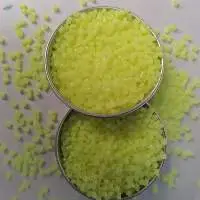
Sodium sulfide is a chemical compound known for its multiple industrial applications, primarily in the realm of metallurgy and the production of chemicals. It is a yellow to red solid or solution that serves as a powerful reducing agent, facilitating the removal of oxygen from various metal ores during ore processing, thereby aiding in the extraction of metals like copper, lead, and zinc. Sodium sulfide also plays a role in the leather industry for hair removal during leather processing and in the textile industry for dyeing and desulfurization. Additionally, it is used in wastewater treatment as a precipitating agent for heavy metals and in the production of various organic chemicals. Its versatility as a reducing and sulfur-bearing agent makes sodium sulfide crucial in multiple industrial processes.
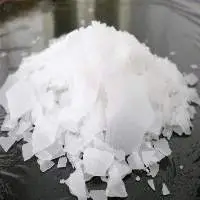
Caustic soda, also known as sodium hydroxide (NaOH), is a highly versatile and corrosive chemical compound used extensively in various industries. It is a strong base that appears as a white, solid substance or as a concentrated liquid solution. Caustic soda plays a crucial role in chemical manufacturing, particularly in the production of soap, detergents, and various types of paper products. It is also used in water treatment to adjust pH levels, in the textile industry for fabric processing, and in food production for various purposes, including peeling fruits and vegetables. Caustic soda's powerful reactivity and alkaline nature make it an essential component in many industrial and manufacturing processes, although it should be handled with care due to its corrosive properties.
4341 Textile Handicrafts Suppliers
Short on time? Let Textile Handicrafts sellers contact you.