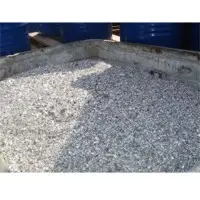
We supply clean, post-industrial, fully vulcanized EPDM rubber scrap in two distinct colors (black and blue). The material is contamination-free, with no metal, stones, or dirt, making it ideal for recycling, compounding, or granulation.
Available volumes are up to 200 tons per year, with consistent quality from production waste streams. Located in Sweden, we offer flexible logistics solutions and are open to long-term partnerships with buyers across Europe and international markets.
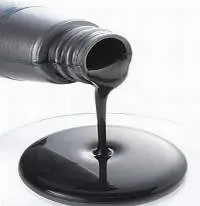
Furnace oil, also known as fuel oil or heating oil, is a heavy petroleum-based product primarily used in industrial furnaces and boilers to generate heat. It's a residual product obtained after refining crude oil, making it one of the heavier products from the distillation process.
Primary Characteristics:
Appearance: Viscous liquid, typically dark brown or black.
Odor: Distinctive petroleum-based aroma.
Density: Heavier compared to light distillates like gasoline and diesel.
Sulfur Content: Can vary, but certain grades have a high sulfur content.
Specifications:
The quality and grade of furnace oil are often specified by standards such as ISO or regional standards. It's typically classified by its viscosity and sulfur content.
Applications:
Industrial Heating: Used in large furnaces, kilns, and boilers in various industries.
Power Generation: Some power plants operate on furnace oil, especially during peak demand or when other fuels are unavailable.
Marine: Older ships and certain marine vessels use furnace oil as a bunker fuel.
Advantages:
Cost-Effective: Often cheaper than other fuel types, especially in regions with abundant refineries.
High Energy Content: Its dense nature means it carries a significant amount of energy per unit.
Availability: Commonly available due to the vast global crude oil refining processes.
Gasoil, often referred to as diesel oil or simply diesel, is a middle distillate derived from the crude oil refining process. It possesses properties between those of lighter fuels like gasoline and heavier fuels like lubricating oil. Gasoil is used as both a fuel and a processing element in various industries.
Primary Characteristics:
Appearance: Clear to slightly hazy, ranging in color from light straw to amber.
Odor: Characteristic petroleum smell.
Density: Varies based on specific grade and blend but generally denser than gasoline.
Cetane Number: Indicator of the combustion speed of diesel fuel and compression needed for ignition.
Specifications:
Gasoilâ??s quality and classification often adhere to standards set by organizations such as ASTM (American Society for Testing and Materials) or equivalent regional standards. Variations include Ultra-Low Sulfur Diesel (ULSD), Low Sulfur Diesel, and others.
Applications:
Automotive: Fuel for diesel-engine vehicles, such as trucks, buses, and cars.
Industrial: Used in various industrial machines and engines, including generators.
Marine: Fuel for certain types of marine vessels.
Heating: Used in some regions as heating oil for homes and businesses.
Power Generation: Fuel for diesel-powered electricity generators.
Advantages:
Energy Dense: Provides more energy per gallon compared to gasoline, leading to longer fuel economy in diesel engines.
Efficient: Diesel engines often convert fuel to energy more efficiently than their gasoline counterparts.
Reliable: Known for its durability and reliability in heavy-duty applications.
260x260 mm (3 kg) with strong lock which support open and closing many times
Minimum order 1000 bags
Price is for 1000 bags is 30 USD. Shipping will be additional
Never used. 200x80x50 mm
Minimum order 1 pallet = 2016 bottles
For use of screw cap
Price is for one pallet. If you by more price will off course be better
Shipping cost will be additional
172 Ship And Marine Scrap Suppliers
Short on time? Let Ship And Marine Scrap sellers contact you.