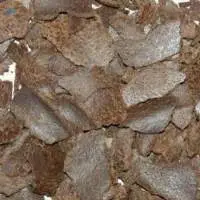
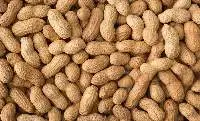
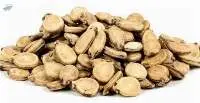
Is the by-product obtained after the extraction of oil from peanut seeds (also called peanuts) . It is a protein-rich ingredient that is widely used to feed all classes of livestock. Peanut meal is the sixth most common oil meal ingredient produced in the world
Protein: 46 % Min
Moisture: 5%Max
Ash: 7 % Max
Oil : 6.5% Min
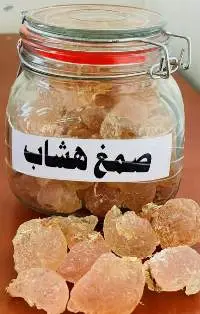
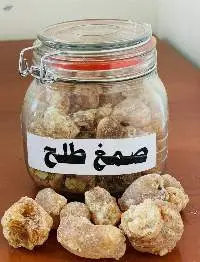
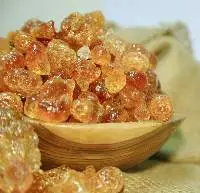
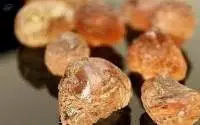
Gum arabic is the product of the acacia or acacia tree, which is abundant in the tropics and especially in Sudan, which is the largest producing country for it, and is famous for its gum known as Hashab. Gum arabic is used primarily in Food Industry It is used as an emulsifier, suspension and stabilizer in emulsions, binding agent in compresses, and as a viscosity-raising agent. It is used in the printing and production of paint, glue, cosmetics and various industrial applications.
- Cleaned Grade
- Medium to Small Size Modules
- Loss on Drying: Max 15%
- Total Ash: max 4%
- Nitrogen Content: 0.24 to 0.41%
- Protein Content: 1.58 to 2.7%
- Arsenic: Max 3mg/kg
- Lead: Max 10mg/kg
- Heavy Metal: Max 40mg/kg
61 Processed Fish Suppliers
Short on time? Let Processed Fish sellers contact you.
Latin name : Cassia angustifolia
Constituents/Plant Part : Pods
Country of Origin : Sudan
Cultivation Technique : Natural / By Hand
Organoleptic Description
Appearance : Pods are broadly oblong and contain about six seeds.
Texture : Dry but pliable
Flavour : Slightly bitter
odour : Tea like aroma
Type : Typical
Processing
Drying Method : Warm Air under the Sun
Cut Size : Uncut
Further Treatment : None
Full batch traceability is available
Packaging
Pressed Bales ranging in weight from 100M/T to 125M/T (+/- 10pct) and loose packed in
40FT Container.
All bales are clearly identified to show contents, weight and batch/lot number.
The peanut crop is considered one of the important oilseed crops, in addition to its role in the human diet as seeds and oil. The peanut cake is used as animal food.
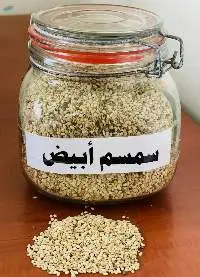
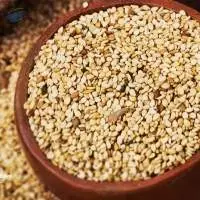
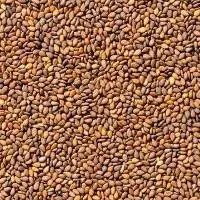
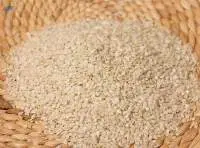
(Sesamum indicum) is a flowering plant in the genus Sesamum. Numerous wild
relatives occur in Africa and it is widely naturalized in tropical regions around the world and
is cultivated for its edible seeds, which grow in pods.
Sesame seed is considered to be the oldest oilseed crop known to man, domesticated well
over 5,000 years ago
Usages of Whitish Type: Bakery and sweets, other savoury food applications and
crushing for oil extraction for sesame seed oil production.
Product Description: Sudanese Unhulled Sesame Seeds Grade A
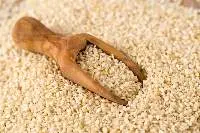
Our Sudanese Unhulled Sesame Seeds (Grade A) are premium-quality seeds sourced directly from the fertile plains of Sudan one of the world's leading producers of naturally rich and aromatic sesame. Carefully selected and cleaned to international export standards, these seeds are known for their high oil content, pure taste, and superior uniformity.
Key Features:
Origin: Sudan
Type: Natural Unhulled Sesame Seeds
Grade: A (Premium Export Quality)
Purity: 99% minimum
Moisture: 6%
Oil Content: 48%- 52%
Color: White to light brown
Free From: Adulteration, chemicals, and impurities
Packaging: 50 kg or 25 kg polypropylene bags (customizable)
Uses:
Ideal for oil extraction, bakery products, tahini production, and health food industries.
Why Choose Our Sesame Seeds:
100% natural and sun-dried
Sourced directly from trusted Sudanese farmers
Processed and packed under strict quality control
Competitive export pricing with flexible shipping options
High Quality, Fresh Organic Raw on two types (brownish Sadir & White Jambo Grade) with below specification:
- Oil Min 18%
- Moisture Max 6%
- Fiber Max 47%
- Protein Max 18%
- Fatty Acid Max 3%
Sesame seeds are highly valued for their high content of sesame oil, an oil that is very resistant to rancidity. Sesame seeds are the main ingredients in both tahini and the Middle Eastern sweet treat, halvah.
Max 1% Admixture, Max
2% Ffa, Max 6% Moisture, Min 50% Oil Content, Free From Water Damage,
Free From Infestation and Live Weevils, in Sound Merchantable Quality of
Natural Taste and Smell, Fit for Human Consumption
It is used frequently in Middle Eastern, Asian, Mediterranean, and northern African cooking. You will find that sesame oil is an extremely important ingredient for some countries.
Max 6% Colored Seeds, Max 1% Admixture, Max 2% Ffa, Max 6% Moisture,
MIN 48% Oil Content, Free From Water Damage, Free From Infestation &
Live Weevils, In Sound Merchantable Quality Of Natural Taste & Smell, Fit
For Human Consumption
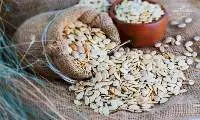
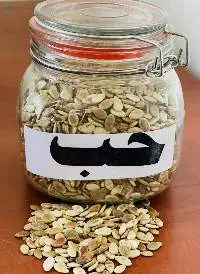
General specifications of the Sudanese watermelon seeds:
Purity 99%
Color white, between white and yellow, black
Moisture Max 5.9 - 9%
Size 8mm - 12mm
Splits 3 - 5 %
Protein 37.4%
Oil content 50 - 51 %
Admixture 1%
Good for human use and free from any chemicals or insects.
Watermelon seeds types:
Sadir Grade :
Size: between 8mm - 12mm
Color: brownish with 4% maximum other color seeds.
Farash Grade:
Size: between 8mm - 12mm
Color: creamy with 4% max. other color seeds
Kashair Grade:
Size: between 10mm - 14mm
Color: white
Jumbo Grade.
Size: between 10mm - 14mm
Color: white
Packing and Export
Packing is done usually in 40 - 45 KG PP bags, and exported in 20 feet containers which will carry 18 metric tons.
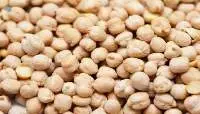
Its different types are variously known as gram or Bengal gram, garbanzo or garbanzo bean, and Egyptian pea. Chickpea seeds are high in protein. It is one of the earliest cultivated legumes and 7500-year-old remains have been
found in the Middle East.
Watermelon Seeds
Limits result analysis
........ Small Seeds class
NORMAL NORMAL SMELL
6 MAX 3.0 MOISTURE
Small Seeds medium Seeds large Seeds ....... Degrees
Free free free free fungal Infection
Colored with white yellow White yellow with colored White UNBLEMISHED WHITE WITH YELLOW AND A LITTLE COLOR COLOR
18 More 18 More 4 max 6.9 COLORED SEEDS
8 Min 9 Min 11 Min 8.54 WEIGHT OF 100 SEEDS
1.0 max 0.5 max 0.1 max 0.29 IMPURITIES AND FOREIGN MATTER