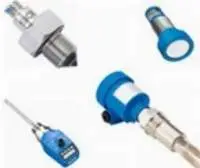
Instruments and Controls-
Electrical Contactors,
MCB, Magnetic contactor
Proximity switches,
temperature sensor recorder,
Pressure sensor recorder and other instruments
Level switches and other measuring instruments,
Encoder
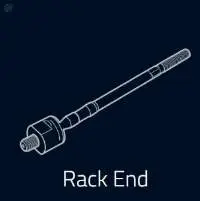
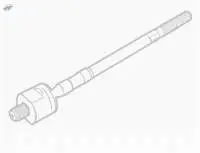
Equipped with a rack & pinion steering system as the steering gear mechanism. The steering moment from the steering wheel is transferred to the running wheels through the rack end. It absorbs road conditions and vibrations in order to stabilize vehicle handling. A ball joint is set at vehicle's side in order to cope with updowns of running wheel and turning motion from steering wheel. Connected to outer tie rod end it transfers steering moment it has wider pivot angle to cope with updowns and back-forward motions. By turns of rack end ball stud it can adjust toe-in alignment.
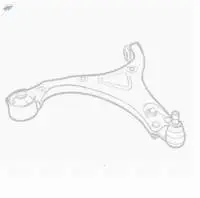
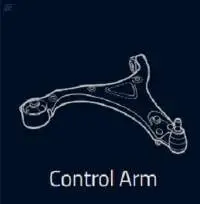
A control arm, commonly referred to as an A-arm, is a hinged suspension link used in automobile suspension that connects the chassis to the hub that supports the wheel. A control arm's inboard (chassis) end is connected to the body by a single pivot, which is typically a rubber bushing. Thus, it may maintain the radial separation from the inboard mount while controlling the position of the outboard end in just one degree of freedom. The arm can move back and forth even if it is not intended to do so; nevertheless, this motion is restricted by a different link or radius rod.
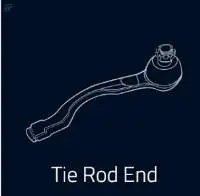
Tie rod ends are the crucial meeting point between a vehicle's steering rack and steering knuckle. The rod end not only transmits the force from the steering rack to the wheels, but it also provides a pivot point for the steering to maintain its geometry. The rod end typically features a round end and has a threaded bolt perpendicular to it that is inserted into the knuckle. The rounded end also houses bearings that allow the bolt to pivot freely; this end is covered by a protective boot to keep dirt out. This design may look uncomplicated to the naked eye, but because it is so crucial to handling, the tolerances involved are very tight.
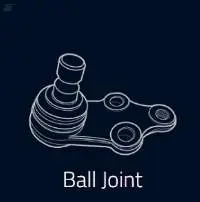
In an automobile, ball joints are spherical bearings that connect the control arms to the steering knuckles. They are used on virtually every automobile made and work similarly to the ball-and-socket design of the human hip joint. A ball joint consists of a bearing stud and socket enclosed in a casing; all these parts are made of steel. The bearing stud is tapered and threaded, and it fits into a tapered hole in the steering knuckle.
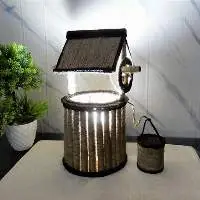
Rustic Looks Designer TABLE LAMP LitTheWELL Pure Handmade Design
Beautiful Rustic Looks Table Lamp. Promote Indian Handicraft and bring home a beautiful Table Decor Product for your Home Decor.
Lit the Well is a Indian Traditional Paani ka Kuaa with a Balti structure designed to give your room a traditional rustic looks.
Material used - Wood and Jute Ropes
Size - 13 inch by 7 inch
Lamp Comes with 1.5 mtr long Cable and holder.
In automotive suspension, a control arm, also known as an A-arm, is a hinged suspension link between the chassis and the suspension upright or hub that carries the wheel. The inboard (chassis) end of a control arm is attached by a single pivot, usually a rubber bushing. It can thus control the position of the outboard end with only a single degree of freedom, maintaining the radial distance from the inboard mount. Although not deliberately free to move, the single bushing does not prevent the arm from moving back and forth; this motion is constrained by a separate link or radius rod. This is in contrast to the wishbone.
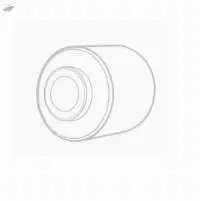
At the point where the control arm connects to the vehicle frame, the bushing pressed into the control arm eliminates vibration and noise. For a smooth ride and exceptional endurance, the thick rubber bushing strikes the perfect mix between elasticity and rigidity.
The critical interface between a car's steering rack and steering knuckle is the tie rod end. The rod end serves as a pivot point for the steering to retain its geometry in addition to transferring force from the steering rack to the wheels. The rod end normally has a round end and a threaded bolt that is put into the knuckle perpendicular to it. The rounded end also contains bearings that permit the bolt to revolve freely; a boot covers this end to prevent dirt from getting in. While this design may appear simple at first glance, the tolerances required are extremely fine because of how important it is to be handling.