Please click here to check who's online and chat with them.

Find Verified Short Grain Rice Suppliers, Manufacturers and Wholesalers

Top Supplier Cities : Tashkent   -   Samarkand  
GOLD Member
Jul-24-25

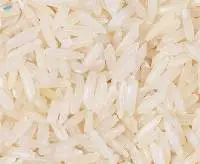
Rice, 1st

$2 - $2.30 / Kilogram (FOB)
MOQ: 10 tons  Metric Tonnes
Sample Available
Supplier From Tashkent, Uzbekistan
Supplier Of Rice   |   Cereals   |   Potato   |   Onion   |   Fig
 Inquire Now  
Uzbekistan was the former Soviet Union's largest producer of fruits and vegetables. About 15% of the total area is crop land. During the Soviet era, cotton was grown on almost half of all sown land. Cotton is grown in the crescent beginning in the Fergana Valley and extending south along the Tien Shan Mountains to Samarkand and Bokhara, and then west along the Amu Darya River. Rice, wheat, barley, and corn are important grain crops. Rice is produced on 48 specialized state farms, and about 85% of the rice crop comes from the southwestern part of Karakalpakistan and the Khorezm region. In 1999, over 4.3 million tons of cereals were produced. Sesame, tobacco, onions, flax, and various fruits are also grown. Figures released by the agriculture and water ministry suggest that these two northern regions alone were responsible for three-quarters of the 75,500 tonnes of rice Uzbekistan produced in 2003. The economy of Khorezm Region is primarily based on cotton. Cotton is by far the main crop, although rice production has increased significantly in the last several years (though the Uzbek government discourages rice production near to deserts, over water usage concerns). There are also many orchards and vineyards, melon and gourd plantations and potato fields. Khorezm Region is famous for its "gurvak" melon in Uzbekistan. Rice is grown in summer under flood irrigation mostly with winter wheat. The Uzbek Research Institute of Rice (UzRI-Rice) is responsible for rice crop improvement and seed production. The Institute was established in 1971 with the main objectives to conduct basic and applied research on rice and legume crops; to provide basic information and research production problems using multidisciplinary approach; to increase overall rice production and improve grain quality in Uzbekistan thereby raising the living standard of farmers and the development of the nation.
GOLD Member
Jul-24-25

Sesame, 1st

$2 - $3 / Kilogram (FOB)
MOQ: 10 tons  Metric Tonnes
Sample Available
Supplier From Tashkent, Uzbekistan
 Inquire Now  
Sesame is a family of annual and perennial herbaceous plants, an oilseed crop. Homeland - Africa. The stem grows upright, gives off 4-6 long lateral branches. Leaves are simple, crowded, solitary or opposite, hairy. The flower is 1-3 in the leaf axil, 5-petaled. The fruit is small, elongated, flat, hairy. There are 20-300 pods in one bush. The pod is 2- or 4-lobed.

Length 3-5 cm. The weight of 1000 seeds is 2-5 g. The color of the seed is light or dark brown, sometimes white and black. Sesame is a heat-loving, light-loving, short-day plant. The seed germinates at 15-16�°�¡. The growing period is 90-110 (120-150) days.

Sesame is one of the most valuable oil crops, its seeds contain 65% oil, 16-19% protein, and 16-17% non-nitrogenous substances. Sesame grows abundantly on fertile, fertile land that has been freed from grain crops. Cultivation is carried out 2-3 times during the growing season, additional feeding is given twice with 40-50 kg of nitrogen per hectare. Water 1-2 times before flowering, 2 times during flowering.

Currently, 3 varieties of sesame are grown in Uzbekistan.

Black prince;
Tashkentsky -122;
Sadaf.
Regions recommended for planting: since 2012, it has been included in the State Register for planting on irrigated lands across the Republic.

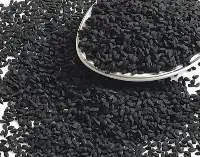
The average height of the plant is 120-150 cm. The average vegetation period is 110-120 days. The average weight of 1000 seeds is 2.6-3.0 g, the seeds are black. Resistant to grain spillage.

Average yield: 17.6 s/ha. The amount of fat in the grain is 63%, oxyle is 24%. During the test period, there were no cases of damage by agricultural diseases and insects.

Recommended for planting in all regions of Uzbekistan.
GOLD Member
Jul-25-25

Organic Iodized Flour, 1st

$1 - $2 / Kilogram (FOB)
MOQ: 10 tons  Boxes
Sample Available
Supplier From Tashkent, Uzbekistan
 Inquire Now  
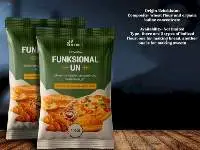
Organic iodized flour offers several benefits, both in its nutritional profile and in the products made from it. Here's a breakdown of these advantages:

Benefits of Organic Iodized Flour
Iodine Fortification: Iodized flour provides a crucial source of iodine, which is essential for thyroid health and proper metabolic function.

Organic Certification: Made from organic grains, it is free from synthetic pesticides and fertilizers, making it a healthier choice for consumers and better for the environment.

Higher Nutritional Quality: Organic grains often retain more vitamins, minerals, and antioxidants compared to conventionally grown grains.

No Artificial Additives: Organic flour typically avoids artificial preservatives, colors, and flavors, leading to a more natural product.

Whole Grain Options: Many organic flours are whole grain, providing higher fiber content, which supports digestive health and helps regulate blood sugar levels.

Lower Chemical Residue: Organic farming practices reduce the risk of chemical residues in the flour, promoting better health outcomes.

Sustainability: Organic farming is generally more sustainable, supporting biodiversity and reducing environmental impact.

Support for Local Farmers: Purchasing organic products often supports local and small-scale farmers who practice sustainable agriculture.

Benefits of Products Made from Organic Iodized Flour
Nutrient-Rich: Baked goods made from organic iodized flour benefit from the iodine content, which supports thyroid function and overall health.

Healthier Baked Goods: Products like bread, pancakes, and pastries can be healthier due to the absence of artificial additives and the inclusion of whole grains.

Better Taste and Texture: Many people find that baked goods made from organic flour have a richer flavor and better texture compared to those made from conventional flour.

Customization for Dietary Needs: Products can often be tailored to accommodate dietary restrictions, such as gluten-free options or those enriched with seeds and nuts.

Digestive Health: The higher fiber content in products made from whole grain organic flour promotes digestive health and regularity.

Lower Glycemic Index: Organic whole grain products can have a lower glycemic index, which helps regulate blood sugar levels and provides sustained energy.

Minimal Processing: Organic flour is usually less processed than conventional flour, which can preserve more nutrients and beneficial compounds.

Enhanced Satiety: Baked goods made with organic flour may provide greater satiety due to higher fiber content, potentially aiding in weight management.

Overall, organic iodized flour not only enhances the nutritional profile of baked goods but also contributes to a more sustainable and health-conscious food system.
GOLD Member
Jul-24-25

Wheat, 1st

$0.50 - $0.70 / Kilogram (FOB)
MOQ: 10 tons  Metric Tonnes
Sample Available
Supplier From Tashkent, Uzbekistan
 Inquire Now  
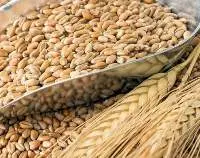
Wheat is a grass widely cultivated for its seed, a cereal grain that is a worldwide staple food.

In addition to being a major source of starch and energy, wheat also provides substantial amounts of a number of components which are essential or beneficial for health, notably protein, vitamins (notably B vitamins), dietary fiber, and phytochemicals.
GOLD Member
Jul-24-25

Yellow Maize, 1st

$0.40 - $1 / Kilogram (FOB)
MOQ: 10 tons  Boxes
Sample Available
Supplier From Tashkent, Uzbekistan
 Inquire Now  
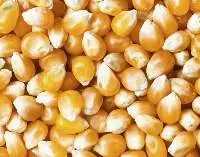
Maize is commonly known as corn. It is the third largest crop in the world. Yellow maize is one of the most extensively cultivated cereal crops on Earth. This Yellow maize is used in various food industries and other industries. Primarily used for human consumption and animal feed.

Yellow corn is a good source of the carotenoids lutein and zeaxanthin, which are good for eye health and help prevent the lens damage that leads to cataracts. Corn also has smaller amounts of vitamins B, E, and K, along with minerals like magnesium and potassium. When it comes to nutrients, color matters.
1174 Short Grain Rice Suppliers
Short on time? Let Short Grain Rice sellers contact you.
GOLD Member
Jul-24-25
GOLD PLUS Member
Jul-02-26

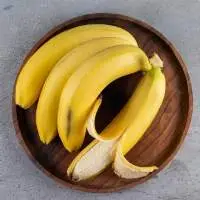
Cavendish Banana, Grade A

$0.20 - $0.50 / Kilogram (FOB)
MOQ: 18 - 20  Metric Tonnes
Sample Available
Supplier From Tashkent, Uzbekistan
 Inquire Now  
Cavendish banana is the most widely traded commercial banana variety globally, known for its long shelf life, consistent size, sweet taste, and smooth texture. It is harvested green and naturally ripens during transportation or storage.

Variety : Cavendish (AAA genome)
Color : Green (unripe) to yellow (ripe)
Length : 15 - 25 cm (standard export grade)
Diameter : 32 - 38 mm
Weight : 120 - 200 g per fruit
Bunch Weight : 18 - 25 kg
Moisture : 74 - 78%
Ripening : Controlled ripening (ethylene gas chambers)
GOLD Member
Jul-24-25

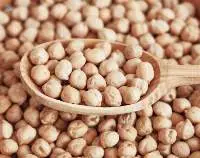
Chicken Peas, 1st

$1.40 - $3 / Kilogram (FOB)
MOQ: 10 tons  Metric Tonnes
Sample Available
Supplier From Tashkent, Uzbekistan
 Inquire Now  
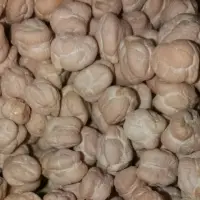
Chickpea, Cicer arietinum, is a member of the legume, pea, or pulse family, ''Fabaceae. Also called Leguminosae, this family of flowering plants is one of the largest plant families and includes such important plants as beans, peas, peanuts, lupines, alfalfa, clover, and acacia, and many others. As a member of the Faboideae (or Papilionoideae) subfamily, chickpea is characterized by one petal being large and with a crease in it, while the two adjacent petals are on the sides, and the two bottom petals are joined together at the bottom, forming a boat-like structure.

The bushy 60-cm (2-foot) plants bear feathery pinnately compound leaves. The small white or reddish flowers often have distinctive veins in blue or purple and are usually self-pollinated. The yellow-brown or dark green beans are borne one or two to a pod. There are large- and small-seeded varieties.
GOLD Member
Jul-24-25

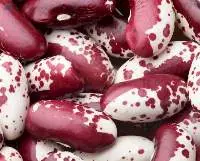
Kidney Beans, 1st

$1 - $1.70 / Kilogram (FOB)
MOQ: 10 tons  Boxes
Sample Available
Supplier From Tashkent, Uzbekistan
 Inquire Now  
UZB Hs Code : 0713 33 900 0

Kidney beans are an excellent plant-based source of protein. They're also rich in various minerals, vitamins, fibers, antioxidants, and other unique plant compounds. Therefore, these beans may aid weight loss, promote colon health, and moderate blood sugar levels.
GOLD Member
Jul-25-25

Organic Iodized Spices, 1st

$1 - $5 / Kilogram (FOB)
MOQ: 10 tons  Boxes
Sample Available
Supplier From Tashkent, Uzbekistan
 Inquire Now  
iodine, essential for thyroid function, hormone production, and metabolic health.

Organic Certification: Organic spices are grown without synthetic pesticides or fertilizers, making them a healthier choice for consumers and reducing environmental harm.

Enhanced Flavor: Organic spices often have more robust and vibrant flavors compared to non-organic counterparts, elevating the taste of dishes.

Rich in Antioxidants: Many spices are high in antioxidants, which help combat oxidative stress and may reduce the risk of chronic diseases.

Anti-Inflammatory Properties: Certain organic spices, such as turmeric and ginger, have anti-inflammatory properties that can support overall health and may help reduce symptoms of inflammation.

Natural Preservatives: Spices can act as natural preservatives due to their antimicrobial properties, potentially extending the shelf life of foods.

Nutrient Density: Organic spices can contribute essential vitamins and minerals to meals, enhancing their overall nutritional value.

Support for Sustainable Practices: Choosing organic spices supports sustainable agricultural practices that promote biodiversity and protect ecosystems.

Benefits of Meals Cooked with Organic Iodized Spices
Improved Nutritional Profile: Meals cooked with organic iodized spices are likely to have a better nutrient profile, thanks to the added iodine and other beneficial compounds.

Enhanced Flavor and Aroma: Using organic spices can significantly improve the taste and aroma of dishes, making meals more enjoyable and satisfying.

Health Benefits: Meals prepared with anti-inflammatory and antioxidant-rich spices can support overall health, potentially reducing the risk of chronic diseases.

Digestive Health: Many spices aid digestion (like cumin and coriander) and can promote a healthy gut, helping to alleviate digestive discomfort.

Weight Management: Spices like cayenne pepper can boost metabolism, potentially aiding in weight management when included in meals.

Balanced Meals: Incorporating a variety of organic spices can encourage the use of diverse ingredients, leading to more balanced and nutrient-rich meals.

Culinary Creativity: Cooking with a range of organic spices allows for greater culinary creativity, encouraging exploration of different cuisines and flavor profiles.

Holistic Wellness: The use of spices in cooking can enhance the overall dining experience, contributing to a sense of well-being and enjoyment during meals.

Overall, using organic iodized spices not only enhances the flavor and nutritional value of meals but also supports health and sustainable practices, making them a valuable addition to any diet.
GOLD Member
Jul-24-25

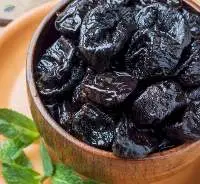
Dried Prune, 1st

$1 - $2.30 / Kilogram (FOB)
MOQ: 10 tons  Metric Tonnes
Sample Available
Supplier From Tashkent, Uzbekistan
 Inquire Now  
A prune is a dried plum, most commonly from the European plum (Prunus domestica). Not all plum species or varieties can be dried into prunes. A prune is the firm-fleshed fruit (plum) of Prunus domestica varieties that have a high soluble solids content, and does not ferment during drying. Use of the term "prune" for fresh plums is obsolete except when applied to varieties of plum grown for drying.

Most prunes are freestone cultivars (the pit is easy to remove), whereas most plums grown for fresh consumption are clingstone (the pit is more difficult to remove).

Prunes are 64% carbohydrates including dietary fiber, 2% protein, a rich source of vitamin K, and a moderate source of B vitamins and dietary minerals. The sorbitol content of dietary fiber likely provides the laxative effect associated with consuming prunes. Contrary to the name, boiled plums or prunes are not used to make sugar plums.
GOLD Member
Jul-24-25

Mung Beans, 1st

$1 - $1.50 / Kilogram (FOB)
MOQ: 10 tons  Cartons
Sample Available
Supplier From Tashkent, Uzbekistan
 Inquire Now  
UZB Hs Code : 0713 31 000 1
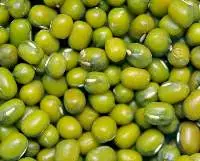
Mung bean is an annual herbaceous plant. The root system is powerful, consists of a developed tap root with many lateral branches. The stem is erect, slightly branched, stiff-haired, ribbed, 20-150 cm high (in Russia, varieties 30-50 cm high are cultivated). The mung bean stem is herbaceous, sometimes lignified at the base, green, gray-green, maybe with anthocyanin coloration. Stipules glabrous, ovate or broadly ovate, 10 to 18 mm long, unpaired leaf almost triangular. The leaves are large, the first ones are simple, the subsequent ones are trifoliate, pubescent, yellowish-green or dark green in color.

The flowers are bisexual, large, golden, yellow, yellow-green in color. The corolla consists of five petals of a moth-like structure, the flowers are collected in inflorescences of 2-12 flowers each, the peduncles are short, located in the axils of the leaves. The fruit is thin, cylindrical beans with appressed pubescence, without a beak at the end, 6-18 cm long, with 6-15 seeds. Seeds are small, barrel-shaped, tuberculate, smooth, dull, shiny, 3-6 mm long. The color of the seeds is usually dark green, olive or yellow, less often there are varieties with brown, black or dark green with black speckles. Flowering begins from the lower branches.

Mung beans bloom in July-August, the seeds ripen in August-September (vegetation period is 80-100 days; in late-ripening varieties, the ripening period is delayed until October).

The fruit is a multi-seeded, pubescent, narrow bean, 5-20 cm long, cylindrical, brown (light brown) or black in color. The seeds are smooth, with a glossy sheen of the shell, oval in shape, small, yellow, brown or green in color (sometimes speckled).

Mung beans are usually harvested when the beans begin to darken. They are usually harvested by hand at weekly intervals. In newer cultivars, in which the plants ripen evenly, all plants are harvested and dried in the sun before threshing. After the beans have dried, the seeds are removed by beating or trampling.
GOLD Member
Jul-24-25

Asafoetida, 1st

$70 - $150 / Kilogram (FOB)
MOQ: 10 kg  Kilograms
Sample Available
Supplier From Tashkent, Uzbekistan
 Inquire Now  
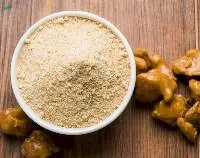
Asafoetida (also spelled asafetida) is the dried latex (gum oleoresin) exuded from the rhizome or tap root of several species of Ferula, perennial herbs growing 1 to 1.5 m (3 to 5 ft) tall. They are part of the celery family, Umbelliferae. Asafoetida is thought to be in the same genus as silphium, a North African plant now believed to be extinct, and was used as a cheaper substitute for that historically important herb from classical antiquity. The species are native to the deserts of Iran and mountains of Afghanistan where substantial amounts are grown.

Asafoetida has a pungent smell, as reflected in its name, lending it the trivial name of "stinking gum". The odor dissipates upon cooking; in cooked dishes, it delivers a smooth flavour reminiscent of leeks or other onion relatives. Asafoetida is also known colloquially as "devil's dung" in English (and similar expressions in many other languages).
GOLD Member
Jul-24-25

Capers, 1st

$2 - $5 / Kilogram (EXW)
MOQ: 10 tons  Metric Tonnes
Sample Available
Supplier From Tashkent, Uzbekistan
 Inquire Now  
Asafoetida (also spelled asafetida) is the dried latex (gum oleoresin) exuded from the rhizome or tap root of several species of Ferula, perennial herbs growing 1 to 1.5 m (3 to 5 ft) tall. They are part of the celery family, Umbelliferae. Asafoetida is thought to be in the same genus as silphium, a North African plant now believed to be extinct, and was used as a cheaper substitute for that historically important herb from classical antiquity. The species are native to the deserts of Iran and mountains of Afghanistan where substantial amounts are grown.

Asafoetida has a pungent smell, as reflected in its name, lending it the trivial name of "stinking gum". The odor dissipates upon cooking; in cooked dishes, it delivers a smooth flavour reminiscent of leeks or other onion relatives. Asafoetida is also known colloquially as "devil's dung" in English (and similar expressions in many other languages).
GOLD Member
Jul-25-25

Organic Iodized Cookies, 1st

$1 - $2.30 / Kilogram (FOB)
MOQ: 10 tons  Metric Tonnes
Sample Available
Supplier From Tashkent, Uzbekistan
 Inquire Now  
Organic iodized cookies can offer several benefits, particularly if they incorporate wholesome ingredients and address specific dietary needs. Here are some potential advantages:

Iodine Source: Iodized cookies provide a dietary source of iodine, which is essential for thyroid function, metabolism, and overall health.

Organic Ingredients: Using organic ingredients means fewer pesticides, herbicides, and synthetic fertilizers, making them potentially healthier for both consumers and the environment.

Better Quality: Organic ingredients often come from better farming practices, which can result in more nutrients and better taste.

Reduced Allergens: Many organic cookie recipes are made with alternative flours and sweeteners, which can be beneficial for those with allergies or sensitivities.

No Artificial Additives: Organic products typically avoid artificial colors, flavors, and preservatives, leading to a more natural snack.

Sustainable Practices: Organic farming practices are usually more sustainable, promoting biodiversity and reducing environmental impact.

Higher Antioxidants: Some studies suggest that organic foods may have higher levels of antioxidants, which can help combat oxidative stress in the body.

Ethical Considerations: Many consumers prefer organic products because they support humane treatment of animals and fair labor practices.

Customization: Organic cookies can often be made with healthier ingredients like whole grains, nuts, and seeds, allowing for customization based on dietary preferences.

Taste: Many people find that organic cookies have a fresher, more robust flavor compared to conventional options.

While these benefits can make organic iodized cookies an appealing choice, itâ??s always good to check the specific ingredients and nutritional information to ensure they align with your health goals!
GOLD Member
Jul-24-25

Almond, 1st

$5 - $7 / Kilogram (EXW)
MOQ: Not Specified
Supplier From Tashkent, Uzbekistan
 Inquire Now  
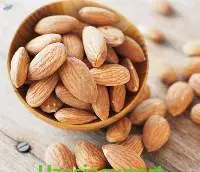
Almonds have been growing since ancient times on the mountain and foothills of Tashkent, Jizzakh, Samarkand, Kashkadarya and Surkhandarya regions. In addition, to the newly planted almond groves, it also grows wild in natural forests.

Almond varieties are very valuable and are used in many sectors of the economy. It is useful to eat unripe almonds that have not hardened, add sugar or make jam. Sweet-core almonds have 40-70% fat, 20-25% protein, 6% sugar, are rich in various nutrients, organic substances and are a valuable raw material for the confectionery industry. Kunjara contains up to 10% fat and a large amount of protein and carbohydrates. In addition to fat, protein and sugar, almonds contain 2-2.5% amygdalin, which is widely used in the perfumery industry and medicine. Almond peel is used in the preparation of gas-absorbing charcoal, in winemaking to give the wine a fragrant aroma, quality and flavor. Almond husk ash contains up to 40% potassium and is used as a fertilizer. Almond wood is very hard and beautiful, so it is a valuable item in carpentry and machinery.

Almonds are harvested at the age of 3-4 years, and produce highly from 12-18 years to 35-40 years. Properly covered, it will withstand a great deal of adverse conditions for up to 60-100 years. Almond seedlings are planted in autumn or early spring. It does not like thickness because it requires light, and grows well in soils with lime content. The yield of a bush tree ranges from 3-4 kg to 10-20 kg. According to the data, the most productive years were up to 30-40 kg.

In folk medicine, the mixing of sweet almond kernels with sugar is widely used in the treatment of diseases such as shortness of breath, dizziness.

Bitter almonds are not eaten, they are just used in medicine. Sweet almonds are good food.

This type of almond is used against freckles, spot hemorrhage, sunburn. It also treats the wrinkles on face. When sweet almonds are eaten, they make you fat.

Beneficial in earaches and ringing in the ears, especially bitter almond oil and its grind.

If the root of the almond tree is finely chopped and tied with vinegar or rose oil and placed on the forehead, it is beneficial for headaches. Bitter almond oil has a similar effect.
GOLD Member
Sep-16-26
GOLD Member
Jul-24-25
GOLD PLUS Member
Apr-22-26
Supplier From Tashkent, Uzbekistan
 Inquire Now
Apr-02-19

Dry Yellow Peas

$740
MOQ: 40  Tons (UK)
Sample Available
Supplier From Tashkent, Uzbekistan
 Inquire Now  
Product Name : Yellow Peas Specifications :
-Size: 8-mm
- Moisture : 12%
-Foreign Matter : Max 1%
- Broken 0.5-1%
- Damage Discolour/ Fungus Max 1%
- Origin : UZBEKISTAN
Quantity : 400 MT
Shipping Terms : FCA or CIF
Payment Terms : To be discussed with the Buyers.
1174 Short Grain Rice Suppliers
Short on time? Let Short Grain Rice sellers contact you.
Explore Short Grain Rice related import export discussions