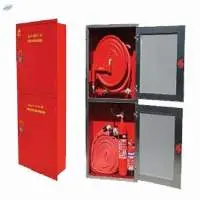
A Fire Hose Reel Cabinet is a protective steel or stainless-steel enclosure used to store a fire hose reel system (hose, nozzle, and valve). It is part of a building's first-aid fire fighting system, designed for immediate use during the early stage of a fire.
It is commonly installed in commercial buildings, factories, warehouses, malls, hospitals, airports, and residential complexes.
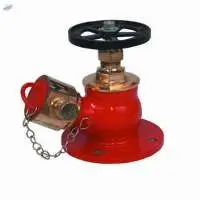
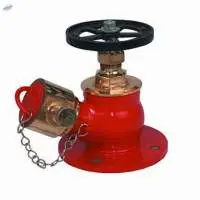
A landing valve is a key fire-fighting component installed in hydrant systems. It is fixed on a wet or dry riser inside buildings and provides a controlled water outlet for connecting fire hoses during emergencies.
It is widely used in commercial buildings, industries, warehouses, and public infrastructure as part of fire safety systems.
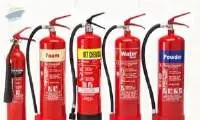
Fire extinguishers are portable fire safety devices designed to control or extinguish small fires in emergency situations. They are widely used in homes, offices, industries, vehicles, and public buildings as a first response safety measure before fire spreads.
Advantages
Quick Emergency Response: Helps control fire in initial stages
Portable & Easy to Use: Simple operation during emergencies
Reduces Fire Damage: Prevents escalation of fire incidents
Multiple Fire Class Protection: Suitable for different fire types
Mandatory Safety Equipment: Required in most commercial buildings
Cost-Effective Safety Solution: Low cost compared to fire damage prevention
A hydrant (commonly called a fire hydrant) is a water outlet installed on a pipeline network that provides quick access to high-pressure water for firefighting and emergency use. It is a key part of a fire protection system in buildings, factories, streets, and industrial plants.
Types of Hydrants
1. Pillar / Above-ground Hydrant
Visible above ground level
Easy access for firefighters
Common in cities, factories, and commercial areas
2. Underground Hydrant
Installed below ground with a cover box
Space-saving and protected from damage
Used in roads, airports, and industrial zones
3. Wall Hydrant (Indoor Hydrant)
Installed inside buildings
Connected to fire hose reels or cabinets
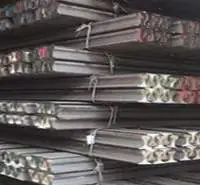
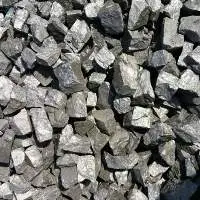
Iron Ore for sale frm 2 sources:
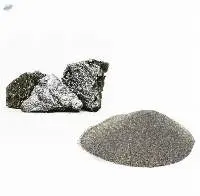
(1) Quantity available 200,000mt of 53% Iron (Fe) content
(2) In addition to the above quantity, a monthly supply of from another source of 10,000 mt/month of 63% Iron (Fe) content
Jamal Khalil
Blue Elite Trading And Agencies
EMAIL : jamalkhl@yahoo.com
PHONE : +97455841336
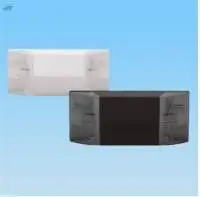
The LX-682L Emergency Light is a dual-head LED emergency lighting unit designed to provide automatic illumination during power failure. It is mainly used for corridors, staircases, exit routes, and commercial safety systems in buildings.
It is part of a common UL 924-compliant emergency lighting series used in international fire safety installations.
Key Features
Dual Adjustable Heads: Two lamp heads can be rotated for directional lighting
Automatic ON Function: Activates instantly when main power fails
Rechargeable Battery Backup: Built-in lead-acid battery supports emergency operation
Test Button: Allows manual testing of system performance
Charging Indicator LED: Shows charging and power status
Wall/Ceiling Mountable: Flexible installation options
Fire-Retardant Housing: ABS material for safety and durability
Available in LED / Halogen versions
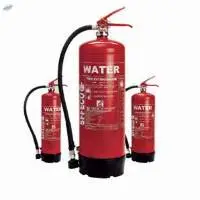
A fire extinguisher is a portable fire safety device used to control or extinguish small fires in emergency situations. It is one of the most important components of fire protection systems in residential, commercial, and industrial environments.
Advantages
Immediate Fire Response: Helps control fire at early stage before it spreads
Portable & Easy Operation: Can be used quickly during emergencies
Life & Property Protection: Reduces risk of major fire damage
Multiple Fire Class Coverage: Suitable for different types of fire hazards
Mandatory Safety Equipment: Required in most buildings and industries
Cost-Effective Protection: Low investment compared to fire loss prevention
Major Types of Fire Extinguishers
1. Dry Chemical Powder (ABC Type)
2. Carbon Dioxide (CO2) Type
3. Foam Type
4. Water Type
5. Wet Chemical Type
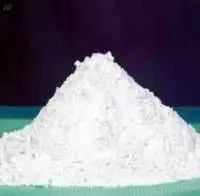
Microsilica (silica fume) is a by-product from silicon metal or ferrosilicon industries, is an amorphous silicon dioxide SiO2. This product reacts chemically with the calcium hydroxide in the cement paste which yields a calcium silicate hydrate gel that significantly enhances strength and durability. The super fine microsilica fills the voids between cement particles creating a very dense, less permeable concrete.
White Cement advantages:
Sustainability:
Solar Reflectance Index (SRI): Floors finished with white or pastel color concrete will have a much higher SRI than floors with gray concrete, therefore they will reflect light better, and generate energy savings for the lifetime of the floors.
Reduction of Heat Island effect: By constructing buildings with white concrete roofs or light-colored roof tiles, the Heat Island Effect is reduced from surfaces generating less heat and improved reflectivity.
Architectural Concrete:
White Portland Cement is ideal for decorative concrete and Architectural Concrete applications, Masonry and Cementitious Building Products. A key advantage of using white cement for these applications is that it provides a base color that can be tinted to custom colors to meet any color spectrum demand.
Pozzolan is a siliceous or siliceous and aluminous material that in itself possesses little or no cementitious value but will, in finely divided form and in the presence of moisture, chemically react with calcium hydroxide at ordinary temperatures to form compounds having cementitious properties. It is therefore classified as a cementitious material. There are both natural and artificial pozzolans. The quantification of the capacity of a pozzolan to react with calcium hydroxide and water is given by measuring its pozzolanic activity.