Please click here to check who's online and chat with them.

Find Verified Low Aromatic Solvent Suppliers, Manufacturers and Wholesalers

Top Supplier Cities : Abuja   Asaba   Port Harcourt  
GOLD PLUS Member
VERIFIED
Jun-30-26

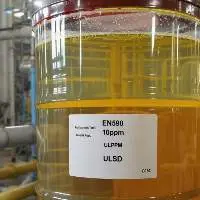
Ultra Low Sulphur Diesel, EN590 10PPM

$550 - $670 / Metric Ton (FOB)
MOQ: 50,000  Tons (UK)
Sample Available
Supplier From Asaba, Delta, Nigeria
 Inquire Now  
EN590 10ppm is a high-quality automotive diesel fuel that meets the European standard EN 590 and contains a maximum sulfur content of 10 parts per million (ppm).

Key Specifications of EN590 10ppm Diesel
Sulfur Content: Maximum 10 ppm (0.001%)
Fuel Type: Ultra-Low Sulfur Diesel (ULSD)
Standard: EN 590
Application: Diesel-powered cars, trucks, generators, construction equipment, and marine engines (where permitted)
Environmental Benefit: Lower sulfur emissions, reduced particulate matter, and compatibility with modern emission-control systems.

Typical EN590 Parameters
Property Typical Value
Sulfur Max 10 ppm
Cetane Number Min 51
Density @ 15C 820-845 kg/m³
Flash Point Min 55C
Water Content Max 200 mg/kg
Lubricity (HFRR) Max 460m

Why Buyers Prefer EN590 10ppm
Cleaner combustion and lower emissions.
Suitable for modern Euro 5 and Euro 6 diesel engines.
Better engine performance and fuel efficiency.
Widely accepted for international diesel trading.
Often required by environmental regulations in Europe and many other regions.

In International Oil Trading, EN590 10ppm is one of the most commonly traded diesel grades. It is frequently offered through:

Spot contracts
Annual supply contracts
Tank-to-Tank (TTT)
Tank Takeover (TTO)
FOB (Free on Board)
CIF (Cost, Insurance & Freight).
VERIFIED
Aug-22-23
 Inquire Now  
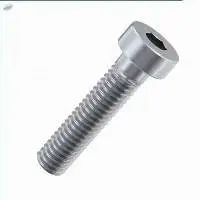
Imperial Low Cap Head Screws Size A and B
VERIFIED
Aug-23-23
 Inquire Now  
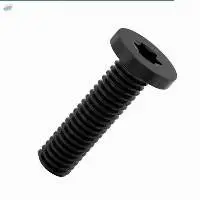
Torx Ultra Low Cap Head Screws
VERIFIED
Aug-22-23
 Inquire Now  
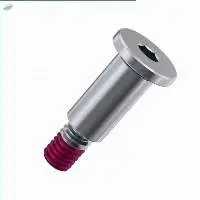
Metric Ultra Low Head Socket Shoulder Screw
GOLD Member
VERIFIED
Aug-25-23

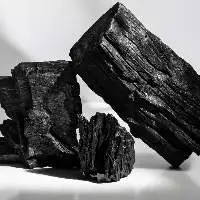
Premium Quality Hardwood Charcoal, A

$230 - $270 / Metric Ton (FOB)
MOQ: 10  Metric Tonnes
Sample Available
 Inquire Now  
We are a West African company involved in trade and exports of hardwood charcoal in large quantities from West Africa.

We are interested in supplying this prestigious company with quality hardwood charcoal for your various uses.

Our Charcoal Ignites Easily, Burns Clean, Long Burning Time (3-6 HRS) With Intense Heat.

Hard Wood Charcoal

Origin: Nigeria

Fixed carbon: 76-80% minimum

Volatile matter: 8% maximum

Burning rate: 7400kcal/kg Minmum

Ash content: 5% maximum

Burning Time: 3-6Hrs

Fraction - 30-120mm

Packaging: 2kg,4kg, 5kg,10kg Paper Bags OR 25KG, 35kg PP BAGS OR According to Buyers Request
123 Low Aromatic Solvent Suppliers
Short on time? Let Low Aromatic Solvent sellers contact you.
GOLD PLUS Member
VERIFIED
Jul-07-26

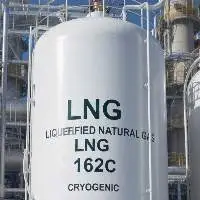
Liquefied Natural Gas (Lng) Export Grade, A

$500 - $550 / Metric Ton (CIF)
MOQ: 50,000  Metric Tonnes
Supplier From Asaba, Delta, Nigeria
 Inquire Now  
LNG stands for Liquefied Natural Gas.

It is natural gas (mainly methane) that has been cooled to about 162C (-260F), turning it into a liquid. This reduces its volume by approximately 600 times, making it much easier and more economical to transport by ship over long distances. It's just natural gas that got shrunk so we can ship it across oceans.

Natural gas pipelines don0t reach everywhere, LNG solves that. Gas is cooled to -162C, shrinks 600x, then shipped it in special tankers. At destination, LNG is regasify back to gas for pipelines/power plants.

How LNG is Produced
1. Natural gas is extracted from gas fields.
2. Impurities such as water, carbon dioxide, and sulfur are removed.
3. The gas is cooled to 162C. At that temperature, methane turns liquid.
4. It becomes a clear, odorless liquid called LNG.
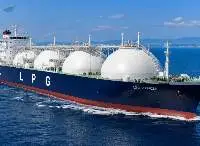
5. Load or pump into those huge white spheres as seen in the pictures I attached.

Common Uses of LNG
Power generation
Industrial fuel
Residential heating and cooking
Marine fuel for ships
Feedstock for petrochemical industries

Property Details.
Natural gas = 90-95% methane CH4, cooled to liquid.
Temp -162C at 1 atm pressure. That's colder than Antarctica.
Volume** Gas liquid shrinks 600x. 600m³ gas becomes 1m³ liquid.
Look: Clear, colorless liquid. Like water but super cold.
Smell: Odorless, colorless Odorless, but mercaptan added for leaks.
Use: Power plants, factories, cooking gas after regasification.
Safety: LNG liquid causes severe cold burns. It's not flammable as liquid - only the gas vapor burns.

Canot put LNG in a glass jar for a photo - it had boil instantly at 25C. It needs cryogenic dewar flasks.

LNG vs LPG
Feature LNG LPG
Full Name Liquefied Natural Gas Liquefied Petroleum Gas
Main Component Methane Propane & Butane
Storage Temperature About -162C Ambient temperature under pressure
Source Natural gas fields Crude oil refining & natural gas processing
Transportation Cryogenic tanks and LNG carriers Pressurized cylinders and LPG tankers
Typical Use Power plants, industries, export Cooking gas, heating, autogas

Big difference from LPG is: LNG is mostly methane CH4 85-95%. LPG is propane/butane.

LNG in International Trade.
Major LNG exporters include countries such as Qatar, United States, and Australia. LNG is transported globally by specialized LNG carriers to importing countries in Europe, Asia, and Africa.
For oil and gas trading, LNG is a major commodity traded under long-term contracts as well as spot cargo agreements, similar to crude oil and LPG.
GOLD PLUS Member
VERIFIED
Jul-07-26

Liquefied Petroleum Gas (Lpg) Fuel, A

$500 - $550 / Metric Ton (FOB)
MOQ: 50,000  Metric Tonnes
Supplier From Asaba, Delta, Nigeria
 Inquire Now  
LPG stands for Liquefied Petroleum Gas. It is a fuel made mainly from propane and butane gases that are compressed into a liquid form for easy storage and transportation. LPG is also known as " cooking gas" or " auto gas"

LPG is a mix of light hydrocarbon gases, mainly propane C3H8 + butane C4H10. It comes from Crude oil refining and Natural gas processing.

Key properties:
Composition: Propane C3H8 + Butane C4H10 Light hydrocarbons.
State: Gas at room temp, liquid under pressure Liquefies at 20x atmospheric pressure.
Smell: Odorless naturally, but ethanethiol/ethyl mercaptan is added so leaks smell like rotten eggs.
Density: Heavier than air. Leaks sink to ground, can run along floors/drains.
Boiling point: Propane -42C, Butane -0.5C Vaporizes instantly if spilled.
Energy: ~94 MJ/m³, higher than natural gas 38 MJ/m³.
Storage: Steel cylinders/tanks. 1L liquid - ~250L gas when vaporized.
Sulfur: Almost zero sulfur = clean burning.

Key facts:
1. Source: Comes from 2 places: 1) Natural gas processing wet gas, 2) Crude oil refining as top distillate
2. Pressure storage: Unlike LNG -162C, LPG stores as liquid at room temp with just 8-10 bar pressure. Much simpler
3. Clean fuel: Zero sulfur, burns with blue flame, no soot. 50% used for cooking/heating
4. Heavier than air: LPG vapor sinks and flows along ground. Leak = explosion risk in drains/basements
5. Autogas: LPG for cars. Cheaper than petrol, but needs LPG tank + converter kit.

Grades/blends:
1. Propane: HD-5 grade, used as auto gas/vehicle fuel
2. Butane: More common for cooking in warm climates like Port Harcourt

Common uses of LPG
Cooking (gas stoves and ovens)
Heating homes and water
Fuel for vehicles (often called autogas)
Industrial applications such as metal cutting and manufacturing
camping stoves, refrigerant, aerosol propellant.

Advantages
Burns cleaner than coal or wood
Produces high heat efficiently
Easy to store in cylinders or tanks
Portable and widely available

Safety
Because LPG is highly flammable:
Store cylinders upright.
Keep them away from heat sources.
Check regularly for leaks.
Ensure good ventilation when using LPG appliances.
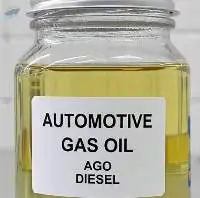
LPG can not be put in a clear jar like diesel, it had just boil off instantly at atmospheric pressure. It needs a pressurized steel cylinder or cryogenic vessel to stay liquid.
GOLD PLUS Member
VERIFIED
Jun-30-26

Automotive Gas Oil (Ago), Gas Oil

$500 - $550 / Metric Ton (FOB)
MOQ: 50,000  Metric Tonnes
Sample Available
 Inquire Now  
Automotive Gas Oil (AGO) is the common term used in many countries, especially in Africa, for diesel fuel used in diesel-powered vehicles and machinery. Also, called Diesel, Diesel Oil, or Gasoil. It is what powers compression ignition engines.

Key Facts About AGO
Fuel Type: Diesel
Used In:
Trucks and trailers
Buses
Diesel cars and SUVs
Generators
Construction equipment
Agricultural machinery

AGO Specifications.
Typical AGO characteristics include:
Type: Distillate fuel for diesel engines Same family as D2, EN590.
Density: @15C** 820 - 870 kg/m³ Heavier than gasoline, lighter than BLCO.
Color: Clear & bright, straw/golden.
Viscosity: @40C** 1.6 - 5.5 cSt Thicker than Jet A-1, thinner than D6.
Flash Point: 55C min, usually 66C+ Safer than gasoline.
Sulfur: Varies by region: 500ppm 500ppm diesel 50ppm AGO 50ppm10ppm.
Cetane Index/Number: 47-51 min Ignition quality for Cloud Point: 4C to 38F max Gels in cold weather.
Usage: Trucks, cars, generators, construction, marine Compression ignition engines only.

AGO in Oil Trading
In international petroleum trading, AGO is commonly sold in:
Bulk cargo shipments
Tank farms
Retail filling stations

AGO is one of the most traded refined petroleum products in countries such as Nigeria due to heavy reliance on diesel-powered transportation and generators.
For trading purposes, AGO is usually quoted in metric tons (MT) or liters, with quality specifications provided by an independent inspection company such as SGS or Bureau Veritas.

In West Africa, AGO = diesel at filling stations. Dangote Refinery now produces AGO 50ppm which meets Euro IV standards. 500ppm AGO was the old standard.
GOLD PLUS Member
VERIFIED
Jun-30-26

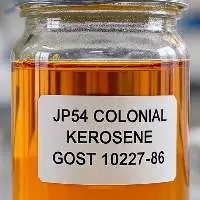
Jet Fuel (Aviation Keosene), JP54

$85 - $92 / Metric Ton (FOB)
MOQ: 500,000  Metric Tonnes
Sample Available
Supplier From Asaba, Delta, Nigeria
 Inquire Now  
JP54 Colonial Kerosene is Russian Aviation Kerosene Colonial Grade 54â?? to GOST 10227-86. Itâ??s a jet fuel grade, but NOT an official international spec like Jet A-1.

JP54 is a military-grade aviation turbine fuel derived from kerosene. It originated as a specification used by the military and is closely related to jet fuels used in aircraft turbine engines.

What Does JP54 Mean?
JP stands for Jet Propellant.
JP-4 and JP-5 were historical military jet fuels.
The term "JP54" is widely used in commodity trading circles, but in practice most commercial aviation fuel traded internationally today is Jet A-1.

JP54 Colonial Grade 54 specs (GOST 10227-86)

Comparison with Jet A-1.
Type: Kerosene-type aviation turbine fuel. Same family as Jet A-1
Color: Orange to straw-colored liquid Jet A-1 = clear/straw
Density: @15C** 776 - 840 kg/m Jet A-1: 775-840 kg/m
Flash Point: 38C min, 42C max Jet A-1: 38C min
Freeze Point: -40C max Jet A-1: -47C max - this is the big diff
Sulfur: Total 0.30% wt max Same as Jet A-1
Aromatics: 22% vol max Jet A-1: 25% max
Smoke Point: 19mm min Jet A-1: 25mm min
Net Heat/Energy: 18.4 MJ/kg min Jet A-1: 42.8 MJ/kg min
Additives: Antioxidant 17-24 mg/L, Static dissipater ASA-3/Stadis 450 Similar to Jet A-1

Key Characteristics
Property: JP54
Fuel Type: Aviation Turbine Fuel
Base Product: Kerosene
Main Use: Jet aircraft and turbine engines
Appearance: Clear to straw-colored liquid
Energy Content: High energy density

A large number of online "JP54" offers are not associated with actual aviation fuel transactions. In legitimate international aviation fuel markets, buyers typically contract for Jet A-1 that meets recognized standards such as ASTM D1655 and DEF STAN 91-91.
GOLD PLUS Member
VERIFIED
Jun-30-26

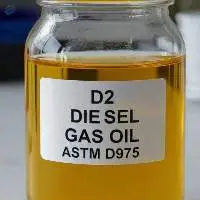
Gas Oil, D2

$550 - $620 / Metric Ton (FOB)
MOQ: 50,000  Metric Tonnes
Sample Available
Supplier From Asaba, Delta, Nigeria
 Inquire Now  
D2 = Distillate Fuel No. 2 or Diesel Gas Oil - not gasoline. It's the standard diesel you put in trucks, generators, and heavy machinery.

Gasolin is a common mix-up. D2 is diesel/gasoil. Gasoline = petrol. Totally different fuel.

D2 is a type of diesel fuel, and a middle-distillate diesel fuel commonly used in:
Diesel trucks
Buses
Generators
Agricultural equipment
Industrial machinery

D2 Diesel specs:

Type: Distillate Fuel No. 2 / Gas Oil Middle distillate, C10-C20 hydrocarbons.
Color: Clear & bright, straw to amber Can be dyed red/green for tax purposes.
Density @15C 820-860 kg/m Heavier than Jet A-1, lighter than BLCO.
Sulfur: 500 ppm max Low Sulfur / 15ppm ULSD / 0.02% GOST 305-82. Modern D2 is 10-15ppm ULSD for Euro 5/6 engines.
Viscosity: @40C 2.0 - 4.5 cSt Thicker than Jet A-1, much thinner than D6.
Flash Point: 55C min, usually 60C+ Safer than gasoline.
Cetane Number: 45-51 min Measures ignition quality for diesel engines.
Pour Point: -5C to -15C Gels in extreme cold vs Jet A-1 at -47C.
Usage: Trucks, cars, generators, construction equipment Most common diesel grade worldwide.

Historically, D2 gas oil was a common international trading product, though many markets have largely shifted to lower-sulfur diesel grades such as EN590.
GOLD PLUS Member
VERIFIED
Jun-30-26

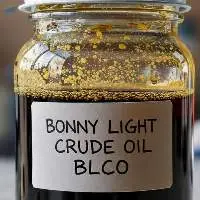
Bonny Light Crude Oil, BLCO

$10 - $14 / Metric Ton (CIF)
MOQ: 140,000  Metric Tonnes
Sample Available
Supplier From Asaba, Delta, Nigeria
 Inquire Now  
Bonny Light Crude Oil (BLCO) is a high-quality, low-sulfur ("sweet") crude oil produced in Nigeria. It is one of the country's most important export grades and is highly valued by refineries because it yields a large proportion of gasoline, diesel, and other light petroleum products. BLCO is Nigeria's flagship crude oil grade. It's named after Bonny Island/Bonny Terminal in Rivers State where it's loaded.

Overview

Origin: Nigeria
Production Area: Niger Delta region
Export Terminal: Bonny Oil Terminal
Crude Type: Light, Sweet Crude Oil (NNPC Export grade benchmark)
API Gravity: Typically around 35-37
Sulfur Content: Approximately 0.14-0.20% (low sulfur)

What makes BLCO special and Valuable:

BLCO is a sweet, light crude- that's gold for refineries.
API Gravity 35- 37 API Light crude. Low density, flows easily. High yield of gasoline/jet fuel.
Sulfur Content 0.14% - 0.16% wt Sweet crude. Very low sulfur = less refining cost + less SO2 emissions.
Density @15C 849-850 kg/m³ Thin compared to heavy crudes.
Pour Point: -5C to -36C Stays liquid in cold, good flow.
Color: Dark brown, but much thinner than D6 fuel oil.

High yield of valuable products such as gasoline, diesel, kerosene, and jet fuel.
Strong international demand from refineries in Europe, Asia, and other regions.
Good refining characteristics compared with heavier crude grades.

Products Refined from BLCO:

Refineries can produce:
LPG (Cooking Gas)
Gasoline (PMS)
Diesel (AGO / EN590-type diesel after refining)
Kerosene
Jet Fuel (Jet A-1)
Fuel Oil

Example
If a refinery purchases 1 million barrels of Bonny Light Crude Oil, it can process the crude into a range of petroleum products including diesel, gasoline, jet fuel, and other refined products, depending on the refinery configuration.

Trading Terms:
BLCO is commonly traded under:

FOB (Free on Board)
CIF (Cost, Insurance & Freight)
Spot cargo contracts
Long-term supply agreements

Typical Cargo Sizes:
950,000 barrels
1,000,000 barrels
2,000,000 barrels and above

Nigeria's crude oil sector is overseen by entities such as Nigerian National Petroleum Company Limited and international oil companies operating in the Niger Delta.
For oil trading purposes, BLCO is considered one of the most recognized African crude oil grades alongside Brent Crude and other major export crudes.

So BLCO is the premium ingredient. Refineries buy BLCO, then make EN590 diesel, jet fuel, petrol, etc. from it. D6 is what's left over after refining the light stuff out.
GOLD PLUS Member
VERIFIED
Jun-30-26

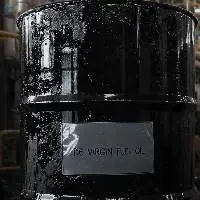
Virgin Fuel Oil, D6

$0.85 - $0.92 / Gallon (US) (FOB)
MOQ: 100,000,000  Gallons (US)
Sample Available
Supplier From Asaba, Delta, Nigeria
 Inquire Now  
D6 Virgin Fuel Oil (often called D6 Virgin Oil, D6 Fuel Oil, or Residual Fuel Oil D6) is a heavy residual fuel obtained directly from the refining process and has not been previously used or reprocessed.

D6 virgin fuel = Bunker C, or Navy Special Fuel Oil.

It's the heavy, bottom-of-the-barrel fuel left after gasoline, diesel, jet fuel, etc. are distilled out of crude oil. Virgin just means it's straight from the refinery, not recycled/blended waste oil.

KEY SPECS:

Type: Heavy, high-viscosity residual fuel oil
Grade: Category 6 fuel oil - thickest grade
Viscosity: 650-900 cst @ 50C - like tar at room temp
Color: Black, dense
Energy: ~150,000 BTU/gallon - very high energy density
Sulfur: High, typically <3.5%. Low-sulfur versions exist but cost more
Flash point: Min 60C

Key Characteristics.
Fuel Type: Residual Fuel Oil
Appearance: Dark brown to black
Viscosity: Very high
Density: Higher than diesel
Heating Requirement: Usually required
Main Use: Industrial and marine fuel

D6 is a heavy fuel oil (HFO) primarily used for:
Power plants
Marine vessels (where regulations permit)
Large industrial boilers
Heavy industrial furnaces

1. Power plants - Boilers & turbines for electricity, often backup fuel
2. Large ships - Ocean tankers, bulk carriers, container ships as bunker fuel
3. Industrial - Cement plants, steel mills, big boilers/furnaces for process heat
4. Large generators - Backup power for factories/grid.

*Important: Special handling needed*
D6 is so thick/viscous it must be *pre-heated to 104-127C* before it can be pumped or burned. You need special storage tanks, heaters, and burners.

*Not for cars, small boats, or normal diesel engines*. It will destroy them. D2 diesel is much lighter and for trucks/cars - D6 is only for massive engines designed for it.

Cost vs Environment:
- Pros: Cheap per energy unit, high BTU, cost-effective for bulk use
- Cons: One of the most polluting fuels due to high sulfur + impurities SO2, acid rain. Regulations now require desulfurization.

D6 vs D2 diesel: D2 = light distillate for cars/trucks. D6 = heavy residual for ships/power plants. D6 has way more energy but also way more pollution and handling complexity.

It is much thicker and heavier than diesel or Jet A-1 and usually requires heating before it can be pumped or burned.
GOLD PLUS Member
VERIFIED
Jun-30-26

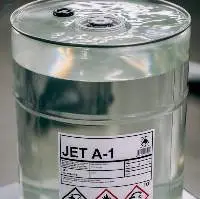
Jet Fuel, JET A-1

$85 - $92 / Metric Ton (FOB)
MOQ: 500,000  Metric Tonnes
Sample Available
Supplier From Asaba, Delta, Nigeria
 Inquire Now  
Jet A-1 Fuel is the most widely used aviation turbine fuel for commercial aircraft worldwide. It is a kerosene-based fuel specifically designed for jet engines and turboprop aircraft. It's what powers 99% of the passenger planes you fly on.

Key Jet A-1 Specifications Why it matters,

Fuel Type Aviation Turbine Fuel (ATF)
Type: Kerosene distillate C9-C16 hydrocarbons Middle distillate, between gasoline + diesel
Color: Clear to straw yellow Clean, no dye like avgas
Freeze Point: -47C max Must stay liquid at 35,000ft where it's -50C
Flash Point: 38C min Safer than gasoline - harder to ignite accidentally
Density @15C** 775-840 kg/m³ Lighter than diesel, heavier than gasoline
Sulfur: 0.30% with max total Very low sulfur for turbine protection
Boiling Range: 150C - 250C Distills in the kerosene cut
Standard: ASTM D1655 + DEF STAN 91-091 Global spec for civil + military jets, NATO F-35.
Primary Use Commercial jet and turboprop aircraft

*Why Jet Fuel Is Special*
Must remain fluid at very high altitudes where temperatures can drop below -40C.
Requires strict quality control to prevent contamination.
Designed to burn efficiently in turbine engines.
Must meet international aviation safety standards.

In Oil & Gas Trading

The most commonly traded aviation fuel is Jet A-1, often sold under FOB or CIF contracts. Major producing regions include the United Arab Emirates, Saudi Arabia, Singapore, and major refineries in Europe.
GOLD PLUS Member
Mar-17-26
 Inquire Now  
Known for high heat output, long burn times, and low ash content.
GOLD Member
May-25-26

High Performance Automotive Gas Oil (Ago / Diese, All Grade

$400 - $750 / Metric Ton (CIF)
MOQ: 20000  Metric Tonnes
Sample Available
 Inquire Now  
Bluestone Oil And Gas Ltd provides high-performance AGO diesel designed for heavy-duty trucks, construction equipment, industrial generators, marine engines, and manufacturing operations. Our diesel offers excellent fuel efficiency, operational durability, and dependable power output for demanding industrial applications.
GOLD Member
Jul-04-26

Charcoal, Industrial

$380 - $1.00K / Metric Ton (FOB)
MOQ: 10  Metric Tonnes
Sample Available
Supplier From Ikorodu, Lagos State, Nigeria
 Inquire Now  
Charcoal is a premium carbon-rich fuel produced through the controlled carbonization of hardwood, softwood, coconut shells, bamboo, or other biomass in a low-oxygen environment. It is widely used for BBQ grilling, industrial heating, metallurgy, restaurants, households, and water filtration applications due to its high calorific value, long burning time, and low smoke emission. Export-quality charcoal is processed to ensure consistent size, low moisture, and minimal ash content, making it suitable for international markets.
GOLD PLUS Member
Mar-17-26
 Inquire Now  
Palm Kernel Shell is a renewable biomass fuel with high energy output and low moisture content. Commonly used in industrial boilers and power plants as a sustainable energy alternative.
GOLD Member
VERIFIED
Feb-16-26

Dried Red And White Hibiscus Flower, American grade

$2.90K - $4.30K / Metric Ton (FOB)
MOQ: 12  
Supplier From Port Harcourt, Rivers State, Nigeria
 Inquire Now  
Red and white dried Hibiscus flower, Non-GMO, Sun Dried , Very Low moisture content, free from Sand.
GOLD Member
VERIFIED
Feb-16-26

Palm Kernel Shell, Export Standard Grade

$90 - $120 / Metric Ton (FOB)
MOQ: 100  Metric Tonnes
Supplier From Port Harcourt, Rivers State, Nigeria
 Inquire Now  
Clean and washed Palm kernel shell with high calorific content. Very low moisture content, free from stones, fibre and sand.
GOLD Member
VERIFIED
Nov-12-25

Coconut Shell Charcoal, A

$750 - $850 / Metric Ton (FOB)
MOQ: 5 MT (or 1 Container Load)  Metric Tonnes
 Inquire Now  
100% natural coconut shell charcoal with high fixed carbon content, low ash, and long-burning properties. Ideal for shisha, BBQ, and industrial use.
123 Low Aromatic Solvent Suppliers
Short on time? Let Low Aromatic Solvent sellers contact you.
Explore Low Aromatic Solvent related import export discussions