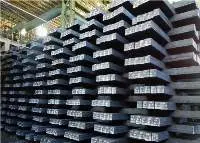
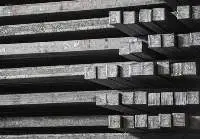
A billet is a length of metal that has a round or square cross-section, with an area less than 36 in2 (230 cm2). Billets are created directly via continuous casting or extrusion or indirectly via hot rolling an ingot or bloom. Billets are further processed via profile rolling and drawing. Final products include bar stock and wire.
Centrifugal casting is also used to produce short circular tubes as billets, usually to achieve a precise metallurgical structure. They are commonly used as cylinder sleeves where the inner and outer diameters are ground and machined to length. Because their size is not modified significantly, they are not always classified as semi-finished casting products.
A billet is a length of metal that has a round or square cross-section, with an area less than 36 in2 (230 cm2). Billets are created directly via continuous casting or extrusion or indirectly via hot rolling an ingot or bloom. Billets are further processed via profile rolling and drawing. Final products include bar stock and wire.
Centrifugal casting is also used to produce short circular tubes as billets, usually to achieve a precise metallurgical structure. They are commonly used as cylinder sleeves where the inner and outer diameters are ground and machined to length. Because their size is not modified significantly, they are not always classified as semi-finished casting products.
A billet is a length of metal that has a round or square cross-section, with an area less than 36 in2 (230 cm2). Billets are created directly via continuous casting or extrusion or indirectly via hot rolling an ingot or bloom. Billets are further processed via profile rolling and drawing. Final products include bar stock and wire.
Centrifugal casting is also used to produce short circular tubes as billets, usually to achieve a precise metallurgical structure. They are commonly used as cylinder sleeves where the inner and outer diameters are ground and machined to length. Because their size is not modified significantly, they are not always classified as semi-finished casting products.
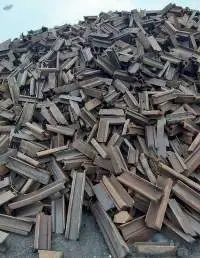
Used rail scrap for ferrous recycling and steel reprocessing. Price varies widely by grade, condition, and bulk size.
Advantages
High Steel Content: Provides valuable ferrous material for steel production.
Strong & Durable: Railway rails are manufactured from high-strength steel, making them suitable for recycling.
Recyclable: Can be melted and reused in the production of new steel products.
Cost-Effective: Offers an economical alternative source of ferrous raw material.
Industrial Demand: Used by steel mills, foundries, and metal recycling facilities.
Reduced Waste: Recycling used rails helps recover valuable metal and reduces landfill disposal.
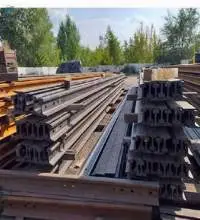
We supply used rails (R50 and R65) Sourced from reliable suppliers and suitable for recycling and industrial use. The material is free from hazardous and radioactive contamination and complies with international scrap standard. Inspection can be conducted by SGS or other internationally recognised agencies at the loading and destination ports. We offer flexible shipment options including containerized and bulk cargo under CIF terms
130 Steel Rolls Suppliers
Short on time? Let Steel Rolls sellers contact you.
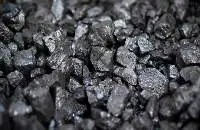
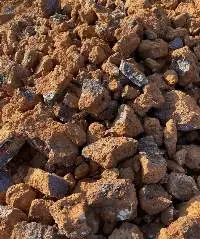
Iron ores are the raw material used to make iron and steel. Iron ore production has significantly expanded in recent years, owing to increasing steel demands in developing countries, such as China. As the content of iron ore in deposits has deteriorated, low-grade iron ore has been processed. Iron ore concentrate is an output product from processed iron ores that have been milled (crush, grind, magnetic separation, flotation) to separate deleterious elements and produce a high-quality product. Sintering and pelletizing are economic and widely used agglomeration processes to prepare iron ore fines/iron concentrate for ironmaking use. The quality requirements of sinter and pellet, such as physical, chemical, and metallurgical specifications, depend on each ironmaking furnace, and those requirements influence the operation of the iron ore sintering and pelletizing plant. Researchers have usually focused on the effect of the chemical, physical, and mineralogical characteristics of iron ore on these steps and the consequences for sinter/pellet quality and sintering/pelletizing performance. The present Special Issue on Iron Concentrate Particles will summarize the progress achieved in the last five years.
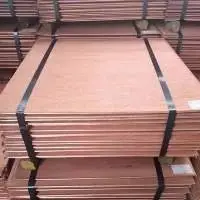
High-purity copper cathode suitable for wire rod, cable, and industrial manufacturing. Benchmark pricing reflects current global copper market levels.
Copper Cathode-Advantages
High Purity: Copper cathodes are commonly produced to very high purity levels, making them suitable for demanding industrial applications.
Excellent Electrical Conductivity: Ideal for manufacturing electrical wires, cables, transformers, motors, and other electrical components.
High Thermal Conductivity: Widely used in heat exchangers, cooling systems, and industrial equipment.
Corrosion Resistance: Provides reliable performance and long service life in various applications.
Excellent Ductility: Can be easily processed, drawn, rolled, and fabricated.
Global Industrial Demand: Copper cathodes are a key raw material for the electrical, construction, automotive, renewable-energy, and manufacturing industries.
Recyclability: Copper can be recycled repeatedly while retaining its essential properties.
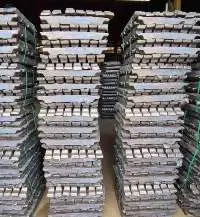
Primary aluminium ingots for casting, manufacturing, and industrial supply.
Advantages
High Strength-to-Weight Ratio: Lightweight while providing good mechanical strength.
Excellent Corrosion Resistance: Naturally forms a protective oxide layer that helps resist corrosion.
Good Conductivity: Suitable for electrical and thermal applications.
Excellent Castability: Can be efficiently melted, cast, extruded, and fabricated.
Highly Recyclable: Aluminium can be recycled repeatedly while retaining its essential properties.
Wide Industrial Demand: Used extensively in automotive components, construction products, electrical equipment, machinery, and packaging.
Export-Friendly: Available in different alloy grades and ingot sizes according to buyer requirements.
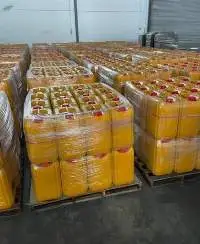
Bulk edible oil supply for food manufacturing and industrial use.
Advantages
Versatile Applications: Used in cooking oils, margarine, bakery products, confectionery, and processed foods.
High Stability: Offers good oxidative stability, making it suitable for various food-processing applications.
Efficient Crop Yield: Oil palm produces a high quantity of oil per unit of cultivated land compared with many other oilseed crops.
Wide Industrial Use: Also used in soaps, detergents, cosmetics, candles, and oleochemical products.
Export-Friendly: Available in bulk and various grades according to buyer and end-use requirements.
Consistent Supply: A major globally traded vegetable oil with established processing and logistics infrastructure.
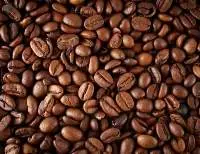
Coffee commodity benchmark pricing; actual export coffee pricing varies by origin and grade.
Advantages :
Strong Global Demand: Coffee is consumed worldwide across retail, hospitality, and food-service markets.
Wide Variety: Available in Arabica, Robusta, and other varieties, offering different flavor profiles and characteristics.
Versatile Applications: Used for roasted coffee, instant coffee, espresso, blends, extracts, and food products.
Different Processing Options: Washed, natural, honey, and other processing methods provide diverse quality and flavor profiles.
Export-Friendly Commodity: Can be supplied in bulk or customized packaging according to buyer requirements.
Value-Added Potential: Green beans can be roasted, blended, ground, packaged, and branded for higher-value markets.
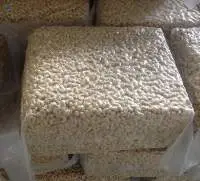
Raw cashew nuts for processing and kernel production.
Advantages
High Processing Value: Raw cashew nuts are an important input for the production of premium cashew kernels.
Strong Global Demand: Cashews are widely consumed in food, confectionery, bakery, snack, and food-processing industries.
Versatile Applications: Processed kernels can be used in snacks, sweets, nut butters, dairy alternatives, and various culinary products.
Longer Storage Potential: Properly dried and stored RCN can be maintained for processing over an appropriate period.
Export Commodity: Raw cashew nuts are widely traded between producing regions and international processing markets.
Value Addition: Processing creates multiple grades and sizes of kernels, offering opportunities across different market segments.
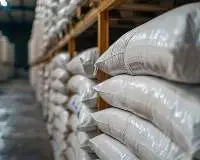
Milled white rice for wholesale and export markets. Exact price depends on broken percentage, variety, and origin.
Advantages :
Versatile Food Product: Suitable for everyday meals, restaurants, catering, and food processing.
Easy to Cook: Available in varieties with different cooking times and textures.
Long Shelf Life: When properly processed, packaged, and stored under suitable conditions.
Wide Market Demand: One of the most widely traded staple food commodities globally.
Different Grain Options: Available as long-grain, medium-grain, short-grain, and specialty varieties.
Export-Friendly: Can be supplied in different grades, packaging sizes, and private-label formats according to buyer requirements.
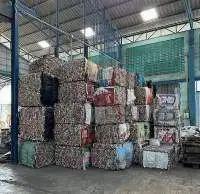
Used beverage can scrap, sorted and baled for recycling. Price depends on cleanliness, contamination, and bale density.
Advantages :
High Recyclability: Aluminium can be recycled repeatedly without losing its fundamental properties.
Lightweight: Offers an excellent strength-to-weight ratio, making it valuable for various aluminium applications.
Energy Efficient: Recycling aluminium generally requires substantially less energy than producing primary aluminium.
Good Recovery Value: Clean and properly sorted UBC scrap is a widely traded recyclable material.
Easy to Process: Baled and sorted UBC scrap can be efficiently transported and processed by recycling facilities.
Strong Industrial Demand: Used as feedstock for aluminium sheet, ingot, and other aluminium products.
Environmentally Beneficial: Supports resource conservation and reduces the need for primary aluminium production.
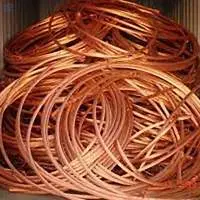
Clean copper wire scrap with high recovery value, based on Melbourne market scrap ranges. Suitable for recycling and remelting.
Clean Copper Wire Scrap- Advantages
High Copper Recovery: Clean, unalloyed copper wire scrap offers excellent recoverable copper content.
High Conductivity: Recycled copper retains the excellent electrical and thermal conductivity associated with copper.
Cost-Effective Raw Material: Provides manufacturers and recyclers with a valuable secondary source of copper.
Recyclable: Copper can be recycled repeatedly without significant loss of its essential properties.
Wide Industrial Demand: Used as a raw material for producing copper rods, wires, cables, tubes, and other copper products.
Easy Processing: Clean wire with minimal contamination can be efficiently sorted, processed, and recycled.
Environmentally Beneficial: Recycling copper reduces the need for primary mining and can lower energy consumption compared with producing copper from virgin ore.
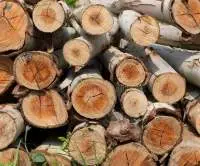
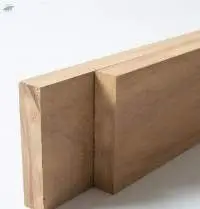
Durable hardwood timber suitable for furniture, joinery, and flooring.
**Price Unit: Metric Tons
Timber -Advantages
High Strength & Durability: Suitable for structural, construction, and furniture applications.
Versatile Material: Can be used for building, flooring, doors, furniture, packaging, and interior work.
Natural & Sustainable: Timber is a renewable resource when sourced from responsibly managed forests.
Excellent Workability: Easy to cut, shape, machine, and finish according to specific requirements.
Good Insulation: Provides natural thermal and acoustic insulation.
Attractive Appearance: Natural grain, texture, and color make timber suitable for premium interior and decorative applications.
Export-Friendly: Available in different grades, dimensions, moisture levels, and packaging formats to meet international requirements.
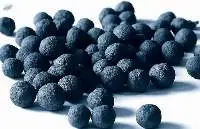
Our iron ore pellets and fines are made from magnetite and have high iron ore content pellets at around 67 percent concentration and fines over 70 percent. This means they have lower impact on the environment than competing pellets and products such as sintered hematite fines.
Using pellets instead of sinter (slightly larger pieces of iron ore) in customers pig iron processes saves emissions at steel plants. The high concentration of iron combined with the carefully tested and balanced additives in our pellets also result in lower emissions in customers ironmaking processes.