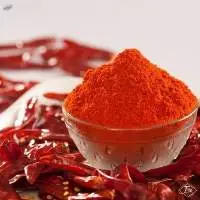
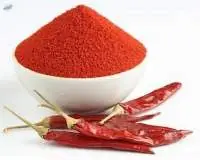
Chilli is a fruit which belongs to Capsicum genus. It has many varieties which are differentiated on its pungency measured on Scoville Scale. Chilli fruit when ripened and dried becomes red chilli, which is further grounded to form red chilli powder. These are categorized as hot pepper. Red chilli became famous all around the world because of its characteristics like pungency, taste and flavor matched black pepper, which was very expensive during old times and thus it became one of the most important and integral spices.
We supply the following dry red chilli varieties:
S4- Sannam red chilli
S17 -Teja red chilli
273- Semi wrinkled red chilli
Byadgi- Fully wrinkled red chilli
Guntur -Sannam red chilli
341- Long red chilli
Ramnad Mundu
Appearance : Bright Red color
Shu (ATSA Method) 20,000 - 90,000
Extraneous Matter : 1 %
Moisture ; 10 % Max
Colour (ATSA Method) : 40 - 160
Damanged & Discoloured : 4% Max
Loose Seeds : 4% Max
Product Specifications:
Product Name : Red chilli- 2013 New
Colour ; 80 ASTA - 100 ASTA
Moisture ; Below 12%
Pungency Heat : 15000 SHU to 20000 SHU
Capsaicin Content : 0.726%
Length : 9 to 11 Cms (without stem)
Skin Thick
Drying Process : 0.726%
Form ; Dried
Shelf Life : Long
Supply Ability : 5000 metric tons / month
Delivery Terms EX WORKS, FOB, CFR, CIF
Packaging Weight ; 4.00 Kgs / 4.50 Kgs / 5.00 Kgs / 10.00 Kgs / 15.00 Kgs / 25.00 Kgs / 35.00 Kgs or as per buyer's requirement
Physical Appearance ; S 273 is Semi wrinkle, long size, dark red in color & less seeds.
Packing ; New Jute Gunny Bags
Delivery terms : Prompt Delivery
Payment terms : 50% Advance Payment will be required to confirm order and Remaining 50 % after loading.
T/T or L/C at Sight
Minimum order quantity 14 Metric tons ( 1 x 40 FT Container)
Chilli is a fruit which belongs to Capsicum genus. It has many varieties which are differentiated on its pungency measured on Scoville Scale. Chilli fruit when ripened and dried becomes red chilli, which is further grounded to form red chilli powder. These are categorized as hot pepper. Red chilli became famous all around the world because of its characteristics like pungency, taste and flavor matched black pepper, which was very expensive during old times and thus it became one of the most important and integral spices.
Apart from its uses in cooking, it has medicinal uses as well. It helps in digestion, it develops blood and is a very rich source of vitamin C, which helps in developing the immune system. It is used as spray weapon also for keeping away attackers and mobsters.
Chilli crop grows well in deep loamy fertile soil with appropriate moisture content. Best time for sowing chilies is between April and June, i.e. in hot and humid weather. But dry weather is required at the time of harvesting. Major chilli growing countries are India, China, Ethiopia, Myanmar, Mexico, Vietnam, Peru, Pakistan, Ghana, and Bangladesh. These countries produce approximately 85% of the total red chilli in the world.
Among all the major producers, India dominates in chilli production and is the largest exporter as well due to superior quality found here. In India major production comes from Andhra Pradesh, Maharashtra, Karnataka, Orissa and Rajasthan. Guntur is the major physical market for red chillies.
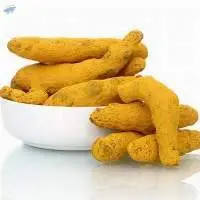
Turmeric is a common spice that comes from the root of Curcuma longa. It contains a chemical called curcumin, which might reduce swelling. Turmeric has a warm, bitter taste and is frequently used to flavor or color curry powders, mustards, butters, and cheeses.
It is the ingredient that colours and flavours prepared mustard and is used in curry powder, relishes, pickles, and spiced butters for vegetables, in fish and egg dishes, and with poultry, rice, and pork. In parts of Asia turmeric water is applied as a cosmetic to lend a golden glow to the complexion. Reputed to have anti-inflammatory properties, turmeric is sometimes consumed as a tea or in pill form for a variety of ailments, including arthritis and intestinal problems