Please click here to check who's online and chat with them.

Find Verified Calcium Hypochlorite Suppliers, Manufacturers and Wholesalers

Top Supplier Cities : -   Mumbai   Ahmedabad  
VERIFIED
Jul-24-23
 Inquire Now  
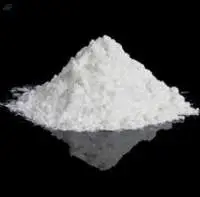
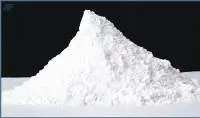
Precipitated Calcium Carbonate (PCC) is synthetic calcium carbonate. It is white ultra-fine crystalline powder having consistent Particle Size Distribution and Excellent dispersibility. Precipitated Calcium Carbonate (PCC): High Purity lime stone is calcined in Lime Kiln to produce quick lime which is slaked and further carbonated to produce PCC slurry, which is filtered and dried to produce pure white PCC Powder. Activated Calcium Carbonate (ACC): Activated Calcium Carbonate is produced by surface coating the Precipitated Calcium Carbonate slurry with Fatty Acids (Stearic Acid) and Titanate Coupling Agent. Filtering and drying of the coated PCC slurry to produce ACC Powder. The particle size, as well as the crystal form, is controlled by temperature, concentration of reactants and time.

Price: INR 5,000/- to 20,000/-
VERIFIED
Jul-24-23

Quick Lime

MOQ: 20 Feet Container  
 Inquire Now  
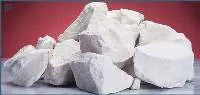
Calcium Oxide (Lime) is made by thermal decomposition of high purity limestone above 900�°C, the process is called calcinations or lime burning. It is also referred to as burnt lime or quick lime.

Price: INR 5,000/- to 20,000/-
VERIFIED
Jul-24-23

Talc Powder

MOQ: 20 Feet Container  
Supplier From Jodhpur, Rajasthan, India
 Inquire Now  
Talc Powder

Price: INR 5,000/- to 20,000/-
VERIFIED
Mar-09-17

Sodium Hypochlorite

$0
MOQ: Not Specified
 Inquire Now  
Specifications:


SODIUM HYPOCHLORITE

1
Specific gravity
1.139
2
NaOH (GPL)
5 Min.
3
Available Chlorine ( GPL )
120 Min.
Sep-14-20
Supplier From Jodhpur, Rajasthan, India
 Inquire Now  
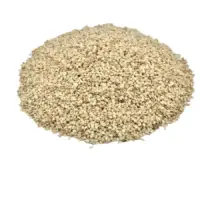
Common Name : Sesame
Other Name : Tila, Gingelly.
Botanical Name : Sesamum Indicum
L.plant Family : Pedaliaceae
Synonyms : Sesamum Orientale Linn.
Part Used : Seeds
Overview : Sesamum Indicum (sesame) Is An Important Food, Oil, Medicinal And Religious Crop In India.

Sesamin, sesamolin, sesamol, sesami indicin, oleic acid and tocopherols, linoleic acid, palmitic acid, arachic acid, glycerol, calcium, vitamin E
67 Calcium Hypochlorite Suppliers
Short on time? Let Calcium Hypochlorite sellers contact you.
Jun-01-10

Calcium Hydroxide

MOQ: Not Specified
Supplier From Jodhpur, Rajasthan, India
 Inquire Now  
All grades of hydratred lime from 70% to 96% grade.

40 kgs and one ton jumbo bages.
Sep-14-20
Supplier From Jodhpur, Rajasthan, India
 Inquire Now  
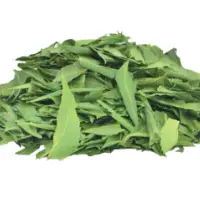
Common Name : Neem
Other Name : Nimba, Margosa Tree.
Botanical Name : Azadirachta Indica A. Juss.
Plant Family : Meliaceae
Synonyms : Melia Azadirachta Linn.
Part Used : Dried Leaf.
Overview : Neem, A Fascinating Tree, Is One Of The Most Promising Of All Plants And May Eventually Benefit Every Person In The Planet.

Neem leaves mainly yield quercetin (flavonoid) and nimbosterol ( sitosterol) as well as number of liminoids (nimbin and its derivatives). Quercetin (a polyphenolic flavonoid), Limonoids like nimocinolide and isonimocinolide are also present. The principal constituents of neem leaves include protein (7.1%), carbohydrates (22.9%), minerals, calcium, phosphorus, vitamin C, carotene etc. But they also contain glutamic acid, tyrosine, aspartic acid, alanine, praline, glutamine and cystine like amino acids, and several fatty acids (dodecanoic, tetradecanoic, elcosanic, etc.)
Sep-14-20
Supplier From Jodhpur, Rajasthan, India
 Inquire Now  
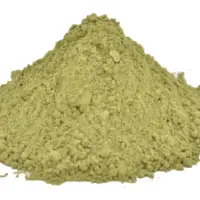
Common Name : Neem
Other Name : Nimba, Margosa Tree.
Botanical Name : Azadirachta Indica A. Juss.
Plant Family : Meliaceae
Synonyms : Melia Azadirachta Linn.
Part Used : Dried Leaf Powder.
Overview : Neem, A Fascinating Tree, Is One Of The Most Promising Of All Plants And May Eventually Benefit Every Person In The Planet.

Neem leaves mainly yield quercetin (flavonoid) and nimbosterol (�²- sitosterol) as well as number of liminoids (nimbin and its derivatives). Quercetin (a polyphenolic flavonoid), Limonoids like nimocinolide and isonimocinolide are also present. The principal constituents of neem leaves include protein (7.1%), carbohydrates (22.9%), minerals, calcium, phosphorus, vitamin C, carotene etc. But they also contain glutamic acid, tyrosine, aspartic acid, alanine, praline, glutamine and cystine like amino acids, and several fatty acids (dodecanoic, tetradecanoic, elcosanic, etc.).
Sep-14-20
Supplier From Jodhpur, Rajasthan, India
 Inquire Now  
Common Name : Aloe Vera
Other Name : Aloe, Barbados Aloe, Curacao Aloe, Ghrita Kumari, Kanyasara
Botanical Name : Aloe Vera (l.) Burm. F.
Plant Family : Liliaceae
Synonyms : Aloe Barbadensis Mill.
Part Used : The Whole Leaf.
Overview : Dehydrated

Aloe Vera Contains Over 75 Known Active Ingredients (and Probably Many More). Also Included Are 19 Of The 20 Amino Acids Required By The Human Body And 7 Of The 8 Essential Amino Acids (that The Body Cannot Make), As Well As Vitamins And Minerals. Aloe Vera Also Contains Useful Enzymes Like Amylase, Bradykinase, Catalase, Cellulase, Lipase, Oxidase, Alkaline Phosphatase, Proteolytiase, Creatine Phosphokinase, Carboxypeptidase. Aloe Vera Contains Important Minerals Like Calcium, Chromium, Copper, Iron, Magnesium, Manganese, Potassium, Phosphorous, Sodium And Zinc. Aloe Vera Contains Useful Vitamins Which Include A (beta-carotene And Retinol), B1 (thiamine), B2 (riboflavin), B3 (niacin), B6 (pyridoxine), B12 (cyanocobalamin), C(ascorbic Acid), E(tocopherol) And Folic Acid. Salicylic Acid, A Substance Similar To Aspirin Is Also Found In Aloe Vera. It Also Contains Saponins And Sterols
Jun-01-10
Supplier From Jodhpur, Rajasthan, India
 Inquire Now
Sep-19-18
Supplier From Jodhpur, India
 Inquire Now
Jun-19-18
Supplier From Jodhpur, India
 Inquire Now
Jul-20-18
Supplier From Jodhpur, Rajasthan, India
 Inquire Now
Apr-01-18
Supplier From Jodhpur, Rajasthan, India
 Inquire Now
Apr-04-20
Supplier From Jodhpur, Rajasthan, India
 Inquire Now
Jan-10-19
Supplier From Jodhpur, Rajasthan, India
 Inquire Now
Feb-04-09

Hydrated Lime

MOQ: Not Specified
 Inquire Now  
Hydrated lime

% of available lime as ca(oh)296+1+94+93+92+90+85+80+75+70+65

40kgs
Jun-09-08

China Clay

MOQ: Not Specified
Supplier From Jodhpur, Rajasthan, India
 Inquire Now  
Available for domestic & export markets

Our products

1. Asbestos / asbestine 18. Heena
2. Aluminium silicate 19. Kaynite
3. Activated calcium carbonate 20. Lime stone
4. Activated bleaching earch 21. Precipitated calcium carbonate
5. Bentonite (sodium) 22. Precipitated silica
6. Bentonite (calcium) 23. Plaster of paris
7. Barium sulphate 24. Potas feldspar
8. Calcite 25. Rock poshphate
9. China clay 26. Soda feldspar
10. Calcind china clay 27. Seena (harble indiuse)
11. Calcind dolomite 28. Silica sand
12. Dolomite 29. Silicons earth (ditomatislous earth)
13. Dolomite clay 30. Vermiculate
14. Fullers earth 31. Wallostonite
15. Gypsum (marin) 32. Whiting p
16. Gypsum (rock) s s white 33. Zinc oxide
17. Hydrated lime 34. Zeolighte


Calcium fluorite (caf2)30% to 98% rock phosphate +30%
Interior decorated pables & colour stones

Old and new hdpe & jambo bag
VERIFIED
May-17-16
Supplier From Jodhpur, Rajasthan, India
 Inquire Now
Aug-26-23
Supplier From Jodhpur, Rajasthan, India
 Inquire Now
Aug-31-21
Supplier From Jodhpur, Rajasthan, India
 Inquire Now
Feb-04-09
Supplier From Jodhpur, Rajasthan, India
 Inquire Now
Nov-10-25
Supplier From Jodhpur, Rajasthan, India
 Inquire Now
Jun-20-15
Supplier From Jodhpur, Rajasthan, India
 Inquire Now
Jul-15-20
Supplier From Jodhpur, Rajasthan, India
 Inquire Now
Jul-06-21
Supplier From Jodhpur, Rajasthan, India
 Inquire Now
VERIFIED
Jul-31-21

Safed Musli

MOQ: Not Specified
Supplier From Jodhpur, Rajasthan, India
 Inquire Now  
Botanical Name - Chlorophytum borivilianum


Category - Medicinal


Form - Dry


Part Used - Roots


General Information - Safed musli (Chlorophytum borivilianum), a herb belongs to family Liliaceae. It was originally grown in thick forests of India,1 is a promising medicinal plant with great economic potential. The appreciation of medicinal value of safed musli tubers has been made in ancient Indian medicine literature right from the 11th century AD.


Phytochemicals - The tubers contain saponins and have aphrodisiac, adaptogenic, antiaging, health restorative and health promoting properties. Its root contains steroidal and triterpenoidal saponins, sapogenins and fructans which act as therapeutic agents and play vital role in many therapeutic applications. It is a rich source of over 25 alkaloids, vitamins, proteins, carbohydrates, steroids, saponins, potassium, calcium, magnesium, phenol, resins, mucilage, and polysaccharides and also contains high quantity of simple sugars, mainly sucrose, glucose, fructose, galactose, mannose and xylose.
Jul-14-17
Supplier From Jodhpur, Rajasthan, India
 Inquire Now
Jul-12-08
Supplier From Jodhpur, Rajasthan, India
 Inquire Now
VERIFIED
Aug-22-22
Supplier From Jodhpur, Rajasthan, India
 Inquire Now
Jul-15-17

Dolomite

$70 - $80
MOQ: Not Specified
Supplier From Jodhpur, Rajasthan, India
 Inquire Now  
Micronized Dolomite by Multi Minerals Industries is grounded carbonate of Magnesium and Calcium. It has fine crystalline structure with high brightness. Our Micronised Dolomite has a long self life, good dispersability & wet ability and excellent exterior durability.

Our Micronised Dolomite Product Range
DL - 501
DL - 401
DL - 301

Features:
Superb Quality
Long Self Life
Good Properties
Excellent Value
VERIFIED
Jan-04-16
Supplier From Jodhpur, Rajasthan, India
 Inquire Now
Aug-20-23
Supplier From Jodhpur, Rajasthan, India
 Inquire Now
VERIFIED
Aug-01-21
Supplier From Jodhpur, Rajasthan, India
 Inquire Now  
Botanical Name - Rock Salt(Sendha Namak)

Category - Spices/Medicinal

Form - Dry

Part Used - Salt

General Information - Rock salt is a form of coarsely ground sodium chloride. Sodium chloride, or salt, is employed in many industries, as well as used in cooking. It helps set dyes in fabrics and is used in the process of producing detergent and soap as well as being used as grit on roads. Rock salt has a crystalline structure, is used as a desiccant and can also be used as an extinguishing agent.

Phytochemicals - Rock salt is a sedimentary rock, which is classified as an evaporate. Naturally occurring rock salt is formed from the evaporation of inland seas. The rock salt contains the minerals found in that particular body of water; mostly sodium, chloride, calcium, magnesium, potassium, and sulfate. These are the major elements found in rock salt. All of these substances are highly soluble in water. Shale is also a sedimentary rock: however, it is classified as a clastic rock layer. Clastic sedimentary rocks are composed predominantly of broken pieces of older weathered and eroded rocks and are classified based on grain size, clastic and cementing material (matrix) composition, and texture. Shale is a fine-grained, clastic sedimentary rock composed of mud that is a mix of flakes of clay minerals and tiny fragments (silt-sized particles) of other minerals, especially quartz and calcite. Many of the minerals that make up shale are insoluble in water. Marcellus Shale is black shale, which is dark, thinly laminated carbonaceous shale, exceptionally rich in organic matter and sulfide and often containing unusual concentrations of certain trace elements such as uranium, vanadium, copper, and nickel.
Aug-07-17
Supplier From Jodhpur, Rajasthan, India
 Inquire Now
VERIFIED
Jul-31-21

Licorice Root

MOQ: Not Specified
Supplier From Jodhpur, Rajasthan, India
 Inquire Now  
Botanical Name - Glycyrrhiza glabra


Category - Medicinal


Form - Dry


Part Used - Root


General Information - Glycyrrhiza is derived from the ancient Greek term glykos, meaning sweet, and rhiza, meaning root. Glycyrrhiza glabra is known as mulaithi in north India. Glycyrrhiza glabra, also known as licorice and sweet wood, is native to the Mediterranean and certain areas of Asia. A number of traditional healers have claimed the efficacy of Glycyrrhiza species for a variety of pathological conditions as a diuretic, choleretic, used as insecticide, and indicated in traditional medicine for coughs, colds, and painful swellings . The roots are unearthed in the autumn of the fourth season. It is grown in India, Spain, Iran, Russia, China and Italy.


Phytochemicals - A number of components have been isolated from the roots of Glycyrrhiza glabra, including a water-soluble, biologically active complex that accounts for 40-50% of total dry material weight. This complex is composed of triterpene, saponin, flavonoids, polysaccharides, pectins, simple sugars, amino acids, mineral salts, asparagines, bitters, essential oil, fat, female hormone estrogen, gums, mucilage (rhizome), protein, resins, starches, sterols, volatile oils, tannins, glycosides, and various other substances. Glycyrrhizin, a triterpenoid compound, accounts for the sweet taste of licorice root. This compound represents a mixture of potassium-calcium-magnesium salts of glycyrrhizic acid that varies within a 2-25% range. Among the natural saponin, glycyrrhizic acid is a molecule composed of a hydrophilic part, two molecules of glucuronic acid, and a hydrophobic fragment, glycyrrhetic acid. The yellow color of licorice is due to the flavonoid content of the plant, which includes liquiritin, isoliquiritin (a chalcone) and other compounds. The isoflavones, glabridin and hispaglabridins A and B have significant antioxidant activity and both glabridin and glabrene possess estrogen-like activity.
VERIFIED
Jul-31-21

Asafoetida

MOQ: Not Specified
Supplier From Jodhpur, Rajasthan, India
 Inquire Now  
Botanical Name - Ferula asafoetida


Category - Spices/Medicinal


Form - Dry


Part Used - Gum resin


General Information - Ferula asafoetida is herbaceous plant of the umbelliferae family. It is oleo gum resin obtained from the rhizome and root of plant. This spice is used as a digestive aid, in food as a condiment and in pickles. It is used in modern herbalism in the treatment of hysteria, some nervous conditions, bronchitis, asthma and whooping cough. It was at one time employed in the treatment of infantile pneumonia and flatulent colic. The gum resin is antispasmodic, carminative, expectorant, laxative, and sedative. The volatile oil in the gum is eliminated through the lungs, making this an excellent treatment for asthma. The odor of asafoetida is imparted to the breath, secretions, flatus, and gastric eructations. Its properties are antispasmodic, expectorant, stimulant, emmenagogue and vermifuge. Asafoetida has also been used as a sedative. It also thins the blood and lowers blood pressure. It is widely used in India in food and as a medicine in Indian systems of medicine like ayurveda. Asafoetida has been held in great esteem among indigenous medicines, particularly in Unani system from the earliest times.


Phytochemicals - An analysis of asafoetida shows it to consist of carbohydrates 67.8% per 100 gms, moisture 16.0%, protein 4.0%, fat 1.1%, minerals 7.0% and fiber 4.1%. Its mineral and vitamin contents include substantial calcium besides phosphorus, iron, carotene, riboflavin and niacin. Its calorific value is 297, contains 40-64% resinous material composed of ferulic acid, umbel-liferone, asaresinotannols, farnesiferols A, B, and C etc., about 25% gum composed of glucose, galactose, l-arabinose, rhamnose, and glucuronic acid and volatile oil (3-17%) consisting of disulfides as its major components, notably 2-butyl propenyl disulfide (E- and Z-isomers), with monoterpenes (�±- and �²-pinene, etc.), free ferulic acid, valeric acid, and traces of vanillin (LAF). The disagreeable odor of the oil is reported to be due mainly to the disulphide C11H20S2.
Jan-18-23
Supplier From Jodhpur, Rajasthan, India
 Inquire Now
Jun-03-24
Supplier From Jodhpur, Rajasthan, India
 Inquire Now
VERIFIED
Jul-31-21

Fennel Seeds

MOQ: Not Specified
Supplier From Jodhpur, Rajasthan, India
 Inquire Now  
Botanical Name - Foeniculum vulgare


Category - Spices/Medicinal


Form - Dry


Part Used - Seeds


General Information - Foeniculum vulgare Mill. is a biennial medicinal and aromatic plant belonging to the family Apiaceae (Umbelliferaceae). It is a hardy, perennial umbelliferous herb with yellow flowers and feathery leaves. It grows to a height of up to 2.5 m with hollow stems. The leaves grow up to 40 cm long; they are finely dissected with the ultimate segments filiform (thread like) of about 0.5 mm wide. The flowers are produced in terminal compound umbels. The fruit is a dry seed 4â??10 mm long. It is generally considered indigenous to the shores of Mediterranean Sea but has become widely naturalised in many parts of the world especially on dry soils near the sea coast and on the river banks. Some authors distinguish two sub-species of fennel, piperitum and vulgare: sub-species piperitum has bitter seeds, while sub-species vulgare has sweet seeds which are used as flavouring agents in baked goods, meat and fish dishes, ice creams, alcoholic beverages, etc due to their characteristic anise odour. Foeniculum vulgare (Apiaceae) commonly known as fennel is a well known and important medicinal and aromatic plant widely used as carminative, digestive, lactogogue and diuretic and in treating respiratory and gastrointestinal disorders. Its seeds are used as flavourings in baked goods, meat and fish dishes, ice cream, alcoholic beverages and herb mixtures. Phenols, phenolic glycosides and volatile aroma compounds such as trans-anethole, estragole and fenchone have been reported as the major phytoconstituents of this species. Different pharmacological experiments in a number of in vitro and in vivo models have convincingly demonstrated the ability of F. vulgare to exhibit antifungal, antibacterial, antioxidant, antithrombotic and hepatoprotective activities, lending support to the rationale behind several of its therapeutic uses.


Phytochemicals- F. vulgare has been reported to contain 6.3% of moisture, 9.5% protein, 10% fat, 13.4% minerals, 18.5% fibre and 42.3% carbohydrates. The minerals and vitamins present in F. vulgare are calcium, potassium, sodium, iron, phosphorus, thiamine, riboflavin, niacin and vitamin C.
Mar-10-21
Supplier From Jodhpur, Rajasthan, India
 Inquire Now
VERIFIED
Jul-31-21
Supplier From Jodhpur, Rajasthan, India
 Inquire Now  
Botanical Name - Hibiscus rosa-sinensis


Category - Medicinal


Form - Dry


Part Used - Flower


General Information - Hibiscus rosa-sinensis, the probable origin of the plant was tropical Asia, It was cultivation in China, Japan and the Pacific islands for an equally long time, it was generally thought that it was originated in South China. The plant with deep-red flowers is believed to have an Asian origin, hence the name rosa-sinensis meaning 'rose of China. Now it is widely cultivated. In medicine, the red flowered variety was preferred. Roots and leaves, were anodyne and emmenagogue. They were used to regulate menstruation and stimulate blood circulation. Leaves were also used as abortifacient and to stimulate expulsion of placenta after childbirth. Flower were used for regulation of menstrual cycle, for liver disorders, high blood pressure as antitussive, in stomach pain, for eye problems, as abortifacient and as an aphrodisiac. Young leaves and flowers were used in headache. Decoction of leaves, root and fruits were helpful in treatments of arthritis, boils and coughs. Fruits were employed externally in cases of sprains, wounds and ulcers. The flowers have been reported in the ancient Indian medicinal literature with beneficial effects in heart diseases. They were refrigerant, emollient, demulcent, aphrodisiac and emmenagogue. Petals were used to stimulate thicker hair growth and to prevent premature graying, hair loss and scalp disorders. It considered as a natural emollient hair conditioner and was used in hair washes, treatments and vinegar rinses for the hair.


Phytochemicals - Quantitative phytochemical evaluation of the flowers of Hibiscus rosa-sinensis revealed that the amount of flavonoids was 0.171 mg/g, total phenolics 0.092 mg/g, tannins 0.073 mg/g, carbohydrates 0.356 mg/g, protein 0.247 mg/g, thiamine 0.072 mg/g, niacin 0.075 mg/g, ascorbic acid 0.0339 mg/g, riboflavin 0.087 mg/g, calcium 0.0127%, phosphorus 0.4113% and iron 0.771%. The flower extract of Hibiscus rosa-sinensis (Red) contained 0.678±0.14% phenols, 0.51±0.16 % alkaloids and 7.5±0.20 % tannins. While , the flower extract of Hibiscus rosa-sinensis (White) contained 0.680±0.11% phenols, 0.50±0.18 % alkaloids and 8.9±0.21 % tannins, and the flower extract of Hibiscus rosa-sinensis (Yellow) contained 0.678±0.16% phenols, 0.48±0.16 % alkaloids and 8.5±0.20% tannins.
Jul-16-11
Supplier From Jodhpur, Rajasthan, India
 Inquire Now
VERIFIED
Aug-01-21

Ashoka Tree

MOQ: Not Specified
 Inquire Now  
Botanical Name - Saraca asoca

Category - Medicinal

Form - Dry

Part Used - Bark, Seed, Flowers

General Information - Ashok or Ashoka (which is a Sanskrit term meaning one without sorrow or grief) also called Ashokbriksh and botanically known as Saraca asoca (Roxb.) W. J. de Wilde or Saraca indica L. is among the most ancient medicinal plants known in India. It belongs to the family Caesalpiniaceae. Saraca asoca (Roxb.) has been regarded as a universal panacea in old Indian Ayurvedic texts and has especially been used to manage gynaecological complications and infections besides treating haem-morhagic dysentery, uterine pain, bacterial infections, skin problems, tumours, worm infestations, cardiac and circulatory problems. Almost all parts of the plant are considered pharmacologically valuable. Extensive folkloric practices and ethnobotanical appli-cations of this plant have even lead to the availability of several commercial S. asoca formulations recom-mended for different indications though adulteration of these remains a pressing concern. Though a wealth of knowledge on this plant is available in both the classical and modern literature. The tree is found mainly throughout India, especially in West Bengal, Assam, Odisha, Tamil Nadu, Karnataka, Kerala, Andhra Pradesh, Meghalaya and Maharashtra9. It is also widely distributed across the Western Ghats (both South and Central), the Sahyadri region and throughout the Himalayas.

Phytochemicals- "Bark of S. asoca is the most important organ for its medicinal value. It is known to contain flavonoids, tannins, steroids, volatile oil, glycosides, steroidal gly-cosides such as Beta-sitosterol glucoside, reducing sugars, and many compounds of potassium, sodium, cal-cium, aluminum, strontium, calcium, iron, magnesium and phosphate. Powdered bark also carries cellular species such as tracheids, stone, parenchyma, sieve tubes and other cells.

leaves of S. asoca have remained the next best investigated plant tissue from the metabolic profile standpoint. They have been reported to contain alkaloids, steroids, flavonoids, tannins, saponins, terpenoids, poly-phenolics, glycosides and many car bohydrates.

The flower s of S. asoca have been shown to contain tan-nins, flavonoids, saracasin, saracadin, waxy substances, carbohydrates, proteins and steroids

Seeds of S. asoca have been reported to contain various fatty acids such as oleic, linoleic, palmitic and stearic acids; sterols such as catechol and epicatechol; and a fla-vonoid, leucocyanidin.

Fruits have been previously reported for the presence of various fatty acids such as oleic, linoleic, palmitic and stearic acids; sterols like catechol and epicatechol, and a flavonoid, leucocyanidin."
VERIFIED
Mar-09-17

Bleaching Powder

$0
MOQ: Not Specified
 Inquire Now  
Specifications:-


BLEACHING POWDER

1
Available Chlorine (%)
35 Min.
2
Moisture % by mass
0.3
VERIFIED
Mar-09-17

Diethylene Glycol

$0
MOQ: Not Specified
 Inquire Now  
Specifications:

Sr. No
Property
Unit
Specification
1
Appearance
-
Clear , Colourless
2
DEG Content
Wt. % Min
99.8
3
MEG & TEG Content
Wt % Max.
0.10
4
Specific Gravity
@20/20 Deg C
1.1170 - 1.1190
5
Distillation Range @ 760 mm Hg IBP to DP
Deg C
4 including 246
6
Water
Wt. % max.
0.1
7
Acidity (as acetic acid)
Wt.ppm max.
50
8
Chlorides (as CL)
Wt.ppm max.
0.1
9
Colour
Pt-Co Units max.
10
10
Iron (as Fe)
Wt.ppm max.
0.1
11
Ash
Wt.ppm max.
50
VERIFIED
Mar-09-17
 Inquire Now  
Specifications:

Poly Aluminium Chloride Powder
Description
Specification
Purity as AL203 (%)
29-30
Basicity (%)
41
Chloride as Cl (%)
34.3
Sulphate as S04 (%)
5
Bulk Density (glcm3)
0.85
Iron as Fe & Manganese as Mn (ppm)
62
Water Insoluble (%)
0.59
PH of 1% Solution (W N)
3.6
VERIFIED
Mar-09-17

Sodium Metabisulphate

$0
MOQ: Not Specified
 Inquire Now  
Specifications:


SODIUM METABISULPHITE (SMBS)

S.NO
CHARACTERSTICS
SPESIFICATION (REF 060422)
1
Appearance
White Crystalline Powder
2
Assay as S02, % w/w
> 62%
3
Assay as Na2S205, % w/w
> 94%
4
ph of 10% sol
4 to 5
5
Insoluble matter
< 0.1%
6
iron (as Fe)
< 10 ppm
7
Heavy metals
NIL
VERIFIED
Mar-09-17

Try Sodium Phosphate

$0
MOQ: Not Specified
 Inquire Now  
Specifications:


TRI SODIUM PHOSPHATES (Garde AR)

S.NO
TEST
SPECFICATIONS
1
Matter Insoluble in water
0.01% max
2
Phosphates as P205
18.30% min
3
Free Sodium Hydroxide
2.50% max
4
Iron (as Fe)
0.001% max
5
Chlorides (as CI)
0.01% max
6
Sulphate (as S04)
0.01% max
7
Nitrogen Compound
0.001% max
8
Arsenic (as As203)
0.0005% max
9
Heavy metal (as Pb)
0.001% max
10
ph of 1% solution
12 min
67 Calcium Hypochlorite Suppliers
Short on time? Let Calcium Hypochlorite sellers contact you.
Explore Calcium Hypochlorite related import export discussions