Please click here to check who's online and chat with them.

Find Verified Jaggery Sugar Suppliers, Manufacturers and Wholesalers

Top Supplier Cities : -   Mumbai   Chennai  
May-13-14

Iron Ore

MOQ: Not Specified
Supplier From Mumbai, Maharashtra, India
 Inquire Now  
Iron ore.
May-13-14

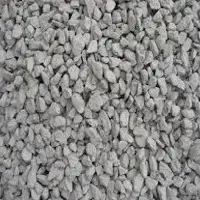
Limestone

MOQ: Not Specified
Supplier From Mumbai, Maharashtra, India
 Inquire Now  
Limestone.
May-13-14
 Inquire Now  
Nitrogen phosphorus and potassium.
May-13-14

Rapeseed

MOQ: Not Specified
Supplier From Mumbai, Maharashtra, India
 Inquire Now  
Rapeseed.
May-13-14

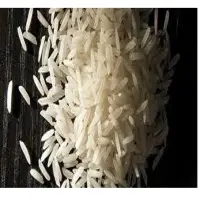
Rice

MOQ: Not Specified
Supplier From Mumbai, Maharashtra, India
 Inquire Now  
Rice.
27367 Jaggery Sugar Suppliers
Short on time? Let Jaggery Sugar sellers contact you.
May-13-14

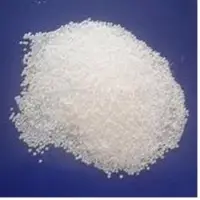
Salt

MOQ: Not Specified
Supplier From Mumbai, Maharashtra, India
 Inquire Now  
Salt.
May-13-14

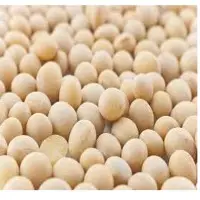
Soybean

MOQ: Not Specified
Supplier From Mumbai, Maharashtra, India
 Inquire Now  
Soybean.
May-13-14

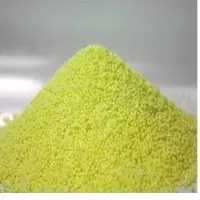
Sulphur

MOQ: Not Specified
Supplier From Mumbai, Maharashtra, India
 Inquire Now  
Sulphur.
May-13-14

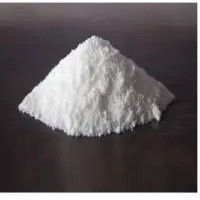
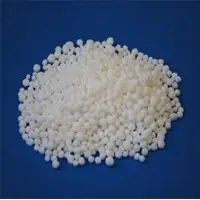
Urea

MOQ: Not Specified
Supplier From Mumbai, Maharashtra, India
 Inquire Now  
Urea.
May-13-14

Wheat

MOQ: Not Specified
Supplier From Mumbai, Maharashtra, India
 Inquire Now  
Wheat.
Mar-18-14
Supplier From Srinagar, Jammu & Kashmir, India
 Inquire Now  
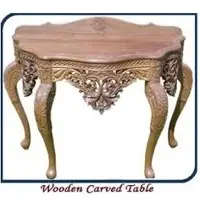
Wooden carved table.
Mar-18-14

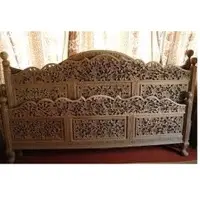
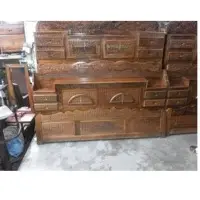
Wooden Bed

MOQ: Not Specified
Supplier From Srinagar, Jammu & Kashmir, India
 Inquire Now  
Wooden bed.
Mar-18-14

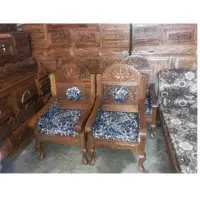
Sofa Set

MOQ: Not Specified
Supplier From Srinagar, Jammu & Kashmir, India
 Inquire Now  
Sofa sets.
Mar-18-14

Wooden Furniture

MOQ: Not Specified
Supplier From Srinagar, Jammu & Kashmir, India
 Inquire Now  
Wooden furniture.
Mar-18-14

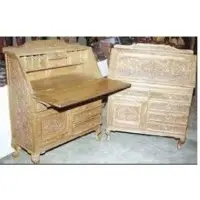
Writing Table

MOQ: Not Specified
Supplier From Srinagar, Jammu & Kashmir, India
 Inquire Now  
Writing table.
Mar-18-14

Wooden Chair

MOQ: Not Specified
Supplier From Srinagar, Jammu & Kashmir, India
 Inquire Now  
Wooden chair.
Mar-18-14

Double Bed

MOQ: Not Specified
Supplier From Srinagar, Jammu & Kashmir, India
 Inquire Now  
Double bed.
Mar-19-14

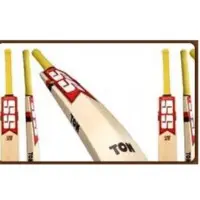
Cricket Bats

MOQ: Not Specified
Supplier From Srinagar, Jammu & Kashmir, India
 Inquire Now  
The willow used in making cricket bats was brought in by the British, who ruled India, during the 1920s. The villages nestled high in the mountains which were abundant with willow; specifically Kashmir, and accounted for the majority of the world's cricket bats during the 1970s when its manufacturing started. English willow bats are lighter than Kashmir willow bats therefore they are used mostly in test matches and the kashmir willow bat is used in the twenty20s. These bats are not only popular in India, but also in Pakistan, Bangladesh and Sri Lanka. The bats cost from $10 to $200. Generally considered to be heavier than English willow bats. Traditional methods are still used by the industry established in Kashmir, whereby bats are shaped by hand and eye measurements, combining traditional tools with modern technology.[citation needed] Some of the districts were these bats are made in Kashmir are Anantnag, Baramula, and Pahalgam.
Mar-19-14

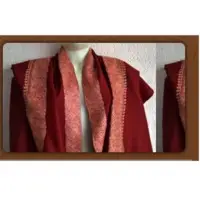
Pashmina Shawls

MOQ: Not Specified
Supplier From Srinagar, Jammu & Kashmir, India
 Inquire Now  
The word shawl is derived from Persian "shal", which was the name given for a whole range of fine woolen garments. The shawl in India was worn folded across the shoulder, and not as a girdle, as the Persians did.Shawls are worn and used as a warm protective garment all over north India today, Kashmir has become synonymous with shawls all over the world. At the time of Mughal rule in India, Kashmir overtook the North-West Frontier and Punjab, as the center of shawl making. The Mughal emperor Akbar was greatly enamored by the Kashmiri shawls and the way it was worn, folded in four, captured his imagination. He experimented with various ways of wearing it, and found that it looked good worn without folds, just thrown over the shoulder.There are three fibres from which Kashmiri shawls are made - wool, pashmina and shahtoosh. The prices of the three cannot be compared - woollen shawls being within reach of the most modest budget, and shahtoosh being a one-in-a-lifetime purchase.Woollen shawls are popular because of the embroidery worked on them, which is unique to Kashmir. Both embroidery and the type of wool used bring about differences in the price. Wool woven in Kashmir is known as 'raffel' and is always 100 per cent pure. Sometimes blends from other parts of the country are used and Kashmiri embroidery is worked on them. These blends contain cashmilon, cotton, or a mixture of both.Pashmina is unmistakable due to its softness. Pashmina yarn is spun from the hair of the ibex found in the highlands of Ladakh, at 14,000 ft above sea level. Although pure pashmnina is expensive, the cost is sometimes brought down by blending it with rabbit fur or with wool. It is on pashmina shawls that Kashmir's most exquisite embroidery is executed, sometimes covering the entire surface, earning it the name of 'jamawar'.
Mar-19-14

Walnut

MOQ: Not Specified
Supplier From Srinagar, Jammu & Kashmir, India
 Inquire Now  
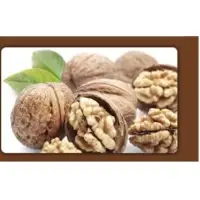
The walnut belongs to the small order of trees and shrubs known as Juglandeae. Walnut trees are very large, ranging from 50 to 75 feet in height and width. Kashmir revels in reputation in that it is the only region in India where the walnut tree grows. The natural sheen, color and grains are indeed exceptional and unique. The carving and fret- work done on this wood is of a delight.Generally two types of walnut trees are found in Jammu and Kashmir- one that bears fruit and is noted for its wood, and another which is not fruit-bearing. The latter is known as 'zangul' in local parlance and is less strong and possesses no grains.

Moist coniferous forests of the Eastern and Western Himalayas, Himachal Pradesh, Jammu and Kashmir, hilly regions of North and South, the Eastern hills, Uttar Pradesh and Arunachal Pradesh are most suitable for the growth of walnut. Total area under walnut is 67053 hectares with annual production over 71758 metric tons.Given the high tariffs and strong domestic production, there are few opportunities for imports. India's 2001/02 walnut production is forecast at 28,000 tons. Exports are expected to be around 14,000 tons. The current year (2000/01) export estimate has been raised 11 percent to 15,500 tons, based on strong demand from the EU and the United States (due to a smaller crop). Major export destinations during the Indian fiscal years 1999 and 2000 were Spain, Egypt, Germany, Netherlands, U.K., Greece, Italy, and the United States. There are no restrictions on walnut exports and no government export subsidies.
Walnut Types
Persian walnut and black walnut are the most important temperate nut grown in India.
27367 Jaggery Sugar Suppliers
Short on time? Let Jaggery Sugar sellers contact you.
Explore Jaggery Sugar related import export discussions