Please click here to check who's online and chat with them.

Find Verified Cloning Services Suppliers, Manufacturers and Wholesalers

Top Supplier Cities : Mumbai   Chennai   New Delhi  
GOLD Member
Jul-25-17

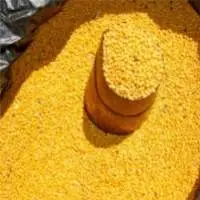
Premium Quality Yellow Mustard Seeds, A

$620 - $990 / Metric Ton (FOB)
MOQ: 20  Metric Tonnes
Sample Available
Supplier From Mumbai, Maharashtra, India
 Inquire Now  
Yellow Mustard Seeds-Specifications
Parameter Typical Specification
Product Yellow Mustard Seeds
Botanical Name Sinapis alba
Type Whole Seeds
Color Yellow to Pale Yellow
Purity 99% Min.
Moisture 7-8% Max.
Foreign Matter 1% Max.
Admixture 1% Max.

Yellow Mustard Seeds - Advantages
Rich in Natural Nutrients: Contains protein, dietary fiber, minerals, and naturally occurring plant compounds.
Distinctive Flavor: Provides a mild, pungent, and characteristic mustard taste.
Source of Healthy Fats: Naturally contains unsaturated fatty acids.
Versatile Ingredient: Used in spice blends, pickles, sauces, dressings, marinades, and food processing.
Oil Production: Suitable for extraction of mustard oil for culinary and industrial applications.
Good Storage Stability: Properly cleaned and dried seeds can be stored and transported efficiently.
Export Suitable: Available in bulk quantities with customized cleaning, grading, and packaging
GOLD Member
Jul-25-17

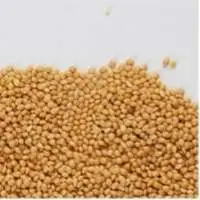
Premium Quality Export Grade Yellow Millets, A

$300 - $400 / Metric Ton (FOB)
MOQ: 20  Metric Tonnes
Sample Available
Supplier From Mumbai, Maharashtra, India
 Inquire Now  
Yellow Millet - Specifications
Parameter Typical Specification
Product Yellow Millet
Type Whole Grain
Color Natural Yellow to Golden Yellow
Appearance Clean, mature and uniform grains
Purity 98-99% Min.
Moisture 12% Max.
Foreign Matter 1% Max.

Yellow Millet -Advantages
Rich in Dietary Fiber: Helps support healthy digestion and satiety.
Good Source of Plant Protein: Suitable for vegetarian and plant-based food products.
Naturally Gluten-Free: Appropriate for gluten-free food formulations when processed without cross-contamination.
Nutrient-Rich Grain: Provides naturally occurring minerals, vitamins, and other nutrients.
Versatile Food Ingredient: Used in flour, porridge, cereals, snacks, bakery products, and traditional foods.
Good Energy Source: Provides complex carbohydrates suitable for everyday food applications.
Suitable for Health-Focused Products: Can be incorporated into nutritious and multigrain food formulations.
GOLD Member
Jul-25-17

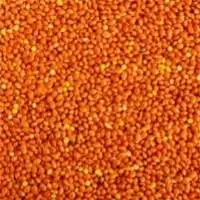
Premium Quality Export Grade Red Millets, A

$260 - $350 / Metric Ton (FOB)
MOQ: 20  Metric Tonnes
Sample Available
Supplier From Mumbai, Maharashtra, India
 Inquire Now  
Red Millet -Specifications
Parameter Typical Specification
Product Red Millet
Type Whole Grain
Color Reddish / Red-Brown
Appearance Clean, mature and uniform grains
Moisture 12% Max.
Purity 98-99% Min.

Red Millet- Advantages
Rich in Dietary Fiber: Supports digestive health and helps promote satiety.
Good Source of Plant Protein: Suitable for vegetarian and plant-based food formulations.
Nutrient-Dense Grain: Naturally provides minerals and other essential nutrients.
Gluten-Free: Suitable for gluten-free food applications when handled in a controlled gluten-free environment.
Antioxidant Content: Naturally contains various beneficial plant compounds.
Versatile Ingredient: Can be used for flour, porridge, bakery products, snacks, breakfast foods, and traditional preparations.
Suitable for Health-Focused Foods: Increasingly used in nutritious cereals, multigrain blends, and functional food products.
GOLD Member
Jul-25-17

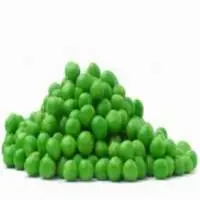
Premium Quality Export Grade Green Peas, A

$300 - $520 / Metric Ton (FOB)
MOQ: 20  Metric Tonnes
Sample Available
Supplier From Mumbai, Maharashtra, India
 Inquire Now  
Green Peas -Specifications
Parameter Typical Specification
Product Green Peas
Type Fresh / Frozen / Dried
Color Natural Bright Green
Size Small / Medium / Large, as required
Appearance Whole, clean and sound
Taste Naturally sweet, characteristic
Odor Fresh and characteristic

Green Peas - Advantages
Rich in Plant Protein: Provides a valuable source of plant-based protein for food applications.
High in Dietary Fiber: Supports digestive health and contributes to a feeling of fullness.
Good Source of Nutrients: Contains vitamins, minerals, and naturally occurring antioxidants.
Versatile Food Ingredient: Suitable for frozen, canned, dried, processed, and ready-to-cook food products.
Natural Green Color: Provides attractive appearance in soups, curries, rice dishes, snacks, and mixed vegetables.
Convenient Processing: Can be supplied according to requirements for retail, foodservice, and industrial processing.
Export Friendly: Available in bulk packaging and suitable for international food distribution.
GOLD Member
Jul-25-17

Premium Quality Export Grade Flax Seeds, A

$650 - $980 / Metric Ton (FOB)
MOQ: 20  Metric Tonnes
Sample Available
Supplier From Mumbai, Maharashtra, India
 Inquire Now  
Flax Seeds-Specifications
Parameter Typical Specification
Product Flax Seeds / Linseeds
Botanical Name Linum usitatissimum
Types Brown Flax Seeds, Golden Flax Seeds
Form Whole Seeds
Color Brown, Golden Yellow

Flax Seeds -Advantages
Rich in Omega-3: Naturally contains alpha-linolenic acid (ALA), an essential plant-based omega-3 fatty acid.
High in Dietary Fiber: Supports incorporation into fiber-rich food products.
Plant-Based Protein: Provides a useful source of plant protein for food formulations.
Natural Nutritional Profile: Contains lignans and other naturally occurring compounds.
Versatile Ingredient: Used in bakery products, cereals, granola, smoothies, nutritional foods, and oil production.
Export-Friendly: Available as whole seeds, brown flax seeds, golden flax seeds, or cleaned and graded varieties.
Good Shelf Stability: Properly cleaned, dried, and packaged seeds can be stored under suitable conditions.
37589 Cloning Services Suppliers
Short on time? Let Cloning Services sellers contact you.
GOLD Member
Jul-25-17
Supplier From Mumbai, Maharashtra, India
 Inquire Now  
Turmeric is one of nature's most powerful healers. The active ingredient in turmeric is curcumin. Tumeric has been used for over 2500 years in India, where it was most likely first used as a dye.
The medicinal properties of this spice have been slowly revealing themselves over the centuries. Long known for its anti-inflammatory properties, recent research has revealed that turmeric is a natural wonder, proving beneficial in the treatment of many different health conditions from cancer to Alzheimer's disease.
Here are 20 reasons to add turmeric to your diet:
1. It is a natural antiseptic and antibacterial agent, useful in disinfecting cuts and burns.
2. When combined with cauliflower, it has shown to prevent prostate cancer and stop the growth of existing prostate cancer.
3. Prevented breast cancer from spreading to the lungs in mice.
4. May prevent melanoma and cause existing melanoma cells to commit suicide.
5. Reduces the risk of childhood leukemia.
6. Is a natural liver detoxifier.
7. May prevent and slow the progression of Alzheimer's disease by removing amyloyd plaque buildup in the brain.
8. May prevent metastases from occurring in many different forms of cancer.
9. It is a potent natural anti-inflammatory that works as well as many anti-inflammatory drugs but without the side effects.
10. Has shown promise in slowing the progression of multiple sclerosis in mice.
11. Is a natural painkiller and cox-2 inhibitor.
12. May aid in fat metabolism and help in weight management.
13. Has long been used in Chinese medicine as a treatment for depression.
14. Because of its anti-inflammatory properties, it is a natural treatment for arthritis and rheumatoid arthritis.
15. Boosts the effects of chemo drug paclitaxel and reduces its side effects.
16. Promising studies are underway on the effects of turmeric on pancreatic cancer.
17. Studies are ongoing in the positive effects of turmeric on multiple myeloma.
18. Has been shown to stop the growth of new blood vessels in tumors.
19. Speeds up wound healing and assists in remodeling of damaged skin.
20. May help in the treatment of psoriasis and other inflammatory skin conditions.
GOLD Member
Jul-25-17
Supplier From Mumbai, Maharashtra, India
 Inquire Now  
Capsicum Oleoresin is prepared by extracting the crushed capsicum (Capsicum Annum Linn) with volatile solvents by percolation method. It contains the pungent principles, capsicin not less that 8 percent. It also contains the red colouring matter called Capsanthin. This product is a powerful irritant and a carminative, which is also used as a counter irritant in lumbago and neuralgia. It can also be used to treat stomach ache that involves poorly functioning stomach muscles and as an antibacterial agents.
Extraction of oleoresin capsicum from peppers involves finely ground capsicum, from which capsaicin is extracted in an organic solvent such as ethanol. The solvent is then evaporated, and the remaining wax like resin is the oleoresin capsicum. An emulsifier such as propylene glycol is used to suspend the OC in water, and pressurized to make it aerosol in pepper spray. The high performance liquid chromatography (HPLC) method is used to measure the amount of capsaicin within pepper sprays. Scoville Heat Units (SHU) are used to measure the concentration or "heat" of pepper spray.
A synthetic analogue of capsaicin, pelargonic acid vanillylamide (desmethyldihydrocapsaicin), is used in another version of pepper spray known as PAVA spray which is used in the United Kingdom. Another synthetic counterpart of pepper spray, pelargonic acid morpholide, was developed and is widely used in Russia. Its effectiveness compared to natural pepper spray is unclear.
Pepper spray typically comes in canisters, which are often small enough to be carried or concealed in a pocket or purse. Pepper spray can also be bought concealed in items such as rings. There are also pepper spray projectiles available, which can be fired from a paintball gun. It has been used for years against demonstrators.
Derived from chilli peppers, oleoresin capsicum is the active ingredient in pepper spray and in some topical pain relievers.
GOLD Member
Jul-25-17
Supplier From Mumbai, Maharashtra, India
 Inquire Now  
Ginger root
Botanical name: Zingiber officinale Linn.
Family: Zingiberaceae.
Ginger oil and oleoresins are the volatile oil derived by steam distillation of ginger and oleoresin. It is obtained by percolating the powdered rhizomes of Ginger, Zingiber officinale with volatile solvents. Ginger contains 1-2 percent of volatile oil, 5-8 percent of pungent acrid oleoresin and starch. Zingiberene is the chief constituent in the oil of ginger. Oil is employed for flavoring all kinds of food products and confectionary and finds limited use in perfumery. Oleoresin, commercially called Gingerin contains pungent principles viz. gingerol and shogaol apart from the volatile oil of ginger and is used as an aromatic, carminative, stomachic and as a stimulant.

Oleoresin from ginger is obtained conventionally by extraction of dried powdered ginger with organic solvents like ethyl acetate, ethanol or acetone. Commercial dried ginger yields 3.5-10.0 per cent oleoresin. Ginger oleoresin is a dark brown viscous liquid responsible for the flavour and pungency of the spice.

Ginger of commerce or `Adrak` is the dried underground stem or rhizome of the plant, which constitutes one of the five most important major spices of India, standing third or fourth, competing with chillies, depending upon fluctuations in world market prices, world market demand and supply position.
Ginger, like cinnamon, clove and pepper, is one of the most important and oldest spices. It consists of the prepared and sun dried rhizomes known in trade as `hands` and `races` which are either with the outer brownish cortical layers (coated or unscraped), or with outer peel or coating partially or completely removed.
Ginger requires a warm and humid climate. It is cultivated from sea level to an altitude of 1500 meters, either under heavy rainfall conditions of 150 to 300 cm or under irrigation. The crop can thrive well in sandy or clayey loam or lateritic soils.
The composition of dry ginger is given below:
Dry Ginger rootMoisture:6.9 %
Protein:8.6 %
Fat:6.4 %
Fiber:5.9 %
Carbohydrates:66.5 %
Ash:5.7 %
Calcium:0.1 %
Phosphorous:.15 %
Iron:0.011 %
Sodium:0.03 %
Potassium:1.4 %
Vitamin A:175 I.U./100 g
Vitamin B1:0.05 mg/100 g
Vitamin B2:0.13 mg/100 g
Niacin:1.9 mg/100 g
Vitamin C:12.0 mg/100 g
Calorific value:380 calories/100 g.
Ginger Oleoresin is obtained by extraction of powdered dried ginger with suitable solvents like alcohol, acetone etc. Unlike volatile oil, it contains both the volatile oil and the non-volatile pungent principles for which ginger is so highly esteemed. Concentration of the acetone extract under vacuum and on complete removal of even traces of the solvent used, yields the so called oleoresin of ginger. Ginger oleoresin is manufactured on a commercial scale in India and abroad and is in great demand by the various food industries.
GOLD Member
Jul-28-17
Supplier From Mumbai, Maharashtra, India
 Inquire Now  
The manufacture of both granulated and powdered garlic is the same, except for the grinding or powdering process. Granulated garlic is coarse while garlic powder is ground extra fine.

Whole cloves of garlic are peeled, cleaned and then sent into a machine that slices and chops them into smaller sections. The sections are dried in slow ovens for three to four hours. When the garlic has cooled it is ground to the desired consistency, be it granulated or powdered. The finished products are put through sifters to separate any debris or undesirable pieces. Both are packaged in air-tight containers and stored in a cool, dry place.

Granulated and powdered garlic are used to season and enhance the flavor of many foods. Often it is an appropriate substitute when fresh garlic is called for in a recipe. Powdered garlic dissolves almost instantly when incorporated into any dish, hot or cold. Granulated garlic takes a few minutes to become incorporated and release its flavor.

We can offer Garlic Granules in 0.5mm to 1.0mm, 40/60 mesh, 26/40 mesh
- 20 FCL: 10 Mt (Flakes/Cloves), 14-15 Mt (Minced/Granules/Powder)
- 40 FCL H/C: 20 Mt (Flakes/Cloves), 25-30 Mt (Minced/Granules/Powder)

Product Packing
- 12.5/13/14 Kg Paper Bag inside 1 Poly Bag
- 20/25 Kg Cartoon inside 1/2 Poly Bag
- 20/25 Kg Cartoon inside 1/2 Aluminium Foil Bag

Our range includes:

- Dehydrated Garlic Flakes/Cloves (5-10mm)
- Dehydrated Garlic Minced (1-3mm, 3-5mm)
- Dehydrated Garlic Granules (G1, G2, G3)
- Dehydrated Garlic Powder (80-100 mesh)
-
GOLD Member
Jul-25-17
Supplier From Mumbai, Maharashtra, India
 Inquire Now  
Herbal/folk tradition - Onion has an ancient reputation as a curative agent, highly extolled by the schools of Galen and Hippocrates. It is high in vitamins A, B and C and shares many of the properties of garlic, to which it is closely related. Raw onion helps keep colds and infections at bay, promotes strong bones and a good blood supply to all tissues. It acts as an effective blood cleanser that, along with the sulfur it contains, helps to keep the skin clear and in good condition. It has a sound reputation for correcting glandular imbalance and weight problems; it also improves lymphatic drainage, which is often responsible for edema and puffiness. It has long been used as a home simple for a wide range of conditions.
Aromatherapy/home use-- Non, due to its offensive smell.
Other uses -- used in some pharmaceutical preparations for colds, coughs. The oil is used extensively in most major food categories, especially meats, savories, salad dressings, as well as alcoholic and soft drinks. It is not used in perfumery work.
Distribution -- native of Western Asia and the Middle East; it has a long history of cultivation all over the world, mainly for culinary use. The essential oil is produced mainly in France, Germany and Egypt from the red onion.
Extraction -- essential oil by steam distillation from the bulb.
Characteristics -- a pale yellow or brownish-yellow mobile liquid with strong, unpleasant, sulfur odor with a tear producing effect.
Actions -- anthelmintic, anti-microbial, antirheumatic, antiseptic, antisclerotic, antispasmodic, antiviral, antibacterial, carminative, depurative, digestive, diuretic, expectorant, fungicidal, hypocholesterolemic, hypoglycemic, hypotensive, stomachic, tonic, vermifuge.
GOLD Member
Jul-28-17
Supplier From Mumbai, Maharashtra, India
 Inquire Now  
One of the initial oil seeds known to humankind, sesame seeds have been widely employed in culinary as well as in traditional medicines for their nutritive, preventive, and curative properties. Sesame is an important source of phyto-nutrients such as omega-6 fatty acids, flavonoid phenolic anti-oxidants, vitamins, and dietary fiber with potential anti-cancer as well as health promoting properties.

Sesame plant is a tall annual herb in the Pedaliaceae family, which grows extensively in Asia, particularly in Burma, China, and India. It is also one of the chief commercial crops in Nigeria, Sudan and Ethiopia. Scientific name: Sesamum indicum.

Flavorful, crunchy sesame seeds are widely considered as healthy foods. 100 grams of seeds carry 573 calories. Although, much of its calorie comes from fats, sesame contains several notable health-benefiting nutrients, minerals, antioxidants and vitamins.

The seeds are especially rich in mono-unsaturated fatty acid, oleic acid, which comprises of up to 50% of fatty acids in them. Oleic acid helps lower LDL or "bad cholesterol" and increases HDL or "good cholesterol" in the blood. Research studies suggest that Mediterranean diet which is rich in mono-unsaturated fats may help prevent coronary artery disease, and stroke by favoring healthy serum lipid profile.
GOLD Member
Jul-28-17
Supplier From Mumbai, Maharashtra, India
 Inquire Now  
Fennel is an aromatic and flavorful herb that has several culinary as well as medicinal uses. If it is not in your kitchen cupboard right now, you’ll want to put it on your grocery list and make it a household staple after learning more about it.

In addition to its popular use as a breath freshener, it helps relieve a number of ailments and facilitates better health due to its stomachic, carminative, antispasmodic, anti-inflammatory, antimicrobial, expectorant, diuretic, emmenagogue, depurative, anticarcinogenic and antioxidant properties.
GOLD Member
Jul-28-17
Supplier From Mumbai, Maharashtra, India
 Inquire Now  
Coriander seeds have a health-supporting reputation that is high on the list of the healing spices. In parts of Europe, coriander has traditionally been referred to as an "anti-diabetic" plant. In parts of India, it has traditionally been used for its anti-inflammatory properties. In the United States, coriander has recently been studied for its cholesterol-lowering effects.

Coriander is known all over the world for its medicinal properties. It is a great source of potassium, iron, vitamins A, K, and C, folic acid, magnesium, and calcium that can heal many health issues.
GOLD Member
Jul-25-17
Supplier From Mumbai, Maharashtra, India
 Inquire Now  
Nutmeg
Myristica fragrans
Fam: Myristicaceae
The nutmeg tree is a large evergreen native to the Moluccas (the Spice Islands) and is now cultivated in the West Indies. It produces two spices — mace and nutmeg. Nutmeg is the seed kernel inside the fruit and mace is the lacy covering (aril) on the kernel.
The Arabs were the exclusive importers of the spice to Europe up until 1512, when Vasco de Gama reached the Moloccas and claimed the islands for Portugal. To preserve their new monopoly, the Portuguese (and from 1602, the Dutch) restricted the trees to the islands of Banda and Amboina. The Dutch were especially cautious, since the part of the fruit used as a spice is also the seed, so that anyone with the spice could propagate it. To protect against this, the Dutch bathed the seeds in lime, which would prevent them from growing. This plan was thwarted however, by fruit pigeons who carried the fruit to other islands, before it was harvested, scattering the seeds. The Dutch sent out search and destroy crews to control the spread and when there was an abundant harvest, they even burned nutmeg to keep its supply under control. Despite these precautions, the French, led by Pierre Poivre (Peter Piper) smuggled nutmeg seeds and clove seedlings to start a plantation on the island of Mauritius, off the east coast of Africa, near Madagascar. In 1796 the British took over the Moloccas and spread the cultivation to other East Indian islands and then to the Caribbean. Nutmeg was so successful in Grenada it now calls itself the Nutmeg Island, designing its flag in the green, yellow and red colours of nutmeg and including a graphic image of nutmeg in one corner.
Spice Description
The nutmeg seed is encased in a mottled yellow, edible fruit, the approximate size and shape of a small peach. The fruit splits in half to reveal a net-like, bright red covering over the seed. This is the aril which is collected, dried and sold as mace. Under the aril is a dark shiny nut-like pit, and inside that is the oval shaped seed which is the nutmeg. Nutmegs are usually sold without the mace or hard shell. They are oval, about 25 mm (1 in) in length, lightly wrinkled and dark brown on the outside, lighter brown on the inside. Nutmeg is sold whole or ground, and is labeled as ‘East Indian’ or ‘West Indian’ indicating its source. Whole nutmeg may be coated with lime to protect against insects and fungus, though this practice is giving way to other forms of fumigation.
Bouquet:sweet, aromatic and nutty
Flavour : Nutty , warm and slightly sweet
Hotness Scale: 1
GOLD Member
Jul-28-17

Nutmeg

MOQ: Not Specified
Supplier From Mumbai, Maharashtra, India
 Inquire Now  
Nutmeg and mace spice contains many plant-derived chemical compounds that are known to have been anti-oxidant, disease preventing, and health promoting properties.

The spicy nut contains fixed oil trimyristin and many essential volatile oils such as which gives a sweet aromatic flavor to nutmeg such as myristicin, elemicin, eugenol and safrole. The other volatile-oils are pinene, camphene, dipentene, cineole, linalool, sabinene, safrole, terpeniol.

The active principles in nutmeg have many therapeutic applications in many traditional medicines as anti-fungal, anti-depressant, aphrodisiac, digestive, and carminative functions.

This spice is a good source of minerals like copper, potassium, calcium, manganese, iron, zinc and magnesium. Potassium is an important component of cell and body fluids that helps control heart rate and blood pressure. Manganese and copper are used by the body as co-factors for the antioxidant enzyme, superoxide dismutase. Iron is essential for red blood cell production and as a co-factor for cytochrome oxidases enzymes.

It is also rich in many vital B-complex vitamins, including vitamin C, folic acid, riboflavin, niacin, vitamin A and many flavonoid anti-oxidants like beta-carotene and cryptoxanthin that are essential for optimum health.
GOLD Member
Jul-28-17
Supplier From Mumbai, Maharashtra, India
 Inquire Now  
White pepper (Piper nigrum) is a flowering vine in the family Piperaceae. Black and white peppercorns are both the fruit of the pepper plant, but they are processed differently. Black peppercorns are picked when almost ripe and sun-dried, turning the outer layer black. White pepper is prepared by having the outer layer removed before or after drying, leaving only the inner seed. Peppercorns are widely believed to the most commonly used culinary spice in the world. It has been used throughout history in herbal medicine and to preserve food.

White pepper may aid in digestion.
White pepper can assist in energy production and antioxidant defense.
White pepper may improve dental health.
White pepper may help skin conditions.
White pepper may help with weight loss.
White pepper is helpful for improving bone health.
GOLD Member
Jul-25-17
Supplier From Mumbai, Maharashtra, India
 Inquire Now  
Botanical Name: Piper nigrum
Plant Family: Piperaceae
Country of Origin: India
Plant Part: White Peppercorns
Growth Method: Wild Harvest
Extraction Method: Steam Distillation
Color: Clear
Consistency: Thin
Strength of Aroma: Medium
Pepper is a perennial vine of the Piperaceae family indigenous to the Malbar coast of India. It is now cultivated in most tropical parts of the world. Pepper bears clusters of small flowers and small spherical fruits that turn red when they ripen. The berry-like fruits eventually become the peppercorns, and each one bears a single seed. The hot spice of White Pepper is made from its berries. It is the fully mature fruits from which the soft, fleshy outer layers had been ground off before drying.
The berries of the pepper plant are called peppercorns and these plants are native to southern Asia. This plant was the main spice the European explorers were looking for when they discovered the New World. It still accounts for one fourth of the spice trade in the world.
Did you know that white and black pepper come from the same plant? The white variety is allowed to fully ripen on the vine, as opposed to the black peppercorns, which is why it costs a bit more. The skins are peeled off and the inside of the peppercorn is white. White peppercorns have an earthy flavor whereas black peppercorns simply give heat to a dish.
The white ones are popular in Mexican, Indian, and Asian dishes, perhaps because a lot of these recipes are spicy and earthy already and the white pepper complements the overall flavor of the dish. If you want to use white pepper, it is best to buy whole peppercorns because the flavor is longer lasting. Peppercorns start to lose their potency when you grind them, which is why freshly ground pepper is usually recommended.
GOLD Member
Jul-26-17
Supplier From Mumbai, Maharashtra, India
 Inquire Now  
Black pepper and white pepper are made from the Piper nigrum plant. Black pepper is ground from dried, whole unripe fruit. White pepper is ground from dried, ripe fruit that has had the outer layer removed. The black pepper and white pepper powder are used to make medicine.

In foods and beverages, black pepper, white pepper, and pepper oil (a product distilled from black pepper) are used as flavoring agents.

We can offer Black Pepper MG1, TGSEB, A55, Grade 1, Special Grade 1, FAQ, 500-550-600 gl
We can offer Black Pepper from India, Vietnam, Sri Lanka, and Indonesia.
GOLD Member
Jul-25-17
Supplier From Mumbai, Maharashtra, India
 Inquire Now  
Black Pepper Oleoresin
Botanical: Piper nigrum
Family: N.O. Piperaceae
Hindi Name: Gol Mirch
General Description: The best Pepper of commerce comes from Malabar. Pepper is mentioned by Roman writers in the fifth century. The plant can attain a height of 20 or more feet, but for commercial purposes it is restricted to 12 feet. The plant is propagated by cuttings and grown at the base of trees with a rough, prickly bark to support them. Between three or four years after planting they commence fruiting and their productiveness ends about the fifteenth year. The berries are collected as soon as they turn red and before they are quite ripe; they are then dried in the sun.
Geographical Sources: Black pepper is native to Malabar, a region in the Western Coast of South India; part of the union state Kerala. It is also grown in Malaysia and Indonesia since about that time when it was found in the Malabar Coast. In the last decades of the 20th century, pepper production increased dramatically as new plantations were founded in Thailand, Vietnam, China and Sri Lanka. The most important producers are India and Indonesia, which together account for about 50% of the whole production volume
History/Region of Origin: In South India wild, and in Cochin-China; also cultivated in East and West Indies, Malay Peninsula, Malay Archipelago, Siam, Malabar, etc.
Varieties -> in trade, the pepper grades are identified by their origin. In India -> The most important Indian grades are Malabar and Tellicherry (Thalassery). The Malabar grade is regular black pepper with a slightly greenish hue, while Tellicherry is a special product. Both Indian black peppers, but especially the Telicherry grade, are very aromatic and pungent. In the past, Malabar pepper was also traded under names like Goa or Aleppi. Cochin is the pepper trade center in India.
In South East Asia, the most reputated proveniences for black pepper are Sarawak in Malaysia and Lampong from Sumatra/Indonesia. Both produce small-fruited black pepper that takes on a greyish colour during storage; both have a less-developed aroma, but Lampong pepper is pretty hot. Sarawak pepper is mild and often described fruity.
Description: Oleoresin Black Pepper is the natural extract of dried tender berries of Piper Nigrum Linn of family Piperaceae.
Manufacturing Process: It is obtained by the solvent extraction of Black Pepper and the solvent traces are removed by distilling it in vacua at controlled temperature.
Physical Appearance: It is a yellowish brown viscous liquid with pungent slightly biting aroma of Black Pepper.
GOLD Member
Jul-25-17
 Inquire Now  
Sweet marjoram: Origanum (O) hortensis (orMajoranahortensis).
Potmarjoram: O.onites
Wildmajoram: O.vulgare.
Syrian majoram is called zatar
Family: Labiatae or Lamiaceae (mint family).
In Europe, marjoram was a traditional symbol of youth and romantic love. Used by Romans as an aphrodisiac, it was used to cast love spells and was worn at weddings as a sign of happiness during the middle Ages. Greeks who wore marjoram wreaths at weddings called it “joy of the mountains.” It was used to brew beer before hops was discovered, and flavored a wine called hippocras. A cousin of the oregano family, marjoram originated in Mediterranean regions and is now a commonly used spice in many parts of Europe. Called zatar in the Middle east and often mistaken for oregano, it is also a popular spicing in Eastern Europe.
Origin and Varieties
Marjoram is indigenous to northern Africa and southwest Asia. It is cultivated around the Mediterranean, in England, Central and Eastern Europe, South America, the United States, and India.
Description
Marjoram leaf is used fresh, as whole or chopped, and dried whole or broken, and ground. The flowering tops and seeds, which are not as strong as the leaves, are also used as flavorings. Sweet marjoram is a small and oval-shaped leaf. It is light green with a greyish tint. Marjoram is fresh, spicy, bitter, and slightly pungent with camphor like notes. It has the fragrant herbaceous and delicate, sweet aroma of thyme and sweet basil. Pot marjoram is bitter and less sweet.
Chemical Components
Sweet marjoram has 0.3% to 1% essential oil, mostly monoterpenes. It is yellowish to dark greenish brown in color. It mainly consists of cis-sabinene hydrate (8% to 40%), -terpinene (10%), a-terpinene (7.6%), linalyl acetate (2.2%), terpinen 4-ol (18% to 48%), myrcene (1.0%), linalool (9% to 39%), -cymene (3.2%), caryophyllene (2.6%), and a-terpineol (7.6%). Its flavor varies widely depending on its origins. The Indian and Turkish sweet marjorams have more d-linalool, caryophyllene, carvacrol, and eugenol. Its oleoresin is dark green, and 2.5 lb. are equivalent to 100 lb. of freshly ground marjoram. Marjoram contains calcium, iron, magnesium, phosphorus, potassium, sodium, vitamin A, vitamin C, and niacin.
Culinary uses of Marjoram
Marjoram is typically used in European cooking and is added to fish sauces, clam chowder, butter-based sauces, salads, tomato-based sauces, vinegar, mushroom sauces, and eggplant. In Germany, marjoram is called the “sausage herb” and is used with thyme and other spices in different types of sausages. It is usually added at the end of cooking to retain its delicate flavor or as a garnish. It goes well with vegetables including cabbages, potatoes, and beans. The seeds are used to flavor confectionary and meat products.
37589 Cloning Services Suppliers
Short on time? Let Cloning Services sellers contact you.
Explore Cloning Services related import export discussions