Please click here to check who's online and chat with them.

Find Verified Hydraulic Oil Suppliers, Manufacturers and Wholesalers

Top Supplier Cities : -   Stockholm   Sweden  
VERIFIED
Apr-27-23

Sunflower Oil

MOQ: 25000  Metric Tonnes
Supplier From Stockholm, Stockholms Lan, Sweden
 Inquire Now  
Sunflower oil is a type of vegetable oil that is extracted from the seeds of sunflowers It is a popular cooking oil due to its neutral taste high smoke point and relatively low saturated fat content Here are some of the general specifications for sunflower oil

Free fatty acid content 01 maximum
Peroxide value 10 meqkg maximum
Iodine value 118141
Unsaponifiable matter 15 maximum
Moisture and volatile matter 005 maximum
Impurities 01 maximum
Color Yellow
Flavor and odor Neutral
Smoke point 232C 450F
Sunflower oil is commonly used in cooking especially in highheat applications such as frying due to its high smoke point It is also used as a salad oil and as an ingredient in various prepared foods such as margarine and mayonnaise

Sunflower oil is a good source of vitamin E which is an antioxidant that can help protect cells from damage It is also relatively low in saturated fat compared to some other cooking oils which may make it a healthier choice for some people However it is important to note that like all oils sunflower oil is high in calories and should be used in moderation as part of a balanced diet
VERIFIED
Sep-12-23

Furnace Oil

MOQ: 25000  Metric Tonnes
Supplier From Stockholm, Stockholms Lan, Sweden
 Inquire Now  
Furnace oil, also known as fuel oil or heating oil, is a heavy petroleum-based product primarily used in industrial furnaces and boilers to generate heat. It's a residual product obtained after refining crude oil, making it one of the heavier products from the distillation process.

Primary Characteristics:

Appearance: Viscous liquid, typically dark brown or black.
Odor: Distinctive petroleum-based aroma.
Density: Heavier compared to light distillates like gasoline and diesel.
Sulfur Content: Can vary, but certain grades have a high sulfur content.

Specifications:
The quality and grade of furnace oil are often specified by standards such as ISO or regional standards. It's typically classified by its viscosity and sulfur content.

Applications:

Industrial Heating: Used in large furnaces, kilns, and boilers in various industries.
Power Generation: Some power plants operate on furnace oil, especially during peak demand or when other fuels are unavailable.
Marine: Older ships and certain marine vessels use furnace oil as a bunker fuel.

Advantages:

Cost-Effective: Often cheaper than other fuel types, especially in regions with abundant refineries.
High Energy Content: Its dense nature means it carries a significant amount of energy per unit.
Availability: Commonly available due to the vast global crude oil refining processes.
VERIFIED
Sep-12-23

Crude Oil

MOQ: 25000  Metric Tonnes
Supplier From Stockholm, Stockholms Lan, Sweden
 Inquire Now  
Crude oil, often simply called "crude," is an unrefined petroleum product composed of hydrocarbon deposits and other organic materials. It is a liquid found underground that can be refined to produce various fuels, including gasoline, diesel, and jet fuel, as well as other products like plastics and chemicals.

Classification:
Based on its specific gravity (API gravity) and sulfur content, crude oil can be classified into:

Light or Heavy: Determined by its API gravity with light crude oil being less dense and, therefore, more valuable than heavy crude oil.

Sweet or Sour: Based on its sulfur content. Sweet crude has less than 0.5% sulfur, while sour crude has a higher sulfur content.
Physical Characteristics:

Color varies from yellow to black.
Viscosity can range from water-like to thick and tar-like.
Distinctive odor, often pungent.

Applications:

Fuel Production: Main source for gasoline, diesel, kerosene, and jet fuel after refining.
Petrochemicals: Base for manufacturing chemicals, plastics, synthetic materials, and more.
Lubricants: Processed to produce motor oil, grease, and other lubricating products.
Asphalt: Used in road construction.

Storage & Handling:
Crude oil is typically stored in large tanks or transported in pipelines, tankers, or rail cars. Proper care is needed during transportation to prevent spills and environmental contamination.

Note: Crude oil's quality and characteristics can vary widely based on its geographical origin and the conditions under which it was formed. Before refining or using, a detailed analysis is usually performed to understand its composition and how best to process or utilize it.
Nov-17-20

Refined Palm Oil

$220
MOQ: 20  Metric Tonnes
Sample Available
Supplier From Trelleborg, Skane, Sweden
 Inquire Now  
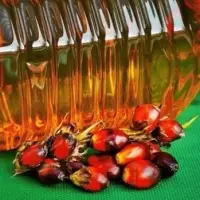
We are suppliers of premium quality refined cooking oil. We are highly expirienced in sourcing only the very best products from around the world.The quality of our products and competetitive prices makes us number 1 source for wholesale refined cooking oil.
VERIFIED
Sep-12-23

Lco (Light Cycle Oil)

MOQ: 25000  Metric Tonnes
Supplier From Stockholm, Stockholms Lan, Sweden
 Inquire Now  
Light Cycle Oil (LCO) is a secondary liquid product derived from the fluid catalytic cracking (FCC) process in refineries. This process breaks down larger hydrocarbon molecules from heavy gas oils into smaller, more valuable products like gasoline and diesel. LCO typically sits between diesel and heavy gas oil in terms of boiling range and weight.

Primary Characteristics:

Appearance: Typically amber to dark brown liquid.
Odor: Characteristic petroleum smell.
Density: Intermediate, falling between lighter distillates and heavier oils.
Sulfur Content: Can vary based on the feedstock and refining process, but often higher than diesel and gasoline.

Applications:

Blending Component: Frequently blended into diesel fuel to enhance volume, though this requires treating to meet emissions standards.
Feedstock: Used in hydrocracking and other refining processes to produce more valuable products, such as gasoline or diesel.
Industrial Burning: Some industries utilize LCO as a combustion fuel, though this is less common due to its higher sulfur content and potential emissions.

Advantages:

Versatility: Can be further processed or blended to meet various fuel product needs.
Economic Value: Provides an additional stream of revenue from the FCC process, maximizing the yield of a refinery.
Feedstock Potential: Offers refineries another option for producing lighter, more desirable products.
236 Hydraulic Oil Suppliers
Short on time? Let Hydraulic Oil sellers contact you.
VERIFIED
Jun-17-24

Organically Made Sunflower Oil

$450
MOQ: 24  Tons (UK)
Supplier From Uppsala, Uppsala, Sweden
 Inquire Now  
Buy Organically Made Sunflower Oil with Top Grade for Cooking Uses Oil Customized Size Packing Available
VERIFIED
Apr-27-23

Petcoke

MOQ: 25000  Metric Tonnes
Supplier From Stockholm, Stockholms Lan, Sweden
 Inquire Now  
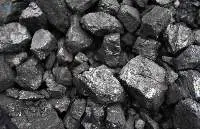
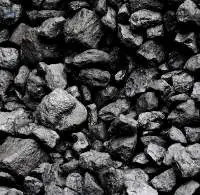
Petcoke, also known as petroleum coke, is a carbon-rich solid material that is produced during the refining of crude oil. The specifications of petcoke can vary depending on the type and source of crude oil, as well as the processing method used to produce it. However, here are some of the general specifications for petcoke:

- Carbon content: Typically ranges from 85% to 95%
- Sulfur content: Can range from less than 1% to over 7%
- Moisture content: Typically less than 5%
- Ash content: Can range from less than 1% to over 10%
- Volatile matter: Can range from less than 5% to over 20%
- Size: Can range from a fine powder to large chunks

Petcoke is primarily used as a fuel source in industrial processes, such as cement manufacturing, power generation, and steel production. It is a cheaper alternative to coal, and its high carbon content makes it an effective fuel for energy-intensive processes. However, its high sulfur content can contribute to air pollution and acid rain, so it is often subject to emissions regulations.

Petcoke is also used in the production of anodes for the aluminum smelting industry, as well as in the production of graphite electrodes for the steel industry. In addition, it is sometimes used as a source of carbon in the production of certain chemicals and materials.
VERIFIED
Sep-12-23

Bitumen

MOQ: 25000  Metric Tonnes
Supplier From Stockholm, Stockholms Lan, Sweden
 Inquire Now  
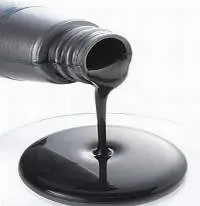
Bitumen, often referred to as asphalt, is a viscous, black, and sticky substance. It is a semi-solid form of petroleum and is primarily used as a binder in road construction. When mixed with aggregates, it forms asphalt concrete, the material commonly used for paving roads.

Primary Characteristics:

Appearance: Thick, black to dark brown substance.
Temperature Sensitivity: Becomes liquid when heated and returns to a semi-solid state upon cooling.
Water Resistance: Acts as a waterproofing agent, making it ideal for various sealing applications.
Adhesion: Excellent adhesive properties, allowing it to bind aggregates together effectively.

Grades & Types:
Bitumen comes in various grades, primarily determined by its viscosity and penetration value. Common types include:

Paving Grade Bitumen: Used in road construction.
Oxidized Bitumen: Produced by air blowing and has stiffer properties.
Cutback Bitumen: Bitumen diluted with solvents to reduce viscosity for specific applications.
Modified Bitumen: Bitumen altered with polymers to enhance its properties.

Applications:

Road Construction: Mainly used as a binder mixed with aggregates to pave roads.
Roofing: Used as a waterproofing agent in roofing felts.
Dams & Reservoirs: Acts as a waterproofing membrane.
Soundproofing: Used in soundproofing materials due to its insulating properties.

Advantages:

Durability: Offers a long-lasting paving solution, able to withstand various weather conditions.
Cost-effective: Provides a reliable and economical material for large-scale infrastructure projects.
Recyclable: Old bituminous roads can be reprocessed to produce new roads.
VERIFIED
Sep-12-23

Gasoil

MOQ: 25000  Metric Tonnes
Supplier From Stockholm, Stockholms Lan, Sweden
 Inquire Now  
Gasoil, often referred to as diesel oil or simply diesel, is a middle distillate derived from the crude oil refining process. It possesses properties between those of lighter fuels like gasoline and heavier fuels like lubricating oil. Gasoil is used as both a fuel and a processing element in various industries.

Primary Characteristics:

Appearance: Clear to slightly hazy, ranging in color from light straw to amber.
Odor: Characteristic petroleum smell.
Density: Varies based on specific grade and blend but generally denser than gasoline.
Cetane Number: Indicator of the combustion speed of diesel fuel and compression needed for ignition.

Specifications:
Gasoilâ??s quality and classification often adhere to standards set by organizations such as ASTM (American Society for Testing and Materials) or equivalent regional standards. Variations include Ultra-Low Sulfur Diesel (ULSD), Low Sulfur Diesel, and others.

Applications:

Automotive: Fuel for diesel-engine vehicles, such as trucks, buses, and cars.
Industrial: Used in various industrial machines and engines, including generators.
Marine: Fuel for certain types of marine vessels.
Heating: Used in some regions as heating oil for homes and businesses.
Power Generation: Fuel for diesel-powered electricity generators.

Advantages:

Energy Dense: Provides more energy per gallon compared to gasoline, leading to longer fuel economy in diesel engines.
Efficient: Diesel engines often convert fuel to energy more efficiently than their gasoline counterparts.
Reliable: Known for its durability and reliability in heavy-duty applications.
VERIFIED
Sep-12-23

Jet Fuel A1

MOQ: 42000000  Gallons (US)
Supplier From Stockholm, Stockholms Lan, Sweden
 Inquire Now  
Jet Fuel A1 is a specialized type of kerosene designed for use in aircraft powered by gasturbine engines It meets stringent international specifications ensuring optimal performance and safety for aviation applications

Primary Characteristics

Appearance Clear to strawcolored liquid
Odor Characteristic petroleum or kerosene odor
Density Typically around 080 kgl at 15C
Flash Point Minimum of 38C 100F
Freezing Point Maximum of 47C 53F

Specifications
Jet Fuel A1 adheres to the stringent international standards set by organizations like ASTM American Society for Testing and Materials and DEF STAN UKs Defence Standard

Applications

Civil Aviation Preferred fuel for commercial airlines and most civil aircraft
Military While some military aircraft use Jet Fuel A1 others might utilize specialized fuel blends

Advantages

Stability Resistant to thermal breakdown ensuring safe operations in hightemperature environments like jet engines
Purity Contains minimal contaminants reducing the risk of engine deposits
Low Freezing Point Suitable for highaltitude flying where temperatures can be extremely cold
VERIFIED
Apr-01-23

Lng

MOQ: 25000  Metric Tonnes
Supplier From Stockholm, Stockholms Lan, Sweden
 Inquire Now  
Gross Calorific Value (GCV) KWh/Nm3 11.131-12.647
LNG Density Kg/m3 430-478
Molecular Weight Kg/Kmol 16.52 - 18.88
Methane % mol 85.0 min 97.0 max

LNG stands for Liquefied Natural Gas, which is natural gas that has been cooled to a very low temperature (-162°C or -260°F) and condensed into a liquid state.

The process of liquefaction reduces the volume of natural gas by around 600 times, making it easier and more cost-effective to transport and store, particularly over long distances.

LNG is odorless, colorless, and non-toxic. It is typically transported in specialized cryogenic tanker ships, and upon reaching its destination, it can be regasified back into its gaseous state for distribution through pipelines to consumers.

LNG is used for a variety of purposes, including heating and electricity generation in residential, commercial, and industrial settings, as well as fuel for transportation, particularly in heavy-duty vehicles like trucks, ships, and buses.
VERIFIED
Apr-03-23

Lpg

MOQ: 25000  Metric Tonnes
Supplier From Stockholm, Stockholms Lan, Sweden
 Inquire Now  
Propane: 85% min. by liquid volume
Propylene: 5% max. by liquid volume
Butane & heavier HC: 2.5% max. by liquid volume
Sulfur: 120 ppm max. by weight

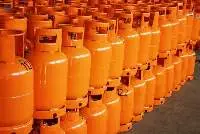
LPG stands for liquefied petroleum gas, also known as propane or butane. It is a flammable hydrocarbon gas that is commonly used as fuel for heating and cooking in homes, as well as for industrial applications, transportation, and agriculture.

LPG is a byproduct of crude oil refining and natural gas processing. It is a mixture of propane and butane gases, which are liquefied through pressurization and cooling. LPG is stored and transported in pressurized tanks and cylinders as a liquid, but when released into the atmosphere, it vaporizes into a gas.

LPG is a versatile fuel that has many advantages over other fossil fuels. It is clean-burning and produces fewer emissions than gasoline or diesel, making it a more environmentally friendly fuel option. It is also highly efficient, as it has a high energy content per unit volume, and can be easily transported and stored in liquid form.

LPG is widely used around the world, particularly in areas where natural gas pipelines are not available or where electricity is unreliable or expensive. It is commonly used in households for cooking and heating, and in vehicles as an alternative fuel to gasoline or diesel. LPG is also used in industrial applications such as manufacturing, agriculture, and chemical processing.
Oct-29-15
 Inquire Now  
Kattvik 3 seater sofa. Manufactured from European oak which has been treated with oil.

Length: 160 cm

Seat Depth: 46 cm

Seat Width: 149 cm

Seat Height: 44 cm

Backrest Width: 149 cm

Backrest Height: 49 cm
Sep-20-22

En Plus A1 Pellets

MOQ: 2000  Metric Tonnes
Sample Available
Supplier From Stockholm, Sweden
 Inquire Now  
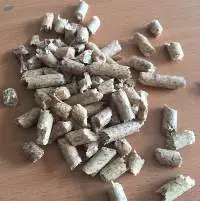
We can supply EnPlus A1 Pellets,
FOB Turkey

SPECIFICATION
EnPlus A1 (Light)
Size: 8 / 6 mm
Length: 5-30 mm
Ash content: Up to 0,3%
Dust: Present (<0.1%)
Light Color (light grey, grey, cream): darker than conifers
Density: 645 kg/m3
Humidity: N/A
Composition: Birch sawdust, without bark
Higher calorific value: 4729 (kcal/kg)
Net calorific value:4347 (kval/kg)
Packing: Bags 15 kg (+/- 5%)
Pallet: 66 / 65 bags (990 / 975 kg)
Sep-30-22

Copper Cathode

MOQ: 500  
Sample Available
Supplier From Stockholm, Sweden
 Inquire Now  
CIF Any port,
Min.-purity: 99.99%
Origin: on request/LOI
Port of loading: on request/LOI
Price: LME USD CASH PRICE STARTING FROM MINUS X% DISCOUNT DEPENDING ON QUANTITY
MOQ: 500MT/monthly
Payment Terms: CAD / DLC / SBLC MT760 COVERING THE VALUE OF THE DELIVERY.
The discount is subject to change, exact price discount will be provided in the FCO.

DIMENSIONS AND MASS:
1. Length-Approx 925mm
2. Width-Approx 950mm
3. Thickness-Approx Not Less Than 17mm
4. Weight-Approx 125Kgs (Minimum100 Kgs)

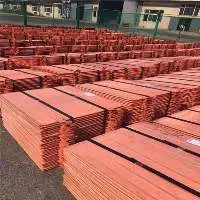
COPPER CATHODES
Min.-purity: 99.99%
Weight of each sheet: 125kgs+/-2%
Packing: palletized banded by aluminum bands
Net weight of each pallet: 2M/T+/-2%
Min. weight of each container: 20M/T approx.
Aug-31-22

Aluminium Ingot

MOQ: 3000  Metric Tonnes
Sample Available
Supplier From Stockholm, Sweden
 Inquire Now  
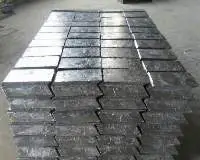
Aluminum Ingots Grade A7/A8, 99,5% Standard EN/AW 1050A
Origin: Russia

Chemical composition:
Alu 99.5%
Si <0.25%
Fe <0.40%
Zn <0.07%
Cu <0.25%
Mg <0.05%
Other each <0.05%
Other total <0.10%

Aluminum popular features: Lightweight, Strong, Resistant to corrosion,
Durable, Ductile, Malleable, Conductive, Odorless

Monthly quantity at least 3.000 MT.
Best price over 5.000 MT monthly.
Selling price: on request/LOI

Minimum Order Size and Packgaing details :
Bulk in tanker vessels.
Tanks 20 MT.
Jul-09-22

Urea

MOQ: 25000  Metric Tonnes
Sample Available
Supplier From Stockholm, Sweden
 Inquire Now  
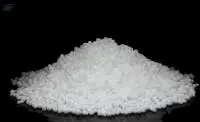
UEAR 46.2% N, concentrated nitrogen fertilizer available as free-flowing granules.

Key Specifications/Special Features :
- Empirical Formula - (H2N-CO-NH2),
- Nitrogen - 46 % min;
- Moisture - 0.5 max; 0,3% dryer;
- Color - Pure White;
- Granulation: 1-4 mm - > 97%; lesser than 1 mm - Absence.

We have available quantities in port ready to be shipped from three destinations: FOB Rotterdam, Netherland, FOB Port Novorossiysk, Russia or CIF Port Mersin, Turkey.
VERIFIED
Sep-12-23

Sulphur

MOQ: 25000  Metric Tonnes
Supplier From Stockholm, Stockholms Lan, Sweden
 Inquire Now  
Sulphur is a bright yellow naturally occurring element with the symbol S and atomic number 16 Its a versatile and essential material used in various industrial applications due to its reactive and unique properties

Primary Characteristics

Appearance Bright yellow crystalline solid in its elemental form
Odor Typically odorless but when burned it produces a characteristic rotten egg smell due to the formation of sulphur dioxide
Solubility Insoluble in water but soluble in carbon disulphide and other nonpolar solvents
Melting Point 11521C 23938F

Forms Grades
Sulphur can be found in various forms and grades including

Elemental Sulphur Typically extracted from natural gas and oil
Agricultural Sulphur Finegrade sulphur used in agriculture to adjust soil pH
Pharmaceutical Grade Ultrapure sulphur for medical applications

Applications

Chemical Industry Key ingredient in the manufacture of sulphuric acid the most widely produced industrial chemical
Agriculture Used as a soil conditioner and as a component in certain fertilizers
Pharmaceuticals An ingredient in some skin treatments particularly for conditions like acne and dandruff
Rubber Industry Used in vulcanization a process that hardens rubber
Pulp Paper Industry Used in the Kraft process to break down wood components
Advantages

Essential for Life An important element for all living cells playing a crucial role in the functionality of vitamins enzymes and amino acids
Industrial Utility Forms the backbone of numerous chemical reactions and processes
Environmental Role Used in flue gas desulphurization to reduce sulphur emissions from power plants

Note When procuring or using sulphur its essential to specify the desired grade or form to ensure suitability for the intended application
VERIFIED
Sep-28-23

Chicken Paws

MOQ: 2700  Metric Tonnes
Supplier From Stockholm, Stockholms Lan, Sweden
 Inquire Now  
Description

Product Chicken Paws Frozen
Origin Brazil
Grade A

Physical Characteristics

Clean fresh and white appearance
Outer yellow skin removed
No feathers
No bad odor or off smell
No blood or blood stains
No black spots bruises or burns
No broken bones less than 3
Nails intact and clean
No excessive water or moisture

Size

Average length 78 cm or as per requirement
Average weight 2030 grams per piece or as per requirement

Processing

Thoroughly washed and cleaned
No ammonia or chemical burns
Moisture content Less than 5

Microbiological Standards

Salmonella Negative in 25g sample
E Coli Negative in 25g sample
Other pathogenic bacteria Negative

Packaging

Packed in 10 kg or 20 kg cartons or as specified by the buyer
Poly bags inside
Storage temperature 18C or below

Shelf Life

24 months from the production date when stored at 18C or colder

Certifications

Halal if applicable
Health Certificate
Certificate of Origin
Any other certifications as required by the importing country

Prohibited Substances

No added hormones
No antibiotics
No preservatives or artificial colors

Additional Notes

All chickens from which the paws are harvested should be fit for human consumption and must be processed in facilities that are inspected and approved by the relevant authorities
Production and processing should be in compliance with international food safety standards such as ISO 22000 HACCP etc
VERIFIED
Sep-28-23
Supplier From Stockholm, Stockholms Lan, Sweden
 Inquire Now  
Description

Product Chicken Feet Frozen
Origin Brazil
Grade A

Physical Characteristics

Clean and fresh
No yellow skin or nails
No feathers
No bad smell
No blood or blood stains
No black spots or bruises
No broken bones less than 5
No excessive water

Size

Average length 1215 cm or as per requirement
Average weight 3545 grams per piece or as per requirement

Processing

Well washed and cleaned
White skin outer yellow skin off
Ammonia burns None
Chemical burns None
Moisture content Less than 3

Microbiological Standards

Salmonella Negative
E Coli Negative
Other pathogenic bacteria Negative

Packaging

Packed in 10 kg or 20 kg cartons or as specified by the buyer
Poly bags inside
Storage temperature 18C or below

Shelf Life

24 months from the production date when stored at 18 C or colder

Certifications

Halal if applicable
Health Certificate
Certificate of Origin
Any other certifications as required by the importing country

Prohibited Substances

No added hormones
No antibiotics
No preservatives or artificial colors

Additional Notes

All chickens from which the feet are harvested are fit for human consumption and are processed in facilities inspected and approved by the relevant authorities
Production and processing comply with international food safety standards such as ISO 22000 HACCP etc
236 Hydraulic Oil Suppliers
Short on time? Let Hydraulic Oil sellers contact you.
Explore Hydraulic Oil related import export discussions