The choice of an organic method, that has the endorsement of IBD (The Biodynamic Institute) gives this gourmet coffee a special flavor.
A flavor of purity: the fruit of a soll that receives no chemicals. Its harvesting is also a guarantee of what is the utmost in a coffee: it takes from the tree the ripe and red grains only, the "cherries", that are afterwards sundried and, once more, (electronically selected to arrive at a defect-free product).
These cares, added to a balanced blend of grains from the best Brazilian lands, makes of Cia. Organica a rare coffee and a delight for the taste buds.
The IBD is a certifier organization, internationally recognized acrredited by IFOAM (International Federation of Agriculture Movements) and DAR (Deutscher Akkreditierungs Rat).
Certificates: IBD - IFOAM - USDA Organic - RAT - JAS
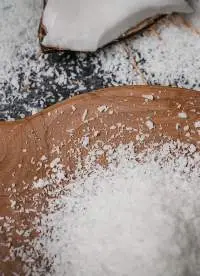
COLOR & APPEARANCE: White, free from yellow specks
FLAVOR: Milky & Sweet
SIZE: Fine granule of coconut
PHYSICAL: Not more than 8 pcs / 100 gr
FAT: ~ 45%
PH: 6.1 - 6.7
MOISTURE: Max 3%
STANDARD PACKING : 25 kg Polyethylene-lined 3 ply kraft paper bags
Commodity
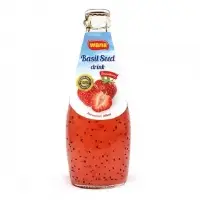
Sparkling Juices
packaging
- 360ml PET bottle, 24 bottles/carton, 1700 cartons/20ft containers
shelf life
18 months
MOQ
mixed flavors on one container
delivery time
15- 20 days after deposit
sample
free
certification
ISO, halal, Haccp, FDA
private label
accepted at low fee
Specification
White Refined Cane sugar -
Polarization : 99.80% Min
Ash content : 0.04% Max
Suphateash Content : 00.04% Maximum
Moisture : 0.04% Max
Solubility : 100% dry Free Flowing
Radiation : Normal without Presence of Cesium or Iodine Certified
Granulation : Fine
Smell : Free of any Odor
Reducing Sugar : 0.05% Maximum by Weight
Fumigation : Well Cleaned from Molds, Unnatural Odors, Chemical and Insect
ICUMSA: >OR=100 ICUMSA and<150 ICUMSA as determined in sugar analysis
Crop : Current
SO2: 70MG/K
Radiation : Normal within internationally accepted limit
Moisture: 0.04% max by weight
Solubility : 100% dry free fine flowing
Polarization : 99.80% min
Granulation : fine standard
Ash by electrical : 0.04% max (on dry weight basis)
Smell : free or any smell
Reducing sugar: 0.05% max by weight
HPN Staph Aureus: nil
Max.AS : 1 PPM
Max.PS : 2 PPM
Substance : solid crystal
75 Decaf Coffee Suppliers
Short on time? Let Decaf Coffee sellers contact you.
Specification
White Refined Cane sugar -
Polarization : 99.80% Min
Ash content : 0.04% Max
Suphateash Content : 00.04% Maximum
Moisture : 0.04% Max
Solubility : 100% dry Free Flowing
Radiation : Normal without Presence of Cesium or Iodine Certified
Granulation : Fine
Smell : Free of any Odor
Reducing Sugar : 0.05% Maximum by Weight
Fumigation : Well Cleaned from Molds, Unnatural Odors, Chemical and Insect
ICUMSA: >OR=100 ICUMSA and<150 ICUMSA as determined in sugar analysis
Crop : Current
SO2: 70MG/K
Radiation : Normal within internationally accepted limit
Moisture: 0.04% max by weight
Solubility : 100% dry free fine flowing
Polarization : 99.80% min
Granulation : fine standard
Ash by electrical : 0.04% max (on dry weight basis)
Smell : free or any smell
Reducing sugar: 0.05% max by weight
HPN Staph Aureus: nil
Max.AS : 1 PPM
Max.PS : 2 PPM
Substance : solid crystal
Specification
White Refined Cane sugar -
Polarization : 99.80% Min
Ash content : 0.04% Max
Suphateash Content : 00.04% Maximum
Moisture : 0.04% Max
Solubility : 100% dry Free Flowing
Radiation : Normal without Presence of Cesium or Iodine Certified
Granulation : Fine
Smell : Free of any Odor
Reducing Sugar : 0.05% Maximum by Weight
Fumigation : Well Cleaned from Molds, Unnatural Odors, Chemical and Insect
ICUMSA: >OR=100 ICUMSA and<150 ICUMSA as determined in sugar analysis
Crop : Current
SO2: 70MG/K
Radiation : Normal within internationally accepted limit
Moisture: 0.04% max by weight
Solubility : 100% dry free fine flowing
Polarization : 99.80% min
Granulation : fine standard
Ash by electrical : 0.04% max (on dry weight basis)
Smell : free or any smell
Reducing sugar: 0.05% max by weight
HPN Staph Aureus: nil
Max.AS : 1 PPM
Max.PS : 2 PPM
Substance : solid crystal
About Meltblown Nonwove
Melt blown is a one step process to make fabrics from polymer.
The thermoplastics chips are fed through main dosing units & these chips are melted by means of the extruder. This extruder then extrudes the melt, which is then filtered & metered at a constant rate. This filament comes out from a single raw of spinneret orifice. It has a self bonding property but for coagulation & for better random laying hot air flow is provided.
The web generated is immediately passes among the Spunbond webs followed by pre-bonding rolls & finally through calendar for thermal bonding.
The main purpose of melt blown fabric is to provide barrier property for the liquid.
Sometimes the treatment like antistatic or hydrophilic are given to the fabrics & after drying the fabrics are wound in the winder as a roll form.
Unique characteristics such as water repellence or permeability or UV stability can be obtained by incorporating additives to the raw materials or applying different agents to the fabric.
Characteristics of Meltblown fabrics are:
The main desired characteristics expected for melt blown nonwoven fabrics are:
Adjustable Pores And Capillary Structure
Excellent barrier properties
Filament size 1 -3 �µm
High Elasticity
High Filtration capability
Isotropic formation- this means that the fibers are randomly distributed in the machine direction (MD) and cross-machine direction (CD).
Large Area-to-weight ratio
Self-bonding
The weight of the melt-blown fabrics in gram per square meter (GSM) should range from 4 g/m2 to over 1000 g/m2.
Very good thermal insulation for apparel application
Weak tensile properties
Wicking Properties
Application of spun-bond nonwoven fabrics:
Sanitary and Hygiene:
Sanitary napkins,
Baby diapers and
Incontinence diapers
Medical and Surgical:
Gowns,
Face masks,
Caps,
Drapes, etc
Other Miscellaneous Applications:
Filtration Material,
Agriculture,
Oilsorbents
Hot-melt adhesives
Headliners, etc
About Meltblown Nonwoven
â?¢ Melt blown is a one step process to make fabrics from polymer.
â?¢ The thermoplastics chips are fed through main dosing units & these chips are melted by means of the extruder. This extruder then extrudes the melt, which is then filtered & metered at a constant rate. This filament comes out from a single raw of spinneret orifice. It has a self bonding property but for coagulation & for better random laying hot air flow is provided.
â?¢ The web generated is immediately passes among the Spunbond webs followed by pre-bonding rolls & finally through calendar for thermal bonding.
â?¢ The main purpose of melt blown fabric is to provide barrier property for the liquid.
â?¢ Sometimes the treatment like antistatic or hydrophilic are given to the fabrics & after drying the fabrics are wound in the winder as a roll form.
â?¢ Unique characteristics such as water repellence or permeability or UV stability can be obtained by incorporating additives to the raw materials or applying different agents to the fabric.
Characteristics of Meltblown fabrics are:
The main desired characteristics expected for melt blown nonwoven fabrics are:
â?¢ Adjustable Pores And Capillary Structure
â?¢ Excellent barrier properties
â?¢ Filament size 1 -3 �µm
â?¢ High Elasticity
â?¢ High Filtration capability
â?¢ Isotropic formation- this means that the fibers are randomly distributed in the machine direction (MD) and cross-machine direction (CD).
â?¢ Large Area-to-weight ratio
â?¢ Self-bonding
â?¢ The weight of the melt-blown fabrics in gram per square meter (GSM) should range from 4 g/m2 to over 1000 g/m2.
â?¢ Very good thermal insulation for apparel application
â?¢ Weak tensile properties
â?¢ Wicking Properties
Application of spun-bond nonwoven fabrics:
â?¢ Sanitary and Hygiene:
â?¢ Sanitary napkins,
â?¢ Baby diapers and
â?¢ Incontinence diapers
â?¢ Medical and Surgical:
â?¢ Gowns,
â?¢ Face masks,
â?¢ Caps,
â?¢ Drapes, etc
â?¢ Other Miscellaneous Applications:
â?¢ Filtration Material,
â?¢ Agriculture,
â?¢ Oilsorbents
â?¢ Hot-melt adhesives
â?¢ Headliners, etc
Melt blown is a one step process to make fabrics from polymer.
The thermoplastics chips are fed through main dosing units & these chips are melted by means of the extruder. This extruder then extrudes the melt, which is then filtered & metered at a constant rate. This filament comes out from a single raw of spinneret orifice. It has a self bonding property but for coagulation & for better random laying hot air flow is provided.
The web generated is immediately passes among the Spunbond webs followed by pre-bonding rolls & finally through calendar for thermal bonding.
The main purpose of melt blown fabric is to provide barrier property for the liquid.
Sometimes the treatment like antistatic or hydrophilic are given to the fabrics & after drying the fabrics are wound in the winder as a roll form.
Unique characteristics such as water repellence or permeability or UV stability can be obtained by incorporating additives to the raw materials or applying different agents to the fabric.
Characteristics of Meltblown fabrics are:
The main desired characteristics expected for melt blown nonwoven fabrics are:
Adjustable Pores And Capillary Structure
Excellent barrier properties
Filament size 1 -3 �?�µm
High Elasticity
High Filtration capability
Isotropic formation- this means that the fibers are randomly distributed in the machine direction (MD) and cross-machine direction (CD).
Large Area-to-weight ratio
Self-bonding
The weight of the melt-blown fabrics in gram per square meter (GSM) should range from 4 g/m2 to over 1000 g/m2.
Very good thermal insulation for apparel application
Weak tensile properties
Wicking Properties
Application of spun-bond nonwoven fabrics:
Sanitary and Hygiene:
Sanitary napkins,
Baby diapers and
Incontinence diapers
Medical and Surgical:
Gowns,
Face masks,
Caps,
Drapes, etc
Other Miscellaneous Applications:
Filtration Material,
Agriculture,
Oilsorbents
Hot-melt adhesives
Headliners, etc
Melt blown is a one step process to make fabrics from polymer.
The thermoplastics chips are fed through main dosing units & these chips are melted by means of the extruder. This extruder then extrudes the melt, which is then filtered & metered at a constant rate. This filament comes out from a single raw of spinneret orifice. It has a self bonding property but for coagulation & for better random laying hot air flow is provided.
The web generated is immediately passes among the Spunbond webs followed by pre-bonding rolls & finally through calendar for thermal bonding.
The main purpose of melt blown fabric is to provide barrier property for the liquid.
Sometimes the treatment like antistatic or hydrophilic are given to the fabrics & after drying the fabrics are wound in the winder as a roll form.
Unique characteristics such as water repellence or permeability or UV stability can be obtained by incorporating additives to the raw materials or applying different agents to the fabric.
Characteristics of Meltblown fabrics are:
The main desired characteristics expected for melt blown nonwoven fabrics are:
Adjustable Pores And Capillary Structure
Excellent barrier properties
Filament size 1 -3 �?�µm
High Elasticity
High Filtration capability
Isotropic formation- this means that the fibers are randomly distributed in the machine direction (MD) and cross-machine direction (CD).
Large Area-to-weight ratio
Self-bonding
The weight of the melt-blown fabrics in gram per square meter (GSM) should range from 4 g/m2 to over 1000 g/m2.
Very good thermal insulation for apparel application
Weak tensile properties
Wicking Properties
Application of spun-bond nonwoven fabrics:
Sanitary and Hygiene:
Sanitary napkins,
Baby diapers and
Incontinence diapers
Medical and Surgical:
Gowns,
Face masks,
Caps,
Drapes, etc
Other Miscellaneous Applications:
Filtration Material,
Agriculture,
Oilsorbents
Hot-melt adhesives
Headliners, etc
we can supply kinds of frozen chicken cuts of Brazil origin
. whole frozen chicken
. frozen chicken wings
. frozen chicken legs
. frozen chicken hearts and kind cuts
Features:
. Feather off
. Well cleaned and fresh
. No bruise
. No broken bone bone (less than 5%)
. No black flaw (less than 3%)
. No amount of moisture (less than 5%)
Specifications:
- white skin
- no broken bones
- outer yellow skin off
- well cleaned and fresh
- no bruises
- no black pads or ammonia burns
- no bad smells
- no excessive blood or blood stains
- moisture content is less than 3%
we can supply kinds of frozen chicken cuts of Brazil origin
. whole frozen chicken
. frozen chicken wings
. frozen chicken legs
. frozen chicken hearts and kind cuts
Features:
. Feather off
. Well cleaned and fresh
. No bruise
. No broken bone bone (less than 5%)
. No black flaw (less than 3%)
. No amount of moisture (less than 5%)
Specifications:
- white skin
- no broken bones
- outer yellow skin off
- well cleaned and fresh
- no bruises
- no black pads or ammonia burns
- no bad smells
- no excessive blood or blood stains
- moisture content is less than 3%
We stock a variety of Frozen Beef Parts which can be procured as per the requirements of the customers. We are a prominent name among Frozen Beef Meat Exporters owing to our focus on timely delivery and optimum quality.
Processed Frozen Beef Meat
Our range is available in different forms that are as follows:
Silver Side
Thick Flank
Top Side
Rump Steak
Shin Shank
Trimmings
Fore Quarter Rolls
Thick Flank
Knuckle
Rump Steak
Strip Loin
Thick Flank
Blade
Brisket
Chuck
Neck
CATTLE BEEF CARCASS AND SPECIAL CUTS
Beef Carcass
SPECIAL CUTS
Topside
Silverside
Brisket
Blade
Shin-shank
Cube roll
Tenderloin
Striploin
Chuck tender
Chunks/slices
Trimming
Mince
VEAL
Bobby Veal
Veal Tenderloin
Veal Leg
OFFALS
Tongue(Shortcut)
Tail
Kidney
Heart
Liver
Lung
Natural Green Tripe
Tripe Cooked
Cheek Meat
Neck Band / paddywack
Omasum A Grade (700gm up )
Omasum B Grade (500gm - 700gm)
Omasum C Grade (300gm - 500gm)
75 Decaf Coffee Suppliers
Short on time? Let Decaf Coffee sellers contact you.