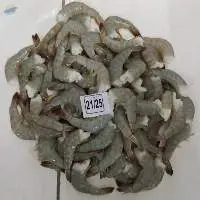
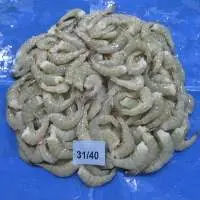
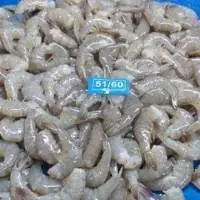
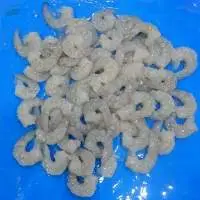
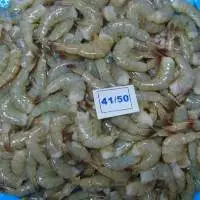
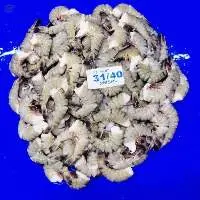
Shrimp varieties
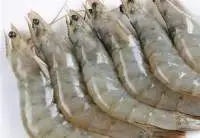
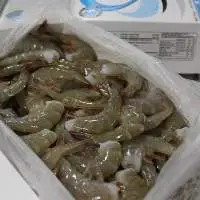
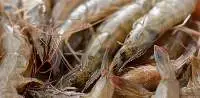
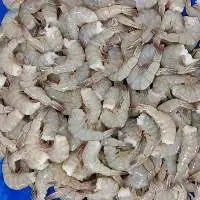
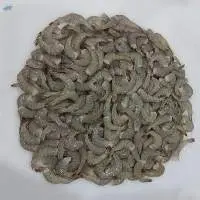
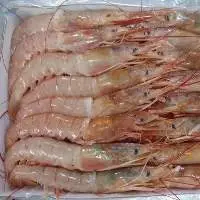
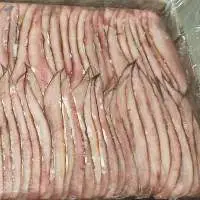
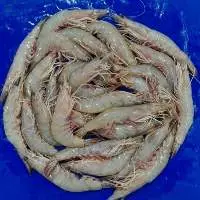
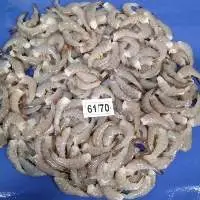
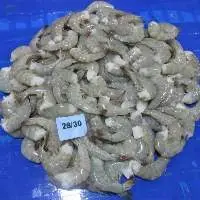
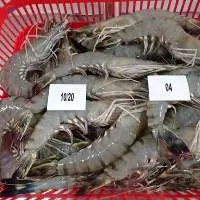
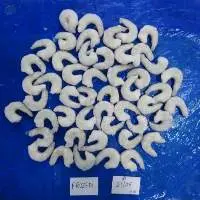
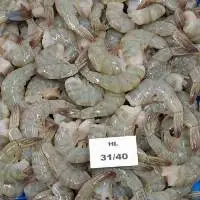
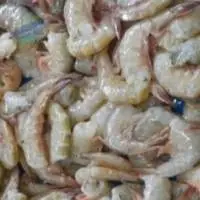
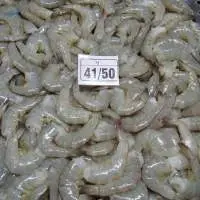
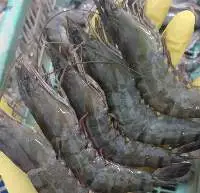
Panama Bay: This shrimp is wild-caught, free of chemical additives, and comes in a variety of sizes.
Panama Northern nylon shrimp: This shrimp is caught in mid to deep water using nets with a mesh size of 4-8cm.
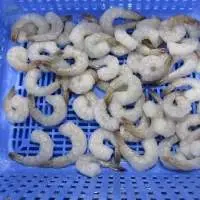
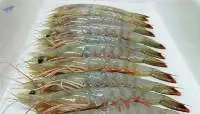
Panama Wild Whites: This shrimp is known for its flavor, uniformity, and full net weight.
Brown Shrimp (metapenaeus Affinis)
Known Locally As The Jinga Shrimp This One Loves To Stay In Brackish Waters. Thus You Will Find Him Resting In Waters Of Around 5-92 Metres Depth. Considered To Inhabit The Indo Pacific Region The Brown Shrimpâ??s Presence Goes From The Persian Gulf And The Arabian Sea To The South China Sea And Hawaii Islands.
At Maturity Time The Length Of The Brown Shrimp Is Estimated To Be Around 11.9 Centimetres. Though In Certain Cases The Length Has Been Seen To Reach A Maximum Level Of 22 Centimetres. Common Average Lengths For Both Males And Females Are Mentioned To Be Around 17 Centimetres At The Outset. As Mentioned Before The Species Prefers Muddy Waters And That Is Where You Would Find Them.
Again It Also Uses Precopulatory Courtship Ritual To Mate And The Sperm Indirectly Enters The Female Brown Shrimp. The Temperature At Which The Jinga Can Be Nurtured Is Around 24.8-29.1 Degree Fahrenheit. Prices Of The Jinga Are High Because It Is Considered To Be One Of The Most Popular Shrimp Species Of That Area. Vulnerability Is Low Means That There Are Limited Chances Of It Being Changed Into A Rare Species.
Karikadi (Parapenaeopsis Stylifera)
The Karikadi is a shrimp variety seen in regions of the Indian Ocean. They can be seen in the waters of Kuwait, Pakistan and Bangladesh. In fact, it has two subspecies and each is found in different zones of the Indian Ocean. Maturity length of the Karikadi is around 9 cm though its maximum length can go up to 14.5 cms.
The age of the Karikadi is around 2 years which is pretty early. In coast and depths, the Karikadi is seen at depths of 90 metres. On the other hand in muddy and sandy substrates the fish can be seen at a depth of 50 metres. Karikadi is omnivorous in temperament and its diet in normal situations includes crustaceans, mud and detritus, vegetable matter, gastropods, bivalves, diatoms, and sand particles
As and when the shrimp matures sexually its feeding intensity also increases. The Karikadi takes less than 15 months to double its population and hence it does not fall under the high-risk category at all. Commercially the Karikadi is nurtured in fisheries and it does not pose any kind of threats to any human.