Please click here to check who's online and chat with them.

Find Verified De Oil Cakes Suppliers, Manufacturers and Wholesalers

Top Supplier Cities : Bangkok   -   Thailand  
Jun-23-22
Supplier From Amphoe Bang Phli, Samut Prakarn, Thailand
Supplier Of Mint   |   Cakes   |   Mints   |   Sauces   |   Oils   |   Potato   |   Garlic   |   Yam   |   Currants   |   New Potatoes
 Inquire Now  
PRODUCT INFO
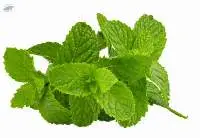
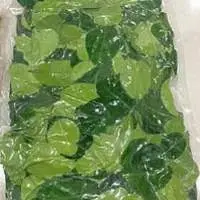
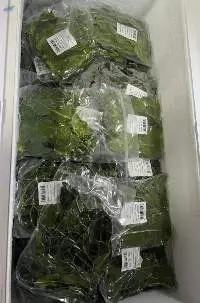
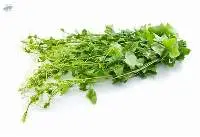
Kitchen Mint (Bai Saranae) it is a ground cover plant. Leaves are fortified, green, leaf margins wrinkled, prefer loamy soil, easy to grow, grow quickly. if well cared for The leaves will be beautiful and the leaves will be collected faster. It is used to cook spicy salads, larb, and tom yam dishes. And help flavor to make it more appetizing. In addition, it is also used to make medicine and extract essential oils that are used in many industries.

USES
Mint (English: Kitchen Mint) can be used both in sweet and savory dishes. Add mint to new potatoes or to a garlic and cream cheese dip. Mix mint with chocolate cakes or bake with raisins and currants in pastry. Mints are an excellent addition to sauces, syrups, vinegars, and teas.


SEASONS
Kitchen Mint is available between July - Oct each year.
Jun-24-22

Asian Pears

MOQ: Not Specified
Supplier From Amphoe Bang Phli, Samut Prakarn, Thailand
 Inquire Now  
PRODUCT INFO
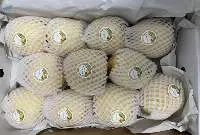
Round and squat with a green yellow skin that is often speckled with brown spots. Extremely crispy and juicy these pears are prized not only for their texture but for their subtly sweet flavor as well. Asian pears are also non-climacteric, meaning they mostly won't continue to ripen after picking.

USES
The firm and crisp texture of Asian pears make them a popular addition to both fruit and green salads. Slice into sticks and serve with both sweet and savory dipping sauces. Try using with or as a substitute for apples in a pie or cake. Pair with aged gouda or your favorite cheese with bread or crackers for a quick and easy appetizer. Asian Pears are ripe at purchase, refrigerate to store.

Season
Asian Pears are available in the Fall.
Jun-17-22
Supplier From Amphoe Bang Phli, Samut Prakarn, Thailand
Supplier Of Plum   |   Cakes   |   Milk   |   Ginger   |   Coconut Milk
 Inquire Now  
PRODUCT INFO
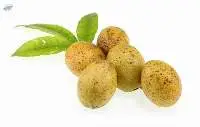
Hog Plum grow in dangling bunches and are small fruits, averaging 3 to 6 centimeters in diameter and 6 to 9 centimeters in length, with an oval to oblong shape. The skin is thin, tough, and semi-smooth with some russeting, ripening from green to golden yellow when mature. Underneath the surface, the flesh is firm, dense, crunchy, and pale green when unripe, developing an aqueous, softer consistency with a darker yellow hue when ripe. Hog Plum also contain a central yellow pit with many elongated fibers that extend into the flesh, creating a fibrous texture. Hog Plum have a sweet-tart flavor with subtle notes of musk, turpentine, mango, and pineapple. Hog Plum are an excellent source of vitamin C, which is an antioxidant that can boost the immune system, repair tissues within the skin, and increase collagen production. The fruits also contain vitamin A, iron, calcium, phosphorus, and fiber, which can help regulate the digestive tract.

USES
Hog Plum are best suited for both raw and cooked applications such as boiling and baking. The green, unripe fruits are the preferred stage for consumption as the flesh is crunchy and has a neutral flavor. When young, the flesh can be sprinkled with salt, shrimp paste, chile powder, or sugar and eaten raw, blended into smoothies, pressed into juice, sliced and added into green salads, or chopped and mixed into salsa. The fruits can also be pressed into an herbaceous juice that is popularly made into an alcoholic drink similar to cider. When ripe and golden yellow, the fruits can be coated in sugar and eaten for a sweet-tart snack. In addition to raw preparations, Hog Plum can be cooked into jams, preserves, and jellies, tossed into soups, curries, and stews, pickled for extended use, or cooked in sugar water and mashed to create an applesauce-like consistency. They can also be baked into cakes, pies, and tarts, and the leaves are used in some countries as a salad green, lightly sauteed, or steamed. Hog Plum pair well with other fruits such as grapefruit, pineapple, and passion fruit, ginger, spices such as cinnamon, cardamom, and vanilla, almonds, salted fish, seafood, coconut milk, and herbs such as parsley, mint, and coriander. The fruits continue to ripen after harvest and should mature at room temperature. Once ripe, they can be stored in the refrigerator for an additional five days. Hog Plum can also be dehydrated or canned in syrup for extended use.

Season
Hog Plum are available in the fall through winter.
Jun-17-22
Supplier From Amphoe Bang Phli, Samut Prakarn, Thailand
Supplier Of Fresh Vegetables   |   Curry Powder   |   Milk   |   Dips   |   Seeds   |   Onion   |   Garlic   |   Carrot   |   Artichoke   |   Lemon   |   Shallots   |   Coconut Milk   |   Coconut Water   |   Ties
 Inquire Now  
PRODUCT INFO
Banana flowers have a starchy, fibrous consistency and a neutral, subtly bitter, and fruity flavor well suited for fresh and cooked preparations. The outer, dark-hued bracts should not be consumed, but they can be used as a decorative serving vessel. As each bract is removed, the small florets can be separated from their tough stamens and set aside for use with the flower's heart. Once the bracts have been peeled away to reveal a yellow-white hue, the heart can be sliced into pieces and incorporated into recipes. It is recommended to immerse slices of the Banana flower in salted lemon water or vinegar water for at least 20 to 30 minutes to extract some of the bitterness. Banana flowers can be added to fresh fruit and green salads, and younger flowers will have a sweeter flavor for raw preparations. They can also be minced into dips, dumplings, and pastes.

USES
Beyond fresh preparations, Banana flowers can be lightly steamed and served with dips, similar to an artichoke, boiled in coconut water and stir-fried, or incorporated into curries and soups. The flowers can also be fried into patties, soaked in flavoring, cooked like fish fillets, or sauteed into vegetable, rice, and noodle dishes. In Thailand, young Banana flowers are commonly served raw on the side with pad Thai. In Indonesian cuisine, Banana flowers are mixed with pork and hot sambal, cooked in a section of bamboo, and served as a festival or wake appetizer. In Brazil, Banana flowers are incorporated into pies, quiches, and cooked into various sweet and savory goods. There is also a famous pastry in the Brazilian state of Minas Gerais known as pastel de agnu that has its own festival. The festival annually occurs in the city of Itabirito and features food vendors, local growers, restaurants, and arts and crafts vendors, all centered around the famous pastry of the region. Pastel de agnu is comprised of Banana flowers stewed with meat and then fried into a dough-like puff. Banana flowers pair well with spices such as turmeric, curry powder, mustard seeds, cumin, and chile powder, aromatics including garlic, shallots, onions, lemongrass, and galangal, coconut milk, macadamia nuts, lime leaves, papaya, and carrots. Whole, raw Banana flowers should be immediately consumed for the best quality and flavor. The flowers can also be wrapped in plastic and stored in the refrigerator, or cut pieces can be placed in a sealed container in the fridge for 2 to 3 days. In addition to fresh Banana flowers, the buds can also be found canned or frozen for extended use.

SEASONS
Banana flowers are found year-round, varying in availability depending on climate, region, and hemisphere.
Apr-09-21

Dried Kaffir Lime Leaves

MOQ: 100  Kilograms
Sample Available
Supplier From Amphoe Bang Phli, Samut Prakarn, Thailand
Supplier Of Herbs   |   Cakes   |   Milk   |   Ice Cream   |   Soy Sauce   |   Oils   |   Garlic   |   Ginger   |   Basil   |   Lemon   |   Mandarin   |   Coconut Milk   |   Ties
 Inquire Now  
The kaffir lime tree is native to tropical Southeast Asia and was spread to neighboring regions via exporters and trade routes. Today Kaffir lime leaves are available in fresh markets and frozen in specialty grocers in Asia, Southeast Asia, Africa, the United States.

PRODUCT INFO
Kaffir limes are widely used in Thailand as a household ingredient. Essential oils are extracted from the fruit's peel and are used for cleaning products, shampoos, and as a method to kill lice. The fruit's zest is used to flavor curries and soups, and the leaves are also crushed and used as potpourri or placed in a hot bath for a citrus aroma. Kaffir lime plants are so common and frequently used in Thailand that the majority of rural households have their own trees growing in their backyards.

Kaffir lime leaves are small to medium in size and oblong in shape, averaging 3-5 centimeters in diameter and 8-12 centimeters in length. The top of the thick leaves is glossy and deep green, while the underside of the leaves is porous and a pale, matte green. Kaffir lime leaves grow in pairs and grow in a double leaf formation, which means two leaves grow on either side of the stem and appear to mirror each other. There is a prominent central midrib or vein and the tips of the leaves can be slightly rounded or very pointed. Kaffir lime leaves have a strong citrus taste and aroma that is said to be a blend of mandarin orange, lemon, and lime.

USES
Kaffir lime leaves contain some antioxidants. They also contain limonene and citronella, which both contribute to the flavor and fragrance of the leaves and have been shown to have antimicrobial properties.
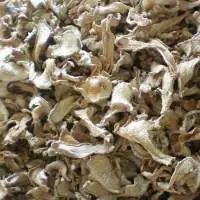
Kaffir lime leaves can be used in both raw and cooked preparations such as boiling, steaming, and saut�©ing. They can be used fresh, dried, or from a frozen state and the thick leaves are never consumed whole, but rather steeped and later removed, or sliced very thinly. Kaffir lime leaves can be sliced and used in salads or shredded and used in fish cakes. They are also widely used in soups such as tom yum and hot and sour shrimp, curries, fried rice, pastes, and stir-fries. Their herbal citrus flavor can be used to infuse desserts such as custard and ice cream. Kaffir lime leaves pair well with lemongrass, basil, cardamom, curry leaves, mint, tamarind, turmeric, cumin, galangal, ginger, garlic, soy sauce, sesame oil, jasmine rice, meats such as lamb, chicken and pork, mussels, and coconut milk. They will keep up to two weeks when stored fresh in the refrigerator and up to one year when stored in a sealed container in the freezer.

SEASON
Kaffir Lime Leaves is available year-round.
28 De Oil Cakes Suppliers
Short on time? Let De Oil Cakes sellers contact you.
Nov-23-20
Supplier From Amphoe Bang Phli, Samut Prakarn, Thailand
 Inquire Now  
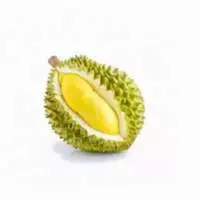
Durian is a tropical fruit distinguished by its large size and spiky, hard outer shell.

It has a smelly, custard-like flesh with large seeds.

There are several varieties, but the most common one is Durio zibethinus.

The fruit's flesh can range in color. It's most commonly yellow or pale yellow, but can also be red or green.

Durian grows in tropical regions around the world, particularly in the Southeast Asian countries of Malaysia, Indonesia, and Thailand.
The most poppular variety for export is Monthong, Chanee, Kradum, Kanyao, Volcano and a few other.

Frozen Peeled Durian use maturity / ripeness level to freeze at -18 degree celsius with this process the shelf life can be up to 2 years in the good condition.

PRODUCT INFO
Durian can be export as Whole Fresh Durian, size from 2-6kgs with at least 3 lobes to maximum 6 lobes.
Depends on destinaton regulation on the chemical and pesticide restriction. Fresh Whole Durian can export both sea & air.
The ripeness level is depending on transit time using for transport to destination plus shelf life for sell at destination.
Durian can also be export as Peeled Fresh Durian in retail package. This is more convenient than Whole Fresh Durian
which is sophisticated to whom that have less knowledge of how to notice the ripeness level (sotfness of the Durian meat).

USES
Durian can be consumed cooked or raw. It provides a distinctive taste to any dish and is often used in Asian cuisine to flavor ice cream, cakes, and other baked goods.

Durian's outer shell must be removed before eating. Place durian stem side down on a sturdy counter. Then, slice into the spiny skin about 3â??4 inches deep. Use your hands to pull the skin apart and reveal the fruit. Durian is divided into pods. Each has a pit or a stone that should be removed prior to eating.

SEASONS
Durian can be produced all year round
Nov-23-20

Fresh Durians

MOQ: Not Specified
Supplier From Amphoe Bang Phli, Samut Prakarn, Thailand
 Inquire Now  
Durian is a tropical fruit distinguished by its large size and spiky, hard outer shell.

It has a smelly, custard-like flesh with large seeds.

There are several varieties, but the most common one is Durio zibethinus.

The fruit's flesh can range in color. It's most commonly yellow or pale yellow, but can also be red or green.

Durian grows in tropical regions around the world, particularly in the Southeast Asian countries of Malaysia, Indonesia, and Thailand.
The most poppular variety for export is Monthong, Chanee, Kradum, Kanyao, Volcano and a few other.


PRODUCT INFO
Durian can be export as Whole Fresh Durian, size from 2-6kgs with at least 3 lobes to maximum 6 lobes.
Depends on destinaton regulation on the chemical and pesticide restriction. Fresh Whole Durian can export both sea & air.
The ripeness level is depending on transit time using for transport to destination plus shelf life for sell at destination.
Durian can also be export as Peeled Fresh Durian in retail package. This is more convenient than Whole Fresh Durian
which is sophisticated to whom that have less knowledge of how to notice the ripeness level (sotfness of the Durian meat).

USES
Durian can be consumed cooked or raw. It provides a distinctive taste to any dish and is often used in Asian cuisine to flavor ice cream, cakes, and other baked goods.

Durian's outer shell must be removed before eating. Place durian stem side down on a sturdy counter. Then, slice into the spiny skin about 3-4 inches deep. Use your hands to pull the skin apart and reveal the fruit. Durian is divided into pods. Each has a pit or a stone that should be removed prior to eating.

SEASONS
Durian can be produced nearly all year round
Jun-17-22
Supplier From Amphoe Bang Phli, Samut Prakarn, Thailand
Supplier Of Herbs   |   Milk   |   Brown Sugar   |   Oils   |   Lemon
 Inquire Now  
PRODUCT INFO
Pandan leaves are medium to large in size and are elongated, narrow, and oblong in shape. There are two distinct Pandan plant shapes. If the plant is left undisturbed and the leaves are not harvested, it will develop into a small tree with large, long, and thin green leaves that can reach up to two meters in length. If the leaves are continuously harvested, the plant will stay low to the ground forming a shrub-like appearance with smaller, narrow green leaves growing up to one meter in length. The upright green leaves taper to a point at the tip, and when attached to their stems, Pandan leaves resemble the top of a pineapple plant. Pandan leaves have a unique and distinct grassy aroma when first crushed that mellows out to a subtle, herbal, and floral aroma. When cooked, Pandan leaves have a nutty, almond, rose-like, and slightly sweet flavor. Pandan leaves are rich in essential oils, glycosides, and alkaloids, and also contain traces of tannin and isoprene esters. They are traditionally used to reduce symptoms of pain and fevers and are used as a laxative.

USES
Pandan leaves are best suited for cooked applications such as boiling, steaming, sauteing and frying. They are used in both sweet and savory dishes and are boiled, pounded, bruised, or raked to bring out the flavor. Pandan leaves are often used to wrap meats or sticky rice and are cooked to add a sweet and nutty flavor. They are also wrapped and deep fried to create a crunchy exterior. In addition to savory preparations, Pandan leaves are also used to make desserts and drinks. They can be made into a paste with the juice extracted to make the well-known chiffon cake, and they can be cooked to make Kaya, or pandan-flavored coconut egg jam, which is a traditional Pandan dish still found today in Malaysia and Singapore. Pandan leaves can also be cooked with coconut to make nasi lemak rice or are tied into knots and used for flavoring. Pandan leaves pair well with turmeric, lemongrass, brown sugar, milk, meats such as fish, chicken, beef, and pork, and rice. They will keep for a couple of days when stored unwashed, wrapped in a damp paper towel and sealed in a plastic bag in the refrigerator. Pandan leaves can also be frozen for up to two months.

SEASON
Pandan leaves are available year-round.
Nov-23-20
Supplier From Amphoe Bang Phli, Samut Prakarn, Thailand
Supplier Of Herbs   |   Cakes   |   Milk   |   Ice Cream   |   Soy Sauce   |   Garlic   |   Ginger   |   Basil   |   Lemon   |   Mandarin   |   Coconut Milk
 Inquire Now  
Kaffir lime leaves are small to medium in size and oblong in shape, averaging 3-5 centimeters in diameter and 8-12 centimeters in length. The top of the thick leaves is glossy and deep green, while the underside of the leaves is porous and a pale, matte green. Kaffir lime leaves grow in pairs and grow in a double leaf formation, which means two leaves grow on either side of the stem and appear to mirror each other. There is a prominent central midrib or vein and the tips of the leaves can be slightly rounded or very pointed. Kaffir lime leaves have a strong citrus taste and aroma that is said to be a blend of mandarin orange, lemon, and lime.

PRODUCT INFO
Kaffir lime leaves, botanically classified as Citrus hystrix, grow on a thorny bush that can grow to be 1-10 meters in height and belong to the Rutaceae, or citrus family along with oranges, lemons, pomelos, and grapefruit. The kaffir lime plant is valued for its fragrant leaves and its fruit's peel and is popularly used in culinary and medicinal applications in Southeast Asia. Also known as the Kieffer lime, Bai Magrood, Thai lime, Limau Puru, and Makrut limes, Kaffir limes have been given new names in various cultures to respect and avoid the use of derogatory words. In South Africa, kaffir is an offensive slang word used in racist connotations, so many retailers have taken to calling the fruit by its scientific name, while others prefer the Thai word for the fruit, Makrut lime.

USES
Kaffir lime leaves can be used in both raw and cooked preparations such as boiling, steaming, and saut�?�©ing. They can be used fresh, dried, or from a frozen state and the thick leaves are never consumed whole, but rather steeped and later removed, or sliced very thinly. Kaffir lime leaves can be sliced and used in salads or shredded and used in fish cakes. They are also widely used in soups such as tom yum and hot and sour shrimp, curries, fried rice, pastes, and stir-fries. Their herbal citrus flavor can be used to infuse desserts such as custard and ice cream. Kaffir lime leaves pair well with lemongrass, basil, cardamom, curry leaves, mint, tamarind, turmeric, cumin, galangal, ginger, garlic, soy sauce, sesame oil, jasmine rice, meats such as lamb, chicken and pork, mussels, and coconut milk. They will keep up to two weeks when stored fresh in the refrigerator and up to one year when stored in a sealed container in the freezer.

SEASONS
Kaffir Lime Leaves is available year-round.
Jun-23-22
Supplier From Amphoe Bang Phli, Samut Prakarn, Thailand
Supplier Of IQF or Frozen Vegetables   |   Cakes   |   Milk   |   Ice Cream   |   Soy Sauce   |   Garlic   |   Ginger   |   Basil   |   Lemon   |   Mandarin   |   Coconut Milk
 Inquire Now  
Kaffir lime leaves are small to medium in size and oblong in shape, averaging 3-5 centimeters in diameter and 8-12 centimeters in length. The top of the thick leaves is glossy and deep green, while the underside of the leaves is porous and a pale, matte green. Kaffir lime leaves grow in pairs and grow in a double leaf formation, which means two leaves grow on either side of the stem and appear to mirror each other. There is a prominent central midrib or vein and the tips of the leaves can be slightly rounded or very pointed. Kaffir lime leaves have a strong citrus taste and aroma that is said to be a blend of mandarin orange, lemon, and lime.

PRODUCT INFO
Kaffir lime leaves, botanically classified as Citrus hystrix, grow on a thorny bush that can grow to be 1-10 meters in height and belong to the Rutaceae, or citrus family along with oranges, lemons, pomelos, and grapefruit. The kaffir lime plant is valued for its fragrant leaves and its fruit's peel and is popularly used in culinary and medicinal applications in Southeast Asia. Also known as the Kieffer lime, Bai Magrood, Thai lime, Limau Puru, and Makrut limes, Kaffir limes have been given new names in various cultures to respect and avoid the use of derogatory words. In South Africa, kaffir is an offensive slang word used in racist connotations, so many retailers have taken to calling the fruit by its scientific name, while others prefer the Thai word for the fruit, Makrut lime.

USES
Kaffir lime leaves can be used in both raw and cooked preparations such as boiling, steaming. They can be used fresh, dried, or from a frozen state and the thick leaves are never consumed whole, but rather steeped and later removed, or sliced very thinly. Kaffir lime leaves can be sliced and used in salads or shredded and used in fish cakes. They are also widely used in soups such as tom yum and hot and sour shrimp, curries, fried rice, pastes, and stir-fries. Their herbal citrus flavor can be used to infuse desserts such as custard and ice cream. Kaffir lime leaves pair well with lemongrass, basil, cardamom, curry leaves, mint, tamarind, turmeric, cumin, galangal, ginger, garlic, soy sauce, sesame oil, jasmine rice, meats such as lamb, chicken and pork, mussels, and coconut milk. They will keep up to two weeks when stored fresh in the refrigerator and up to one year when stored in a sealed container in the freezer.

Season
Kaffir lime leaves are available year-round.
Nov-23-20
Supplier From Amphoe Bang Phli, Samut Prakarn, Thailand
Supplier Of Herbs   |   Cakes   |   Milk   |   Ice Cream   |   Soy Sauce   |   Garlic   |   Ginger   |   Basil   |   Lemon   |   Mandarin   |   Coconut Milk
 Inquire Now  
Kaffir lime leaves are small to medium in size and oblong in shape, averaging 3-5 centimeters in diameter and 8-12 centimeters in length. The top of the thick leaves is glossy and deep green, while the underside of the leaves is porous and a pale, matte green. Kaffir lime leaves grow in pairs and grow in a double leaf formation, which means two leaves grow on either side of the stem and appear to mirror each other. There is a prominent central midrib or vein and the tips of the leaves can be slightly rounded or very pointed. Kaffir lime leaves have a strong citrus taste and aroma that is said to be a blend of mandarin orange, lemon, and lime.

PRODUCT INFO
Kaffir lime leaves, botanically classified as Citrus hystrix, grow on a thorny bush that can grow to be 1-10 meters in height and belong to the Rutaceae, or citrus family along with oranges, lemons, pomelos, and grapefruit. The kaffir lime plant is valued for its fragrant leaves and its fruit's peel and is popularly used in culinary and medicinal applications in Southeast Asia. Also known as the Kieffer lime, Bai Magrood, Thai lime, Limau Puru, and Makrut limes, Kaffir limes have been given new names in various cultures to respect and avoid the use of derogatory words. In South Africa, kaffir is an offensive slang word used in racist connotations, so many retailers have taken to calling the fruit by its scientific name, while others prefer the Thai word for the fruit, Makrut lime.

USES
Kaffir lime leaves can be used in both raw and cooked preparations such as boiling, steaming. They can be used fresh, dried, or from a frozen state and the thick leaves are never consumed whole, but rather steeped and later removed, or sliced very thinly. Kaffir lime leaves can be sliced and used in salads or shredded and used in fish cakes. They are also widely used in soups such as tom yum and hot and sour shrimp, curries, fried rice, pastes, and stir-fries. Their herbal citrus flavor can be used to infuse desserts such as custard and ice cream. Kaffir lime leaves pair well with lemongrass, basil, cardamom, curry leaves, mint, tamarind, turmeric, cumin, galangal, ginger, garlic, soy sauce, sesame oil, jasmine rice, meats such as lamb, chicken and pork, mussels, and coconut milk. They will keep up to two weeks when stored fresh in the refrigerator and up to one year when stored in a sealed container in the freezer.

SEASON
Kaffir Lime Leaves is available year-round.
Jun-17-22
Supplier From Amphoe Bang Phli, Samut Prakarn, Thailand
Supplier Of Fresh Cut Flowers   |   Cakes   |   Eggs   |   Garlic   |   Ginger   |   Eggplant   |   Basil
 Inquire Now  
PRODUCT INFO
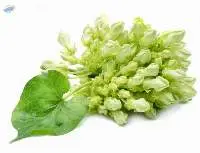
Cowslip Creeper flowers grow on long and slender, vining plants that bear dark green, heart-shaped leaves averaging 4 to 8 centimeters in diameter. The vines are tough, maturing from green to brown, and alongside each leaf node, a cluster of 10 to 20 flowers appear seasonally. Each flower averages 1 to 2 centimeters in diameter and bears five angular petals, forming a star shape. When young, the flowers are green, eventually developing a yellow-green hue at the base with solid yellow petals once the bud opens. The flowers also emit a strong and pleasant, citrus-like fragrance that is especially pungent in the evening when in bloom. Cowslip Creeper flowers are crisp, succulent, and tender with a mild, vegetal, subtly sweet, and earthy flavor.

USES
Cowslip Creeper flowers are a seasonal ingredient used in Filipino, Vietnamese, Chinese, Thai, and Indian cuisine. The flowers can be consumed raw, incorporated into salads for added texture, or utilized as an edible garnish to decorate cakes, desserts, and main dishes. In addition to fresh preparations, Cowslip Creeper flowers can withstand cooking and readily absorb accompanying flavors, providing a mild earthiness and subtle crisp consistency to dishes. The flowers can be battered and fried, tossed into soups and curries, or stir-fried with oyster sauce. In Thailand, Cowslip Creeper flowers are popularly boiled and dipped in chile paste. In the Philippines, the flowers are cooked into a vegetable dish known as pinakbet and frequently mixed into omelets. Cowslip Creeper flowers pair well with noodles, rice, meats such as pork, beef, and fish, shrimp, eggs, tofu, aromatics such as garlic, ginger, and holy basil, pandan juice, coconut, and vegetables such as mushrooms, long beans, squash, eggplant, and mung beans. The flowers should be immediately consumed for the best quality and flavor.

SEASONS
Cowslip Creeper flowers are available in the late spring through early fall.
Apr-09-21

Dried Split Ginger

MOQ: Not Specified
Sample Available
Supplier From Amphoe Bang Phli, Samut Prakarn, Thailand
 Inquire Now  
Ginger is frequently used in Ayurvedic and traditional Chinese medicine as a warming element to reduce symptoms associated with nausea, indigestion, and muscle pain. The rhizome can be used fresh or dried and is also pressed into an essential oil for topical use. Ginger is made into an herbal tea in the Philippines called salabat, which is consumed to relieve nausea and to ward off flu and colds.

Dried Split Ginger can be kept up to 24 months from manufactured date under good condition.
Jun-17-22
Supplier From Amphoe Bang Phli, Samut Prakarn, Thailand
 Inquire Now  
PRODUCT INFO
Ivy gourd is a local vegetable with very high nutritional value. and what you see will be pleasing A health lover for sure is that ivy gourds contain beta-carotene. that reduces the rate risk of developing cancer and ischemic heart disease also provide calcium as well For those who have problems driving It's worth trying to eat because gourds contain fiber that helps the digestive system work well. Young shoots and young leaves of ivy gourds It is blanched and steamed as a dipping sauce with chili paste and used to cook as curry, vegetable soup. Some local villagers bring the young fruit of ivy gourds to pickle and eat it with chili paste or cook it as a curry. The young shoots of ivy gourds are a popular vegetable that Thai people eat. Available in fresh markets in every region of Thailand.

USES
The ivy gourds are also useful as follows: leaves, quenching heat poisoning, neutralizing fever, relieving heat, quenching boils, relieving burning pain, relieving itching, flowers, relieving itching, seeds, pounding mixed with coconut oil to cure scabies, vines, use the juice from the vine to drop the eyes to cure hay fever, red eyes, bruised eyes, watery eyes, eye inflammation. Detoxification, anti-inflammatory, brew with dizzy glass drinking water, roots, quench all poisons, cure blemish eyes, reduce fever, cure vomiting, latex, stem, leaf, root Cure diabetes, headache, eliminate all toxins

SEASON
Ivy gourd is available year-round.
Jun-24-22

Thai Avocado

MOQ: Not Specified
Supplier From Amphoe Bang Phli, Samut Prakarn, Thailand
 Inquire Now  
PRODUCT INFO
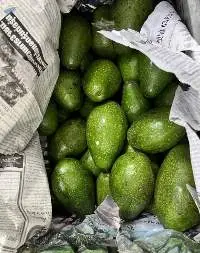
Avocado fruits are becoming more popular in Thailand. Apart from being consumed as fresh fruits for their palatability, food value with high protein, vitamin E and digestible fat content, their oil is used also in the cosmetic industry.


USE
Their rather neutral flavour profile allows the avocados to be paired with almost any ingredient and menu, both sweet and savoury. One of the proudly presented was ripe avocado chunks served with the refreshing coconut ice cream, with optional extra Japanese red bean topping.

Season
July marks the opening of the avocado season in Thailand and the best time of the year.
Jun-17-22
Supplier From Amphoe Bang Phli, Samut Prakarn, Thailand
Supplier Of Turmeric   |   Oils   |   Ginger   |   Carrot   |   Ties
 Inquire Now  
PRODUCT INFO
White Turmeric resembles ginger in its shape and size. Each rhizome, or underground stem, is multi-branched with nearly transparent, pale-brown skin that will darken with maturity. Each rhizome and off-shoot can measure anywhere from 5 to 12 centimeters long. The flesh is a pale ivory to light yellow and has an aroma that combines unripe, green mangos and ginger with the earthiness of a carrot. White Turmeric has a bitter flavor and has a mild pungency very similar to ginger. White Turmeric is a good source of starch and therefore energy.The oils contain curcumin, a powerful anti-inflammatory, and other compounds that provide antimicrobial, antifungal, antiulcer, antivenom and anticancer benefits.

USES
White Turmeric is used in its raw form as well as in powdered form. In India, fresh 'Mango ginger' is washed and peeled and then cut or sliced into strips and pickled or sliced into thin rounds and served atop green salads. In Indonesia, White Turmeric is cut into pieces and dehydrated, oven or air-dried and powdered for use as a dried spice. In larger quantities, the powder is used as a substitute for arrowroot or barley. In Thailand, young roots are used as a vegetable and in curry pastes. Fresh White Turmeric can be stored in the refrigerator for up to 2 weeks. The peeled root can be frozen for up to 6 months.

SEASON
White Turmeric is available in the spring and through the fall months.
Jun-17-22
Supplier From Amphoe Bang Phli, Samut Prakarn, Thailand
Supplier Of Fresh Vegetables   |   Black Pepper   |   Cakes   |   Seeds   |   Eggs   |   Tomato   |   Garlic   |   Eggplant   |   Zucchini   |   Basil
 Inquire Now  
PRODUCT INFO
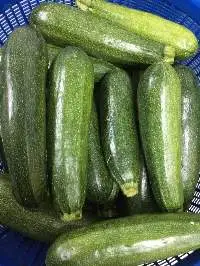
The Zucchini squash has a uniformly cylindrical shape with little to no taper from its stem to blossom end. It can be harvested when it is at its baby stage or when more mature at up to six to eight inches long. Many growers and chefs note that Zucchini will be at its peak flavor and texture when five to six inches in length. The exterior glossy skin of the Zucchini is vibrant to dark green in color and delicate enough to consume. Summer squash such as Zucchini are harvested when immature for best flavor, as a result their skin is delicate and prone to easily bruising and scratching. Its flesh is creamy white in color with a spongy yet firm texture and faint traces of edible seeds. It offers a sweet summer squash flavor with nuances of black peppercorn and nutty undertones. In addition to the fruit of the Zucchini plant the flower blossoms of Zucchini are also edible and offer a mild, squash like flavor. Zucchini squash are a low caloric food and are nearly 94% water. Additionally they offer some vitamin A, vitamin C, calcium and iron.


USES
Zucchini squash are mild in flavor, extremely versatile and can be prepared in sweet or savory recipes. Grate Zucchini and add squash to muffin or bread batter, or use to make vegetable pancakes and fritters. Thinly sliced Zucchini works well in salads or as part of a fresh (raw) appetizer such as vegetarian carpaccio. When sliced thinly lengthwise Zucchini squash can be an excellent substitute for conventional noodles in pasta preparations. Sliced Zucchini squash can be grilled, steamed, sauteed or battered and fried. Larger more mature squashes are perfectly sized for hollowing and baking when stuffed with meats, cheeses and grains. The Zucchini blossoms additionally can be stuffed with soft cheeses and herbs then battered and fried. The flavor and texture of Zucchini will complement a variety of ingredients such as tomatoes, garlic, corn, eggplant, fresh herbs such as parsley, basil and oregano, olive oil, pine nuts, eggs, citrus juice, sausage, roasted chicken and cheeses such as ricotta, mozzarella and parmesan. Zucchini squash will keep best when kept dry and refrigerated, for one to two weeks.

Season
Originally grown as a summer vegetable, Zucchini squash is suitable to forced cultivation in temperate climates and is available for harvest year-round.
Nov-23-20
Supplier From Amphoe Bang Phli, Samut Prakarn, Thailand
Supplier Of Herbs   |   Sauces   |   Soy Sauce   |   Onion   |   Garlic   |   Ginger   |   Cabbage   |   Spinach
 Inquire Now  
SKU: 217537123517253
Morning glory, is a hollow-stemmed semi-aquatic plant with long lance-like leaves. It's used throughout Asia but is perhaps best known by visitors to SE Asia who've seen theatrical street vendors cook it, then throw it across the street to be served up to goggled eyed and gasping tourists!

PRODUCT INFO
Chinese Morning Glory, botanically classified as Ipomoea aquatica, grow on an herbaceous, trailing vine that is found in humid, tropical lowlands and belongs to the Convolvulaceae, or morning glory family. Also known as Kangkung, Kankun, Chinese spinach, Water spinach, River spinach, and Swamp cabbage, Chinese Morning Glory are a popular leaf vegetable prized for its crunchy stems and tender leaves and can be found in most Southeast Asian cuisines.

USES
Chinese Morning Glory can be consumed raw or in cooked applications such as steaming, boiling, or stir-frying. Young shoots can be made into a salad and served with green papaya, but the fragile leaves need to be washed thoroughly before use. Chinese Morning Glory are commonly stir-fried in oil and served as a side dish or combined with other vegetables and meats to make a complete meal. They can also be used in curries, soups, and coated in a batter and fried to make a crispy appetizer. Chinese Morning Glory pair well with aromatics such as ginger, garlic, and onions, chili peppers, bay leaves, nam phrik, vinegar, soy sauce, fish sauce, sesame oil, peanut sauces, cuttlefish, and meats such as chicken, pork, and beef. They are highly perishable when fresh and will keep up to 1-2 days in the refrigerator.

SEASONS
Chinese Morning Glory is available year-round.
Nov-23-20
Supplier From Amphoe Bang Phli, Samut Prakarn, Thailand
Supplier Of Fresh Vegetables   |   Seeds   |   Onion   |   Tomato   |   Garlic   |   Okra   |   Turnip   |   Basil   |   Lemon
 Inquire Now  
SKU: 364115376135191
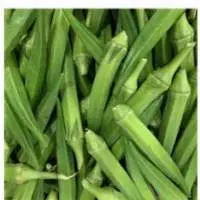
Green okra has a torpedo-shaped pod ranging in length of five to six inches when harvested mature. The pods are pale lime to lime green color, their exterior has furrowed lengthwise grooves. The skin can often be fuzzy to prickly, which can cause an allergic reaction to sensitive skin. The flesh bears a tender spongy membrane with many small white seeds. Okra is known less for its lean flavor and more for its sticky sap that creates the flesh's gelatinous texture.

PRODUCT INFO
Green Okra is a member of the mallow family along with cotton, cocoa and hibiscus. The okra plant produces broad oak-shaped leaves with bold yellow and white hibiscus-like blossoms. The fruits sprout in vertical patterns from the plant's stems. The sign of a plant flowering indicates fruits will develop quickly within 3-5 days. Young fruits must be harvested daily as the fruits are known to grow so fast you can almost see them growing in front of your eyes. One plant can produce up to 100 okra. Okra left on the stem too long will become tough and essentially unfit for use. Okra is grown for fresh-eating but it also has many other purposes. Okra plants are grown commercially for pickling and canning alone or as a canned soup ingredient, while the seeds are also harvested for making oil and in some cultures are ground and used as a coffee substitute or supplement.

USES
With okra, harvesting young tender fruits and knowledge of how to cook it are two key ingredients. Okra is historically not eaten alone, rather paired in a multitude of recipes alongside ingredients with bold, complex flavors and varying textures. Okra is most often used as a soup or stew ingredient, though its textures and flavors are truly enhanced when fried and grilled. Okra pairs well with basil, bacon, beet greens, butter, cream, garlic, ham, lemon, kale, onions, parsley, olive oil, pickled vegetables, chile peppers and peppercorns, paprika, tomatoes and turnips.

SEASONS
Okra is available year-round
Jun-17-22

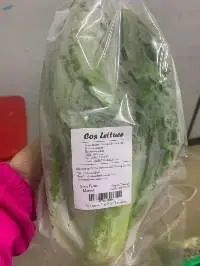
Lettuce

MOQ: Not Specified
Supplier From Amphoe Bang Phli, Samut Prakarn, Thailand
 Inquire Now  
PRODUCT INFO
Lettuce (Lactuca sativa) is an annual plant of the family Asteraceae. It is most often grown as a leaf vegetable, but sometimes for its stem and seeds. Lettuce is most often used for salads, although it is also seen in other kinds of food, such as soups, sandwiches and wraps; it can also be grilled. One variety, the celtuce (asparagus lettuce), is grown for its stems, which are eaten either raw or cooked. In addition to its main use as a leafy green, it has also gathered religious and medicinal significance over centuries of human consumption. Europe and North America originally dominated the market for lettuce, but by the late 20th century the consumption of lettuce had spread throughout the world. As of 2017, world production of lettuce and chicory was 27 million tonnes, 56% of which came from China. Lettuce was originally farmed by the ancient Egyptians, who transformed it from a plant whose seeds were used to obtain oil into an important food crop raised for its succulent leaves and oil-rich seeds. Lettuce spread to the Greeks and Romans; the latter gave it the name lactuca, from which the English lettuce is derived. By 50 AD, many types were described, and lettuce appeared often in medieval writings, including several herbals. The 16th through 18th centuries saw the development of many varieties in Europe, and by the mid-18th century, cultivars were described that can still be found in gardens.

USES
Generally grown as a hardy annual, lettuce is easily cultivated, although it requires relatively low temperatures to prevent it from flowering quickly. It can be plagued by numerous nutrient deficiencies, as well as insect and mammal pests, and fungal and bacterial diseases. L. sativa crosses easily within the species and with some other species within the genus Lactuca. Although this trait can be a problem to home gardeners who attempt to save seeds, biologists have used it to broaden the gene pool of cultivated lettuce varieties. Lettuce is a rich source of vitamin K and vitamin A, and a moderate source of folate and iron. Contaminated lettuce is often a source of bacterial, viral, and parasitic outbreaks in humans, including E. coli and Salmonella.

SEASON
Lettuce is available year-round.
28 De Oil Cakes Suppliers
Short on time? Let De Oil Cakes sellers contact you.
Explore De Oil Cakes related import export discussions