1. Mainly used in electroplating industry.
2. Used as a catalyst for preparing polyethylene by phillips process under medium pressure.
3. Used for the preparation of analytical reagent, strong oxidant and chromate.
4. Used as catalyst for synthesis of polyethylene.
5. Used in electroplating industry, medicine industry, printing industry, tanning leather and fabric mordant dyeing.
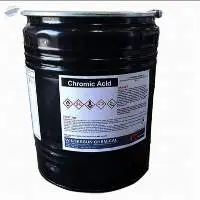
Chromic Acid is most known for its use in the metal finishing (intermediate in chromium plating) industry. Other common uses are as a wood preservative, production of plastic products, ceramic glazes and to clean laboratory glassware. Chromic Acid is also used in Magnetic Tapes, as a Catalyst, in copper stripping, aluminum anodizing, as a corrosion inhibitor, in photography, as a purifying oil and acetylene , also as a oxidizer in organic synthesis.
Physical And Chemical Properties
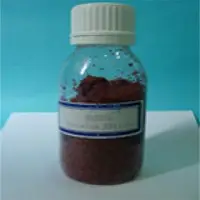
Physical State: Odorless dark red deliquescent solid
Melting Point: 197 �°C
Boiling Point: Decomposes
Specific Gravity: 2.70
Solubility in Water: Highly soluble
PH: 0.20-2.0 depending on concentration
NFPA Ratings: Health: 3; Flammability: 0; Reactivity:1
Flash Point: Not combustible
Stability: Stable under ordinary conditions
Sales Specification
Appearance: Dark Red Flakes
Chromic Acid: 99.7%
SO42-: 0.05% Max
Na+: 0.02% Max
Substance insoluble in water: 0.01% Max
Turbidity: 5.0% Max
Iron(Fe): 0.005% Max
Packing
110.23 Lb Drum, 18 Drums per Pallet
DOT Transportation
UN Number: 1463
Proper Shipping Name: Chromium Trioxide, Anhydrous
Hazard Class: 5.1 (6.1, 8)
Packing Group: II
RQ
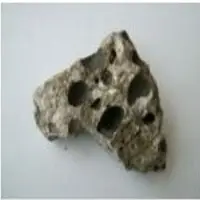
Chromite is used as a refractory in the production of steel, copper, glass and cement. Chromite occurs as a primary accessory mineral in basic and ultrabasic igneous rocks
For price , specification and other details please approach us with end Buyers LOI and company profile.
Chromium sulfate, also known as chromic sulfate, is a chemical compound with the formula Cr2(SO4)3. It is commonly used in the tanning industry as a key component in the process of converting animal hides into leather. Chromium sulfate plays a critical role in fixing the tanning agents to the collagen fibers in the hide, resulting in durable and long-lasting leather products. Additionally, it has applications in the production of certain pigments, catalysts, and in wastewater treatment for the removal of heavy metals. Its ability to enhance leather quality and its utility in other industrial processes make chromium sulfate a valuable chemical compound in various applications.
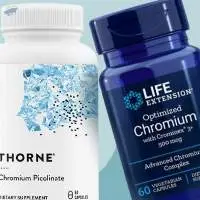
Chromium Picolinate, Payment Terms : T/T, Bank or Wire Transfer Upfront Upon Proforma Invoice
Pricing, Total or Minimum order Quantity , Quality and Delivery time get back to us so we can provide all those for you if interested.
Regular others also have added advantages, Bulk orders as well. Chromium Picolinate v..
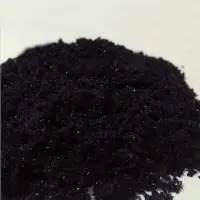
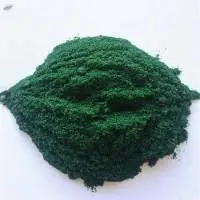
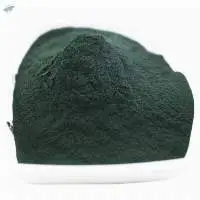
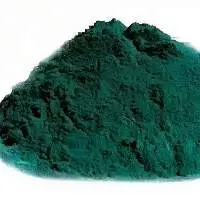
Chromium nitrates exist anhydrous variety and couples of hydrates. The anhydrous chromium nitrate is a little green powder while the common nonahydrate is a purple crystal of monoclinic system. It will be dissolved in crystal water itself at temperature of 66.3 C or boil and decompose at 125.5 C. The hydrate chromium nitrate is likely to lose some crystal water due to weathering in the air. In turn, it is subject to deliquescence. The nonahydrate chromium nitrate can be easily dissolved in water, acids, alkalis, alcohols and acetone.
Applications And Usages:
The major applications of chromium nitrate include preparation of other inorganic or organic chromium, catalysts and carrier materials, corrosion inhibitors and dye mordant as well as colorant in glass industry and colored glaze of ceramics
Packing:
Chemical pure, enterprise version I is 25kg weaving bag with plastic liner or according to the requirements of customers. Enterprise version II is 74% chromic nitrate liquid, 40kg plastic pail or according to the requirements of customers.
Chromium polynicotinate is a new type of medical and food additive synthesized by niacin and biologically active organic trivalent chromium through biochemical technology. Chromium nicotinate has the effect of lowering blood sugar and blood lipids.
Product Name: Chromium picolinate
Other Name: Picolinic acid chromium(III) salt
Molecular Formula: C18H12CrN3O6
Molecular Weight: 418.3
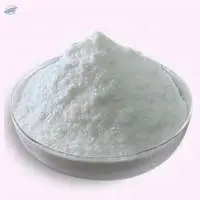
Appearance: White powder
Purity: 99%
CAS Number: 14639-25-9
EINECS number: 1592732-453-0
Supplier: ZhenYiBio
Chromium picolinate is a supplement or alternative drug for type 2 diabetes; it can increase insulin activity, participate in protein synthesis and nucleic acid, fat metabolism, and reduce body fat content. Chromium picolinate can reduce blood sugar and fat, lose weight supplement, strengthen muscles and improve immunity. Chromium picolinate is an indispensable trace element for diabetics.
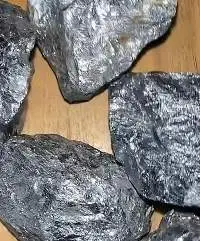
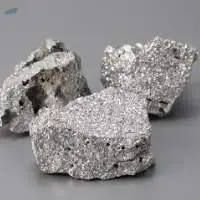
Iron Chromium Alloy With Chromium Content Ranging From 45 To 95%.
Obtaining : - By Electrothermia, Reducing The Chromium Oxides By A Complex Scheme In Succession.
Use : - Production Of Special And Anti-corrosive Alloy Steels;
- In The Chemical Industry, Machine Building, Etc;
- Manufacture Of Cutting Tools, Resistant To High Cutting Speeds.
Ferro Carbon With High Fecr60c70
Chemical Composition : Cr 60% Min; C = 6.0 ÷ 8.0%; Si = 1.5% Max; P = 0.030% Max; S = 0.05% Max.
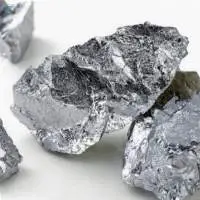
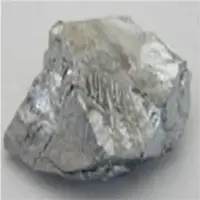
Chrome Metal: White-silver Metal, Hard Fusible, High Hardness And Brittle In The Presence Of Carbon.
Obtaining: - Generally, To Obtain Metallic Chromium, It Starts From Chromium Ores With The First Step Of Obtaining Chromium Oxide, Which Is Then Reduced With Aluminum Powder (aluminotermia), Resulting In Metallic Chromium Of Various Concentrations: (91% , 98%, 98.5%, 99% Cr). Chromium Min 99.5% Is Obtained By Electrolytic Refining, Resulting In Chromium flakes.
Use : - Equally Used To Obtain Stainless Steels And Anti-corrosion Protection Of Steel Objects (durable Chrome Plating And Fine Chrome Plating).
Properties : - White-silver Metal, Hard Fusible, High Hardness And Fragile In The Presence Of Carbon.
Material Specification : - Stas 7386-75
Brand : The Brands Of Alumino-thermal Chrome Are: Cr 99; Cr 98.5; Cr 98; Cr 97
Form Of Presentation : Bulgars With Size 10 . 100mm
We offer high-quality chromium ore with a minimum chromium oxide (Cr2O3) content of 48%. Our chromium ore is extracted from reputable mines and undergoes rigorous quality control to ensure it meets international standards.
Key Features:
- High Chromium Content: 48% Min Cr2O3, ensuring maximum value for smelting and refining
- Low Impurities: Minimal levels of impurities, such as silica, alumina, and iron
- Competitive Pricing: Attractive pricing for bulk quantities
- Reliable Supply: Stable and consistent supply from reputable mines
Specifications:
- Chromium Oxide (Cr2O3) Content: 48% Min
- Silica (SiO2) Content: 5% Max
- Alumina (Al2O3) Content: 3% Max
- Iron (Fe) Content: 2% Max
- Moisture Content: 5% Max
Certifications and Compliance:
- ISO 9001: Quality management system certification
- ISO 14001: Environmental management system certification
Packing and Shipping:
- Packing: Bulk packing in 20ft or 40ft containers
- Shipping: FOB or CIF, as per buyer's preference
Quantity:
- Minimum Order Quantity: 1,000 MT
- Maximum Order Quantity: 10,000 MT
If you're interested in purchasing high-quality chromium ore, please don't hesitate to contact us. We look forward to hearing from you.
1) Material: High Chromium Steel
2) Chemical Components : Carbon, Manganese, Silicon,
Chromium, Sulfur, Phosphoru
3) Quality Certificate: Providing Products Test Report issued
by Hong Kong SGS Ltd for examination
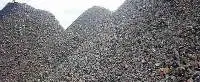
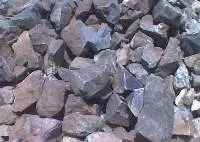
Chrome Ore, also known as Chromite Ore, is a naturally occurring mineral containing chromium oxide (CrO) and is the primary raw material used for producing ferrochrome, stainless steel, and chromium-based alloys. It is widely traded internationally and supplied in the form of lumps, concentrates, and fines according to industrial requirements.
Chemical Formula : FeCrO
Product Form : Lumps, Concentrate, Fines
Chromium Oxide (CrO?) : 40%46%+
Chromium to Iron Ratio (Cr:Fe) : 1.5 - 3.0 (as required)
Size : 10 - 50 mm (lumps), customized sizes available
Moisture : 5% - 10%
Properties of Chrome Ore:
Chrome ore, primarily consisting of chromite (FeCrO), is rich in iron, chromium, and oxygen. is a mineral that serves as the main source of chromium. Chromium is a critical element used in various industries.
Appearance: It usually appears as dark gray to black with a metallic luster.
Hardness: It's relatively hard, with a Mohs hardness of 5.5.
Density: High density, which makes it useful in heavy-duty industrial applications.
Mining and Production:
Mining Process:
Open-pit Mining: Suitable for deposits near the surface.
Underground Mining: Used for deeper deposits.
Ore Processing: Chrome ore is processed into ferrochrome (an alloy of chromium and iron) through smelting in an electric arc furnace. This is a crucial material in stainless steel production.
Applications:
1.Stainless Steel: Chromium gives stainless steel its corrosion-resistant properties. Nearly 80% of the world's chromium is used in this sector.
2.Refractories: Chrome ore is used to manufacture heat-resistant bricks and lining for furnaces.
3.Chemical Industry: Used to produce chromium chemicals for pigments, tanning leather, and anodizing aluminum.
4.Foundry Sand: Processed chrome ore is used in mold-making during metal casting.
Classification : Hastelloy Alloy
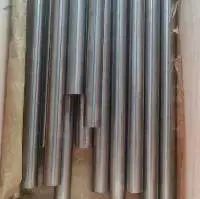
Hastelloy Bar is a versatile austenitic nickel-chromium-molybdenum-tungsten alloy with enhanced resistance to pitting, crevice corrosion and stress corrosion cracking. The high chromium content provides good resistance to oxidizing media while the molybdenum and tungst en content give good resistance to reducing media. Hastelloy Bar is particularly useful for resistance to pitting and crevice corrosion in acid-halide environments.