Ethylene, A
$4.20 - $6
/ Kilogram
(FOB)
MOQ:
MOQ:
4000
Kilograms
Ethylene is classified as a Class 2.1 flammable gas.
Production of polymer materials: This is the primary use of ethylene; it serves as a raw material for manufacturing polyethylene (PE), polyvinyl chloride (PVC), ethylene-vinyl acetate copolymer (EVA), and ethylene-propylene rubber, among others.
Synthesis of organic chemical raw materials: Ethylene is a starting material for producing numerous basic organic chemicals, such as ethylene oxide, ethylene glycol, vinyl chloride, styrene, ethanol, and acetaldehyde. These intermediates are subsequently used to manufacture products including plastics, fibers, coatings, and surfactants.
Other applications: It serves as a raw material for the synthesis of pesticides, pharmaceutical intermediates, dyes, and chemical additives.
Given the highly flammable and explosive nature of ethylene, its storage must strictly adhere to the following guidelines:
Storage location: It must be stored in a cool, well-ventilated warehouse dedicated to flammable gases, with a storage temperature not exceeding 30�°C.
Strict fire prohibition: The storage area must be kept away from ignition sources and heat sources, and smoking is strictly prohibited. All electrical equipment and lighting fixtures must be explosion-proof.
Static electricity prevention: During storage and handling, steel cylinders and containers must be grounded and bonded to dissipate static electricity. Non-sparking hand tools should be used.
Segregated storage: Ethylene must not be stored together with oxidizers or halogens (such as fluorine or chlorine), as contact with these substances can trigger violent chemical reactions or even explosions.
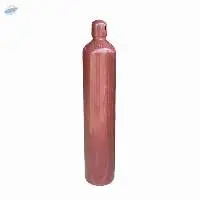
Packaging and handling: Ethylene is typically packaged and transported in steel gas cylinders. Handle with care during loading and unloading to prevent damage to the cylinders and their fittings.