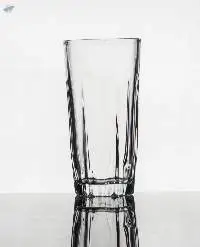
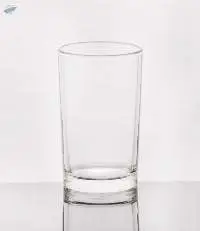
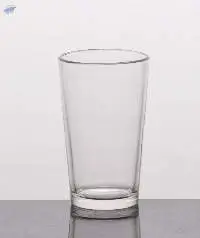
Please click here to check who's online and chat with them.

Find Verified Ceramic Filters Suppliers, Manufacturers and Wholesalers

Top Supplier Cities : Dhaka   -   Chittagong  
Jan-27-18

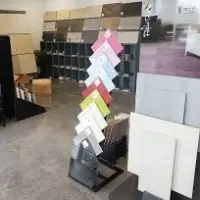
Ceramics Tiles

$5 - $50
MOQ: 500  Pair
Sample Available
 Inquire Now  
We are one of the registered leading Export House in Rajshahi, Bangladesh and have been dealing with export/supply of all kinds of Ceramics Tiles and other Products to all over the world with best quality products and competitive price. We feel and importance the buyers requirement to continue long term business relation for the mutual interest of buyer/sellers. To render best services to our valued Principals as per their requirement, we have engaged a team of energetic, dedicated, young learned officials who have been directed /guided by experienced expert professionals in this trade over 5 years.
VERIFIED
Nov-02-21
 Inquire Now  
What is Ceramic Body Binder?

Binders are glues that harden ceramic powders as they dry. They enable to improve surface adherence and slower drying. Mainly Binders are substances that improve the mechanical strength of green ceramic bodies so they can pass through production steps before firing and without breakage.

What are the Purposes of using Ceramic Body Binder?

Binders are basically glue, they are designed to harden and strengthen bodies and glazes as they dry. Ceramic Powders containing binders can exhibit remarkable surface adherence and durability on drying. Ceramic Powders containing binders can exhibit remarkable surface adherence and durability on drying. Binders are specially important in glazes, bonding them to even dense bisque surfaces.


Specifications of Ceramic Body Binder
Chemical Analysis Percentage Physical Properties Test Result
SiO 54.79 ±5% Aggregation Powder
AlO 9.98 ±5% Odour Odourless
FeO 0.66 ±5% Colour White
Na2O 0.88±5% PH (at Conc) <10
K2O 2.35 ±5% Melting Point >500
CaO 1.10 ±5% Boiling Point Not Applicable
MgO 1.23 ±5% Flammability Not Applicable
Loss (1025 ) 29.01 �±5% Explosiveness Not Applicable
What are the Functions of Binders in Ceramic Processing?

In many cases, Binders addition to bodies are essential. Binders are used in ceramic industries to provide green strength so that the body will simply maintain its shape until it is sintered. In many cases, the green ceramic body has to be machined, inspected, stored and placed onto setters for firing, often by workers who are not perfectly careful, so considerable strength would have to be provided by the binder.

What are the Negative Effects of Using a Ceramic Binder?

Binders come at a cost. They can be very expensive. They slow down drying. They make slurries messy & difficult to process and handle. Cleanup is much more difficult. They generate carbon dioxide as they decompose during firing. In some industries like tiles, binders are avoided where possible or carefully chosen and monitored
VERIFIED
Nov-02-21
 Inquire Now  
What is Alumina?

Alumina is a chemical compound that is formed of aluminum and oxygen with the formula Al2O3.It is called Aluminium Oxide. It has melting and boiling points of 2072 C and 2977 C, respectively. Aluminum Oxide has a density of 3.95 g/cm3.

Why is Alumina powder used in ceramics?

Although Alumina is an electrical insulator, it has a high heat transmission for a ceramic. Water does not melt Alumina. So, it is used in ceramics.

What are the specifications of Alumina powder?

Specifications of Aluminum
Serial No Chemical Descriptions Percentage
1 Al2O3 99%
2 Fe2O3 0.05%
3 Mesh +200


How is alumina powder made for ceramics?

Alumina are manufactured in ceramics from white particles or a smooth dense powder purified from bauxite. Alumina is a strong, long-wearing industrial ceramic which can only be produced via diamond cutting.

What are the Uses in others?

Alumina is a great element for bricks, plastics, polymers, and heavy clayware since it is chemically stable. It is also a popular component in sandpaper and a cost-effective alternative to industrial diamonds.

What are the Side effects?

Although Alumina is a beneficial metal, it is a skin irritant and it is also harmful for the environment. Itâ??s definitely uncomfortable in some cases
VERIFIED
Nov-02-21

Talc

MOQ: Not Specified
Supplier From Dhaka, Bangladesh
 Inquire Now  
What is Talc?
Talc is produced from the mineral talc, which is mostly formed of magnesium, silicon, and oxygen. It absorbs wet effectively as a powder and making it perfect for keeping skin dry.


What are the Purposes of using Talc?


Talc is a high-temperature-resistant accelerator used in the ceramic industry. In generally, using talc to ceramics has significant impacts, such as improving the optical and electronic characteristics of the ceramic material and glazes.


What are the specifications of Talc?


Specifications of Talc

Serial No Chemical Composition Percentage
1 SiO2 62.5%
2 MgO 30%
3 Fe2O3 0.2%
4 CaO 5%
5 Mesh +200


What are the Applications in Ceramics?


Talc is usually used in the ceramics industry. Talc adds whiteness and improves temperature in bodies. Small amounts of talc are used to change the body and improve strength.


What are the uses in others?


Itâ??s found in a variety of consumer goods, including child powder, adult body and face powders, and a variety of other cosmetics.


What are the negative side?


While talc is usually regarded secure but few research shows health problems. Talc inhalation can occur coughing, chest pain and difficulty breathing. Though very few talcum can prove serious problem.
VERIFIED
Nov-02-21

Quartz

MOQ: Not Specified
Supplier From Dhaka, Bangladesh
 Inquire Now  
What is Quartz?

Quartz is a chemical compound made up of one silicon atom and two oxygen atoms. It is the most common mineral on the planet, and its amazing features make it one of the most valuable resources. Quartz is highly weatherproof. It has the chemical formula SiO2.


What are the Specifications of Quartz?


Specifications of Quartz
Chemical Analysis Percentage (%) Physical Properties Test Result
SiO2 99.45 Physical appearance White Powder
Al2O3 0.13 Impurity Invisible
K2O Trace Density 1.73gm/cc
Na2O Trace Viscosity 20s
Fe2O3 0.012 Lightness (L) 95.07%


How is it used in the Ceramic industry?

Quartz is used in the ceramic industry to produce ceramic tiles as well as to lessen contraction during drying and firing and provide mechanical stability. High-silica quartz with poor protein content is used in most of the countryâ??s largest ceramic plants. The silica in the clay helps to create the ceramic body and gives the ceramic industry a white color.

What are the other Uses?

Quartz is a very good product. In spite of being used widely in the ceramic industry, it is also used in jewelry, glassmaking, watches, the petroleum industry, sharpening tools, and electronics.


What are the Usefulness of Quartz?


One of the most valuable natural elements is quartz. Its physical and chemical characteristics can be related to its utility. Its melting point is extremely high, and it can survive high temperatures. It has a durability that means it wonâ??t react to other chemicals and materials. They are highly appealing, presentable, and, despite being typically flexible, they come in a variety of colors depending on the presence of contamination.


What are the Side effects?


Though it is a useful element, it has some side effects also like energy tingles, emotional swings, and dizziness.
362 Ceramic Filters Suppliers
Short on time? Let Ceramic Filters sellers contact you.
VERIFIED
Nov-02-21
 Inquire Now  
What is Wollastonite?

Wollastonite is a calcium, silicon, and oxygen-based industrial mineral. It is generally white, although it can also be colorless or gray. CaSiO3 is the molecular formula of Wollastonite. 2.86-3.09 is the specific gravity of it.

What are the Purposes of using Wollastonite?

Wollastonite increases weather resistance, lowers brightness and coloring, and works as a flatting and suspension agent, as well as performing as a smoothing and suspending agent.

What are the Specifications?

Specifications of Wollastonite
Serial No Technical Index Percentage (%)
1 SiO2 53.78
2 CaO 43.41
3 Fe2O3 0.39
4 MgO 0.95
5 Whiteness 90.52
6 Mesh(325) 3.00%
7 HCl insoluble matter 0.25%


What are the Uses in Ceramics?

Wollastonite is used in the manufacture of ceramics. It reduces firing and drying shrinkage, and lowers the temperature at which the glasslike stage is constructed. It minimizes instability and glaze problems in ceramic production and reduces shrinkage and gas expansion.

What are the other Applications?

In spite of being used in ceramics, wollastonite is also used in plastics, steel, and in the production of paints and coatings.
VERIFIED
Nov-02-21

Frit

MOQ: Not Specified
 Inquire Now  
What is Frit?

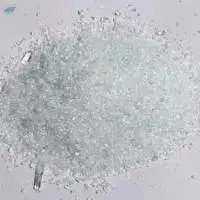
The mixture of silica and fluxes which is fused at high temperature to make glass. A frit is a type of ceramic glass that predominantly consists of silica, di boron trioxide and soda. This combination of raw materials are industrially melted and rapidly cooled. Frits form an important part of the batches used in compounding enamels and ceramic glazes. Not all glasses that is fused and quenched in water is frit, as this method of cooling down very hot glass is widely used in glass manufacture.


What are the Classifications?


Opaque Frit: It has lower or higher coefficient of thermal expansion, water anti- penetration ability, wide firing range, low softening point, resist to crazing.


Transparent Frit: Excellent gloss & color development frit, often used in single fast firing wall and floor tiles, High Transparently glossy glaze suitable for rustic or homogeneous tiles.


How does a Ceramic Frit make?


Ceramic frits are obtained by fusing raw materials in a melting kiln at higher temperature. The melt is cooled quickly, either by quenching in water which transforms it into a fragmented solid that is practically insoluble in water.


What are the Uses in ceramics?

Because of their various applications, there are numerous types of frits, each with specific uses. Despite the diversity, manufactured frits typically all contain more than one kind of flux (for melting) and are stabilized with alumina and silica. This causes the frits to be more reliable in consistently reproducing glazes
VERIFIED
Aug-27-25

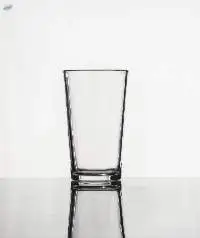
Drinking Glass (W080), Food Grade

$0.34 - $0.44 / Piece (FOB)
MOQ: 5,000  Pieces
Sample Available
 Inquire Now  
This fancy glass is a very beautiful and classic looking drinking glass.
Material: Glass
Color : Transparent
Usability: Daily use
Sample Availability : Yes, but the shipment and other costs should be borne by Buyer.
Inner Carton : 6 pieces Inner Carton
Master Carton : 72 Pieces in Master Carton
VERIFIED
Aug-26-25

Drinking Glass (W0155), Food Grade

$0.53 - $0.63 / Piece (FOB)
MOQ: 5,000  Pieces
Sample Available
 Inquire Now  
This fancy glass is a very beautiful and classic looking drinking glass.
Material: Glass
Color : Transparent
Usability: Daily use
Sample Availability : Yes, but the shipment and other costs should be borne by Buyer.
Inner Carton : 6 pieces Inner Carton
Master Carton : 72 Pieces in Master Carton
VERIFIED
Aug-26-25

Drinking Glass (W046), Food Grade

$0.73 - $0.83 / Piece (FOB)
MOQ: 5,000  Pieces
Sample Available
 Inquire Now  
This fancy glass is a very beautiful and classic looking drinking glass.
Material: Glass
Color : Transparent
Usability: Daily use
Sample Availability : Yes, but the shipment and other costs should be borne by Buyer.
Inner Carton : 6 pieces Inner Carton
Master Carton : 48 Pieces in Master Carton
VERIFIED
Aug-26-25

Drinking Glass (W042), Food Grade

$0.53 - $0.63 / Piece (FOB)
MOQ: 5,000  Pieces
Sample Available
 Inquire Now  
This fancy glass is a very beautiful and classic looking drinking glass.
Material: Glass
Color : Transparent
Usability: Daily use
Sample Availability : Yes, but the shipment and other costs should be borne by Buyer.
Inner Carton : 6 pieces Inner Carton
Master Carton : 72 Pieces in Master Carton
VERIFIED
Aug-26-25

Drinking Glass (W018), Food Grade

$0.45 - $0.55 / Piece (FOB)
MOQ: 5,000  Pieces
Sample Available
 Inquire Now  
This fancy glass is a very beautiful and classic looking drinking glass.
Material: Glass
Color : Transparent
Usability: Daily use
Sample Availability : Yes, but the shipment and other costs should be borne by Buyer.
Inner Carton : 6 pieces Inner Carton
Master Carton : 72 Pieces in Master Carton
VERIFIED
Aug-26-25

Drinking Glass (W017), Food Grade

$0.50 - $0.60 / Piece (FOB)
MOQ: 5,000  Pieces
Sample Available
 Inquire Now  
This fancy glass is a very beautiful and classic looking drinking glass.
Material: Glass
Color : Transparent
Usability: Daily use
Sample Availability : Yes, but the shipment and other costs should be borne by Buyer.
Inner Carton : 6 pieces Inner Carton
Master Carton : 72 Pieces in Master Carton
VERIFIED
Aug-26-25

Drinking Glass (W016), Food Grade

$0.41 - $0.51 / Piece (FOB)
MOQ: 5,000  Pieces
Sample Available
 Inquire Now  
This fancy glass is a very beautiful and classic looking drinking glass.
Material: Glass
Color : Transparent
Usability: Daily use
Sample Availability : Yes, but the shipment and other costs should be borne by Buyer.
Inner Carton : 6 pieces Inner Carton
Master Carton : 72 Pieces in Master Carton
VERIFIED
Aug-26-25

Drinking Glass (W015), Food Grade

$0.24 - $0.34 / Piece (FOB)
MOQ: 10,000  Pieces
Sample Available
 Inquire Now  
This is a very beautiful and classic looking drinking glass.
Material: Glass
Color : Transparent
Usability: Daily use
Sample Availability : Yes, but the shipment and other costs should be borne by Buyer.
Inner Carton : 6 pieces Inner Carton
Master Carton : 72 Pieces in Master Carton
VERIFIED
Aug-26-25

Drinking Glass (W014), Food Grade

$0.30 - $0.40 / Piece (FOB)
MOQ: 10,000  Pieces
Sample Available
 Inquire Now  
This is a very beautiful and classic looking drinking glass.
Material: Glass
Color : Transparent
Usability: Daily use
Sample Availability : Yes, but the shipment and other costs should be borne by Buyer.
Inner Carton : 6 pieces Inner Carton
Master Carton : 72 Pieces in Master Carton
VERIFIED
Aug-26-25

Drinking Glass (W013), Food Grade

$0.50 - $0.60 / Piece (FOB)
MOQ: 10,000  Pieces
Sample Available
 Inquire Now  
This is a very beautiful and classic looking drinking glass.
Material: Glass
Color : Transparent
Usability: Daily use
Sample Availability : Yes, but the shipment and other costs should be borne by Buyer.
Inner Carton : 6 pieces Inner Carton
Master Carton : 72 Pieces in Master Carton
VERIFIED
Aug-25-25

Drinking Glass (W005), Food Grade

$0.31 - $0.41 / Piece (FOB)
MOQ: 10,000  Pieces
Sample Available
 Inquire Now  
This tumbler is a very beautiful and classic looking glass.
Material: Glass
Color : Transparent
Usability: Daily use
Sample Availability : Yes, but the shipment and other costs should be borne by Buyer.
Inner Carton : 6 pieces Inner Carton
Master Carton : 72 Pieces in Master Carton
VERIFIED
Aug-25-25

Drinking Glass (W004), Food Grade

$0.50 - $0.60 / Piece (FOB)
MOQ: 10,000  Pieces
Sample Available
 Inquire Now  
This is a very beautiful and classic looking drinking glass.
Material: Glass
Color : Transparent
Usability: Daily use
Sample Availability : Yes, but the shipment and other costs should be borne by Buyer.
Inner Carton : 6 pieces Inner Carton
Master Carton : 72 Pieces in Master Carton
VERIFIED
Aug-25-25

Drinking Glass (W003), Food Grade

$0.34 - $0.44 / Piece (FOB)
MOQ: 10,000  Pieces
Sample Available
 Inquire Now  
This is a very beautiful and classic looking drinking glass.
Material: Glass
Color : Transparent
Usability: Daily use
Sample Availability : Yes, but the shipment and other costs should be borne by Buyer.
Inner Carton : 6 pieces Inner Carton
Master Carton : 72 Pieces in Master Carton
VERIFIED
Aug-25-25

Drinking Glass (W002), Food Grade

$0.34 - $0.44 / Piece (FOB)
MOQ: 10,000  Pieces
Sample Available
 Inquire Now  
This is a very beautiful and classic looking drinking glass.
Material: Glass
Color : Transparent
Usability: Daily use
Sample Availability : Yes, but the shipment and other costs should be borne by Buyer.
Inner Carton : 6 pieces Inner Carton
Master Carton : 72 Pieces in Master Carton
VERIFIED
Aug-25-25

Drinking Glass (W001), Food Grade

$0.30 - $0.40 / Piece (FOB)
MOQ: 10,000  Pieces
Sample Available
 Inquire Now  
This is a very beautiful and classic looking drinking glass.
Material: Glass
Color : Transparent
Usability: Daily use
Sample Availability : Yes, but the shipment and other costs should be borne by Buyer.
Inner Carton : 6 pieces Inner Carton
Master Carton : 72 Pieces in Master Carton
VERIFIED
Aug-13-25

Fancy Juice Glass (W043), Food Grade

$0.62 - $0.72 / Piece (FOB)
MOQ: 20,000  Pieces
Sample Available
 Inquire Now  
This fancy juice glass is a very beautiful and classic looking drinking/juice glass.
Material: Glass
Color : Transparent
Usability: Daily use
Sample availability : Yes, but the shipment and other costs should be borne by Buyer.
Inner Carton : 6 piece Inner Carton
Master Carton : 48 Pieces in Master Carton
VERIFIED
Nov-02-21

Stpp Glaze

MOQ: Not Specified
Supplier From Dhaka, Bangladesh
 Inquire Now  
What is STPP?

Sodium Tripolyphosphate (STPP), the sodium salt of polyphosphate penta-anion, also known as pentasodium tripolyphosphate or sodium triphosphate is an inorgaic compound with formula Na5P3O10.It is the sodium salt of the poly phosphate penta-an, it is thr conjugate base of triphosphoric acid.


Specifications of STPP Glaze
Chemical Analysis Percentage (%) Physical Properties Test Result
P2O5 56.85 Physical State Solid
Na2O 40.64 Color White
SiO2 0.07 Odor Odorless
Al2O3 0.07 Whiteness Above 90
Fe2O3 0.01 PH of 1.0% 12.50
Loss (1025) 0.84


How is STPP Used in Ceramic Sector?

Sodium Tri Polyphosphate (STPP) is generally employed as a dispersing agent in ceramic processing and could be a low-cost plasticizer for ceramic based materials. The effect was inverted in the case of higher STPP concentrations, for which faster setting of ceramic product can be observed.

What are the Applications of STPP in others?

In household cleaning products, sodium tri polyphosphate is used most widely as builder. In conjunction with surfactants, it allows detergents to perform efficiently in all washing conditions. It is widely used in laundry detergents, dishwasher detergents, industrial and institutional detergents
VERIFIED
Nov-02-21

Soda Feldspar

MOQ: Not Specified
 Inquire Now  
What is Soda Feldspar?

Soda Feldspar is a white metal which contains sodium, alumina, and silica, as well as a small amount of potassium and calcium. Soda feldspar melts more easily than other types of feldspar.


What are the Specifications?


Specifications of Soda Feldspar
Serial No Chemical Composition Percentage (%)
1 SiO2 68.0%
2 Al2O3 19%
3 Na2O 10.5%
4 K2O 1%
5 Fe2O3 .15%
6 CaO 1%
7 Mesh +200


What are the Uses in Ceramics?

Soda feldspar is an important element in the ceramic industry. It is used as a fluxing agent to create a glassy phase that quickens the melting of ceramic tiles. It is used in the creation of clay bodies and glazes. They primarily give wastes to the compositions in all situations, but they also offer extra alumina and silica. They have a higher melting point and their delivery of the soda feldspar is more liquid and less dense.


What are the Applications in others?

Soda Feldspar is a popular raw material used in ceramics, but it is also utilized as a filler and extender in paint, plastics, glassmaking, and rubber to some extent. It improves product hardness, durability, and chemical stability in glassmaking.
VERIFIED
Nov-02-21
 Inquire Now  
What is Composed Glaze?

Composed glaze is a thin layer of liquid of different combined glaze materials which is put on ceramic tableware, sanitary ware or tiles and makes it so much hard and shiny when those are heated in very high temperature.

What are the classifications?

Composed Glaze for Tiles
Composed glaze for Tableware
What are the specifications?


Ceramic glaze has five basic components. These components are silica, alumina, flux, colorants and modifiers. Even though all glazes are made up of the same components. However, Glazes need a balance of three main ingredients: Silica, Alumina and.


Parameter of our Composed Glaze


Serial Number Parameter Result
1 Viscosity 60-90 Sec
2 Density 1.88-1.90 gm/cc


How do Ceramics Glaze work?

Composed Glazes are vitreous by their nature. When glaze is fired onto a piece it is like covering the piece with glass. It seals the piece stain resistant. The same glaze can also turn different colors when fired to different temperatures. It also gives a tougher surface.

What is the Purpose of applying Composed Glaze in Ceramics?

Composed Glaze is used to serve color, decorate and waterproof to a ceramic product. Moreover,Composed glaze can enhance the fired clay body on an aesthetic and a functional level. Visually, Composed glaze can be decorative and a great source of color and texture. Practically, once this glaze can seal clay bodies fired, making them waterproof and food safe
VERIFIED
Nov-02-21

Stpp Body

MOQ: Not Specified
Supplier From Dhaka, Bangladesh
 Inquire Now  
What is STPP?

Sodium Tripolyphosphate (STPP), the sodium salt of polyphosphate penta-anion, also known as pentasodium tripolyphosphate or sodium triphosphate is an inorgaic compound with formula Na5P3O10.It is the sodium salt of the poly phosphate penta-an, it is thr conjugate base of triphosphoric acid.


Specifications of STPP Body
Chemical Analysis Percentage (%) Physical Properties Test Result
Loss 43.07 ± 5 Physical State Solid
SiO2 26.00 ± 5 Colour White
Na2O 29.83 ± 5 Odor Odorless
F 1.1 ± 5 Whiteness 90
PH of 1.0% 12.50 Melting Point 72.2


How is STPP Used in Ceramic Sector?

Sodium Tri Polyphosphate (STPP) is generally employed as a dispersing agent in ceramic processing and could be a low-cost plasticizer for ceramic based materials. The effect was inverted in the case of higher STPP concentrations, for which faster setting of ceramic product can be observed.

What are the Applications of STPP in others?

In household cleaning products, sodium tripolyphosphate is used most widely as builder. In conjunction with surfactants, it allows detergents to perform efficiently in all washing conditions. It is widely used in laundry detergents, dishwasher detergents, industrial and institutional detergents
VERIFIED
Oct-29-21
Supplier From Dhaka, Bangladesh
 Inquire Now  
Code No: BB-CS-Y3312F
Components: Zr, V, Si
Max Firing Temperature: 1300
Moisture content: 0.1%
Powder Characteristics: 325 mesh
Granularity: 0.5%
Remarks: Suitable for Sanitary ware Glaze, Ceramic Tile,
VERIFIED
Oct-30-21
Supplier From Dhaka, Bangladesh
 Inquire Now  
Code No: BB-CS-SCS01
Components: Sn-Sb
Max Firing Temperature: 1250
Moisture content: 0.1%
Powder Characteristics: 325 mesh
Granularity: 0.5%
Remarks: Suitable for Sanitary ware Glaze, Ceramic Tile,
Tableware Glaze
VERIFIED
Oct-28-21

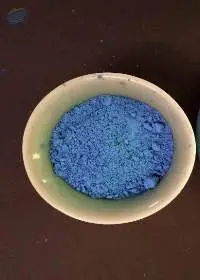
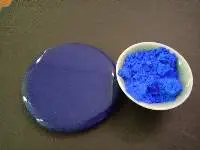
Color Stain (Cobalt Blue)

$0
MOQ: Not Specified
Supplier From Dhaka, Bangladesh
 Inquire Now  
Code No: BB-CS-Y3302

Components: Co, Si

Max Firing Temperature: 1300

Moisture content: 0.1%

Powder Characteristics: 325 mesh

Granularity: 0.5%

Remarks: Suitable for Sanitary ware Glaze, Ceramic Tile, Tableware Glaze
Apr-20-22

Jute Curtain

$5.50
MOQ: 100  Pieces
Sample Available
 Inquire Now  
A natural look and texture will create a warm and inviting environment in your rustic-inspired space
Jute curtains fit perfectly and let in some light, serving well in filtering the light and protecting privacy.
VERIFIED
Oct-29-21
Supplier From Dhaka, Bangladesh
 Inquire Now  
Code No: BB-CS-Y7013
Components: Fe, Cr, Al, Zn
Max Firing Temperature: 1300
Moisture content: 0.1%
Powder Characteristics: 325 mesh
Granularity: 0.5%
Remarks: Suitable for Sanitary ware Glaze, Ceramic
Tile,Tableware Glaze
VERIFIED
Oct-30-21
Supplier From Dhaka, Bangladesh
 Inquire Now  
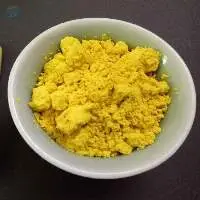
Pr. Yellow

Code No: BB-CS-Y215
Components: Zr, Pr, Si,
Max Firing Temperature: 1250
Moisture content: 0.1%
Powder Characteristics: 325 mesh
Granularity: 0.5%
Remarks: Suitable for Sanitary ware Glaze, Ceramic Tile,
Tableware Glaze
VERIFIED
Nov-02-21

Dolomite

MOQ: Not Specified
Supplier From Dhaka, Bangladesh
 Inquire Now  
What is Dolomite?

Sandstone is a form of dolomite, which is a calcium and magnesium complement used by mankind. Magnesium and calcium carbonate are abundant in it, and it also contains a few quantities of other metals.

What are the Purposes of using Dolomite?

Dolomite may be used to cure low calcium-related disorders like bone loss, weak bones, reduced parathyroid gland function, and some muscle diseases.


What are the Specifications of Dolomite?

Specifications of Dolomite
Serial No Chemical Analysis Percentage (%)
1 CaO 32.5%
2 MgO 20.5%
3 Fe2O3 0.1%
5 Mesh +200


What are the applications of Dolomite in Ceramics Industry?


Dolomite is the primary source of MgO in high-temperature raw glazes. Dolomite is a smooth Calcium Magnesium Carbonate that is used as a ceramic element. It is utilized as a source of Magnesia and Calcium oxide in ceramics.


What are the Applications in others?


In agriculture, dolomite powder is used to lessen soil acidity and to correct magnesium shortage. Detergent, paints, rubbers, agriculture products, animal feed, and other adhesives and sealants all use it as a filler.


What are the Side effects?


Stomach discomfort, constipation, nausea are all possible side effects of dolomite. It should not be consumed in excessive quantities or in conjunction with other calcium supplements for lengthy periods of time
VERIFIED
Oct-30-21
Supplier From Dhaka, Bangladesh
 Inquire Now  
Black
Code No: BB-CS-Y9020090
Components: Co, Cr, Mn, Fe, Ni
Max Firing Temperature: 1300
Moisture content: 0.1%
Powder Characteristics: 325 mesh
Granularity: 0.5%
Remarks: Suitable for Sanitary ware Glaze, Ceramic Tile,
Tableware Glaze
VERIFIED
Oct-30-21
Supplier From Dhaka, Bangladesh
 Inquire Now  
Incl. Orange
Code No: BB-CS-B2341
Components: Cd, Si, Zr, Si, S
Max Firing Temperature: 1300
Moisture content: 0.1%
Powder Characteristics: 325 mesh
Granularity: 0.5%
Remarks: Suitable for Sanitary ware Glaze, Ceramic Tile,
Tableware Glaze
VERIFIED
Oct-29-21
Supplier From Dhaka, Bangladesh
 Inquire Now  
Incl. Red Color Code No: BB-CS-B5155
Components: Cd, Si, Zr, Si, S
Max Firing Temperature: 1300
Moisture content: 0.1%
Powder Characteristics: 325 mesh
Granularity: 0.5%
Remarks: Suitable for Sanitary ware Glaze, Ceramic Tile,
Tableware Glaze
VERIFIED
Nov-02-21
 Inquire Now  
What is Zirconium Silicate?
Zirconium Silicate is a powder that is water insoluble. It is often colorless, although it can also be brown, pale yellow, light red, green, or gray in color. The number 40 is the atomic number. Its melting point is 1540 C and it has a specific gravity of 6.4. ZrSiO4 is a zirconium silicate chemical compound. The molecule has a molecular weight of 183.31. It has a density of 4.56 gm/cm3.

What are the Specifications of Zirconium Silicate?

Specifications of Zirconium Silicate
Chemical Analysis Percentage Parameter Result
ZrO2 66 ±2% Mesh (+200)
SiO2 33 ±1% Density 1 %max
TiO2 0.12%max Moisture 0.50 %
Fe2O3 0.1% max After Burn White
CaO Trace Lightness (L) 88.86 %
What are the Applications of Zirconium Silicate in Ceramic Industry?

Zirconium Silicate has different kinds of applications in the ceramic industry, including as a whiteness and opacity booster. It is also used as a raw material in ceramic glazes to promote opacity, as well as in glass compounds to make beautiful, opaque white glazes. It improves erosion and chemical resistance when used in glazes.

What are the Uses of Zirconium Silicate in others?

Zirconium Silicate Powder is a high-quality product with a good refractive index of 1.93-2.01. In spite of being used widely in the production of various ceramics, it is also widely used in refractory materials, zirconium ramming materials, casting materials spray coatings and dental crowns.

What are the Side effects?

The rough zirconium silicate affects the skin and eyes. Pneumogranulomas, skin irritation, and skin granulomas can all be caused by long-term exposure to pollution. However, the toxicity rate of zirconium silicate is very low as well as it has no proven side effects
VERIFIED
Nov-02-21
 Inquire Now  
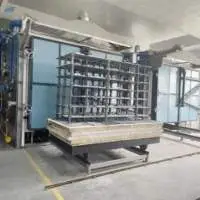
What is Shuttle Kiln?

A shuttle kiln is a car-bottom kiln with a door on one or both sides. Burners are positioned top and bottom on each side, creating a turbulent circular air flow. The type of kiln is generally a multi-car design and used for processing white wares, technical ceramics and refractories in batches. It can be updraft or downdraft in design.


What are the specifications?


Technical Specifications of Shuttle Kiln
Serial No Description Specifications
1 Per Day Production 2 MT
2 Maximum Temperature 1300
3 Lowest Temperature
4 Firing Cycle Within 8-10 hours need to be completed
5 Power Gas Fired
6 Kiln Car Size Length- 12.5 feet
Width-5.5 feet

Height-5 Feet

7 Kiln Size Length- 17 Feet
Width-8.5 Feet

Height-8.5 Feet

8 Burner Capacity (3+3)= 6 Pcs


What are the applications of Shuttle Kiln?

Shuttle kilns are extremely flexible ovens and can be used for a variety of all sectors of ceramics. Businesses that make manufacturing industry ceramics frequently make good use of shuttle kilns. Depending upon size and weight of ware, shuttle kilns may be equipped with car moving devices to transfer fired and unfired cars in and out of the kiln. This being said, shuttle kilns work most effectively for smaller volume product run.
VERIFIED
Nov-02-21

Ball Clay

MOQ: Not Specified
Supplier From Dhaka, Bangladesh
 Inquire Now  
Ball clay is a really good sandy clay that burns light to near-white. They are most commonly used to make white ceramics and are renowned for their flexibility, unfired endurance, and light fired color. A mixture of minerals, primarily kaolinite, mica, and quartz, make up ball clay. The predominant colors are white, brown, and gray.

What are the specifications of Ball Clay?

Specifications of Ball Clay
Chemical Analysis Percentage Physical Properties Result
SiO 49.00% Physical Appearance Lump
AlO 35.50% Impurity Invisible
FeO 0.17% Moisture Content N/A
TiO 0.10% Plasticity 13
CaO 0.20% Residue 45µ
(325) Max

0.3
NaO 0.70% Fired MOR (Kg/cm²) N/A


What are the main uses of Ball Clay?

Ball Clay is used in a variety of ways in the ceramics industry, including sanitary ware, tableware, wall and floor tiles, and glazes. In a ceramic body, it works as a binding assistant and contributes to plasticity, workability, and strength.

What are other uses?

Ball Clay is a high-quality, long-lasting product. It is widely used in the construction industry, horticulture, agriculture, and recreation industries, and as an extender in polymers, plastics, fertilizers, and insecticides.

What are the Disadvantages of Ball Clay?

Ball clay has a significant disadvantage. Because of too much shrinkage during drying and burning, they cannot be used on their own
VERIFIED
Nov-02-21
 Inquire Now  
What is Barium Carbonate?

Barium Carbonate is a chemical formula. It is white in color and water insoluble, but is soluble in most acids. Naturally, Barium Carbonate is poisonous. It is one of the most important barium metals in terms of commercial activity.
What are the Specifications of Barium Carbonate?

Specifications of Barium Carbonate
Serial No Technical Index Percentage (%)
1 Purity 99.2%
2 Boiling Point 1360 C
3 Density 4.29%
4 Moisture 0.3%
5 Total Surplus as SO4 0.3%
6 Mesh(325) 3.00%
7 HCI insoluble matter 0.25%


What are its Applications in Ceramics?

As Barium Carbonate is a white insoluble metal, it is broadly used in the ceramics industry. BaCO3 is a flux, matting, and crystallizing agent which is used as an element in glazes. It also interacts with specific coloring oxides that produce single colors that arenâ??t possible to achieve any other way. This one-of-a-kind incident makes it beneficial for any ceramic production procedures.

What are its Applications in others?

Glass, oil drilling, photographic, barium magnetic materials, paint, brick, and chemical industries are just a few of the major products made from Barium Carbonate. It is an important material in the production of magnetic components and optical fiber glass.

What are the side effects of Barium Carbonate?

There have been a few studies of serious health concerns in people who have been exposed to Barium Carbonate, either naturally or artificially. Hypokalemia is the most common side effect, and it can cause heart block, hypertension, and muscle weakness uses of Barium Carbonate.
VERIFIED
Nov-02-21

Zinc Oxide

MOQ: Not Specified
 Inquire Now  
What is Zinc Oxide?
Zinc Oxide has the chemical formula ZnO and is an ionic material. Though zinc oxide is found naturally, the majority of it is produced artificially. It is a white or yellowish-white color, and it is water insoluble.

What are the specifications of Zinc Oxide?

Specifications of Zinc Oxide
SI Parameters Percentage UOM
1 Zinc Oxide 99.50 %
2 Acid insoluble 0.15 %
3 Iron as Fe 100 ppm
4 Lead as Pb 500.00 ppm
5 LOI 0.3 %
6 Appearance White amorphous powder
What are its Applications in Ceramic Industries?

Zinc oxide is generally used in the ceramics industry to create glazes .It plays an important role in lowering the melting temperature, equipment requirements, and increasing the color intensity of glazes. In the production of ceramic items, it helps as a fluxing agent.

What are the Uses in Others?

Zinc oxide is noticed in makeup, nail polish, baby lotions. It is also used as an ointment for diaper rash and sun protection products. Cosmetics, rubber, plastics, glass, cement, lubricants, paints, pigments are all made with it. It works as a sunscreen by decreasing or avoiding sunburn and early aging of the skin. It is also used by many big company as a complementary element for their products. Zinc Oxide is used to treat or stop minor skin irritations like burns, cuts, and diaper rash.

What are the Negative Sides?

Unnecessary use of Zinc Oxide can be found allergic reactions like eczema, dizziness, and trouble breathing, though it is very rare. However, if anyone faces any problem, he should get treatment as soon as possible
VERIFIED
Nov-02-21

Mill Ball

MOQ: Not Specified
Supplier From Dhaka, Bangladesh
 Inquire Now  
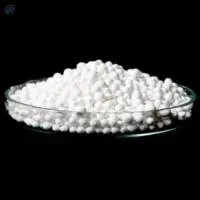
What is Mill Ball?

Grinding mill balls or Alumina balls are used in processing equipment to improve bearing performance. Alumina oxide balls are lighter, stiffer, smoother, harder, corrosion resistant, require less lubrication and have a lower thermal than others.

What are the properties of Alumina Mill Ball?

Alumina oxide is a top choice of ceramic balls due to its corrosion resistance and high operating temperature capabilities. They have a low water absorption rate and stable chemical features. They can resist high pressure and high temperatures and also can withstand the corrosion of alkali, acid and many organic solvents. It has high density and almost perfect roundness with smooth surface for higher grinding efficiency. The excellent wear resistance, higher impact strength to save your running cost and less contamination.

What are the specifications?


Specifications of Mill Ball
Serial No Characteristics Result
1 Alumina Content (%) 92
2 Density (g/cm3) 3.65
3 Equivalent Wear loss (%) 0.10
4 Hardness/Mohs 9
5 Color white
6 Available Size (Diameter) (10,15,20,25,30,35,40,50, 60,70,80,90) mm
What are the purposes of using Mill Ball?

The primary role of inert alumina mill balls is to boost the spots of gas and liquid distribution. They also offer support and protection to the activating catalyst with low strength. Additionally, during the manufacturing process, temperatures change to higher temperatures. Inert alumina ceramic balls can resist those harsh temperatures.

What are the applications of Mil Ball?

It is widely used a process of grinding, mixing and dispersion. It is also used in engineering ceramics, ceramics capacitor, Tiles, Sanitary ware, Porcelain, Pigments, Enamels, Cement, Abrasive compounds etc. It is also used in other fields like paints, chemicals, electronics and plastics. Because of their durability, alumina oxide balls have a variety of heavy-duty and industrial uses. For example, the use of alumina oxide balls allows industrial bearings to run at higher speeds and higher temperatures
Jan-27-18

Lather Wallet And Belts

$7 - $10
MOQ: 100  Pair
Sample Available
 Inquire Now  
We are one of the registered leading Export House in Rajshahi, Bangladesh and have been dealing with export/supply of all kinds of Lather Belt and Wallets to all over the world with best quality products and competitive price. We feel and importance the buyers requirement to continue long term business relation for the mutual interest of buyer/sellers. To render best services to our valued Principals as per their requirement, we have engaged a team of energetic, dedicated, young learned officials who have been directed /guided by experienced expert professionals in this trade over 5 years.
Oct-16-17

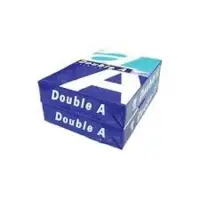
A4 Copy Paper

$2 - $2.20
MOQ: 5  Meters
Sample Available
Supplier From Dhaka, Bangladesh
 Inquire Now  
We are one of the registered leading Export House in Rajshahi, Bangladesh and have been dealing with export/supply of all kinds of printing paper to all over the world with best quality products and competitive price.
Product Specification: Sheet Size : 210mm x 297mm,
International A4 Quality, Whiteness = 102-104% , Natural White

We welcome all of printing paper and Importer/Buyer/Traders and End Users to send us their queries and to prove our capability and service by giving trial purchase order.

If you want to gets the information of products purchasing in Bangladesh, please contact with us. It is our first aim to provide customer with satisfied products.

We sincerely hope that we could establish a long term business relationship with companies both at home and abroad.

Custom designs are welcomed. Hope you will find we're your right supplier
We sincerely welcome you to contact us.

Our products: All kind of printing paper, Double A Paper etc
Jan-19-18

Jute Bags

$2 - $5
MOQ: 500  Pair
Sample Available
Supplier From Dhaka, Bangladesh
 Inquire Now  
We are one of the registered leading Export House in Rajshahi, Bangladesh and have been dealing with export/supply of all kinds of Jute Bags to all over the world with best quality products and competitive price.
We feel and importance the buyers requirement to continue long term business relation for the mutual interest of buyer/sellers.

To render best services to our valued Principals as per their requirement, we have engaged a team of energetic, dedicated, young learned officials who have been directed /guided by experienced expert professionals in this trade over 5 years.
VERIFIED
Nov-02-21

Potash Feldspar

MOQ: Not Specified
Supplier From Dhaka, Bangladesh
 Inquire Now  
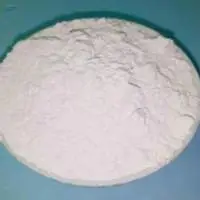
What is Potash Feldspar?

Potassium feldspar is a group of minerals which contain potassium and belong to the feldspar group. It is either colorless or very light in color. K-feldspar is another name for it. Furthermore, potassium feldspar is divided into two types: microcline and orthoclase.

What are the specifications of Potash Feldspar?
Specifications of Potash Feldspar Powder
Chemical Analysis Percentage Physical Properties Test Result
SiO 65.5 ±1.5% Physical Appearance White/Pinkish White
Al O 18.5 ±1% Impurity Invisible
Fe O 0.05 (Max) Density 1.80 gm/cc
Na2O 2.8 ±0.07% Viscosity 22 Sec
K2O 11.5 ±1.3% Lightness (L) 88.86 %
LOI 8.04% Moisture 2%
Specifications of Potash Feldspar Chips
Chemical Analysis Percentage Physical Properties Test Result
SiO 67.42 Physical Appearance White Chips /Pinkish Chips
AlO 18.05 Impurity Invisible
FeO 0.081 Size 0-5mm
Na2O 2.25 Viscosity 15.02 Sec
K2O 11.12 Lightness (L) 81.72 %

How is it used in the ceramic industry?

Potash feldspars are more commonly used in ceramics, matte glazes, and they can create a crystallographic structure which helps them to be bright. Itâ??s also one of the most vital elements in ceramic glazes for medium and high temperatures. Potash feldspar can be used in industry to make it harder to disable the material surface.


What are the other uses?

In the paint, plastic, rubber, and adhesive industries, potash feldspar is used as a fluxing agent. Itâ??s also used as a concrete mixture. Enamel, scouring powder, and glass are all made with it. Potassium feldspar comes in a variety of colors and has the same economic value as a gold ring. Potash feldspars are significant as stone elements; they are found in alkali and acidic igneous rocks, especially syenites, stones, pegmatites, and gneisses in large quantities
May-05-20

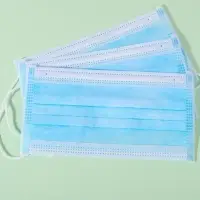
Disposable Face Mask

$0.22
MOQ: 20000  
Sample Available
Supplier From Dhaka, Uttara, Bangladesh
 Inquire Now  
- Product Name: Disposable Surgical Mask, 3 or 4 ply facemask
- Certification: CE, FDA, CFS, ISO;
- BFE: >95% and >98%
- Sterilization: Optional
- 03 or 04 layers: Melt Blown Filter, Non-woven fabric, elastic ear loops, noise bridge bar
- Size: Adult 17.0 x 9.5cm;
- Color: blue and white
- Packaging: 50 pieces / Box; 50 boxes / Carton;
-,Delivery by: Air, Sea
- Delivery Fee: On Buyer;
- Made in Vietnam
- Shiping: FOB, CIF
May-05-20

3 Layers Disposable Mask

$0.22
MOQ: 50000  
Sample Available
Supplier From Dhaka, Uttara, Bangladesh
 Inquire Now  
- Product Name: Disposable Surgical Mask, 3 or 4 ply facemask
- Certification: CE, FDA, CFS, ISO;
- BFE: >95% and >98%
- Sterilization: Optional
- 03 or 04 layers: Melt Blown Filter, Non-woven fabric, elastic ear loops, noise bridge bar
- Size: Adult 17.0 x 9.5cm;
- Color: blue and white
- Packaging: 50 pieces / Box; 50 boxes / Carton;
-,Delivery by: Air, Sea
- Delivery Fee: On Buyer;
- Made in Vietnam
- Shiping: FOB, CIF
VERIFIED
Nov-02-21
 Inquire Now  
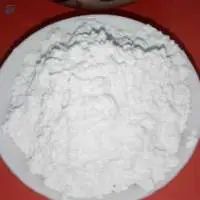
What is Calcium Carbonate?

Calcium carbonate is a colorless powder that is white and unscented. It is water insoluble to a large extent. Calcium carbonate is commonly known as CaCO3. It works as an antacid, a food coloring, and a fertilizer, among other things.


What are the Specifications of Calcium Carbonate?

Chemical Analysis Units ACI BB-WH-001 PCS
CaCO % by mass 98% 98% 98%
FeO % by mass 0.015 0.02 0.10
Density g/cm 2.7 2.7
Hardness MOH 3 2.5
Moisture % by mass 0.1 0.2 0.2
Whiteness % by mass 98.5 98 98


How to make Calcium carbonate?

Calcium carbonate is made by combining calcium oxide with carbon dioxide. After adding water to make calcium hydroxide, carbon dioxide is pushed through the solution to produce the required calcium carbonate, known as advanced calcium carbonate in the industry.


What are the uses in Ceramics?

Calcium carbonate is an important element in the manufacture of ceramics. Calcium carbonate is a cost-effective form of calcium oxide that is essential as a melting agent at higher degrees. It also enhances the mechanical and chemical strength of the glass body, as well as reducing shrinkage caused by fire.


What are the Applications in others?

Calcium carbonate is commonly used as a calcium supplement, antacid, phosphate binder, or pharmaceutical tablets. It is also seen in baking powder, toothpaste, and wine.


What are the Negative sides?

Calcium carbonate has the potential to induce bad impacts. People may be affected by stomach discomfort, constipation, dry mouth, increased urination, and lack of appetite, fast weight gain, bone discomfort, tiredness, and a lack of energy. If someone faces problems, they should get help as soon as possible.
362 Ceramic Filters Suppliers
Short on time? Let Ceramic Filters sellers contact you.
Explore Ceramic Filters related import export discussions