Beverages
Cosmetics & Pharmaceuticals
Food
Industrial & General
Sports Nutrition
Potential Functions:
Preservative
Potential Applications:
Alcoholic Drinks Meat, Fish & Poultry Protein Drinks
Bakery Non-Alcoholic Drinks Protein Powders
Confectionary Paints Ready Meals
Dairy Personal Care Skin Care
Health Care Pet Food Snack Foods
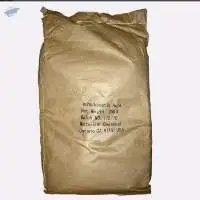
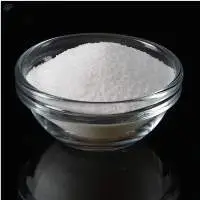
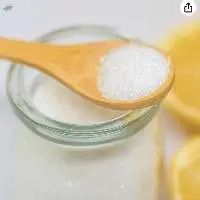
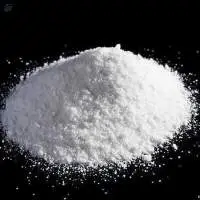
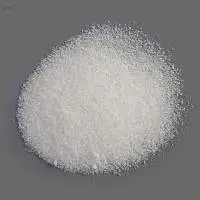
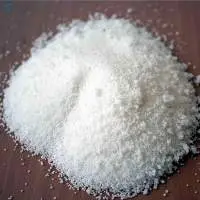
Potassium Sorbate is a white solid. It is used as a food preservative in processed food, beverages, and personal-care products. It is utilized as a food antimicrobial agent, to prevent the growth of molds, yeast, and bacteria. Primarily used as a food preservative.
Sales Specification
Appearance: White Granular
Assay: 99% -101.0%
Free Acid (As Sorbic Acid): <1%
Free Alkali (As K2CO3): <1%
Heavy metal (As Pb): 10 PPM
Arsenic (As): 3 PPM
Loss on drying: 1.0%
Lead: 2PPM
Melting Point(As Sorbic Acid): 133.0C-135.0C
Mercury: : 1PPM
Aldehydes: <0.1%
Organic Volatile Impurities: Conform to standard
Chlorides(as Cl): 0.1%
Residual Organic Solvents: Negative
Quality Standard: FCC IV, Kosher
Packing
Sorbic acid is a new, safe, nontoxic and effective food preservative. It is unsaturated fatty acid. It can
participate in normal metabolism and finally be oxidized to water and carbon dioxide, does not accumulate in the human body and has high safety. Its toxicity is only half of salt, 1/ 40 of sodium benzoate.
Food grade sorbic acid has been approved of using in worldwide and successfully used in the food industry in many ways. It has obvious inhibition of molds, yeasts and aerobic bacteria, whose effect on inhibit the growth of bacteria is stronger than the effect on destroy bacteria. It combines with sulfhydryl group in microbial enzyme system to destroy the role of enzymes, so that achieve the purposes of bacteriostasis and antisepsis. It also can prevent from the growth and breeding of botox, staphylococcus and salmonella and other harmful microorganisms. Under acidic conditions (pH value less than 5-6), the effect of bacteriostasis is better, and the food composition has no any impact of preservative effect, so it effectively extends the storage time of food and keep the original flavor of food. However, there is no effect on anaerobic bacteria Bacillus and Lactobacillus acidophilus and other beneficial micro-organisms.
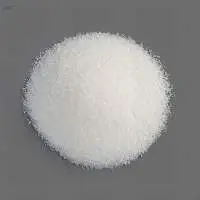
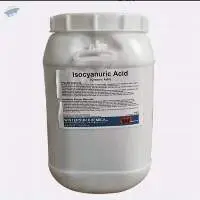
Isocyanuric Acid also known as Cyanuric Acid is a white odorless solid. Its an industrial chemical that is used as a raw material and precursor to prepare cyanuric acid bromide, chloride, iodine chloride, bromo chloride, and its cyanurate ester which are used to manufacture , bleaches, paints, herbicides, plastic, nylon, resin, chlorine stabilizer, chlorinating/bromination agents, antioxidants, metal cyanide mitigants and polyester flame retardant.
Isocyanuric Acid (Cyanuric Acid)
09-020-01
Sales Specification
Assay (%): 98.5 Min
PH (1% Solution): 2.8 Min
Moisture, %: 0.5 Max
Residue of Ignition (Ash), %: 0.1 Max
Ferric Content, PPM: 10 Max
Concentration of Ammelide & Ammeline, %: 0.5 Max
Ammonia, PPM: 20 - 200
Packing
Hypophosphorous Acid (HPA) also known as phosphinic acid is a colorless low-melting compound,it is used in applications like; as catalyst during esterification alkyd synthesis, reducing agent for electro less nickel plating, bleaching agent in synthetic fibers, color stabilizer during the manufacturing of chemicals and plastics and is also used in various organic chemistry applications. HPA serves as a neutralizing agent, antioxidant, catalyst in polymerization and poly condensation, and wetting agent. Further, it is used in the formulation of pharmaceuticals, discoloration of polymers, water treatment and retrieval of precious or non-ferrous metals.
Specifications
Iminodiacetic acid is an important intermediate in one of the two main industrial processes used to manufacture the herbicide glyphosate. It is used in capillary electrophoresis for modulating peptide mobility. It is also used as a precursor for the manufacture of the indicator xylenol orange. It is also used in chemotherapeutic treatment for metal poisoning. It acts as a tridendate ligand and forms metal complexes. Furthermore, it is used as a chelating agent that strongly binds transition metals. Iminodiacetic acid can be used for removal of toxic metal ions from water.
Physical And Chemical Properties
Tannic acid has wide application in the food industry as it is used as a flavor enhancer, color stabilizer, and clarifying agent in foods. Tannic Acid also has industrial applications like it is used in the production of albumin tannate which is used as an antidiarrheal agent. It is used in the conservation of ferrous metal objects to inhibit corrosion. It is used in the dyeing process for cellulose fibers. It is used to impart anti-staining properties to polyamide carpets or yarn. It is used as a coagulant in the manufacturing of rubber. It is used as a reagent in analytical chemistry. It is used with a mixture of albumin and gelatin to manufacture tortoiseshell. It is utilized in animal nutrition and feed.
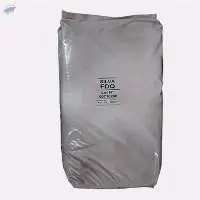
Tannic Acid FDQ
WC Code: 20-067-04
Sales Specification
Appearance: Reddish Brown Powder
Tannin/Fm %: 70.00 % Min -100.00% Max
Ph (10%): 4.4000% Min-5.2000% Max
Humidity %: 12.00000 % Max
CNZBS % : 3.5000 % Max
Packing
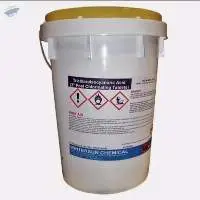
Trichloroisocyanuric Acid (3 Tablets) also known as TCCA has a wide range of uses that cover several domestic and commercial applications. TCCA also has great applications in textile cleansing and bleaching, wool shrink resistance, paper insect resistance and rubber chlorination, amongst others.
Physical And Chemical Properties
Physical State: Crystalline substance
Melting Point: 226C
Solubility in Water: 12 g/l
Solvent solubility: Soluble in chlorinated and highly polar solvents
PH: 3.0 (1% sol)
NFPA Ratings: Health: 2; Flammability: 0; Reactivity:2
Flash Point: 255 C
Stability: Stable under ordinary conditions
Sales Specifications
Also known as: 3 Pool Tabs
Available chlorine: 90% Min
Moisture: 0.5% Max
PH (1% water solution): 2.6-3.2
Diametre: 76 MM
Height: 26 MM
Packing
50 lb pail, 24 pails per pallet
DOT Transportation
UN No: 2468
proper Shipping Name: Trichloroisocyanuric acid, Dry
Hazard Class: 5.1
Packing Group: II
Palmitic acid is used to produce soaps, cosmetics and personal care products, and industrial mold release agents. These applications use sodium palmitate, which is commonly obtained by saponification of palm oil. Palmitic Acid is used in the following products: soaps and detergents, coating products, polishes and waxes, air care products, fillers, putties, plasters, modelling clay, plant protection products, finger paints, adhesives and sealants and biocides (e.g. disinfectants, pest control products). Palmitic acid can be further refined or combined with other chemical agents to produce isopropyl palmitate, cetyl alcohol and other additives.
Sales Specification
Iodine value, (al2, 100 g): 0.3 Max
Saponification value (mg KOH/g): 217-221
Acid Value (mgKOH/g): 216-220
Titre: 60-63�°C
Colour, Lovibond 5 1/4,Y: 2.0 Yellow
Colour, Lovibond 5 1/4,R: 0.2 Red
Colour, APHA: 40 Hazen
Package
Beverages
Cosmetics & Pharmaceuticals
Food
Industrial & General
Sports Nutrition
Potential Functions:
Acidulant
Degreaser
Disinfectant
Flavouring
Potential Applications:
Alcoholic Drinks Health Care Protein Drinks
Bakery Non-Alcoholic Drinks Protein Powders
Cleaning Chemicals Oral Care Skin Care
Confectionary Personal Care Snack Foods
Dressings & Sauces Preserves
Potential Applications:
Adhesives Health Care Protein Drinks
Alcoholic Drinks Joint Care Protein Powders
Bakery Meat, Fish & Poultry Ready Meals
Cereals Metal Finishing Seasonings
Cleaning Chemicals Non-Alcoholic Drinks Skin Care
Confectionary Oral Care Snack Foods
Dairy Personal Care Supplements
Dressings & Sauces Pet Food Tableting
Fertilizer Preserves Water Treatment
Potential Applications:
Alcoholic Drinks Meat, Fish & Poultry Protein Powders
Bakery Non-Alcoholic Drinks Ready Meals
Cleaning Chemicals Oral Care Seasonings
Dairy Personal Care Skin Care
Dressings & Sauces Preserves Snack Foods
Health Care Protein Drinks Water Treatment
Potential Applications:
Alcoholic Drinks Meat, Fish & Poultry Protein Powders
Bakery Non-Alcoholic Drinks Seasonings
Cereals Oral Care Skin Care
Cleaning Chemicals Personal Care Snack Foods
Dairy Preserves
Dressings & Sauces
APPLICATIONS: Adipic acid finds applications in the fields of polyamides production, polyester processing, ingredient of chemical formulations, adipate plasticizers production, paints, polyurethanes.
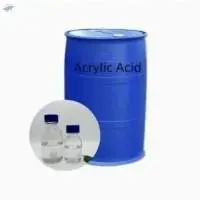
Acrylicacid is a colorless liquid with a pungent odor corrosive and strong acidity Soluble in water ethanol and ether but also soluble in benzene acetone chloroform etc The melting point is 135C the boiling point is 1409C and the density 204C is 10611gcm3 The chemical nature is lively It is easy to polymerize in air and can be reduced to propionicacid by hydrogenation Addition with hydrogen chloride generates 2 chloropropionicacid
Item
Grade
Test Result
Purity
995
9981
Colour Hazen
10
10
Water Content
020
0092
Inhibitor ContentMEHQ mm106
20020
194
Item
Standard
Product Name
Acrylic AcidAA
Purity
99
CAS NO
79107
EINECS No
2011779
Appearance
Transparent liquid
Molecular Formula
C3H4O2
Melting point
13 C
Boiling point
1409 C
Solubility
Soluble in water
Density
1051 gcm
Application
Preparation of acrylic resin etc
1 Acrylicacid and its esters can be used as polymer monomers
2 It can be used as a raw material for adhesives coatings resins etc
3 Resins synthesized by acrylicacid can be used in pharmaceutical leather textile paper chemical fiber rubber building materials plastics packaging materials water treatment oil exploration and other industries
Propionic acid is an important chemical raw material. Propionic acid and its derivatives are widely used in the synthesis of tree esters, grain preservation, food and feed additives, spices.
The earliest propionic acid was prepared by condensation and separation from the gas produced by charcoal manufacturing and coal coking. In the 1950s, foreign countries developed the process of producing acetic acid by oxidation of light hydrocarbons. The product contains about 10% (propionic acid), which is obtained after separation and purification. In addition to the hydrocarbon oxidation method, the United States also has the method of carbonylation of ethylene, CO and H2 to synthesize propionaldehyde and further oxidation to propionic acid. Due to the development of low-pressure carbonylation process with rhodium phosphine complex as catalyst, propionaldehyde oxidation method has developed rapidly in recent years. This method is superior to the traditional high-pressure method with carbonyl cobalt as catalyst.
Propionic acid, also known as primary oleic acid, is a short chain saturated fatty acid with the chemical formula ch3ch2cooh. Propionic acid is a colorless, corrosive liquid with pungent smell.
1354 Sorbic Acid Suppliers
Short on time? Let Sorbic Acid sellers contact you.