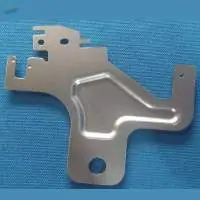
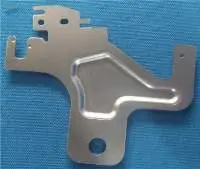
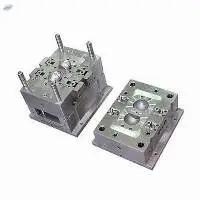
Engineered for high-volume metal forming, blanking, and press operations, our custom Steel Dies are crafted from high-grade tool steel and high-tensile structural grades to ensure maximum dimensional accuracy and wear resistance. Built to withstand extreme tonnage and continuous cycle stress, PT NYH Industri Nusantara manufactures precision die tooling tailored for stamping, bending, cutting, and roll-forming operations across the automotive, packaging, and metal fabrication sectors.
Key Features & Operational Benefits
High Wear & Impact Resistance: Manufactured using premium heat-treated tool steels and high-strength alloys to prevent deformation, chipping, and surface fatigue under intense clamping pressure.
Micron-Level Precision: CNC-machined and precision-ground to tight geometric tolerances, ensuring clean shear lines, exact bend angles, and repeatable component accuracy.
Optimized Production Lifespan: Surface-treated with specialized coatings (such as Nitriding or TD Coating) to reduce friction, minimize galling, and extend tool life during high-speed production runs.
Custom Engineering: Tailored to integrate seamlessly into hydraulic presses, mechanical stamping lines, roll-forming setups, and custom bending machinery.
Custom steel dies, custom-made upper die and lower die for metal parts based on the customer's request. Contact us for further quotation information and your custom request.
Advantages of Custom Steel Dies
High precision: Manufactured to the exact dimensions and tolerances required for your component.
Long service life: Hardened tool steels provide excellent wear resistance and durability.
Consistent production: Maintains the same shape and dimensions over large production runs.
High production speed: Suitable for repetitive stamping, punching, blanking, bending, and forming operations.
Reduced material waste: Properly designed dies can optimize material utilization and reduce scrap.
Custom geometry: Can accommodate complex profiles, holes, bends, embossing, and other special features.
Cost-effective for mass production: Higher initial tooling cost can be offset by low per-piece production costs.
Easy integration: Dies can be designed for mechanical, hydraulic, or servo presses according to the application.
Improved component quality: Better dimensional accuracy, surface finish, and repeatability.